The network for creativity
Join 1.25M professional creatives like you
Connect with clients, get discovered, and run your business 100% commission-free
Creatives on Contra have earned over $150M and we are just getting started
Back to feedPost

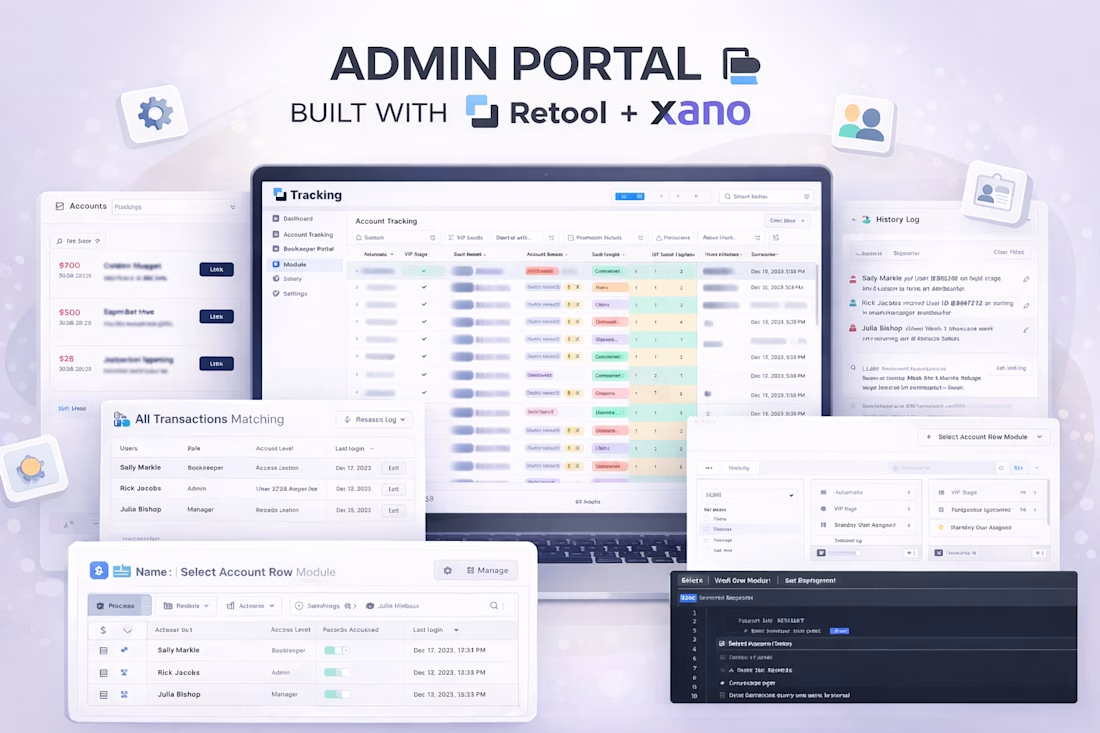
This internal tool helps finance teams manage tables and high-volume transaction data while automating reconciliation between bank transactions and internal records.
🔧 What it includes:
• Complex transaction tables with filtering, inline editing, and collapsible rows
• Transaction analytics dashboards with charts and real-time insights
• Automated reconciliation engine written in JavaScript & Python
• Query optimization and server-side pagination for large datasets
• Scheduled workflows in Retool for daily reconciliation jobs
📊 Impact:
✔ Automated ~90% of transaction reconciliation
✔ Enabled teams to reconcile large datasets in minutes instead of hours
Tech Stack: Retool · Xano · Plaid · JavaScript · Python


The network for creativity
Join 1.25M professional creatives like you
Connect with clients, get discovered, and run your business 100% commission-free
Creatives on Contra have earned over $150M and we are just getting started








Related posts

⚡ Vault — Core Experience & Financial Analytics Dashboard
Everything important within one tap. Intuitive dark-mode UI for tracking accounts, cards, activity, and automated savings goals.
#Fintech #Dashboard #UIUX #MobileApp #ProductDesign

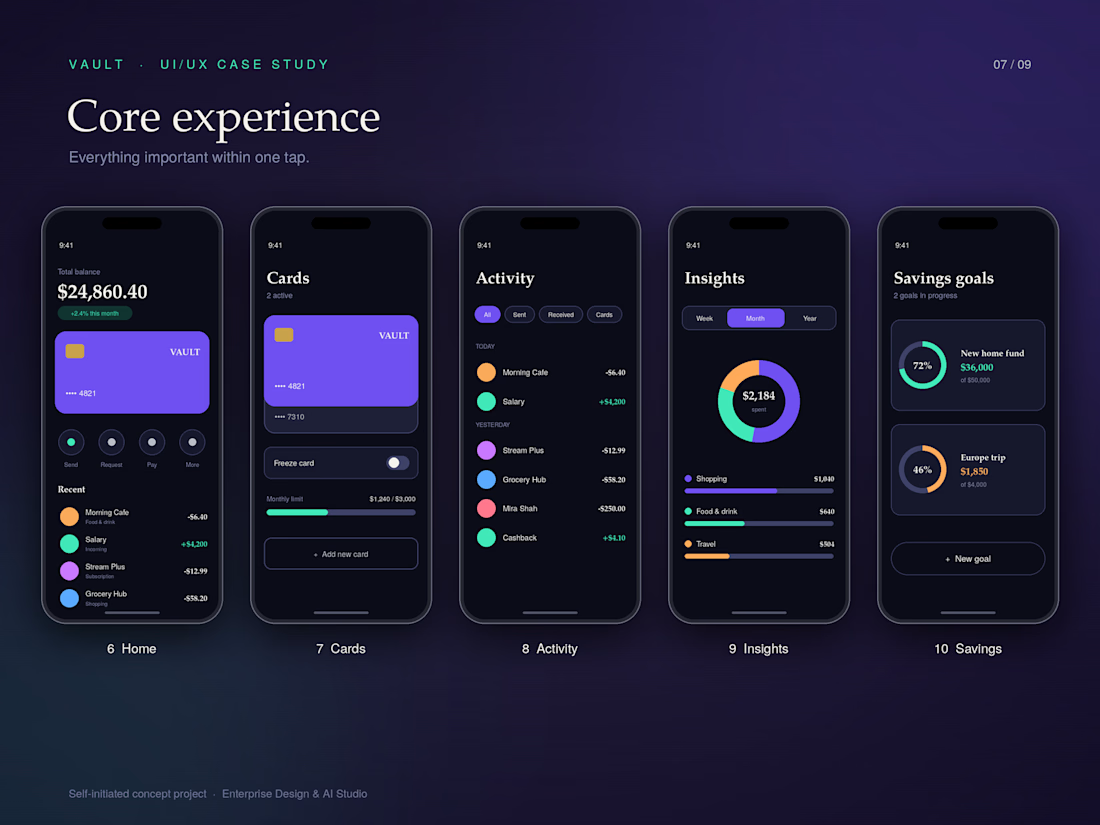

Everything important within one tap is a great promise for the core experience slide. Showing the home, cards, activity, insights and savings screens side by side tells the whole product story at a glance. The dark mode with that purple card is beautiful.

A few highlights from my latest Case study for NOVA Software Architecture



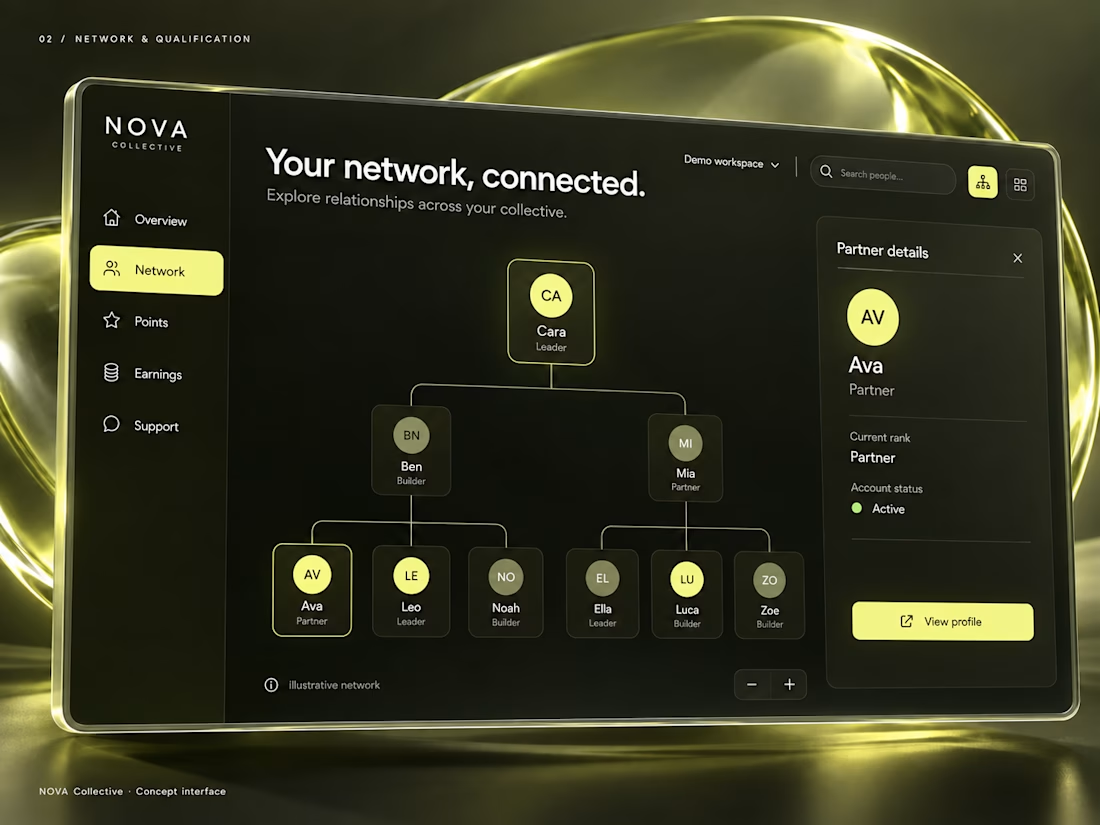
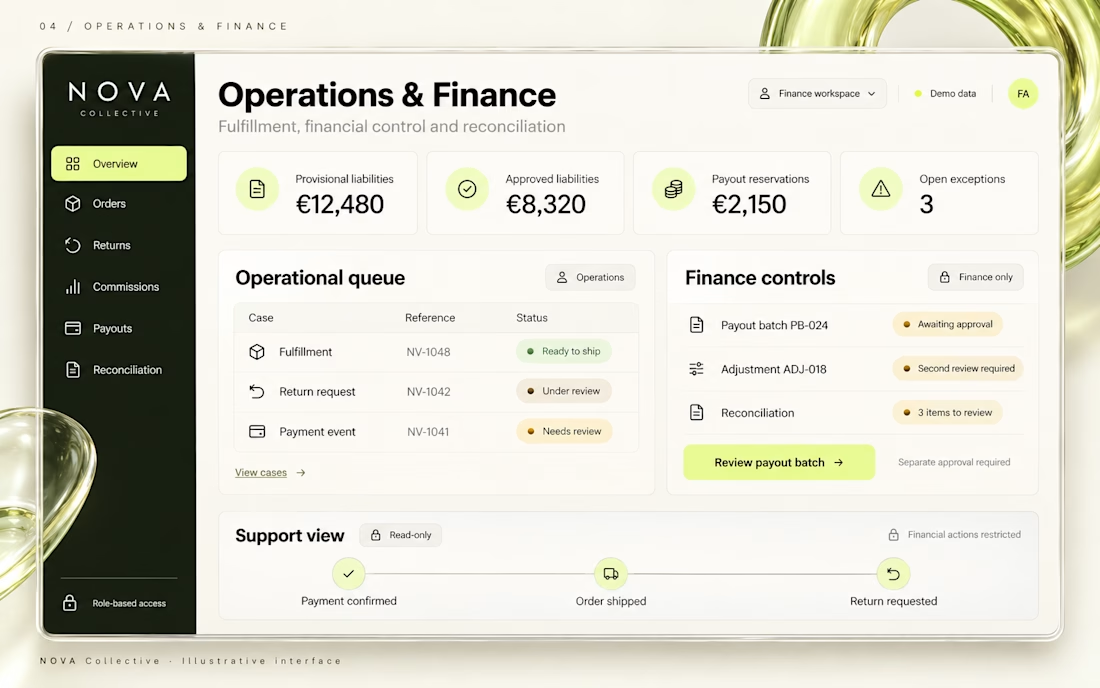


this look amazing 🔥

MASTER START — Lead Automation System
Independent product demo of a lead-processing workflow that connects website forms with Kommo, sends manager alerts in Telegram, and handles automated email follow-up with CRM status-based stop logic.
Built and tested with synthetic data.


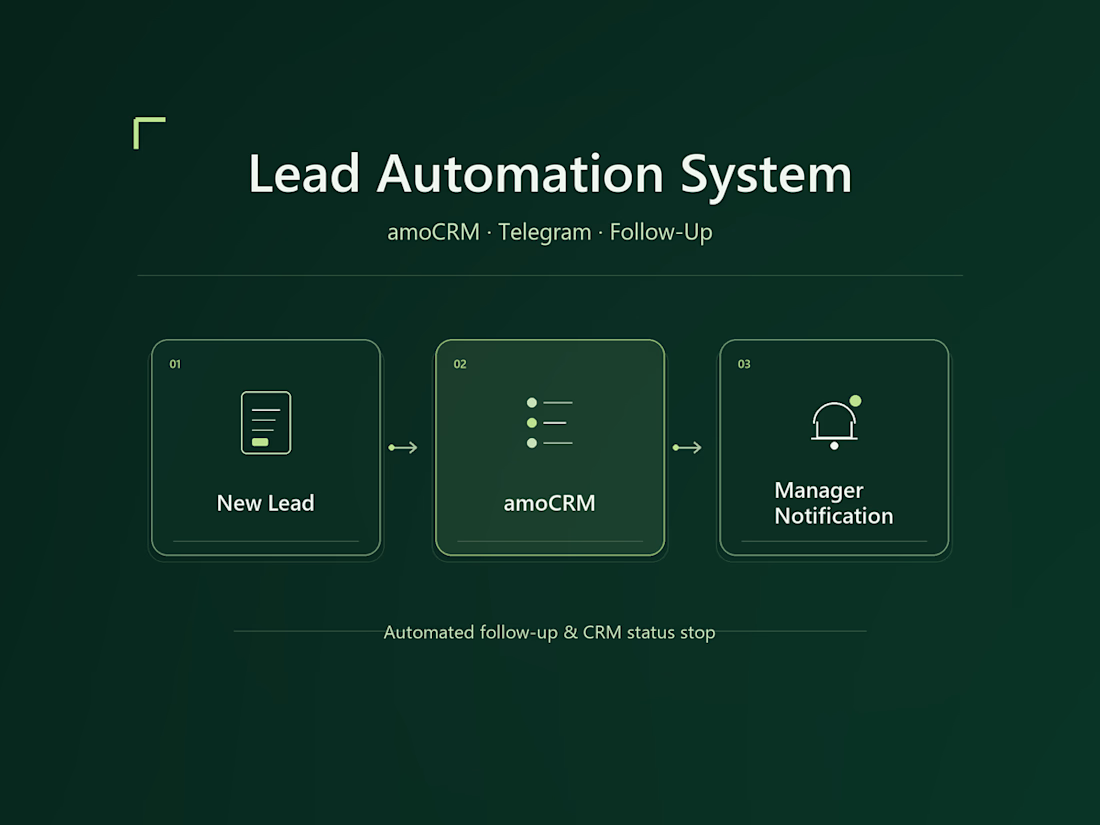

The CRM status based stop logic is crucial because it prevents sending duplicate emails to leads who already converted. Without that guard, your automation risks annoying customers and cluttering the inbox with unnecessary follow ups.