The network for creativity
Join 1.25M professional creatives like you
Connect with clients, get discovered, and run your business 100% commission-free
Creatives on Contra have earned over $150M and we are just getting started
Back to feedPost


The network for creativity
Join 1.25M professional creatives like you
Connect with clients, get discovered, and run your business 100% commission-free
Creatives on Contra have earned over $150M and we are just getting started
Related posts


wow, impressive work


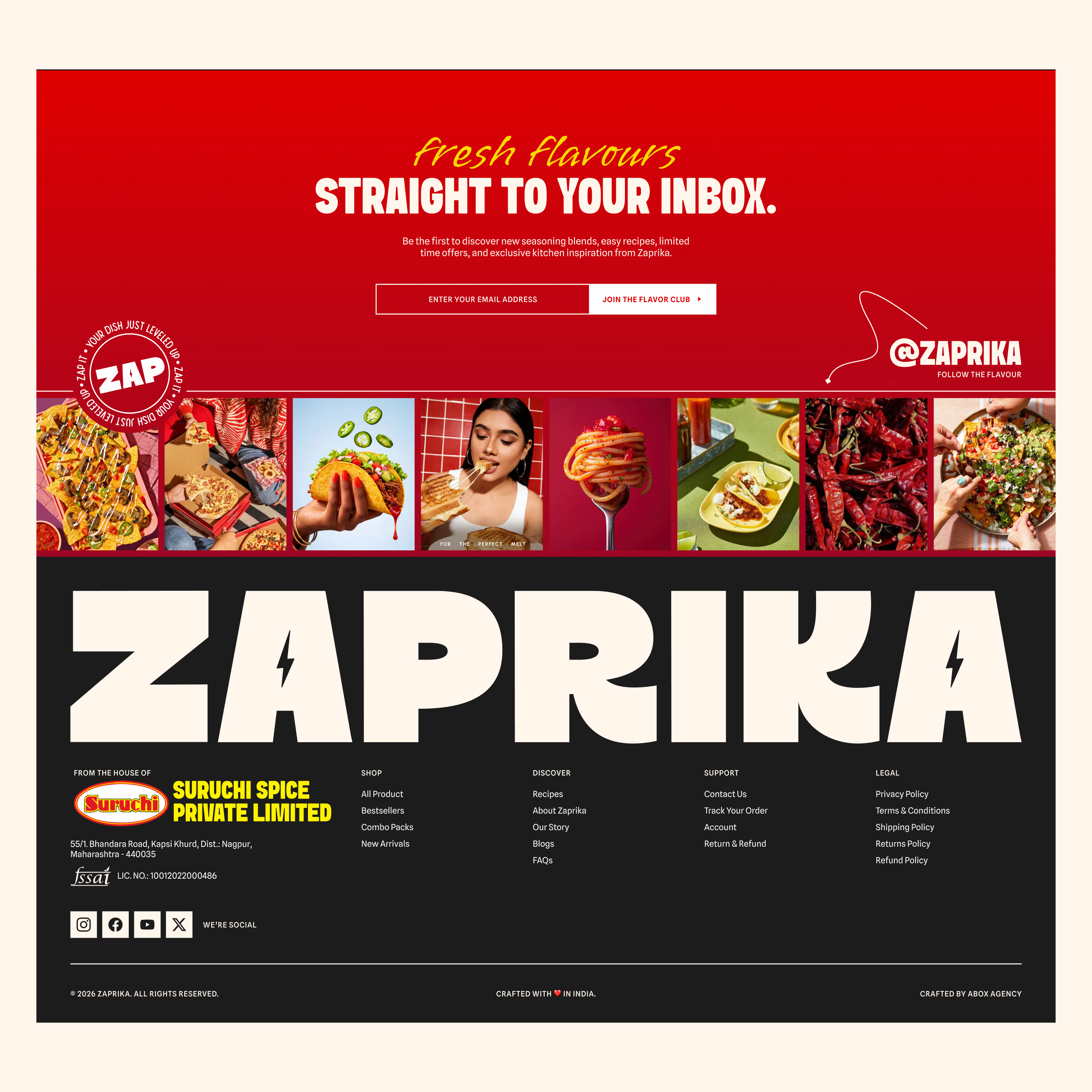
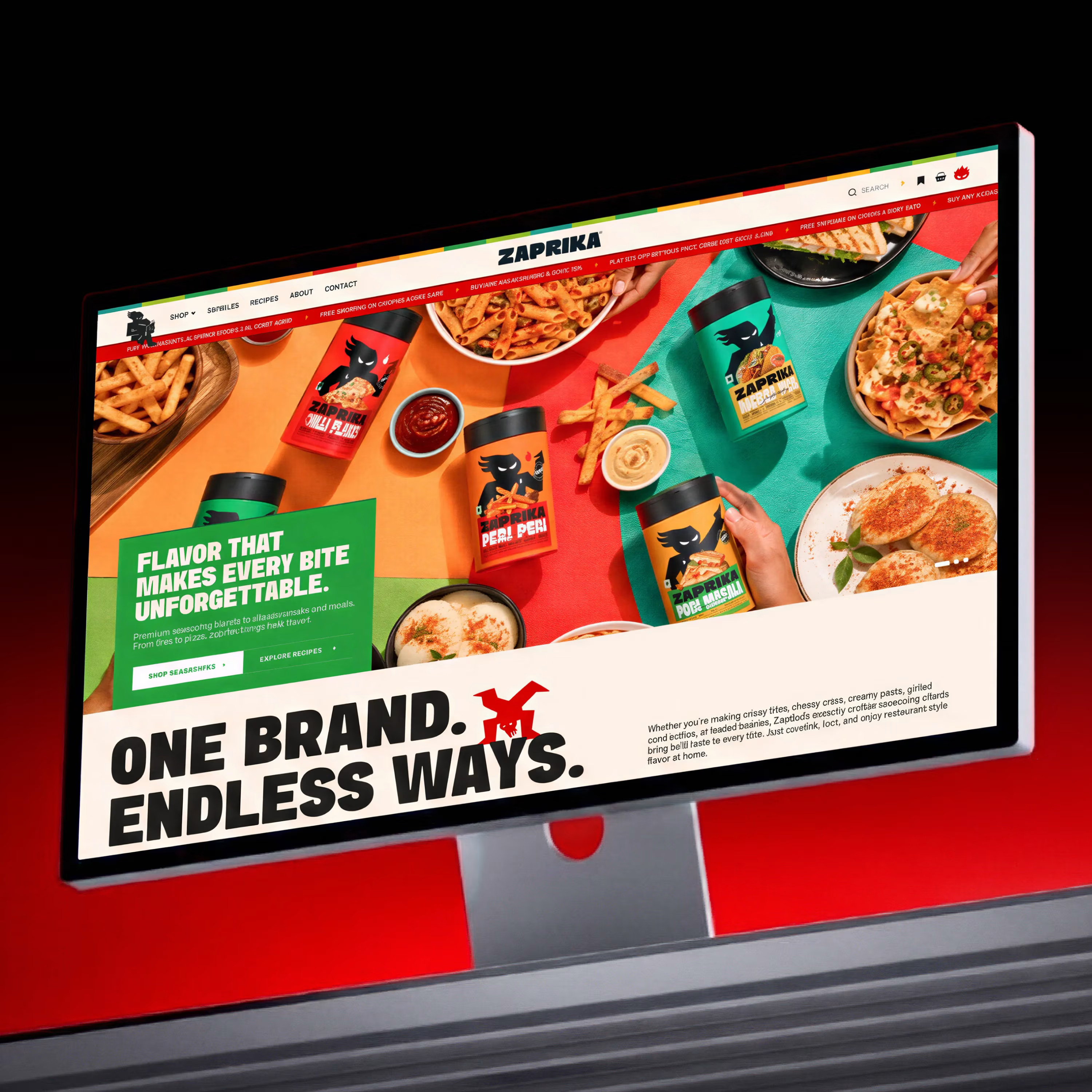
Just shipped: Zaprika, a seasoning brand from the house of Suruchi 🌶️⚡
Food is hard to sell online because you can’t taste it through a screen. So we built the entire experience end to end:
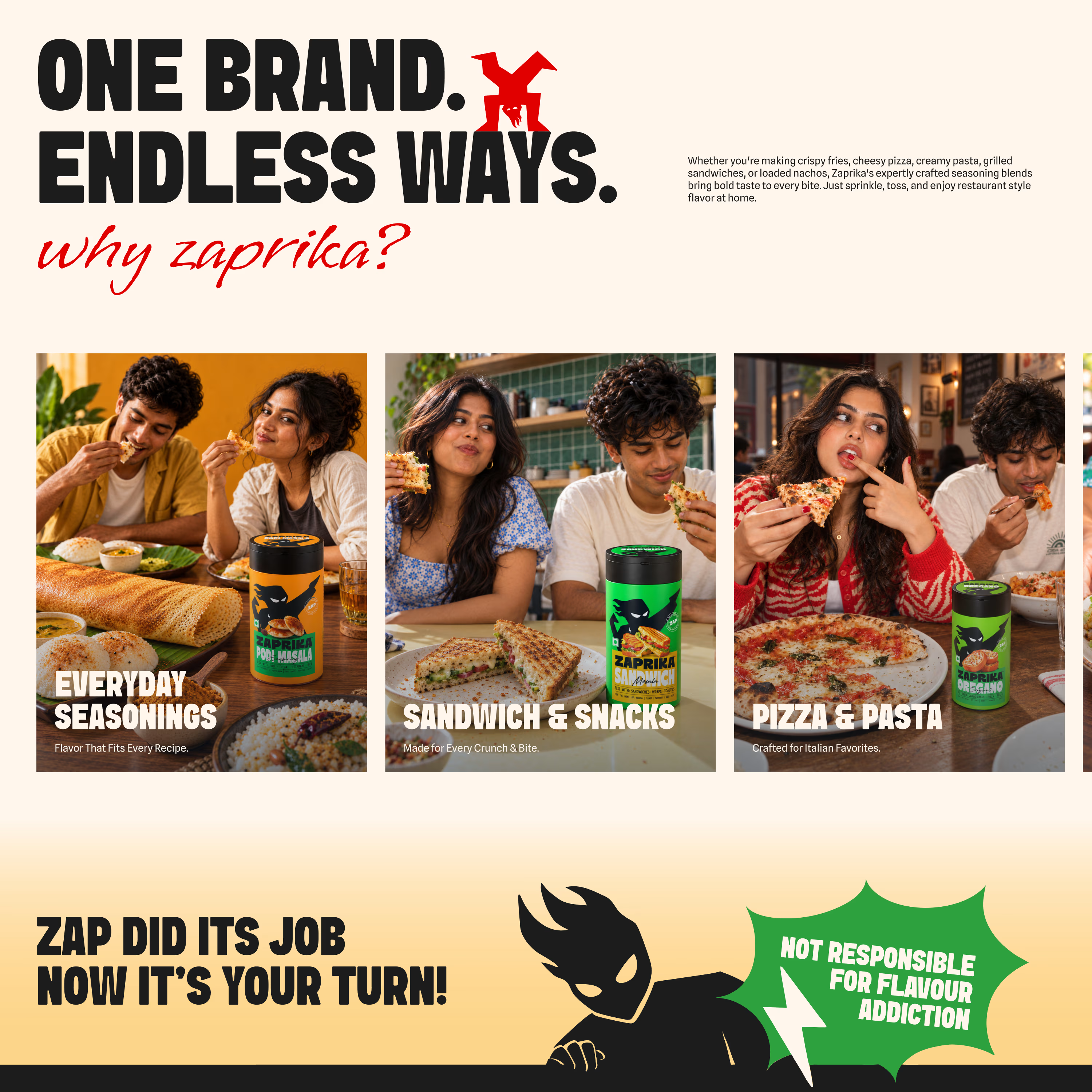
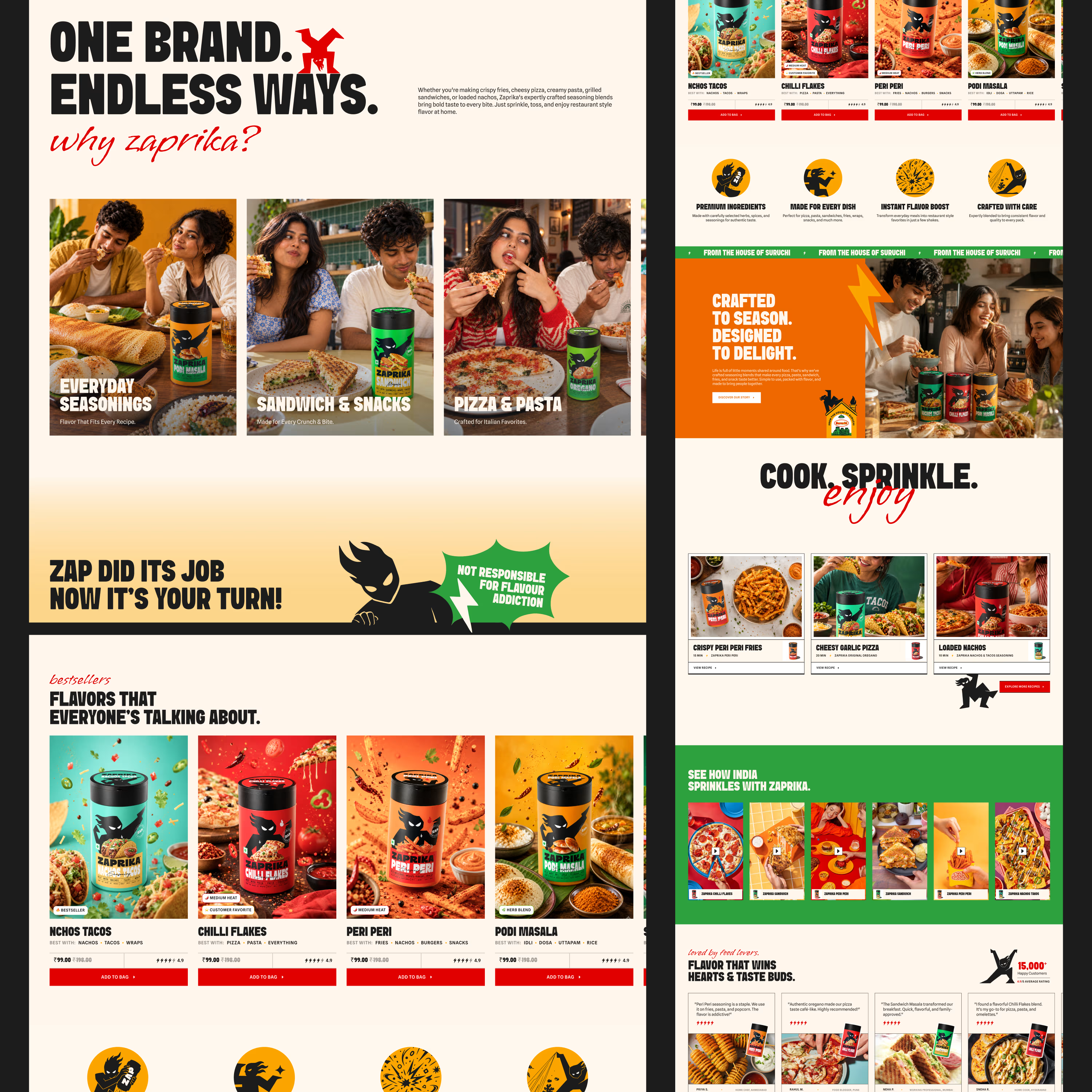
🧭 User journey: Every jar is paired with the dish it belongs on, and every recipe and reel is tagged with the exact blend, so inspiration always ends one click from the cart.
💻 Custom-coded Shopify store: No theme, no template, just full creative control without sacrificing speed.
🫙 CGI product renders: Studio-quality shots of every flavour, ready for any new launch.
📸 Photography direction and AI generation: We art-directed the look, then used AI to scale it into a full library of on-brand food and lifestyle visuals.
⚡ A mascot with attitude: He even carries a warning: “Not responsible for flavour addiction.”
One Brand. Endless Ways.
Building a bold D2C brand? Let’s make it remarkable. 👇
#EcommerceDesign #D2C #CGI #AIArt

The design is clean and captivating

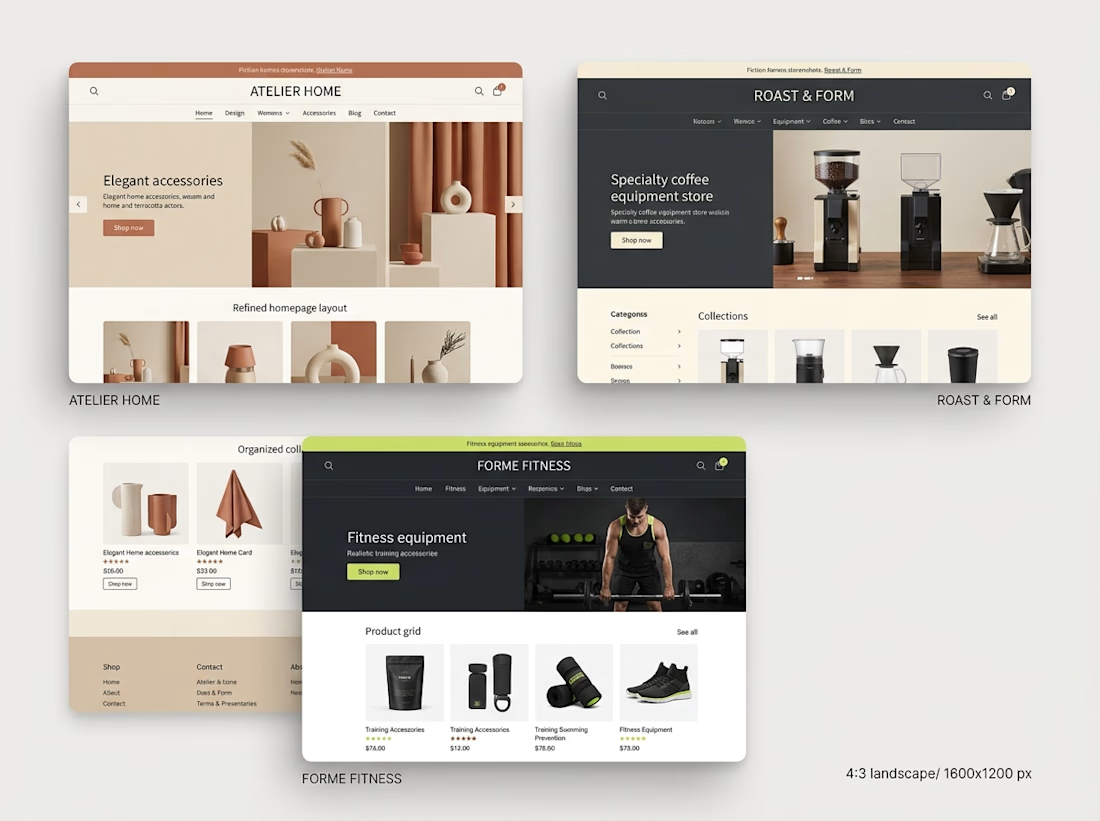
Over the past month, I've been spending more time exploring Shopify store design and thinking about what makes an online store work well.
One thing that stands out to me is that good e-commerce design involves much more than appearance.
I've been paying closer attention to:
→ How a homepage guides visitors
→ How product pages present important information
→ How collections help customers discover products
→ How navigation affects the shopping experience
→ How a store adapts to mobile screens
→ How consistent design builds a stronger brand experience
I'm also learning to think more carefully about the purpose behind each section instead of designing just because something looks good.
Every page should have a reason to exist, and every design decision should contribute to the overall experience.
I still have more to learn and improve, but each project gives me another opportunity to practice, experiment, and develop my approach.
My biggest takeaway so far: good Shopify design brings visual presentation, usability, and the customer's journey together.
What's one thing you believe every e-commerce designer should understand?


Understanding customer behavior is key to creating better shopping experiences. 👏


