The network for creativity
Join 1.25M professional creatives like you
Connect with clients, get discovered, and run your business 100% commission-free
Creatives on Contra have earned over $150M and we are just getting started
Back to feedPost

The client gave me an idea. I gave it a brand, a design, and a Shopify store.
The client had an idea. I turned it into a product experience.
For this Shopify project, I wasn't given a finished design or a ready-made theme.
I started with the product itself.
01 — Product Design
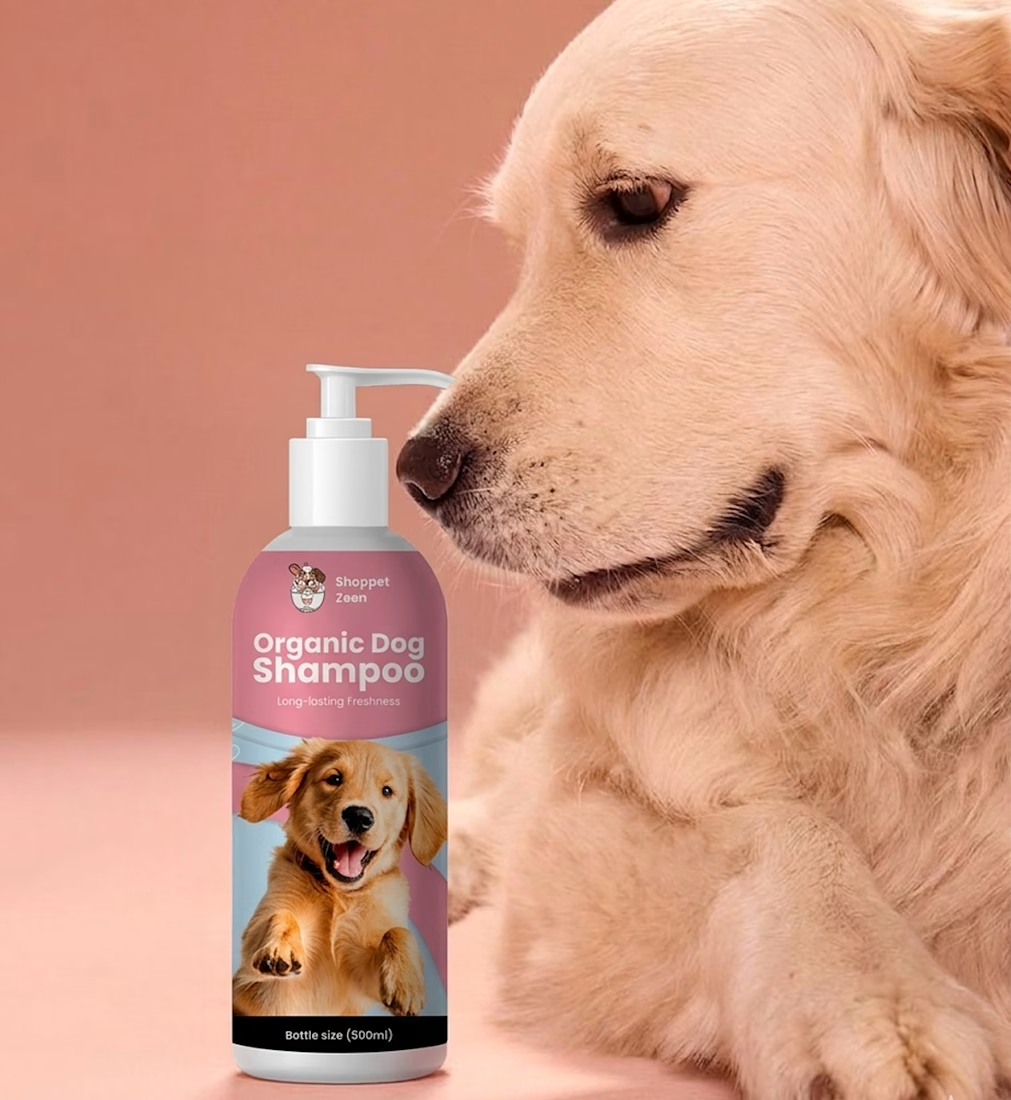
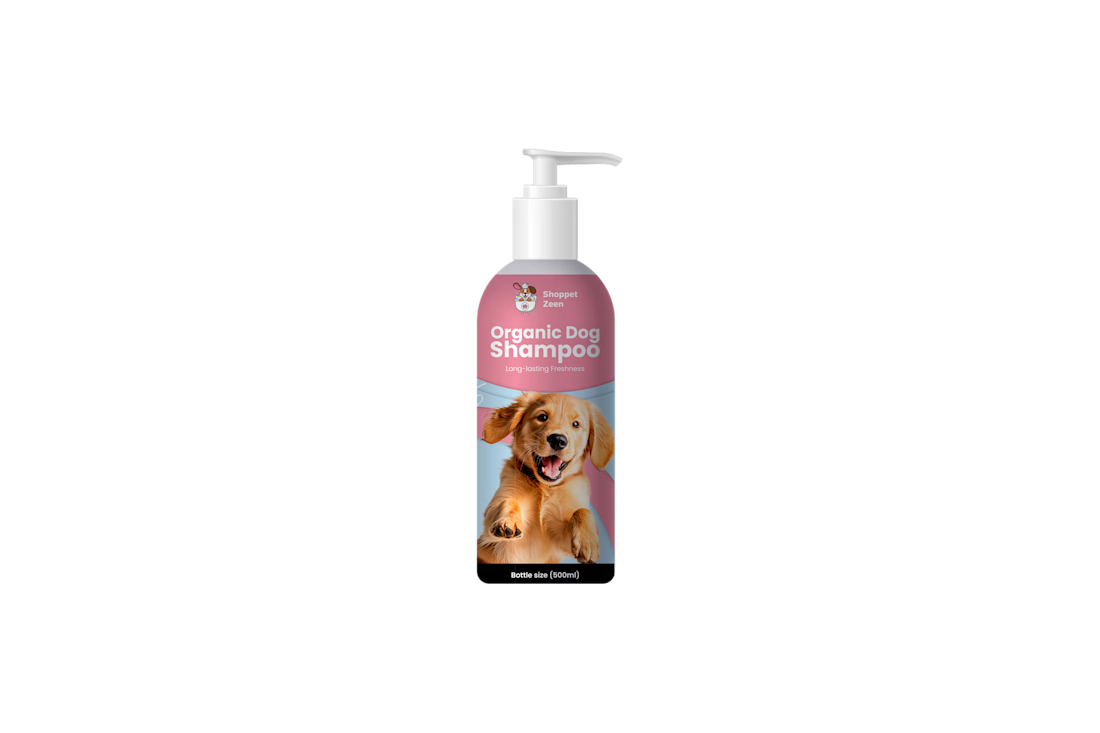
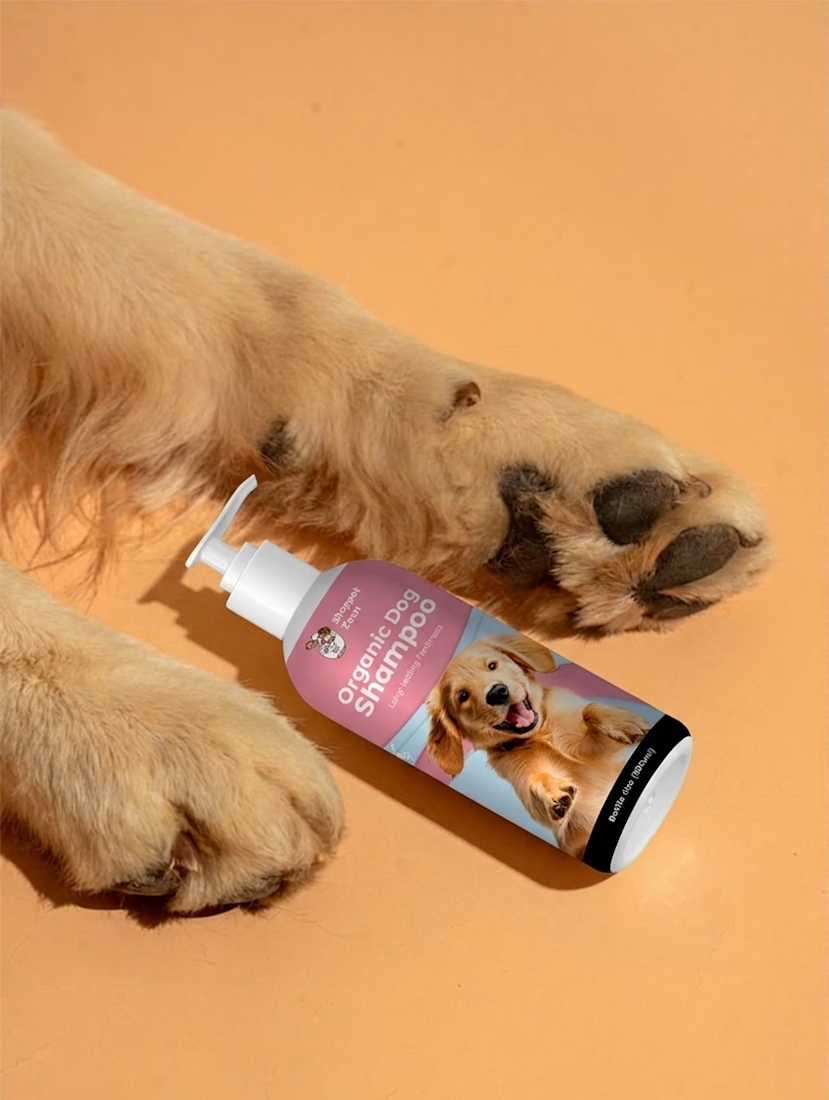
First, I designed the product concept and created the visual direction around the brand.
02 — Figma Prototype
I then translated the idea into a complete Figma prototype — working through the layout, hierarchy, product presentation, navigation, and overall shopping experience.
03 — Shopify Development
Once the design was ready, I turned the prototype into a custom Shopify theme, bringing the experience to life as a functional ecommerce store.
The goal wasn't to simply make a Shopify website.
It was to make the product feel like a real brand.
From the product packaging and visual identity to the storefront, typography, spacing, navigation and product storytelling — everything was designed to work together.
Idea → Design → Prototype → Development → Live Store.
That's the part of building I enjoy most:
taking something that exists only as an idea and turning it into something people can actually use.
#Shopify #ShopifyDevelopment #ShopifyTheme #Figma #WebDesign #Ecommerce #ProductDesign #UIDesign #UXDesign #FrontendDevelopment #WebDevelopment #BuildInPublic



The network for creativity
Join 1.25M professional creatives like you
Connect with clients, get discovered, and run your business 100% commission-free
Creatives on Contra have earned over $150M and we are just getting started



Related posts

A fashion storefront needs to show the outfit and make its individual pieces easy to find.
For FORM, I paired a warm, editorial lookbook with clearly grouped product names, prices, and size choices.
Cream surfaces, charcoal typography, and consistent product cards connect the homepage with the desktop and mobile screen concepts.
One useful design principle from this project: give campaign imagery and shopping details their own readable zones. The collection can have a strong visual presence while the next product decision stays clear.
Explore the complete design case study:
https://contra.com/p/rNPRqooQ-form-fashion-e-commerce-website-design
When exploring a clothing collection, what helps you most: a styled outfit or an individual product grid?

Adorable


Some concept work from the agency. Planning to share more of what we create, from clean interfaces to the little motion details that bring them to life.
Check out the website: https://urest.agency/


Great!!