The network for creativity
Join 1.25M professional creatives like you
Connect with clients, get discovered, and run your business 100% commission-free
Creatives on Contra have earned over $150M and we are just getting started
Back to feedPost


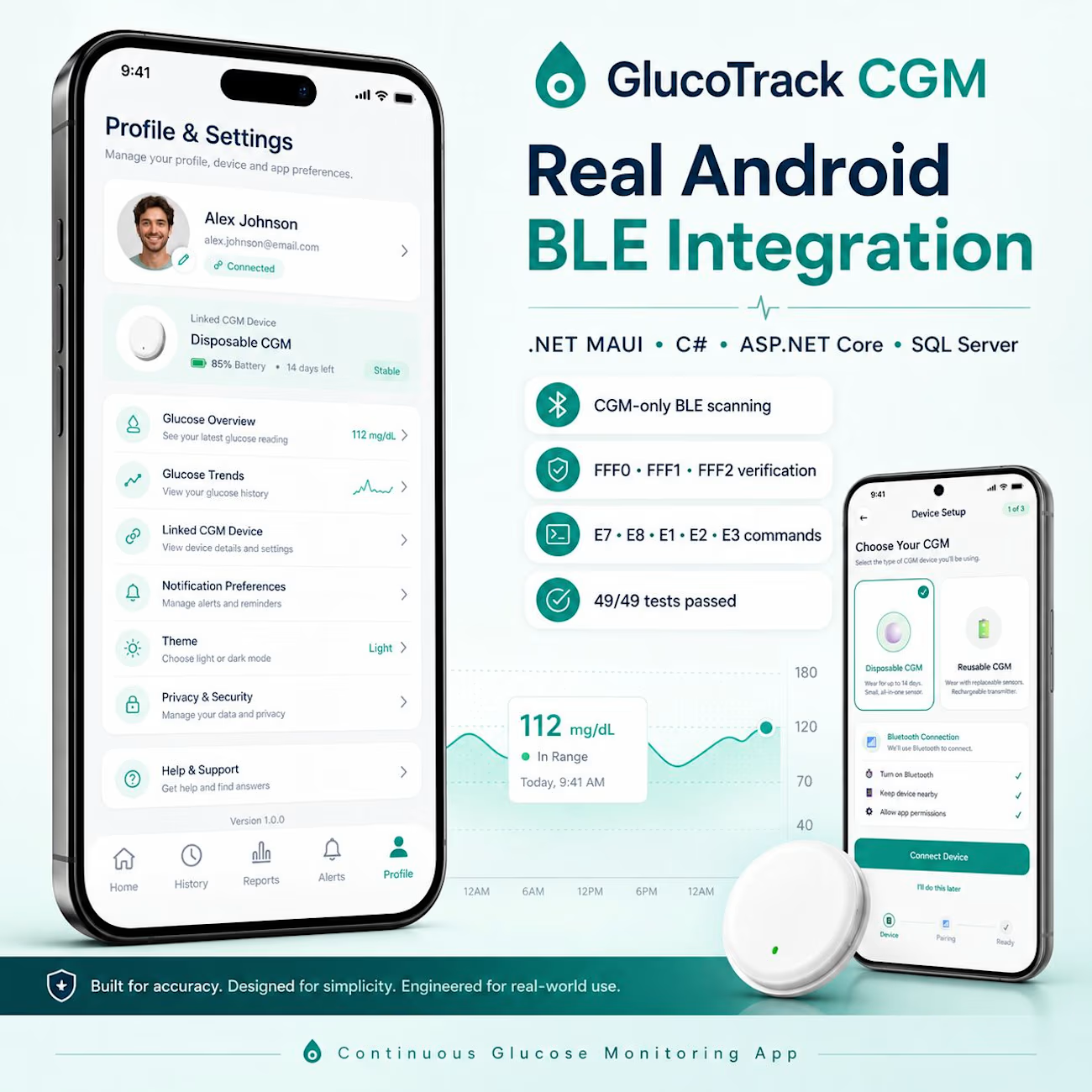
I’ve been working on GlucoTrack, a Continuous Glucose Monitoring application built with .NET MAUI, C#, ASP.NET Core, SQL Server, and native Android BLE APIs.
This week I completed the first real Bluetooth communication stage between the mobile app and the CGM architecture.
What’s implemented ✅
🔹 Native Android BLE scanning using BluetoothLeScanner
🔹 GATT communication using BluetoothGatt
🔹 Filtering only supported CGM-* devices
🔹 Service & characteristic discovery: FFF0, FFF1, FFF2
🔹 BLE notification subscription
🔹 Vendor protocol packet building & validation
🔹 Little-Endian data parsing
🔹 Checksum validation
🔹 Device command support:
E7 → Firmware Version
E8 → Device Serial Number
E1 → Battery Voltage
E2 → Device Temperature
E3 → Measurement Status & Latest Sequence Number
And one result I’m particularly happy with:
✅ 49/49 automated tests passing
The BLE implementation was built directly using native Android APIs, without adding a third-party BLE package, while keeping everything behind clean service abstractions so the app architecture remains maintainable.
One principle I’m being very careful about with this project is medical data integrity.
The device protocol provides raw sensor data, but the validated algorithm for converting raw sensor current into final glucose values is not available yet.
So instead of inventing a formula just to make the UI look complete, the production application intentionally refuses to fabricate glucose readings.
Next milestone 🎯
The next phase is physical hardware validation:
CGM Scan → Connect → GATT Verification → E7 → E8 → E1 → E2 → E3
After successful device validation, I’ll move toward live measurement handling, historical synchronization, and deeper CGM integration.
Really enjoying the challenge of combining:
Mobile Development + BLE + Hardware Protocols + Backend APIs + Healthcare Software


The network for creativity
Join 1.25M professional creatives like you
Connect with clients, get discovered, and run your business 100% commission-free
Creatives on Contra have earned over $150M and we are just getting started



Related posts

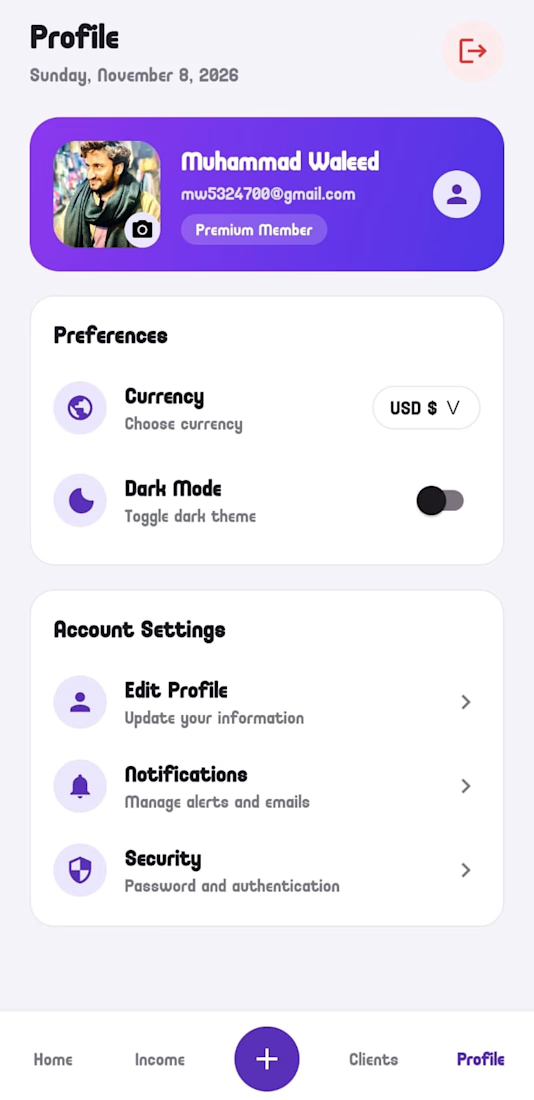
Developed a modern Profile and Settings screen using Android Studio with Kotlin. Designed a user-friendly interface featuring profile management, currency selection, dark mode toggle, account settings, notifications, security options, and bottom navigation. Focused on attractive UI design, smooth navigation, and an intuitive mobile user experience.



Nice to see currency in settings.

Designed a modern Wellness Tracking Mobile App.
A warm sunset gradient with soft glass effects, a cinematic motion blur onboarding photo, and large, friendly numbers for a calm and motivating first impression.
A glowing wellness score, colorful glass cards for calories, sleep, heart rate, and hydration, plus a daily steps chart with a clear activity breakdown make health data feel simple and easy to read at a glance. Smooth rounded shapes and a floating glass tab bar keep the whole app light, playful, and easy to use.


Love the vibes!

Hello Contra community! 👋
I'm Emmanuel, an aspiring Data Analyst passionate about turning raw data into meaningful insights.
I'm currently building my skills in:
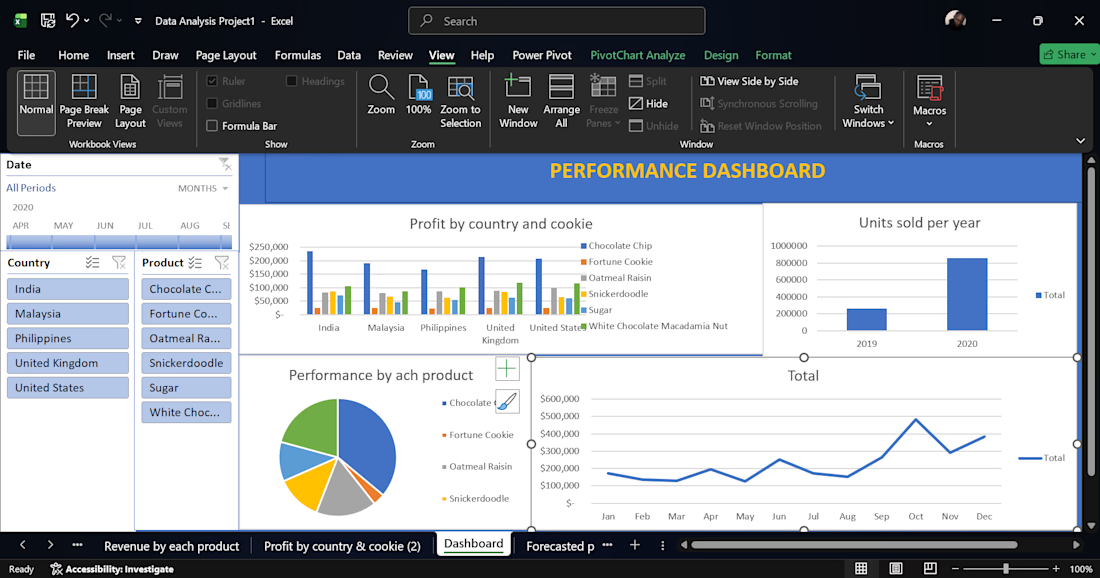
Excel and Power BI for data visualization and reporting.
SQL for data querying and analysis.
Python (Pandas, Matplotlib and Scikit-learn) for data cleaning, analysis and machine learning.
I'm using practical projects to strengthen my skills and explore how data can help businesses make better decisions.
Looking forward to connecting, learning and collaborating with other professionals here!