The network for creativity
Join 1.25M professional creatives like you
Connect with clients, get discovered, and run your business 100% commission-free
Creatives on Contra have earned over $150M and we are just getting started
Back to feedPost

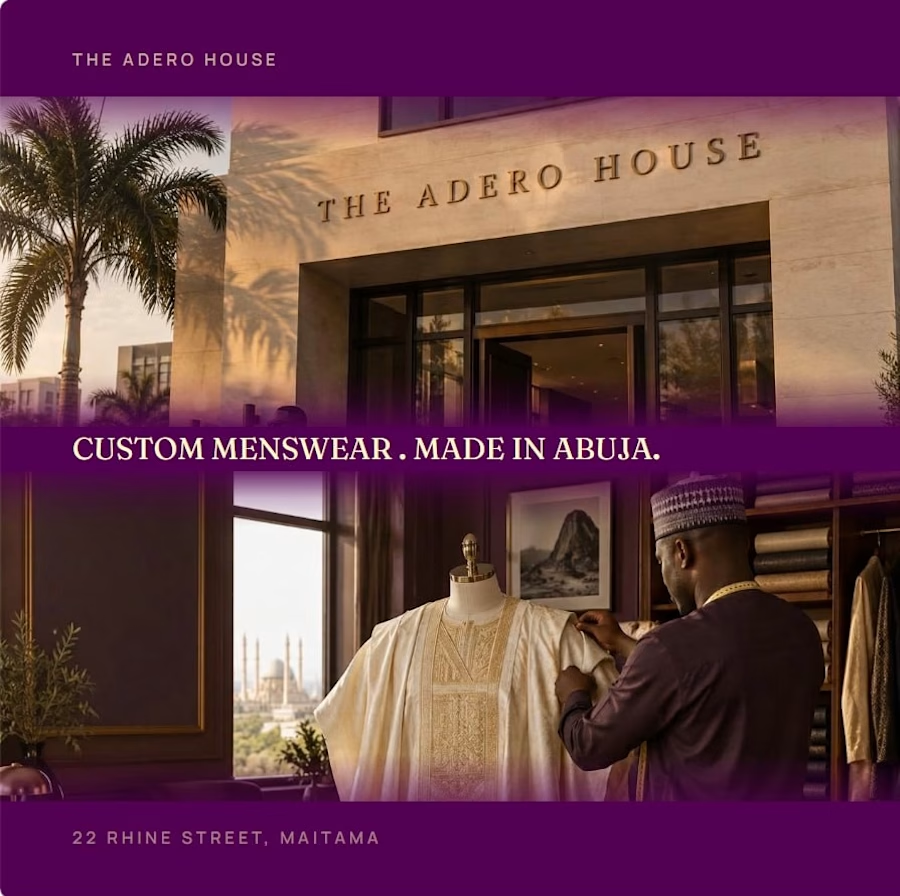
The Adero House
Bespoke menswear for weddings, traditional ceremonies and major events.
I imagined The Adero House as a small, Abuja-based bespoke menswear studio run by Deola Adero, a founder and lead designer working with two tailors.
And I gave the business a few rules that shaped the product:
Customers can bring their own fabric.
Prices on the website are starting prices because the final cost depends on the fabric, construction, embroidery and customization.
The first appointment is where the important decisions happen. Design, measurements, fabric, fit and finishing.
And most importantly, a date isn’t just a date.
If someone needs an Outfit in five days, it doesn’t matter that there’s an appointment slot available. The studio may not actually be able to make it.
That became the problem I wanted to solve.
So I built two clear ways into the business.
Place an Order is for customers who already know what they want.
They select one or multiple outfits, enter their event date, and run the Date Check. The system checks whether the requested date works with the selected outfit and Adero’s production schedule.
If it works, they enter their details, choose an available appointment, add their order information and pay the ₦50,000 deposit through Paystack.
Once Paystack verifies the payment, the inquiry becomes a confirmed booking.
Book a Consultation is for customers who aren’t ready to place an order yet.
They choose what they’re interested in, provide their event date and details, choose an appointment and pay the ₦15,000 consultation fee. If they proceed with an order within seven days, that fee becomes credit toward their ₦50,000 order deposit.
So the two flows reflect two different kinds of Adero customers instead of forcing everyone through the same booking form.
Then the automation takes over.
Once a booking is confirmed, Resend handles the transactional communication.
Customers receive their booking confirmation, appointment reminders and fitting updates. When an order is ready, they’re notified whether it’s being collected or delivered.
Customers can also reschedule within Adero’s rules, with availability checked again rather than creating another round of manual coordination.
And on Deola’s side, there’s the admin dashboard.
The booking becomes an order he can track through:
Consultation → Measurements → Production → Fittings → Ready → Collected/Delivered.
I also built Ask Adero, an AI chat assistant for the questions customers are likely to ask before booking, like pricing and production timelines.
The website handles the coordination.
Deola handles the craft.
And that was the idea behind the whole build:
take “Can I book?” and turn it into “You’re booked.”
Published site: https://theaderohouse.lovable.app/
admin’s dashboard: https://theaderohouse.lovable.app/owner
password: Lovable!@#
The network for creativity
Join 1.25M professional creatives like you
Connect with clients, get discovered, and run your business 100% commission-free
Creatives on Contra have earned over $150M and we are just getting started





Related posts


Choosing a nail color at the salon shouldn’t feel like a timed exam.
You know the moment: you’re staring at a wall of shades, the nail technician is impatiently waiting, and you can feel the pressure to just pick one. Then you spend the next two weeks wishing you’d chosen differently. The worst.
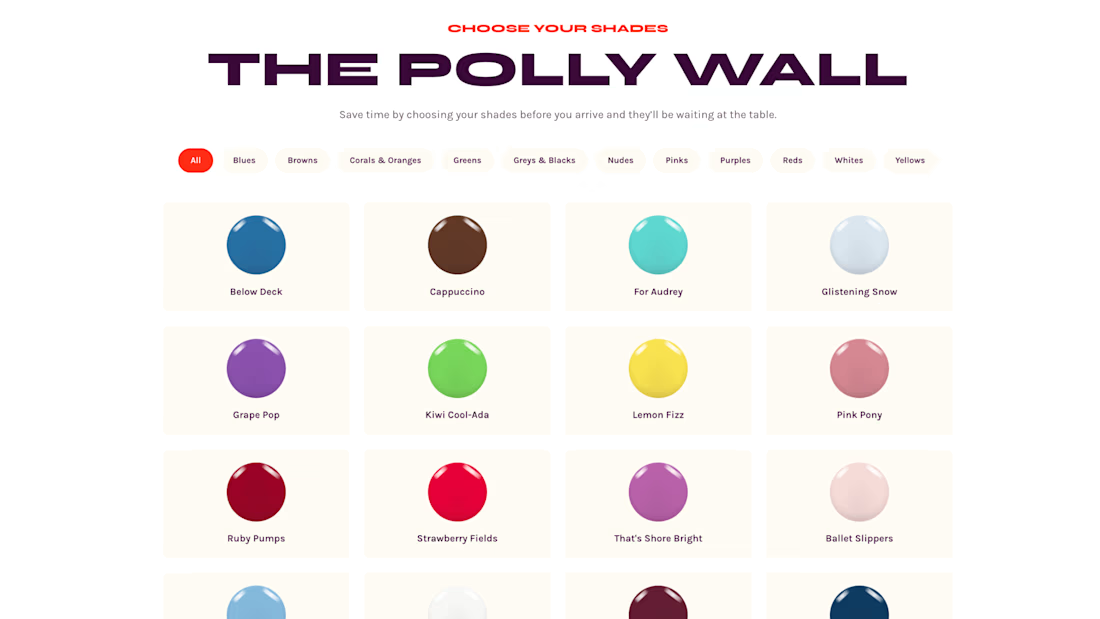
So I built Polly, an express nail studio in downtown Toronto. The problem I wanted to solve: help customers book while giving them time to choose a shade at home that they’ll actually love.
See it in action here: https://pollynails.lovable.app/
The booking flow lets customers choose their service, polish type, and up to three favourite shades. When they arrive, their shortlist is ready at their station where they can make the final call in person.
On the salon side, the team can see upcoming appointments and shade selections, manage availability, and keep the color collection up to date. It’s less decision pressure for the customer and less scrambling for the staff.
The appointment is express. The colour choice doesn’t have to be. 💅



which shade got the final vote?


SoHo — from first inquiry to confirmed session
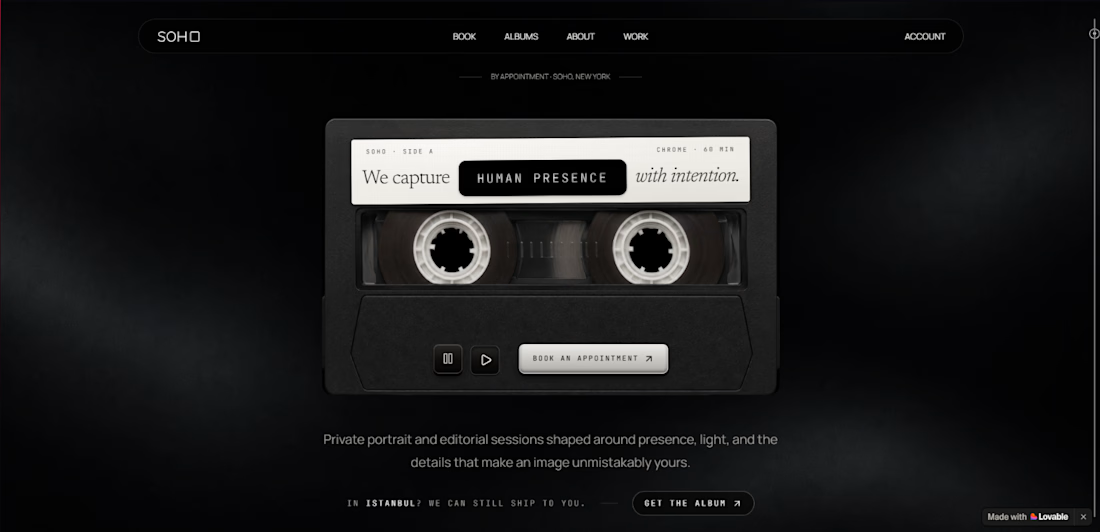
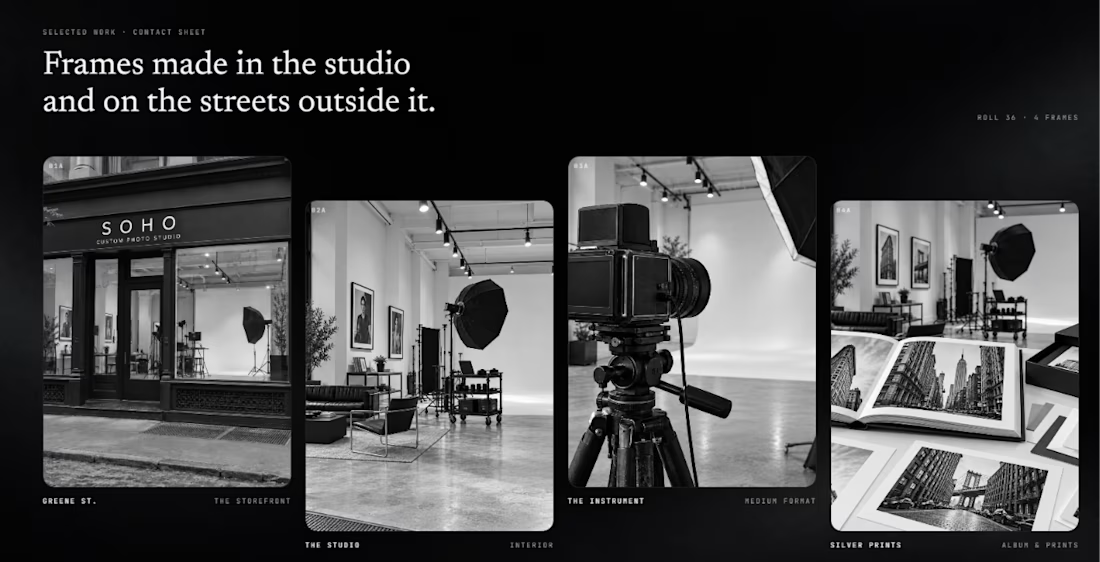
SoHo is a boutique photography studio in New York, offering private portraits, editorial shoots, and handcrafted photo albums. Its small team has to manage booking requests, session details, discounts, and customer photos while preparing for shoots.
I built SoHo in Lovable to bring that work into one connected experience.
Clients can choose a session, request a date and time, and track their booking status from their account. The studio can review requests, set approval rules, and see AI-assisted equipment suggestions for each shoot. Discounts become available at the right stage of the booking journey.
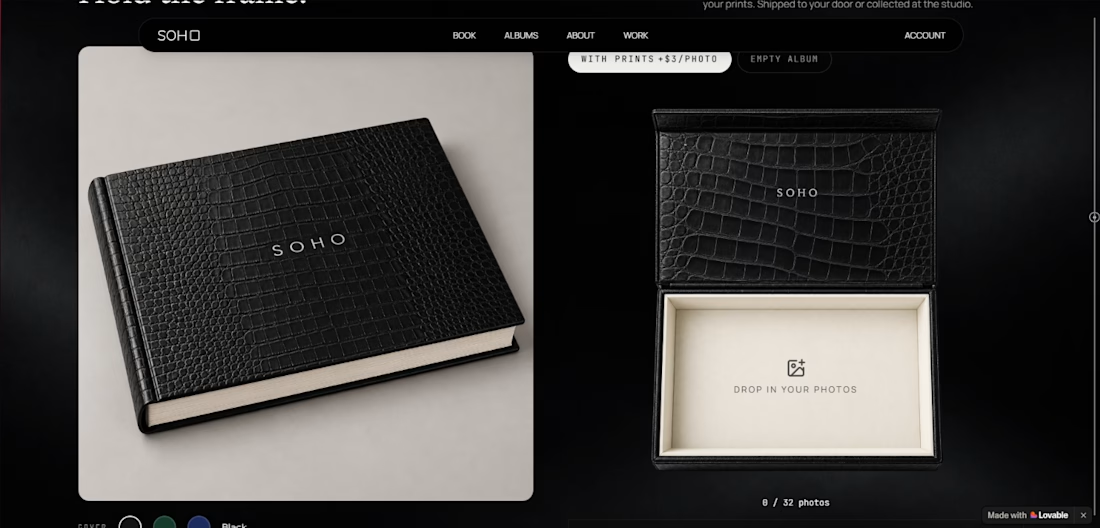
For custom albums, clients select a cover and place their photos into a digital version of the physical album box. The studio can manage the order and download all submitted photos as one ZIP file.
The goal was simple: help a small studio spend less time coordinating messages and files, and more time making the work its clients came for.
Live Lovable project: https://sohonewyork.lovable.app
The attached video walks through the finished experience.


Great job, Abdullah! The design looks neat and interesting - really good work! Keep it up! 🚀

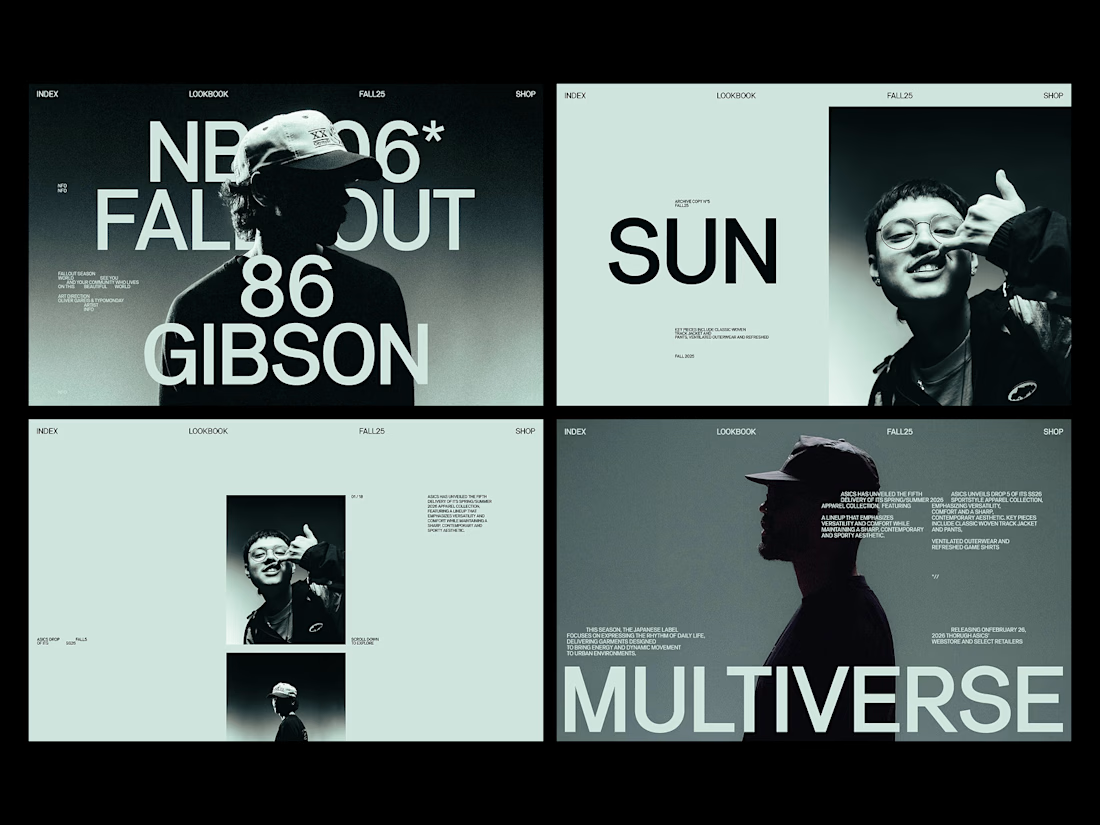
I designed some fashion-inspired editorial layout explorations for the new fashion brand ASCIS

the layout system feels sharp.