The network for creativity
Join 1.25M professional creatives like you
Connect with clients, get discovered, and run your business 100% commission-free
Creatives on Contra have earned over $150M and we are just getting started
Back to feedPost

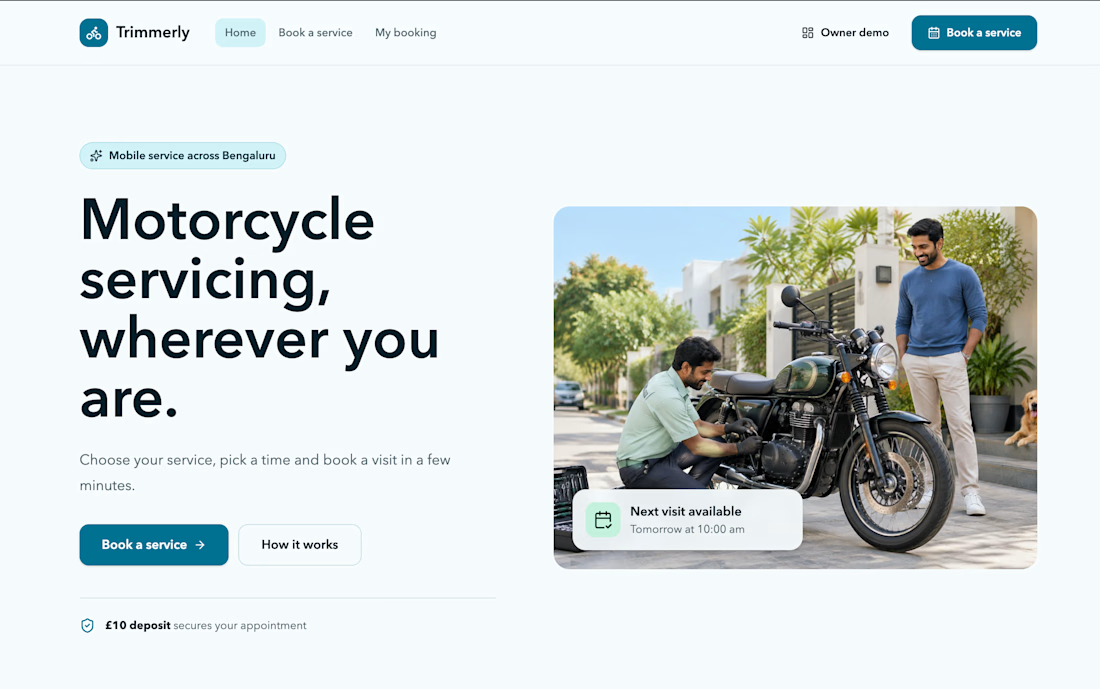
I built a booking system for a motorcycle mechanic who was spending too much time booking appointments.
Meet Trimmerly.
The problem was pretty straightforward:
A customer would message:
“Can you service my bike tomorrow?”
Then the owner had to ask:
What bike do you have? What service do you need? Where are you located? What time works? Can you make the deposit?
One booking could turn into a long WhatsApp conversation.
So I built Trimmerly in Lovable.
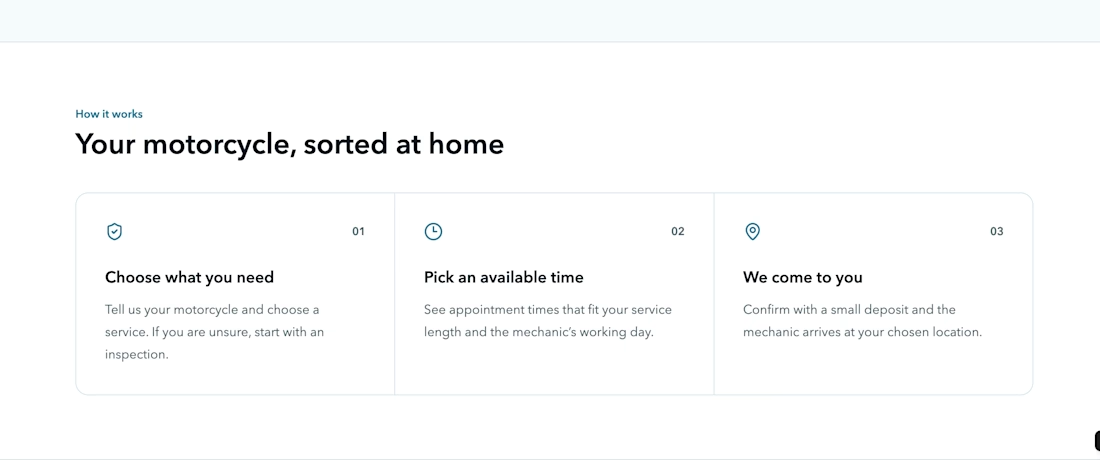
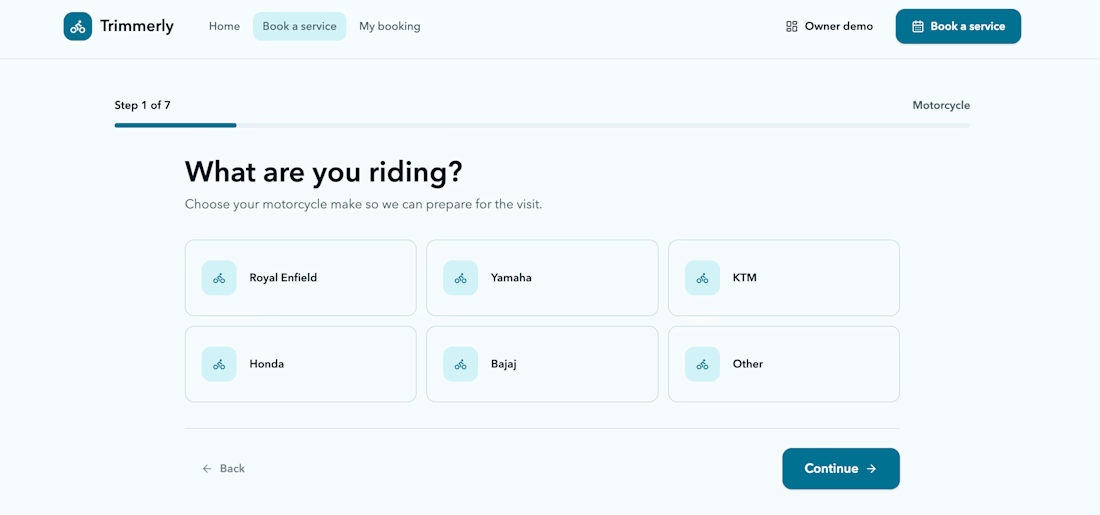
Now the customer can:
→ Choose their motorcycle → Choose the service → Enter their location → See available appointment times → Add their details → Pay the booking deposit → Get confirmed
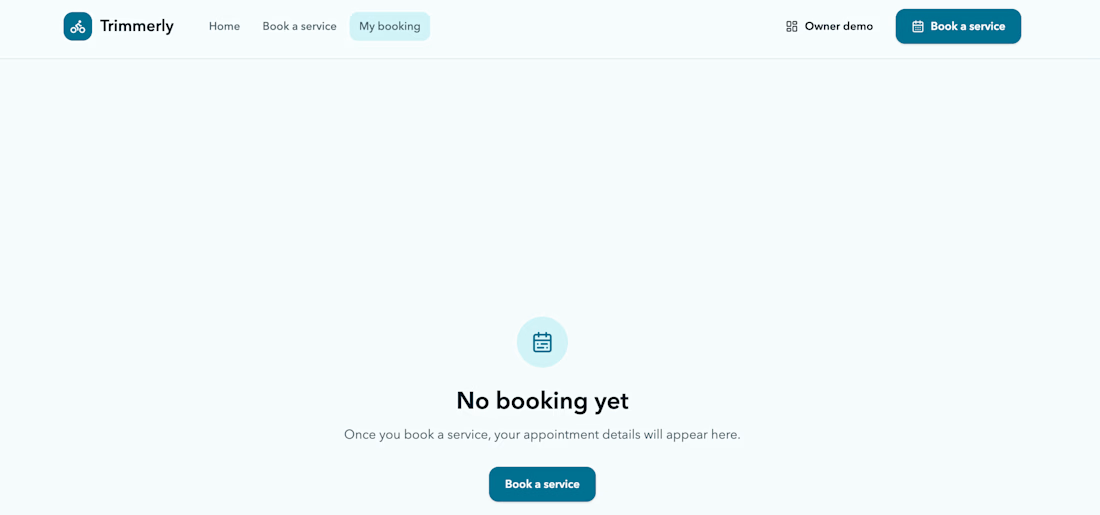
The owner gets the appointment organised automatically, along with follow-ups for incomplete bookings, reminders and rescheduling requests.
The goal was simple:
Turn “Can I book?” into “You’re booked” without making the owner manage the conversation.
Built for the Lovable × Contra challenge.
@Lovable #lovablechallenge
The network for creativity
Join 1.25M professional creatives like you
Connect with clients, get discovered, and run your business 100% commission-free
Creatives on Contra have earned over $150M and we are just getting started



Related posts

Building a Voice AI Assistant That Turns Phone Calls Into Thoughtful Follow‑Through
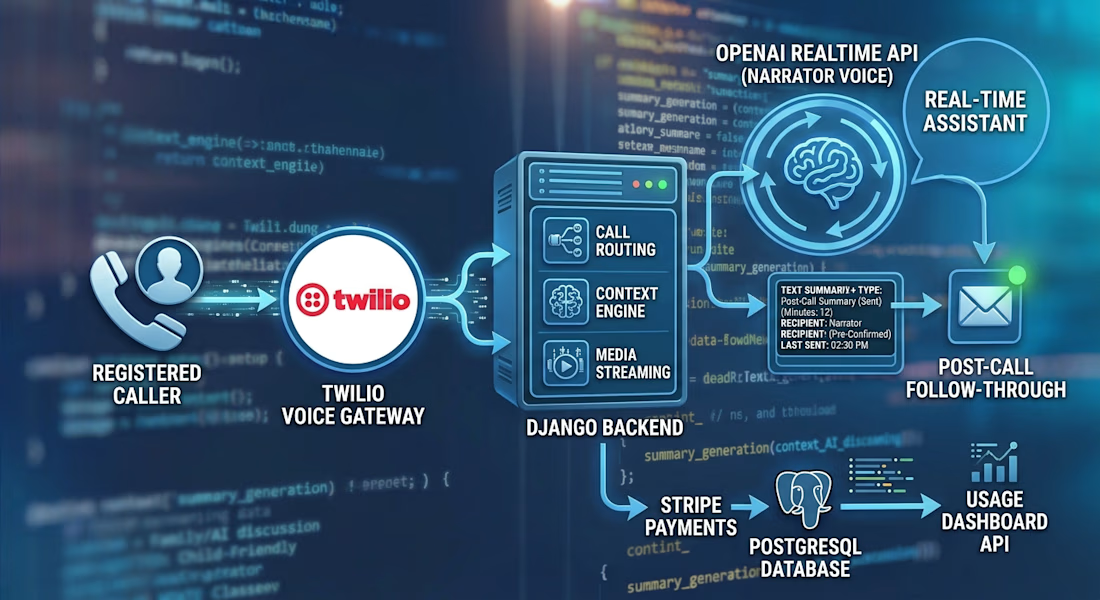
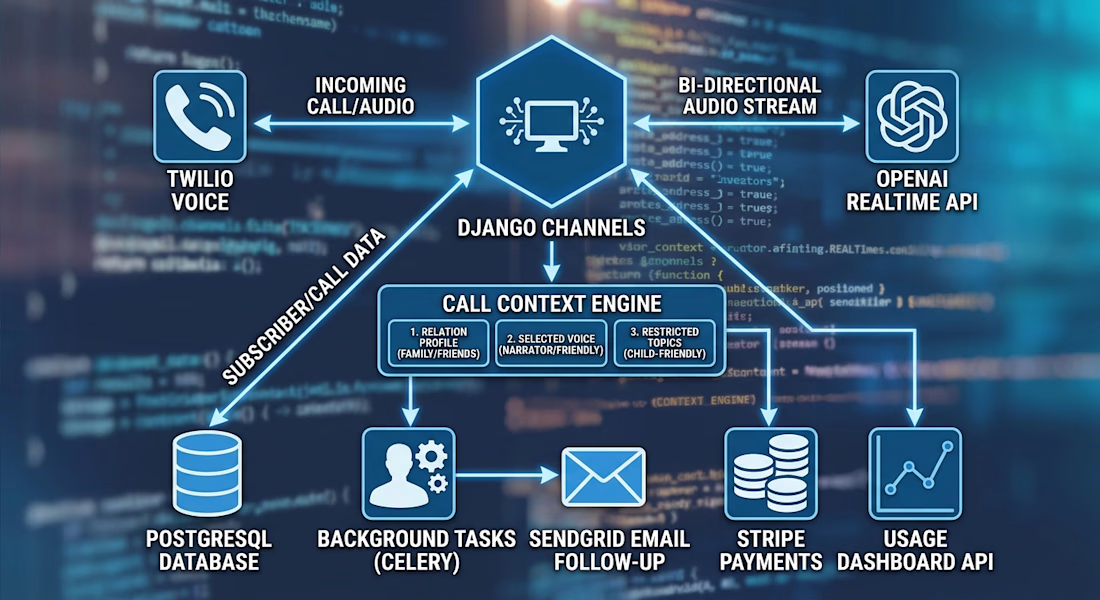
I built a Django backend for a family-focused AI phone assistant. A registered caller connects through Twilio, and Django Channels streams the call to an OpenAI Realtime session for a natural, two-way conversation.
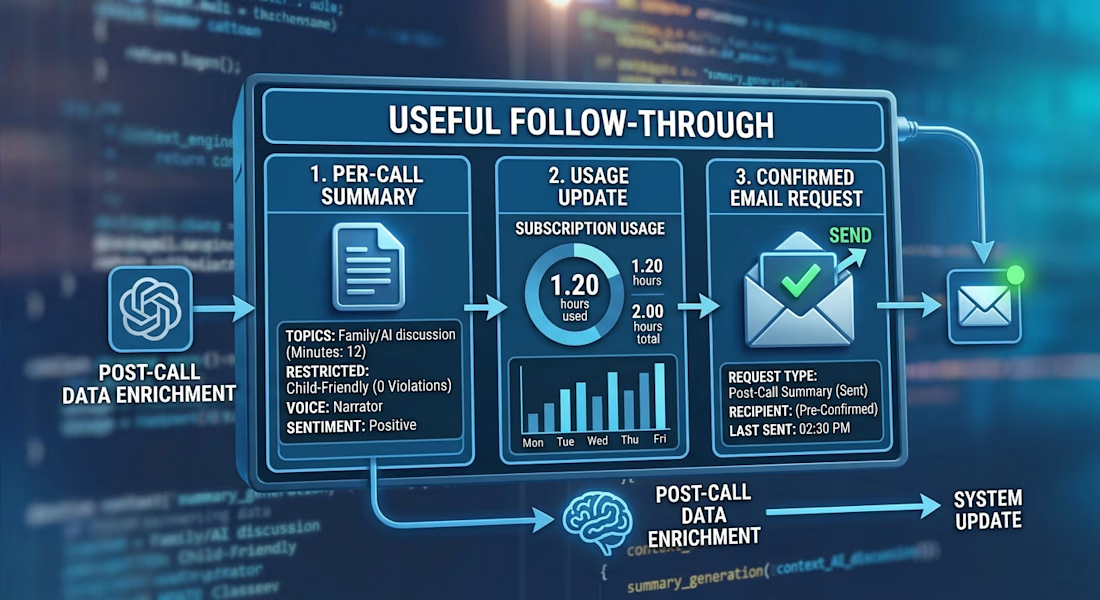
The backend adds caller-specific context, selected voices, subscription minute limits, and interruption handling. After the call, background tasks generate a separate summary. A follow-up email is sent only when requested and the recipient is confirmed.
I also built APIs for managing relations, subscriptions, and dashboard usage data. One of the most interesting parts was connecting the whole lifecycle: incoming call, real-time conversation, usage tracking, and post-call follow-through.
#Django #VoiceAI #RealtimeAI #Twilio #OpenAI #BackendDevelopment



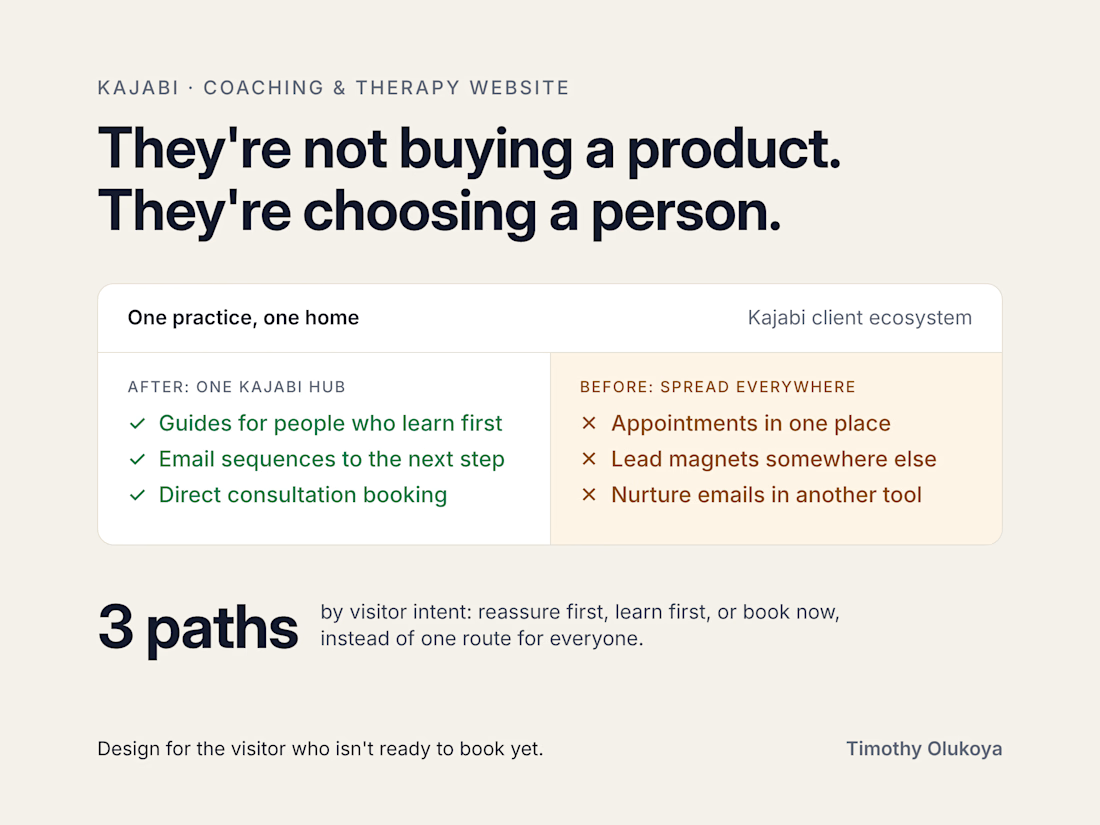
On a coaching or therapy website, people aren't buying a product. They're choosing a person.
A therapist and coach I built a Kajabi site for already had clients who trusted her deeply. Her website didn't show it. Appointments were managed in one place, lead magnets lived somewhere else, email nurturing ran through another tool, and client resources and course materials sat apart from all of it. The site explained what she did. It didn't let anyone feel what working with her would be like.
Before any design, we mapped the journey from first visit to long-term client. It split three ways:
→ People who needed reassurance before booking
→ People who wanted to learn first
→ People ready to book a consultation now
So instead of one route for everyone, the Kajabi site gives each a path: trust-first pages for the cautious, guides and automated email sequences for the learners, a short path to booking for the ready. And there's room to add courses and memberships later without a rebuild.
The "Book a call" button gets all the attention. On a site like this, what matters just as much is what the visitor who isn't ready yet can do instead.
Coaches and therapists: when someone lands on your site and isn't ready to book, what do they do next?


Some designers are waiting for flashy visuals to shine in their portfolio, but keep forgetting that the process is far more important.
Recently, I had a good opportunity
To focus on what matters for a client
The process.
The thing they can't find even with AI.
What AI can’t give a founder ↓
↳ Context: it hasn’t heard their last three customer calls
↳ A decision trail: why this positioning, and who signed off
↳ Consistency: the deck, the site and the outbound each get a different prompt, so each tells a different story
↳ One final version: nobody is sure which file is the real one
Most AI-built brands don’t fail on speed or creativity.
They fail on the structure around the output.
So I built that structure before the project starts.
Every client gets a private portal on day one ↓
→ A Loom walkthrough from me
→ About 20 onboarding questions on their business and customers
→ A brief drafted from their answers: AI drafts, they approve, then it locks
→ One page per phase, with its own comments
→ 3 revision rounds on the logo and the landing page
→ Start and end dates they can see
The point?
Visuals get you noticed.
Process gets you hired.
What does your portfolio show: the final visuals, or how you got there?