The network for creativity
Join 1.25M professional creatives like you
Connect with clients, get discovered, and run your business 100% commission-free
Creatives on Contra have earned over $150M and we are just getting started
Back to feedPost

HUSH
Hush is a bedside object designed to replace phone use at night
The problem is specific:
People wake briefly and reach for their phones to check the time or confirm their alarm; this introduces light and information that increase alertness and make it harder to return to sleep
The design focuses on reducing this interaction to its minimum form, the display uses e-ink to eliminate blue light and reduce visual stimulation
A large top button provides immediate access to reassurance and allows the user to snooze or check the time without needing visual precision
A textured knob is used for alarm setup and adjustments during the day, ensuring a secure grip and clear tactile feedback
At night,
One press reveals the time
The light is low and diffused
The display fades automatically
The device returns to a dormant state
The user does not need to read, decide, or navigate
The product is designed to function within a half-awake mental state


The network for creativity
Join 1.25M professional creatives like you
Connect with clients, get discovered, and run your business 100% commission-free
Creatives on Contra have earned over $150M and we are just getting started
Related posts


Celvana brand identity & packaging for a red light therapy brand launching in the US.
The category is crowded with identical, unbranded panels. Celvana sells precision, so the brand had to look like medical equipment you can trust: clinical, exact and professional.
Brand identity case study
Packaging case study

This is high end branding

AI can generate a dashboard. But can it give a product its own identity?
The first design was created by my client using AI a familiar dashboard style you've probably seen across countless AI-generated products.
I redesigned it to feel less generic and more intentional, with a distinctive visual identity, clearer hierarchy, and an experience built around meaningful celebrations.
The goal wasn't just to make it look better. It was to make it feel like its own product.
What do you think is missing from most AI-generated interfaces?
#ProductDesign #UIDesign #AI

5 voted
23%
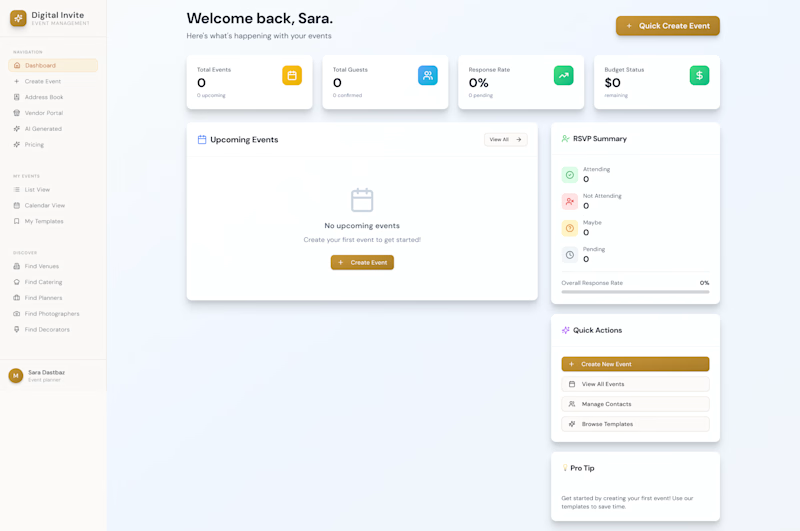
17 voted
77%
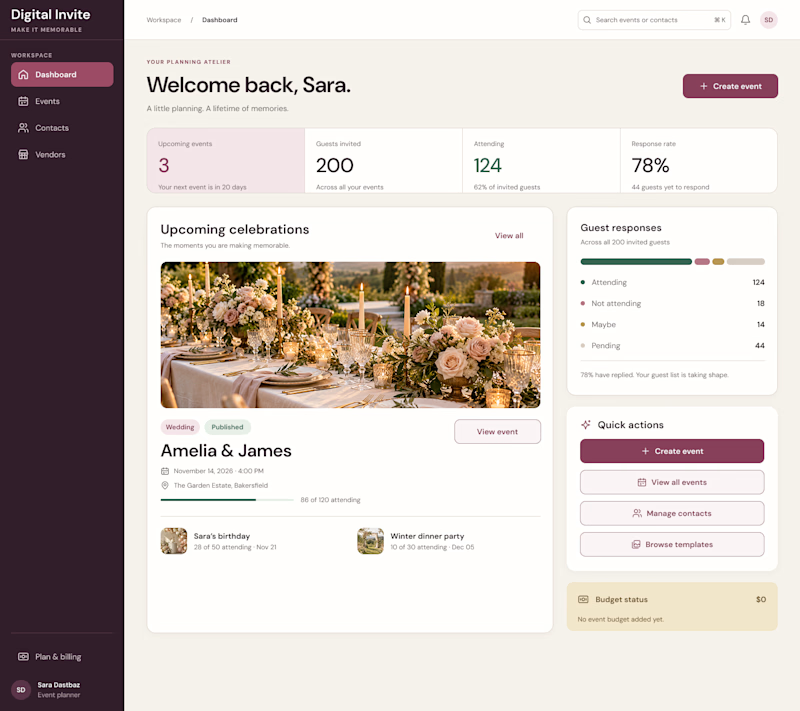
22 votes
Closed

I think personality is what makes a product stand out. A clean design is good, but it should also feel unique and memorable. 👏




Awesome dude