The network for creativity
Join 1.25M professional creatives like you
Connect with clients, get discovered, and run your business 100% commission-free
Creatives on Contra have earned over $150M and we are just getting started
Back to feedPost

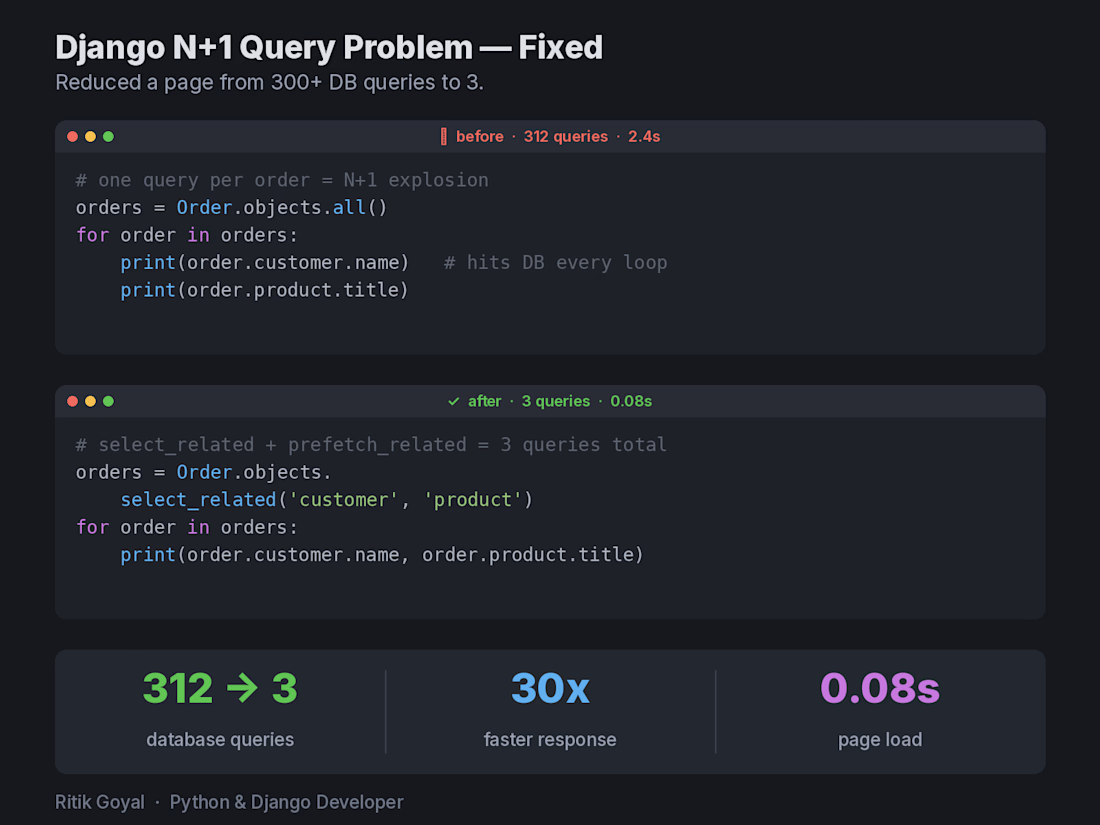
Spent an afternoon this week chasing down why a client's order dashboard took around 2.5s to load.
Turned out the page was firing 300+ database queries. Classic N+1 problem. Every order in the loop was making its own separate trip to the DB just to grab the customer and product.
One line fixed it. select_related() tells Django to pull the related rows in a single JOIN instead of querying them one at a time.
312 queries down to 3. Page load went from 2.4s to 0.08s.
The annoying part is this never shows up on small datasets in dev. It only bites you in production once the table grows. So now I always check the query count in Django Debug Toolbar before shipping any list view.
What's the worst N+1 you've run into?
Django REST frameworkbackendengineeringSoftware ArchitectureSoftware DevelopmentAzure SQL DatabasePython


The network for creativity
Join 1.25M professional creatives like you
Connect with clients, get discovered, and run your business 100% commission-free
Creatives on Contra have earned over $150M and we are just getting started





Related posts

Then: 1 month, 1 template.
Now: 1 week, 15 templates.
Same designer, different workflow.
I wrote up how I built no-code.supply: fifteen website templates, each with its own brand, in HTML and React, and some in Framer too. Claude Code did most of the typing. I did the directing.


no-code.supply
How I built 15 website templates with an AI coding agent in a week
How I built 15 AI-ready website templates with Claude Code in a week: the workflow, the quality bar, and why a template is only the starting point.

Going from one template a month to fifteen a week is wild. How much of the design direction did you still do by hand?

A marketing team asked me for a landing page last week.
I asked how many they would need this year.
The answer was "a few per campaign."
That changes the whole build.
A single page is 10 to 14 hours.
A reusable template is closer to 30.
But after the template exists, their team builds a new page in under an hour. No developer. No ticket. No waiting on me.
It pays for itself by the third page.
If you're requesting pages one at a time, ask your developer what it would take to stop.
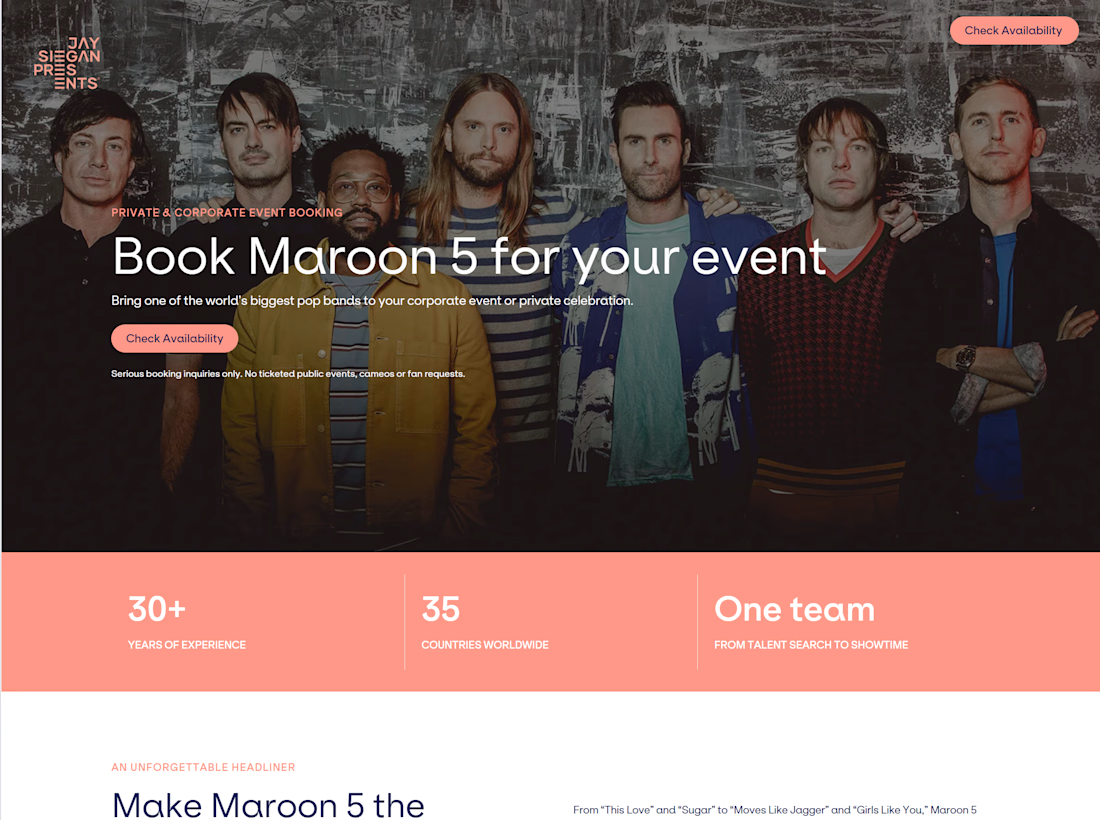
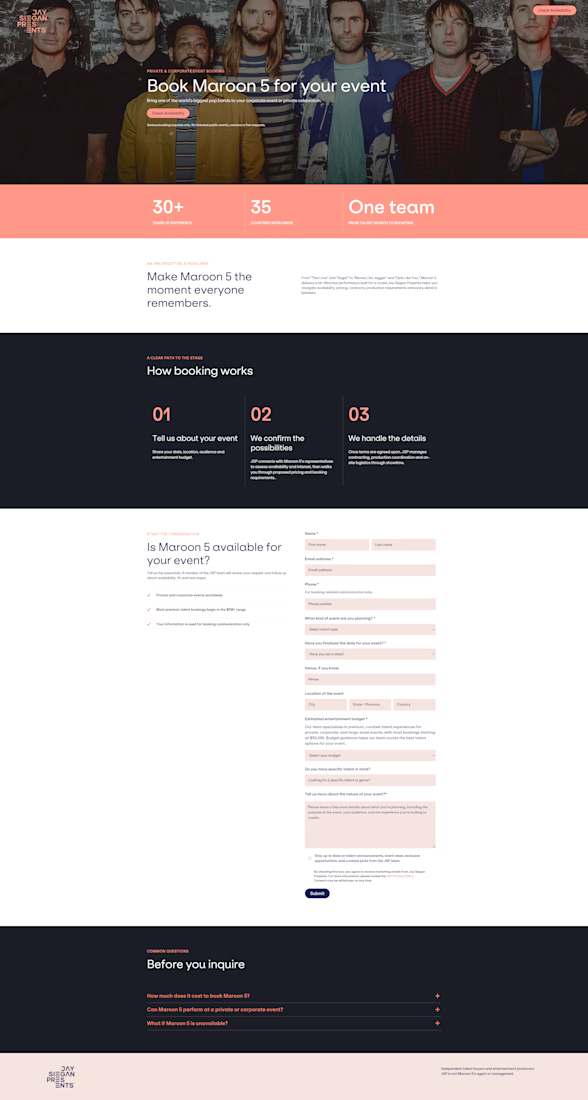

Landing pages under deadline pressure are where structure matters most — one clear CTA and proof up top beats clever every time.

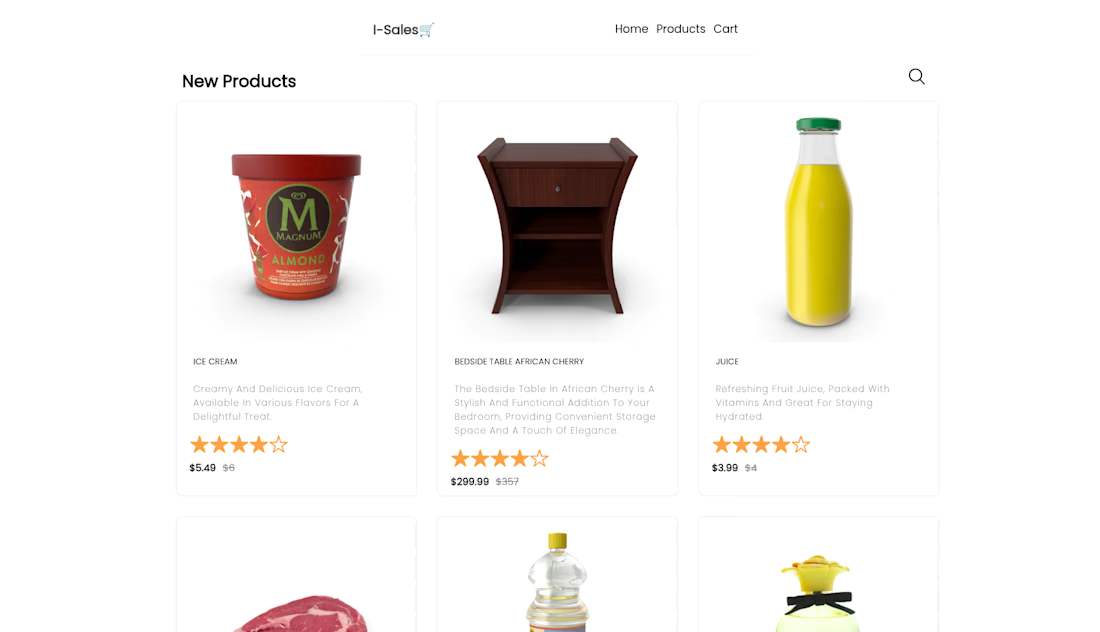
I-Sale (demo shopping webapp)
A dynamic online store optimized for discovery and interaction, featuring a real-time live search interface and a streamlined checkout mockup for seamless navigation from cart to completion.



Lovely 😍