The network for creativity
Join 1.25M professional creatives like you
Connect with clients, get discovered, and run your business 100% commission-free
Creatives on Contra have earned over $150M and we are just getting started
Back to feedPost

Over the past six months we've completed more technical audits than ever before. More founders are choosing to review their products before investing in new features or scaling and that shift makes sense.
Technical debt rarely appears overnight. It builds quietly until releases slow down, bugs pile up or security issues become impossible to ignore. A technical audit helps founders understand where the real risks are and what should be fixed first.
One recent audit for a SaaS platform serving independent wellness practitioners made this clear. The product already had beta users, but we identified 23 critical issues across the booking flow, payments, data consistency and access controls. The biggest issue was the booking experience itself, resulting in a 0% conversion rate despite everything looking fine on the surface.
Instead of delivering another report, we created a prioritized roadmap that showed what to fix first, what could wait and where the biggest impact would come from.
That's the value of a technical audit. It replaces assumptions with evidence before technical debt becomes a business problem.


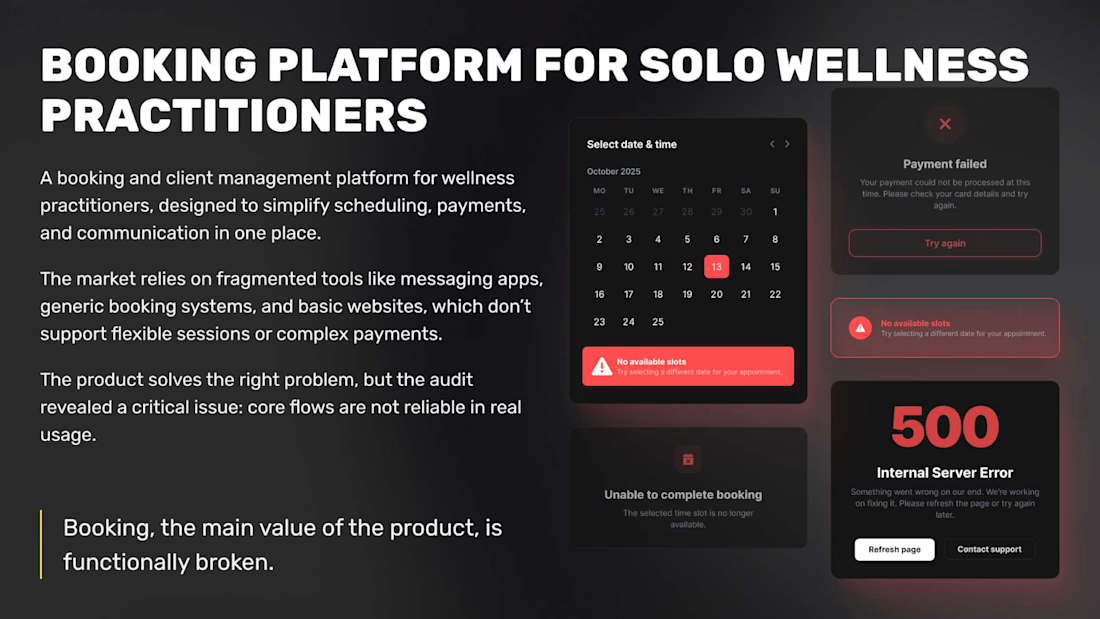

Red error cards on the dark slide make the broken booking flow hit instantly. Did the prioritized roadmap change what the client fixed first?
The network for creativity
Join 1.25M professional creatives like you
Connect with clients, get discovered, and run your business 100% commission-free
Creatives on Contra have earned over $150M and we are just getting started



Related posts

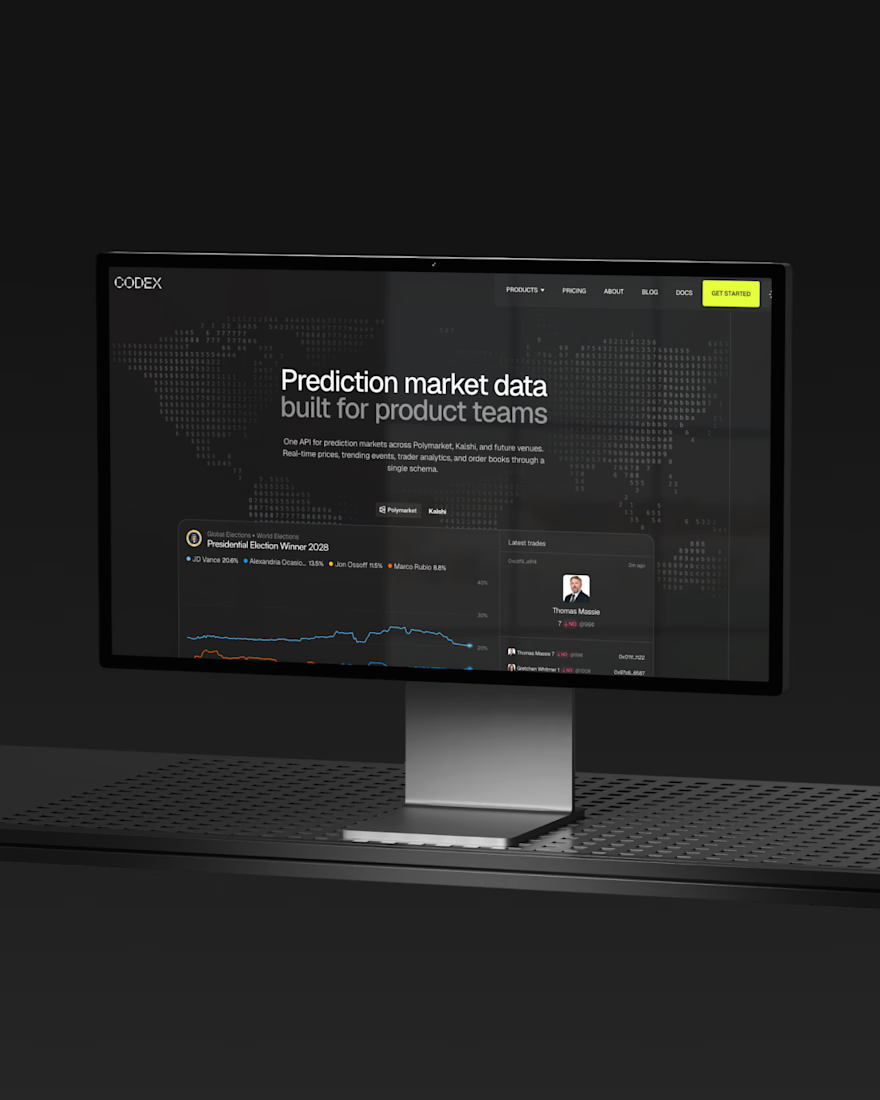
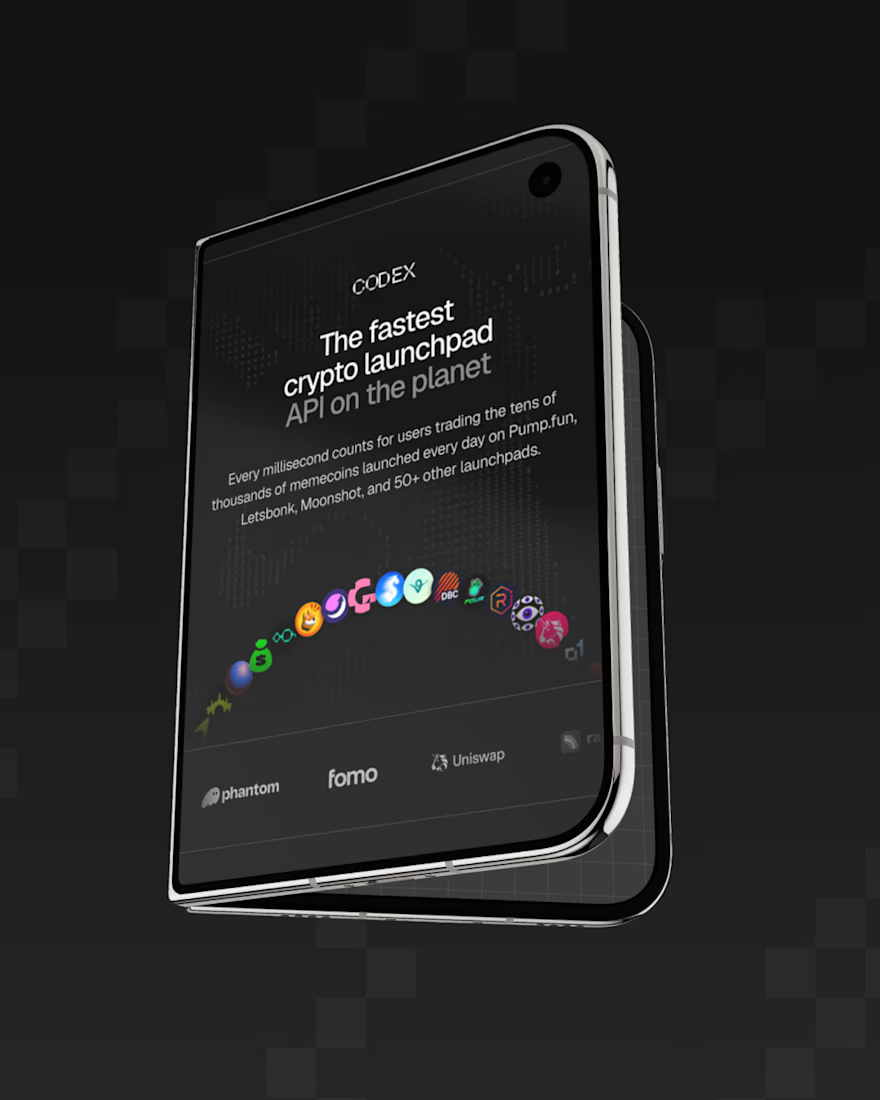
Excited to share the latest web redesign projects for Codex⚡
The goal was to pair technical credibility with a more approachable, modern financial aesthetic while preserving the depth and complexity that make Codex a high-profile data provider.
The result is a visual direction designed to resonate across the spectrum, from crypto builders and neofinance founders to enterprise-scale exchanges like Coinbase. 💻




Love the logo on the keyboard key

The first thing I created for LedgerFlow wasn't a screen.
It was a set of questions.
I'm kicking off a new concept project: **LedgerFlow, an accounting and financial management SaaS platform for small businesses, freelancers and independent business owners.
The goal is to design a website that helps visitors understand what the product does, how it helps their business, and why they should book a demo.
But before opening Figma, I needed to understand the business.
So I created a website discovery and brand strategy questionnaire.
It covers:
→ Brand vision and business goals.
→ Target audience.
→ Website goals and user experience.
→ Branding and visual direction.
→ Services and offers.
→ Project direction and logistics.
I want to understand things like:
Who exactly are we designing for?
What problem does the product solve?
What makes it different from traditional accounting software?
What should visitors understand within the first few seconds?
And what would make them confident enough to book a demo?
Because the answers will influence the website's messaging, content, visual hierarchy and calls to action.
You can't design a clear experience when you don't understand what the business needs to communicate.
LedgerFlow is a concept project, but I'm treating the process like a real client engagement.
I'll be sharing the journey from discovery to website structure, UI design and Webflow development.
And if you're building a SaaS product or need a website that communicates your business value clearly, I'm open to website design and Webflow projects.
Let's talk about what you're building. 🤝

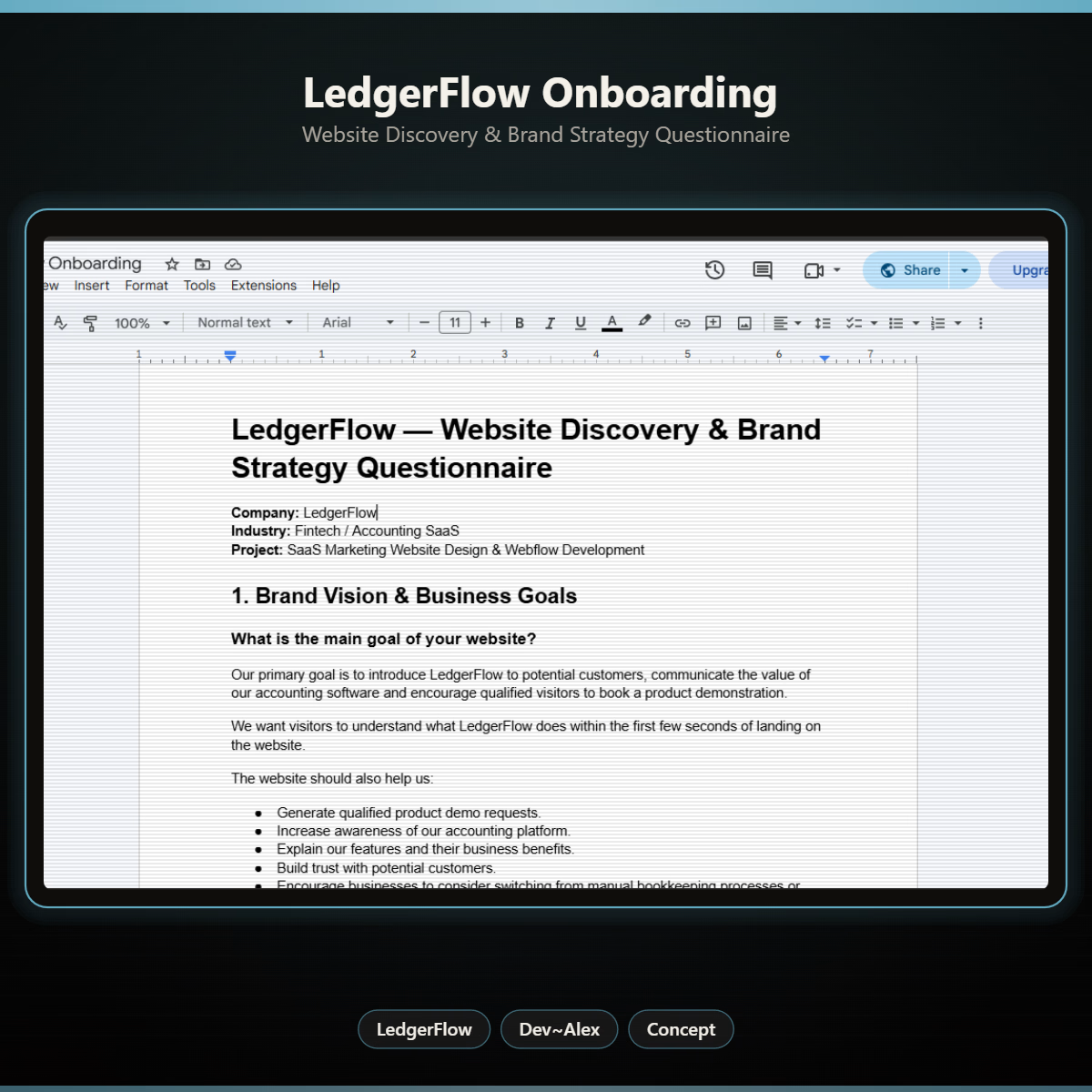
Starting with a discovery questionnaire instead of a screen is how good briefs begin, and "explain what LedgerFlow does in the first seconds" is the right goal to design around. Will the answers become a one page brief?

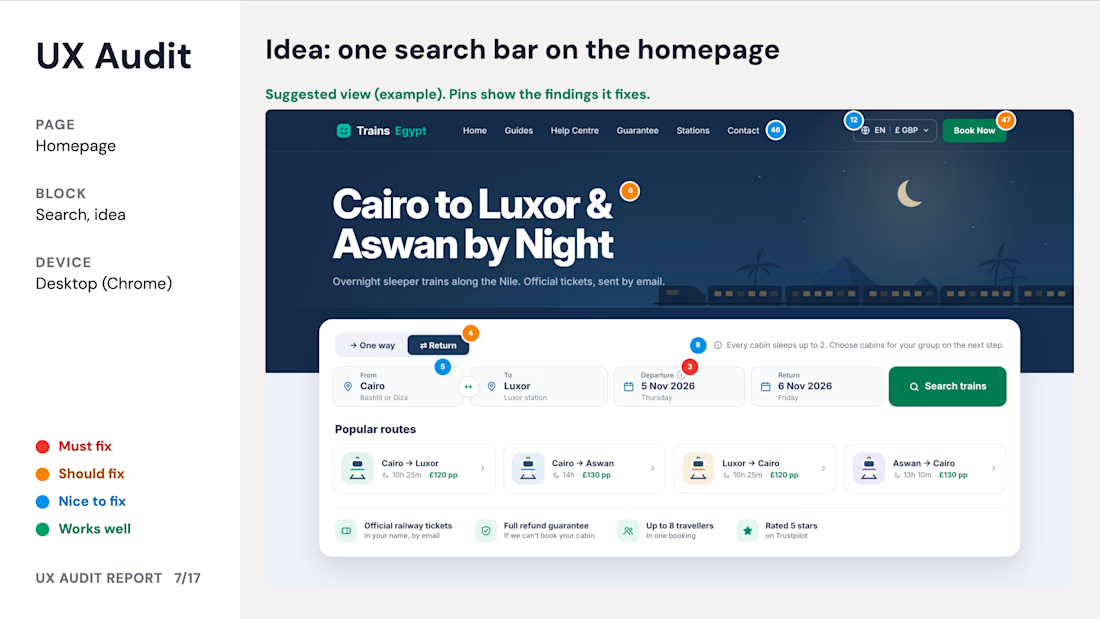
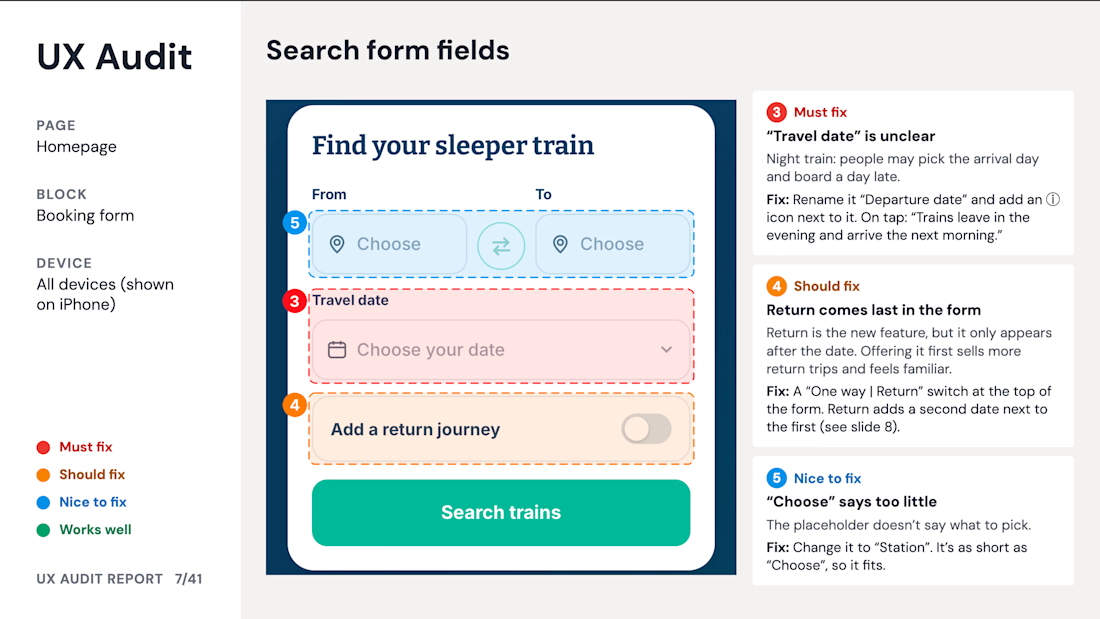
Lately I get a lot of requests for product audits (in terms of UX/UI and sometimes even with suggestions for CX!!). Most of them are new products built fast, often with AI
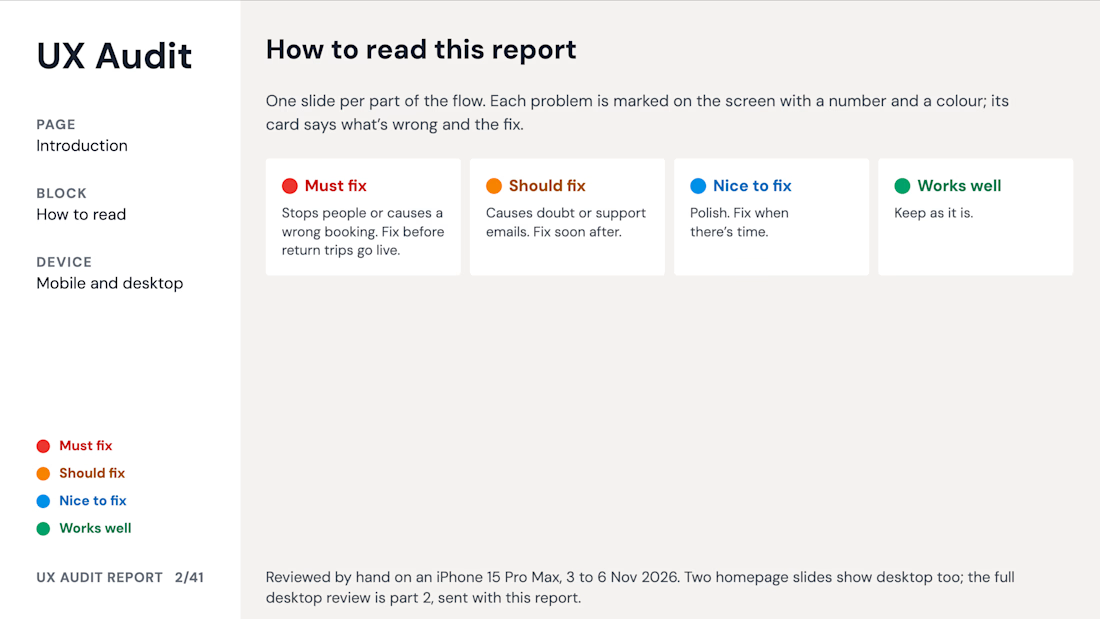
I just finished 1 for a train booking site: 2 reports, mobile and desktop, 54 findings. Every finding has a number, a screenshot with the problem marked, why it matters to the customer, the exact fix and a priority
The format is the point - > you can hand it to your developer or straight to Claude and it can apply the fixes one by one
If you're about to launch something new and want a designer's eyes on it first, send me a message 😉
Btw, how often do you audit your product? I think it should happen before every launch and in the process with received data