The network for creativity
Join 1.25M professional creatives like you
Connect with clients, get discovered, and run your business 100% commission-free
Creatives on Contra have earned over $150M and we are just getting started
Back to feedPost

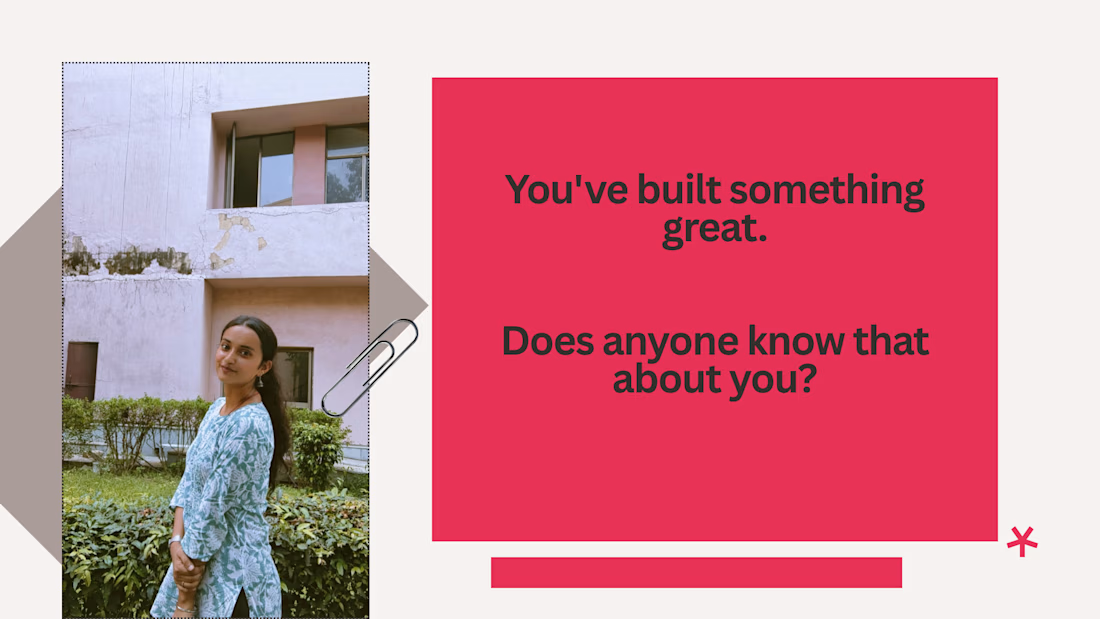
Most founders and coaches have real expertise. Their LinkedIn doesn't show it.
I'm Jyoti. I help founders and coaches turn what they know into a LinkedIn presence people actually notice.
Here's what I do:
→ Turn your ideas, stories, and frameworks into LinkedIn posts in your voice
→ Plan your content with a clear monthly calendar
→ Write a newsletter that keeps your audience warm
→ Manage LinkedIn end to end: posting, engagement, and growth strategy
The goal isn't more posts. It's authority, so people think of you when they need what you offer.
I've added a few LinkedIn post samples to my profile. Take a look, and DM me if you want your expertise to sound like you, just louder.
The network for creativity
Join 1.25M professional creatives like you
Connect with clients, get discovered, and run your business 100% commission-free
Creatives on Contra have earned over $150M and we are just getting started








Related posts


Just built Scoutr 🚀
Your personal AI scout that keeps you up to date with AI news, tools, and trends that actually matter to your role and industry.
Simply connect your LinkedIn profile, and Scoutr figures out what's relevant to you.
Here's a quick demo of how it works 👇
Check it out: https://heyscoutr.ai/


Wow, Thanks for sharing it. I would definitely consider to try it out

What a motivation for newbies like me.

Just hit my first $10,000 on Contra 🥳🎉
I joined Contra a while ago without really knowing what to expect, and it’s been really nice to see it gradually become a place where I’ve met great clients and worked on projects I genuinely love.
Here’s to the next one 🥂

congratulation Elodie

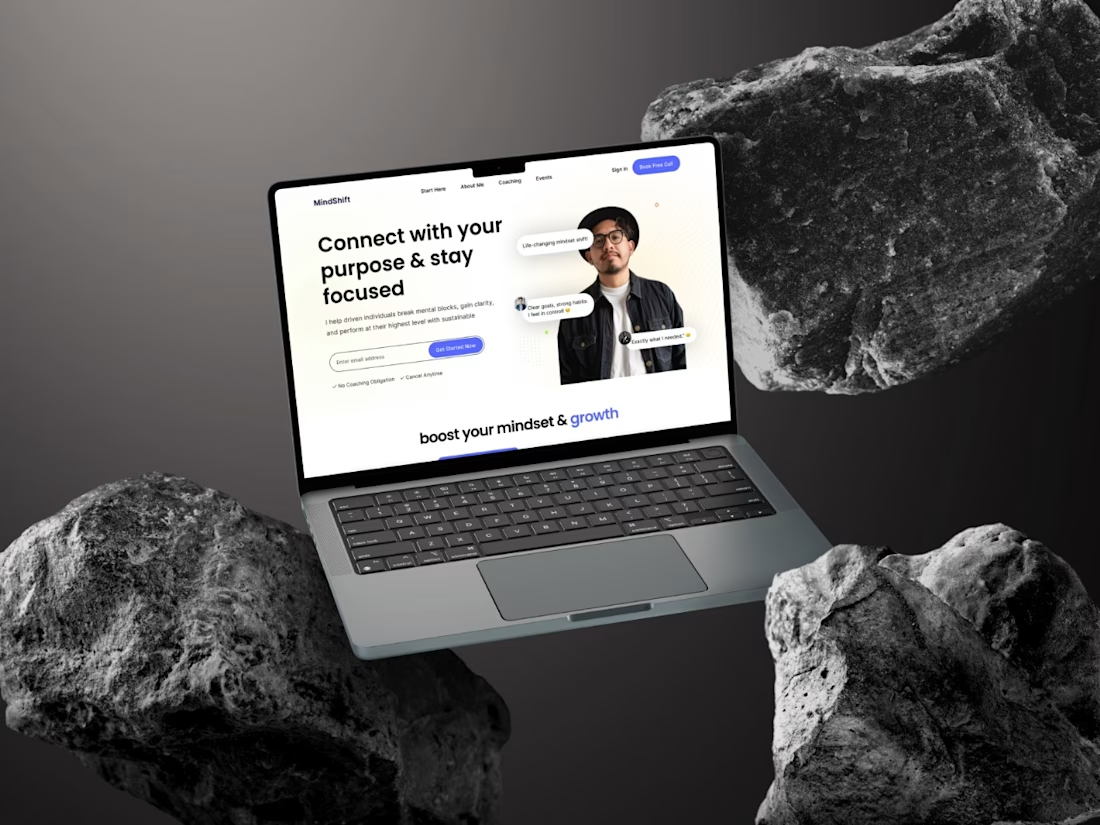
I designed the website for MindShift, a coaching brand for driven people who want to break mental blocks and stay focused. Coaching sites often lean on vague, motivational language, so I wanted this one to feel clear, calm, and credible.
The headline names the outcome. “Connect with your purpose & stay focused” leads, followed by one plain sentence on who the coach helps and how. Visitors know within seconds if the site is for them.
A low-pressure first step. The hero has one email field and a “Get Started Now” button. Right under it, “No Coaching Obligation” and “Cancel Anytime” remove the fear of committing before someone has even joined the list. A “Book Free Call” button in the navigation gives warmer visitors a faster route.
Real faces and real words. The coach’s portrait sits in the hero, with short client quotes floating beside it, like “Life-changing mindset shift!” and “Clear goals, strong habits. I feel in control.” Proof appears in the first view instead of lower down.
Color with purpose. The page is clean white, with a single indigo-blue used for the buttons and the word “growth” in the next headline. The eye goes where the action is.
A simple menu. Start Here, About Me, Coaching, and Events cover the whole journey from curiosity to booking.