The network for creativity
Join 1.25M professional creatives like you
Connect with clients, get discovered, and run your business 100% commission-free
Creatives on Contra have earned over $150M and we are just getting started
Back to feedPost


The industry standard for field service scheduling shows three to four technicians at a time, surrounded by completed appointments that are no longer relevant. Dispatchers spend their day mentally filtering noise just to see what is actually happening.
We designed a view where the full team's day is visible at once. All technicians, all AI-powered routes, who is running late, who has gaps, accessible from one place without opening a single individual profile. The view scrolls dynamically with time so completed appointments drop away and the focus stays on what still matters.
For a team of 150 technicians, the filter lets the dispatcher narrow to a specific group, region, or area in seconds. Tomorrow's schedule is already built before anyone starts work because the AI pre-builds routes based on recurring appointments.

This is a thoughtful rethink of the scheduling view—keeping the whole team visible makes operational context much easier to scan. The dynamic filtering and pre-built routes also feel like a strong balance between information density and decision speed.

That noise-filtering problem is such an underrated pain point, most scheduling tools respond by piling on more data instead of removing it. What convinced dispatchers to trust a leaner view instead of asking for all the old columns back?
The network for creativity
Join 1.25M professional creatives like you
Connect with clients, get discovered, and run your business 100% commission-free
Creatives on Contra have earned over $150M and we are just getting started
Trending
retrofuturism
Share your favorite designs from the past exploring the distant future. Or your own take on the aesthetic 🚀
halftone
Dots. Texture. Grain. Let's see your designs using the halftone technique.

Midjourney
Creatives are showing off what they're making with Midjourney.
colorgrade
Video editors sound off: How do you enhance the mood of your video in color grading?
Challenges
View all


Related posts

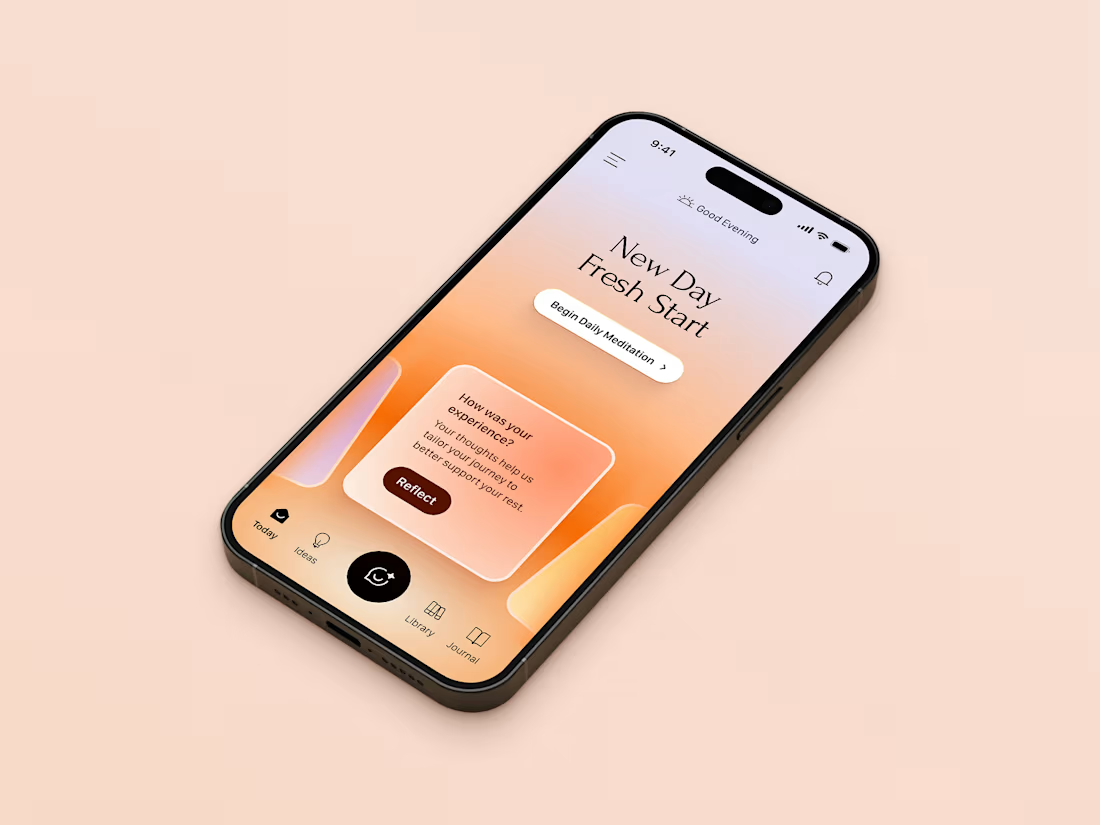
Daily Ritual & Feedback Flow. The screen combines a time-aware greeting with a low-friction CTA to begin a daily session, followed by a lightweight post-session feedback card designed to feel like a gentle check-in rather than a survey.



Beautiful color combination that looks so smooth, Max 🤌

From conversations to follow-ups.
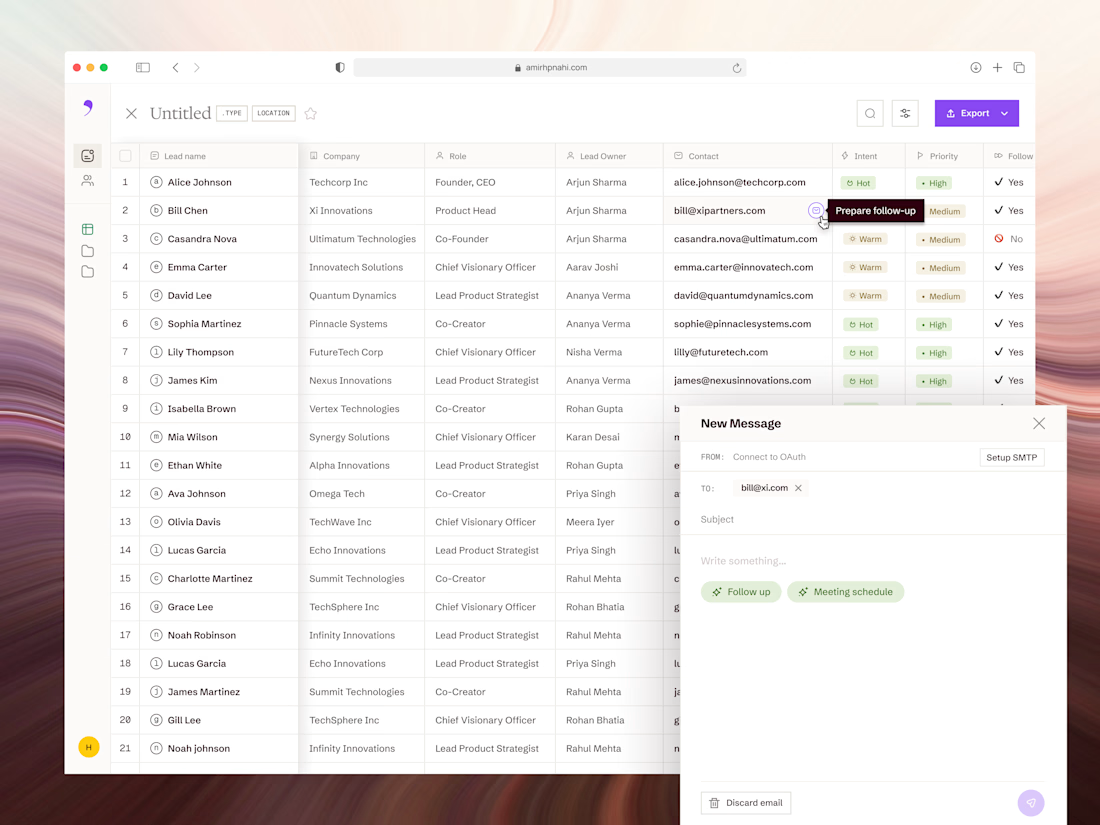
The core workspace of Rectraa — where extracted leads, conversation context, intent, and contact information come together in one place.
But collecting leads is only the first step.
Rectraa also helps you take the next one — send personalized email follow-ups directly from the extracted data.
Upload a conversation. Extract the lead. Understand the intent. Follow up. Keep the conversation moving.
The design challenge was to make a data-heavy workspace feel simple enough to actually work from, not just look at.
Turn conversations into leads. Then turn leads into conversations.
Building Rectraa, one screen at a time.
Check it out: rectraa.com

Good job

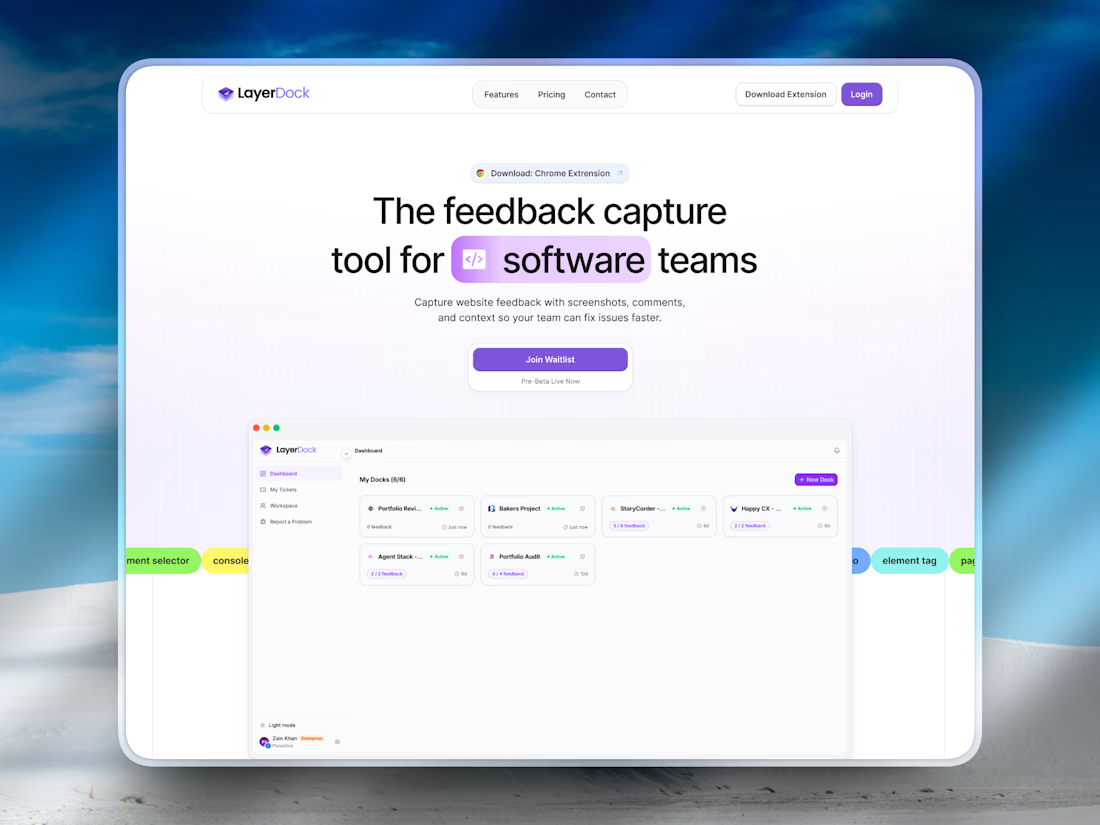
Hero exploration for LayerDock, a visual feedback tool for websites & apps