The network for creativity
Join 1.25M professional creatives like you
Connect with clients, get discovered, and run your business 100% commission-free
Creatives on Contra have earned over $150M and we are just getting started
Back to feedPost

Shopify Smart Order Automation — High-Volume Workflow Engine
Role: Backend & E-Commerce Automation Developer
Tech Stack: Shopify Admin API (REST/GraphQL), Webhook Event Handlers, Node.js / JavaScript, JSON Payload Handlers
The Overview:
As e-commerce brands scale, manual order management quickly becomes a major operational bottleneck. High-volume storefronts frequently waste hundreds of hours manually reviewing incoming orders, sorting risk flags, tagging specialized items, and routing orders to different fulfillment partners.
I engineered a custom Smart Order Automation Engine to solve this problem natively—handling real-time order processing through Shopify Webhooks and the Admin API without relying on expensive monthly SaaS subscriptions.
What Was Delivered:
Real-Time Event Interception: Built custom webhook listener endpoints that capture incoming orders/create and orders/updated events instantly as transactions occur.
Intelligent Rule Processing & Auto-Tagging: Implemented automated business logic to evaluate order payloads and auto-assign tags based on customer tier, VIP status, order value, payment risk, and product categories.
Automated Order Routing & Status Workflows: Configured automated execution routines to pass specific items directly to third-party logistics (3PL) suppliers or hold flagged orders for internal review.
Shopify Admin API Integration: Programmatically updated order states, internal staff notes, and customer metadata via secure API calls in seconds—completely removing manual input.
Error Handling & Retry Mechanics: Built robust payload validation and exception handling to ensure zero dropped order events during sudden flash-sale traffic surges.


The network for creativity
Join 1.25M professional creatives like you
Connect with clients, get discovered, and run your business 100% commission-free
Creatives on Contra have earned over $150M and we are just getting started

Challenges
View all


Related posts

My portfolio is live
I'm Daniel, a Design Engineer. I have designed, built, and scaled products from 0 to thousands of users and figures in revenue.
I can own any product phase, from concept and design to build, launch, and growth.
I'm open to product, brand, motion, and web design and development roles.
V1: https://danielbryte.com
Designed and developed by me.


I love the left panel on the case study page. 😍

A website should make the product easy to understand.
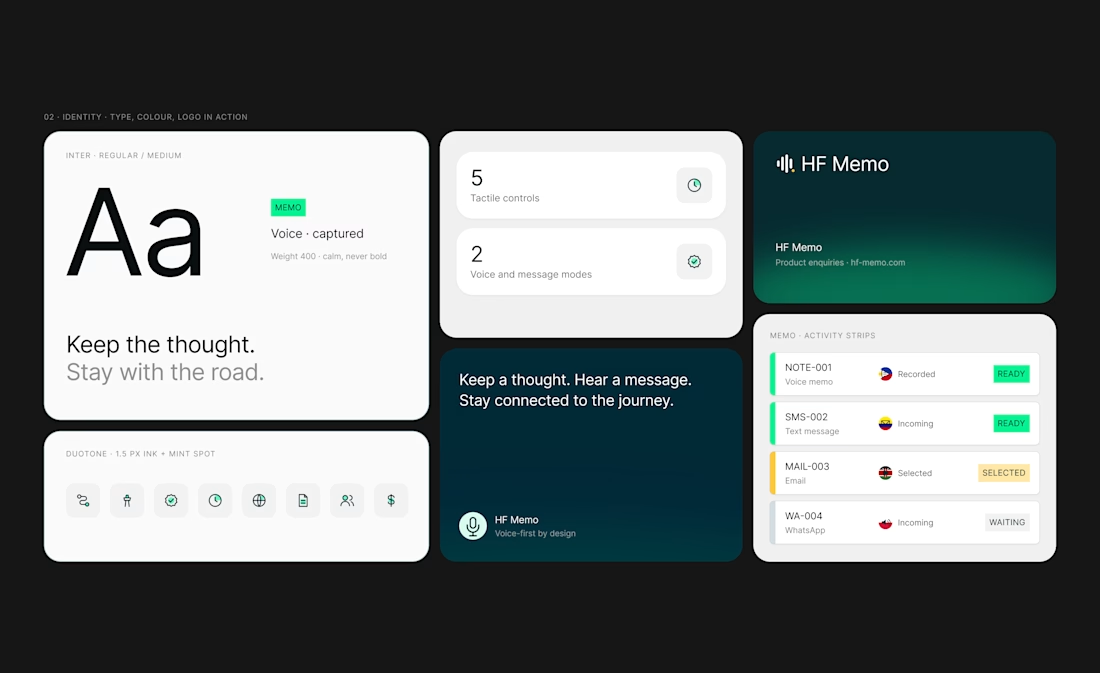
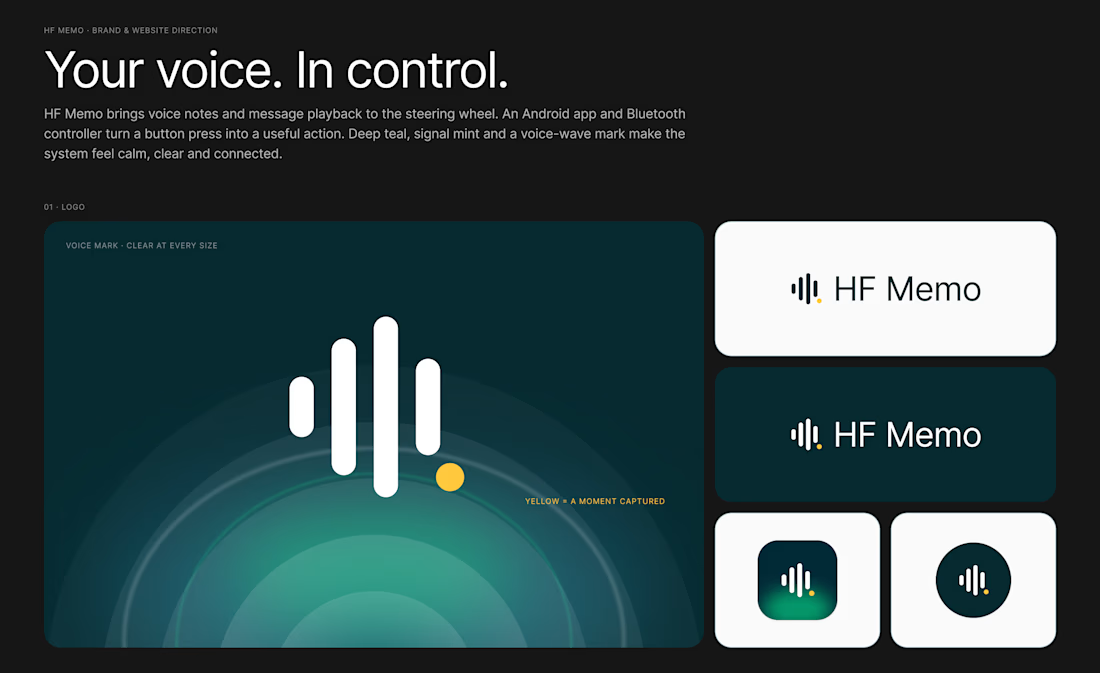
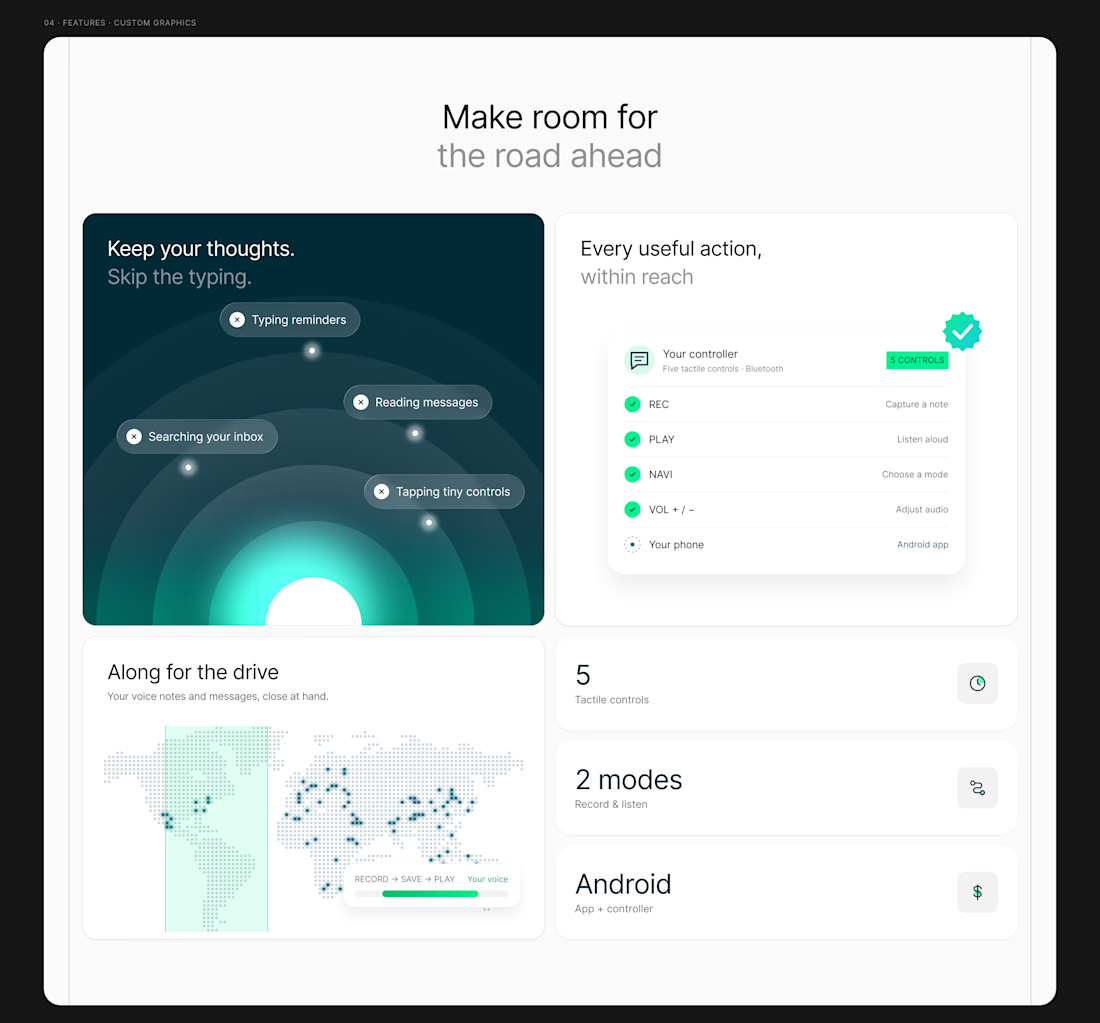
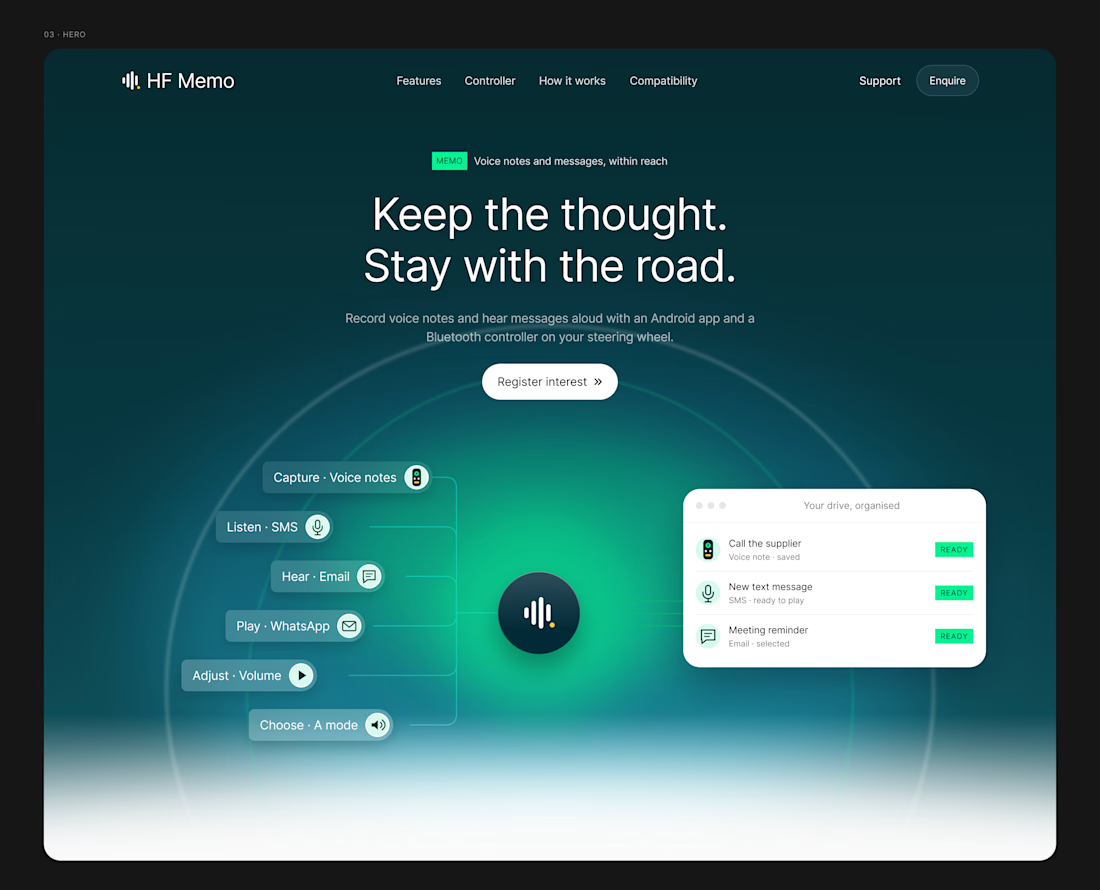
My latest redesign concept explores a new direction for HF Memo—an Android app and Bluetooth controller for recording voice notes and hearing messages aloud.
I focused on showing the experience: capture a thought, replay a recording, and understand what each controller button does.
Clean typography, light backgrounds, and lime accents give the product room to tell its story.
Designed in Figma, with editable layouts and custom graphics.
Have a product that needs a clearer website? Let’s connect.
#webdesign #uidesign #figma #productdesign



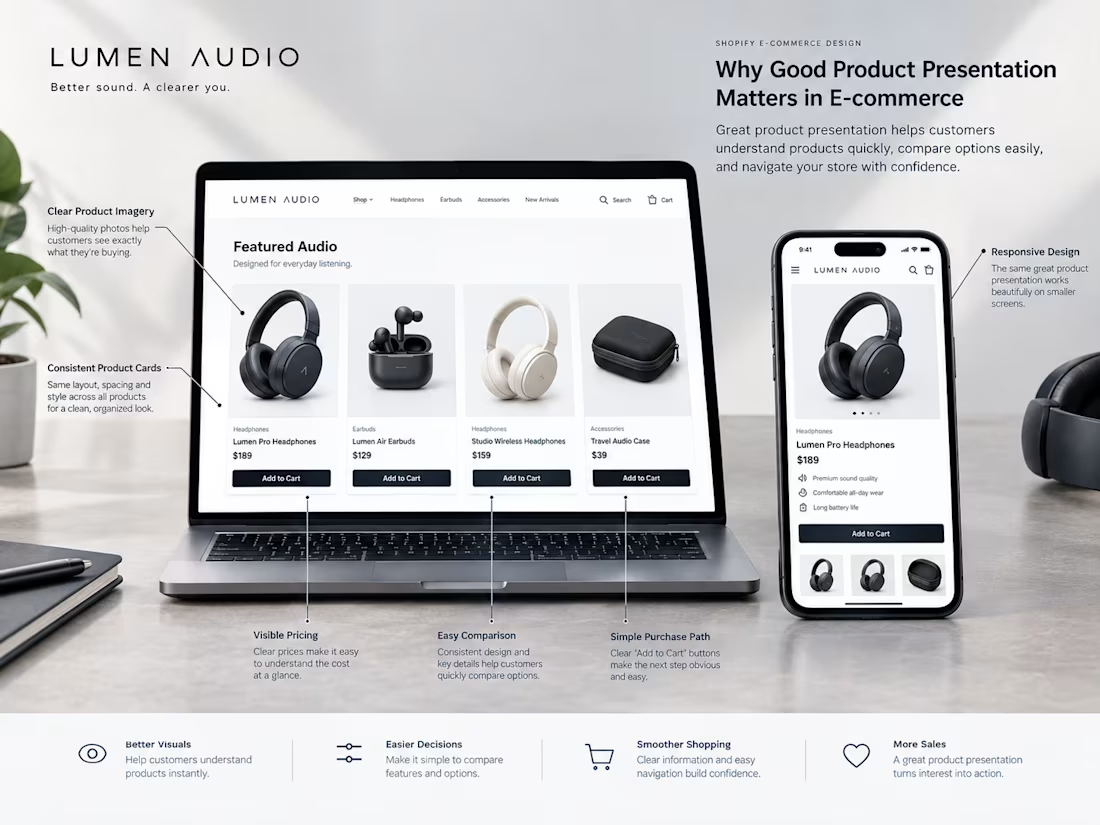
Good product presentation is more than making a Shopify store look attractive.
It helps customers understand what they're looking at and makes it easier for them to compare products.
A strong product presentation usually starts with:
→ Clear product photography
→ Consistent product images
→ Easy to read product names
→ Visible pricing
→ Useful product information
→ Clear product categories
→ Simple actions like Add to Cart
When these elements are organized properly, customers don't have to work as hard to understand the store.
The goal isn't to make every product section complicated.
It's to make the important information easy to see and easy to understand.
That's a big part of good e-commerce UX.


Agree, and the description text matters as much as the photos. A lot of stores have great images but a one line description, so the shopper still has to guess at material, sizing or care before they trust the add to cart button.