The network for creativity
Join 1.25M professional creatives like you
Connect with clients, get discovered, and run your business 100% commission-free
Creatives on Contra have earned over $150M and we are just getting started
Back to feedPost

A product can look remarkably convincing in an investor presentation.
That doesn't necessarily mean it's ready to become a real product.
And I think this distinction matters, especially for early-stage startups.
When you're designing a pitch deck, the goal is to communicate an opportunity.
You need to make the vision understandable, demonstrate what makes the idea valuable, and help investors see where the product could go.
A carefully selected set of interfaces can be very effective for that.
But those screens don't necessarily represent the full complexity of using the product.
What happens between the key interactions?
How does someone complete an unfamiliar task?
What does the experience look like when there's no data, something fails, or a user takes an unexpected path?
Those details may not belong in an investor presentation.
But they absolutely belong in the product design process.
I've worked on product concepts and investor-focused presentations, and I think both require careful design thinking, just applied to different objectives.
A pitch deck needs a clear narrative.
A product needs a coherent experience that holds up beyond the ideal scenario.
The problem isn't designing something to impress investors.
It's allowing the polished presentation of a concept to create the impression that the difficult product decisions have already been solved.
A compelling vision and a genuinely usable product should support each other.
But they're not the same deliverable.
The network for creativity
Join 1.25M professional creatives like you
Connect with clients, get discovered, and run your business 100% commission-free
Creatives on Contra have earned over $150M and we are just getting started


Related posts

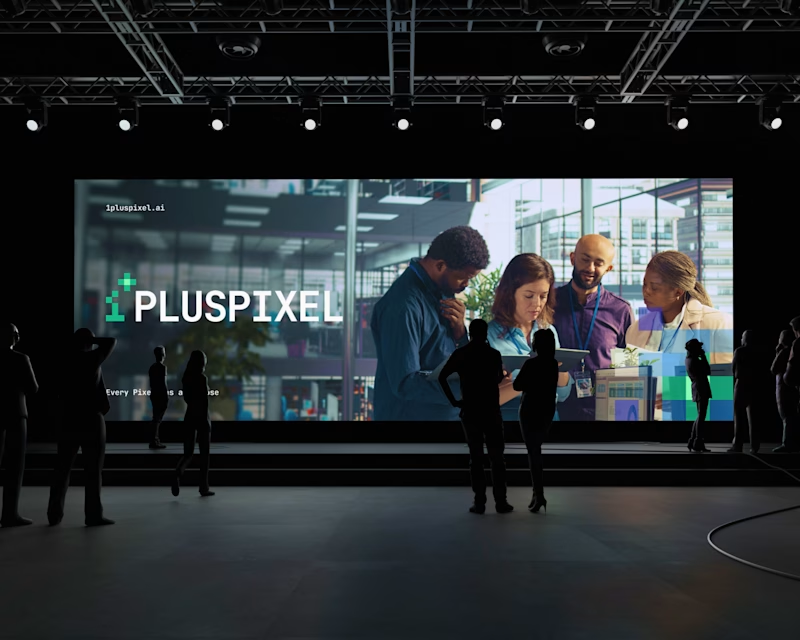
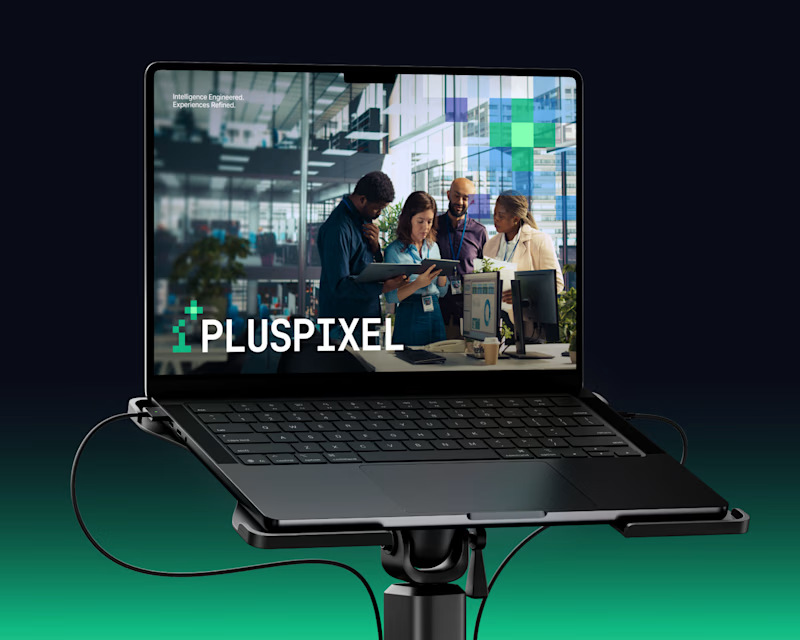
Same content, two different settings.
One designed to be seen on a big conference screen, the other experienced through a compact device. It's interesting how the same visuals can feel different depending on where they show up.
Which setting do you think brings the content to life better?
4 voted
57%
3 voted
43%
7 votes
Closed

Big screen 🔥


Founders, if you need a website done by someone who has already worked with YC, A16z backed startups...well, I’m here. Send me a message.
I will help you figure out how to present your product and get your message across to the right people.

Great work!