The network for creativity
Join 1.25M professional creatives like you
Connect with clients, get discovered, and run your business 100% commission-free
Creatives on Contra have earned over $150M and we are just getting started
Back to feedPost


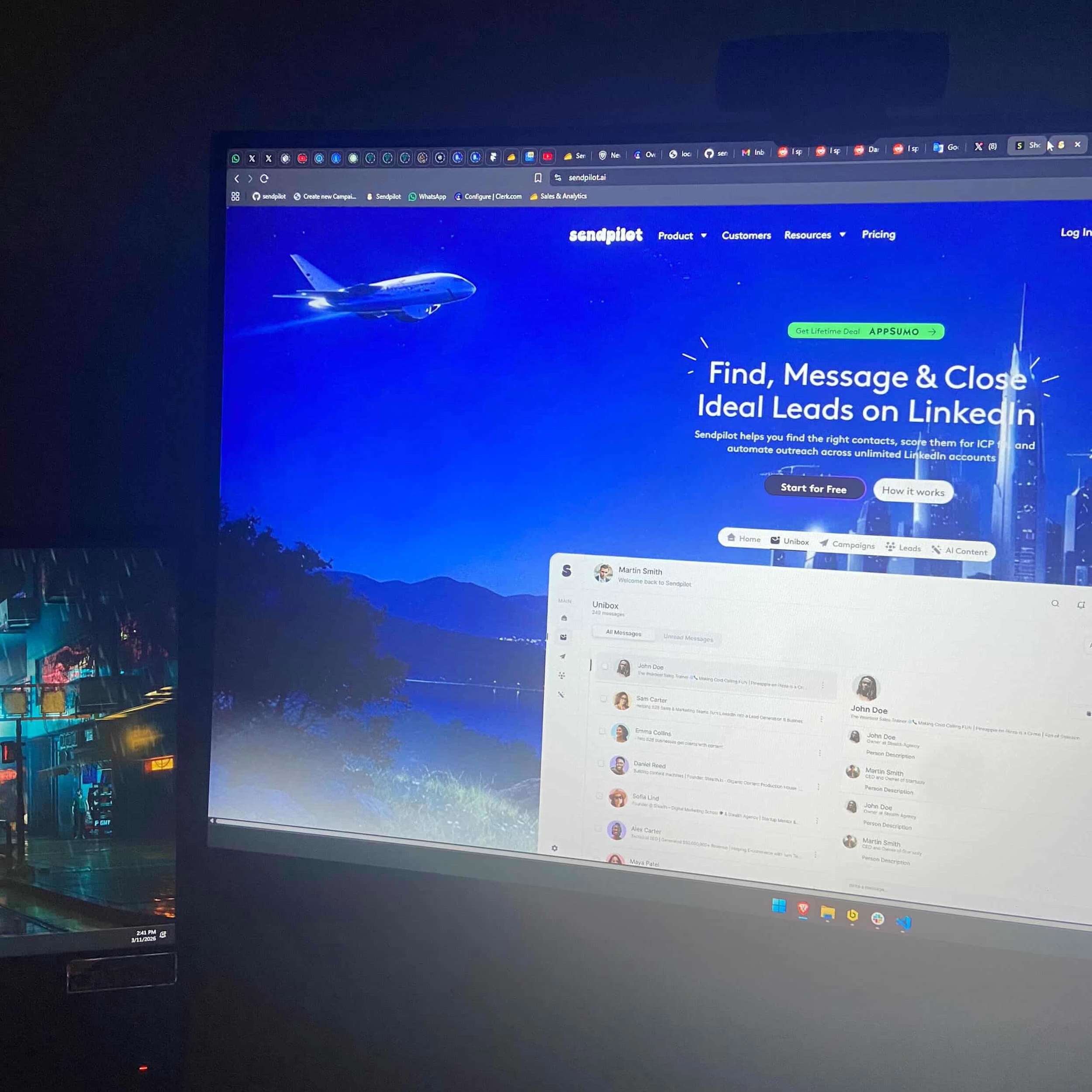
After helping founders ship products (and building Sendpilot to 2,000+ users and CherryNote to 500+ students), here’s what I wish I knew on day one:
• Don’t build auth from scratch. I wasted 3 weeks. Clerk or NextAuth already solved it.
• Simple stack wins: Supabase + Vercel + Resend. Ship faster.
• Scope is everything. Define what’s in and out before writing code.
• Ship ugly first. Users care that it works.
• Usage-based billing is a trap early. Flat pricing converts better pre-PMF.
• Launch on AppSumo earlier than you think.
• One feature. One week. Then ship.
Most founders don’t fail from lack of ideas. They fail from shipping too slowly.
The network for creativity
Join 1.25M professional creatives like you
Connect with clients, get discovered, and run your business 100% commission-free
Creatives on Contra have earned over $150M and we are just getting started







Related posts


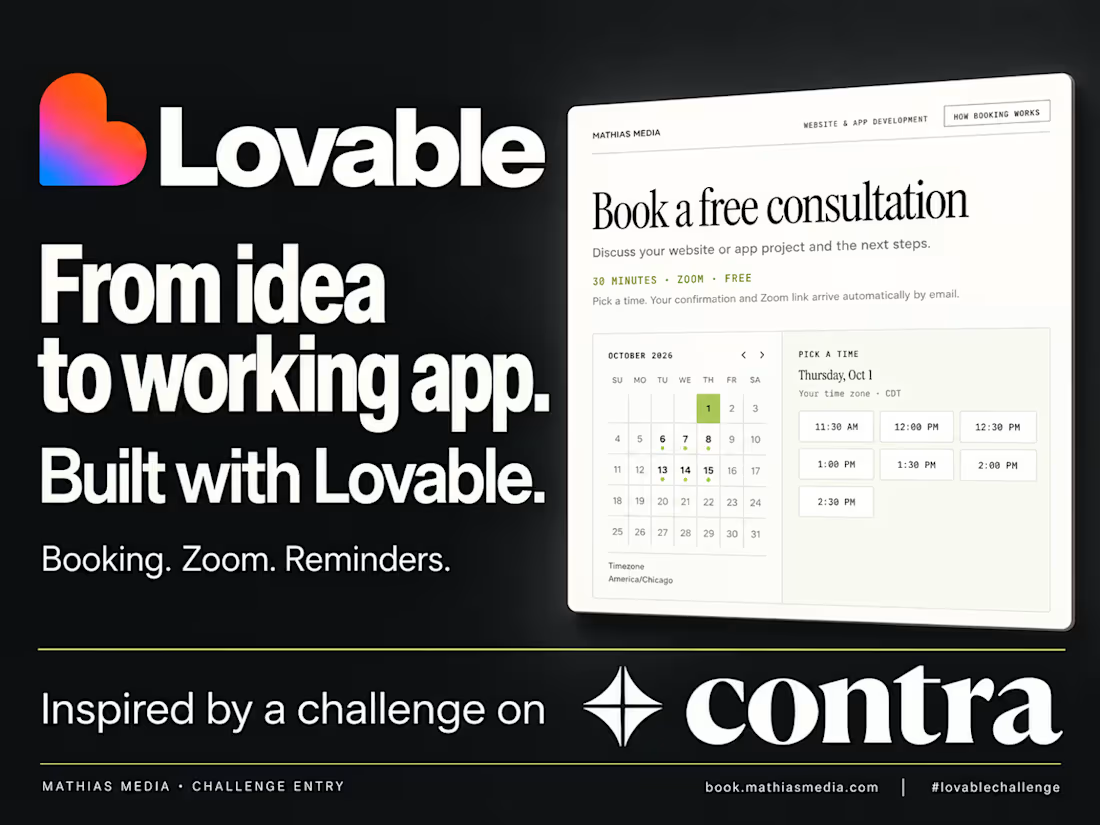
I used @Lovable to build a working booking app for my business—and the most useful part happens after someone clicks “Book.”
The goal: easier booking for clients, less scheduling work for me.
The app creates their Zoom meeting, sends their confirmation, schedules reminders, and lets them reschedule or cancel.
The client’s part? Pick a time. Enter a name and email. Done.
I built this for Mathias Media, my website and app studio in Minneapolis, as part of @Contra’s #lovablechallenge.
With Lovable, I built around how I actually work: consultations Tuesday through Thursday, a maximum of three calls a day, and buffers between appointments. The app handles those rules while keeping booking simple.
That’s what makes this Contra challenge worthwhile: a reason to turn a real business need into something useful with Lovable.
Try it: https://book.mathiasmedia.com/
Walkthrough and build-process recording attached.
Have a business process you wish worked better? Give Lovable a try.

Baking the Tuesday to Thursday, three calls max rule right into the app is the smartest part of this imo. Most booking tools make you bend around them. Have clients noticed the limits or does it just quietly feel like you're in demand?

Just finished building a Salon Booking Management System!
The goal was simple: make appointment management easier for salon owners and reduce the manual work involved in handling bookings and reminders.
The system connects the complete workflow in one place:
1 Customer makes a booking
2 Booking gets confirmed
3 Owner sees it on the dashboard
4 Upcoming appointments are organized clearly
5 Reminders help the owner stay on top of appointments
One of the key things I focused on was making the experience simple, clean, and easy to understand, while keeping the workflow practical for a real business.
This project helped me think beyond just building screens — and focus more on the actual business problem, user flow, and overall product experience.
Excited to keep improving it and turn it into an even more polished product.
#BuildInPublic #SaaS #WebApp #BookingSystem #SalonManagement #ProductDesign #MVP #NoCode #Entrepreneurship


Good work


Dan Holdsworth and Luke Allen ship brands as a code ready repo.
The handoff includes global CSS, a clip JSON file, an agent file, and a human-readable README. Clients drag and drop it into their codebase and the brand is operable from day one.
They started doing this because clients kept improvising after handoff. A PDF gets opened once and forgotten. A repo stays in the codebase as a source of truth.
The thinking matters. The handoff is the start of the brand's life in production. If the system breaks the first time someone extends it, the design work didn't finish.
They also talked about taking only two projects at a time, catching a logo that sat too close to a Pinterest reference and redoing it the same day, and the difference between cheap and affordable when you raise prices.
Full episode: https://www.youtube.com/watch?v=Gl0Q2Xjw1Ao

AI is an analytical tool it doesn't have tast or creative intelligence or emotional intelligence it will never be better than humans in that because it has no emotions or creativity