The network for creativity
Join 1.25M professional creatives like you
Connect with clients, get discovered, and run your business 100% commission-free
Creatives on Contra have earned over $150M and we are just getting started
Back to feedPost

When building modern applications, choosing the right backend framework matters.
For me, FastAPI has become the default choice for AI applications, SaaS products, and high-performance APIs.
Here's why:
• High performance with asynchronous request handling.
• Automatic API documentation with Swagger and ReDoc.
• Built-in data validation using Pydantic.
• Excellent developer experience with Python type hints.
• Native support for WebSockets and background tasks.
• Perfect for AI agents, LLM applications, real-time dashboards, and automation systems.
I've used FastAPI to build applications ranging from AI-powered restaurant management platforms to intelligent automation systems, and it consistently delivers excellent performance while keeping development clean and maintainable.
A fast backend isn't just about speed.
It's about handling more users, processing more requests, and scaling with confidence.
What's your preferred Python backend framework, and why?
#FastAPI #Python #BackendDevelopment #API #WebDevelopment #ArtificialIntelligence #AIAgents #SoftwareEngineering #Automation #Tech


The network for creativity
Join 1.25M professional creatives like you
Connect with clients, get discovered, and run your business 100% commission-free
Creatives on Contra have earned over $150M and we are just getting started








Related posts

Built SpeedPulse AI — an automated website performance teardown and local client acquisition engine.
Most local businesses lose over 35% of their mobile conversions due to slow load times and missing Google SEO schema. Auditing each client manually took hours, so I automated the entire process on Base44:
⚡ Real-time Core Web Vitals, Local SEO & UX friction score dials
🔄 Dynamic Before/After sprint projections (gliding scores from 45 to 91+)
📄 Automated Executive PDF brief generation
🤖 Built-in Agency CRM that captures incoming leads, tracks stages, and auto-drafts client proposals with one-click copy
Live App: https://speedpulse-flow.base44.app


Introducing AlignIQ — now live on Framer! 🚀
AlignIQ is an AI-powered planning workspace concept designed to help teams turn ideas into actionable plans, keep projects aligned, and make smarter decisions.
The product concept focuses on four core features:
• AI Planner — Turn goals into structured plans with clear milestones and next steps.
• Projects — Organize work, track progress, and keep everyone aligned.
• Roadmap — Visualize milestones, dependencies, and timelines with AI-powered suggestions.
• AI Insights — Identify risks, uncover blockers, and get recommendations before problems grow.
I turned this concept into a complete Framer website template, combining interactive mobile app showcases, editorial layouts, custom blue-duotone photography, and subtle animations.
Built for AI mobile apps, productivity platforms, planning tools, and startups looking to showcase their products through a modern, engaging website.
🎁 Free for a limited time, then $29.
Available on the Framer Marketplace!


The Framer execution looks butter smooth! Loving the deep blue palette and typography layout. AI planning tools often look cluttered, but this looks super clean and focused. Great launch, Ahmad!

ElixSkin - Dermatology Intelligence Website
A clean, modern website bringing AI skin diagnostics and personalized care together in one seamless experience✨
Want to create something like this?
Let's Talk!


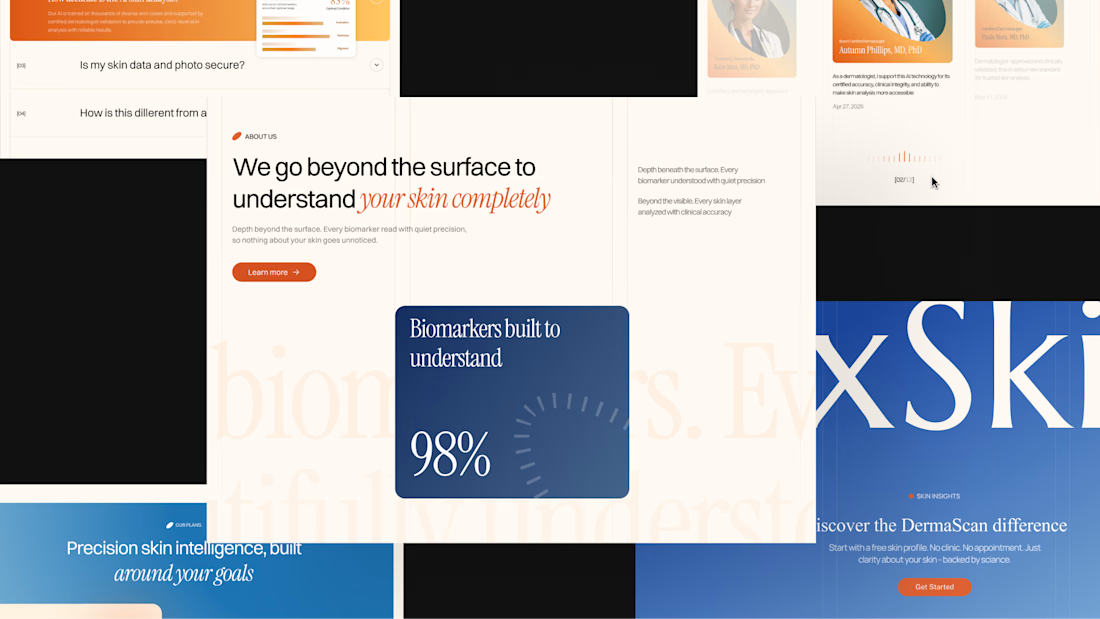
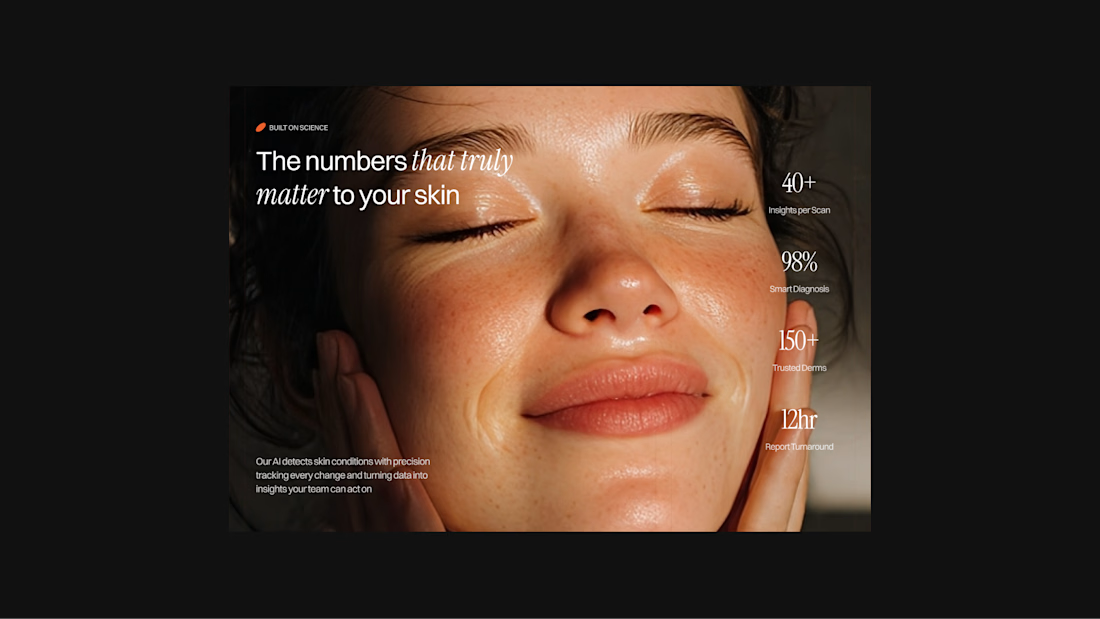
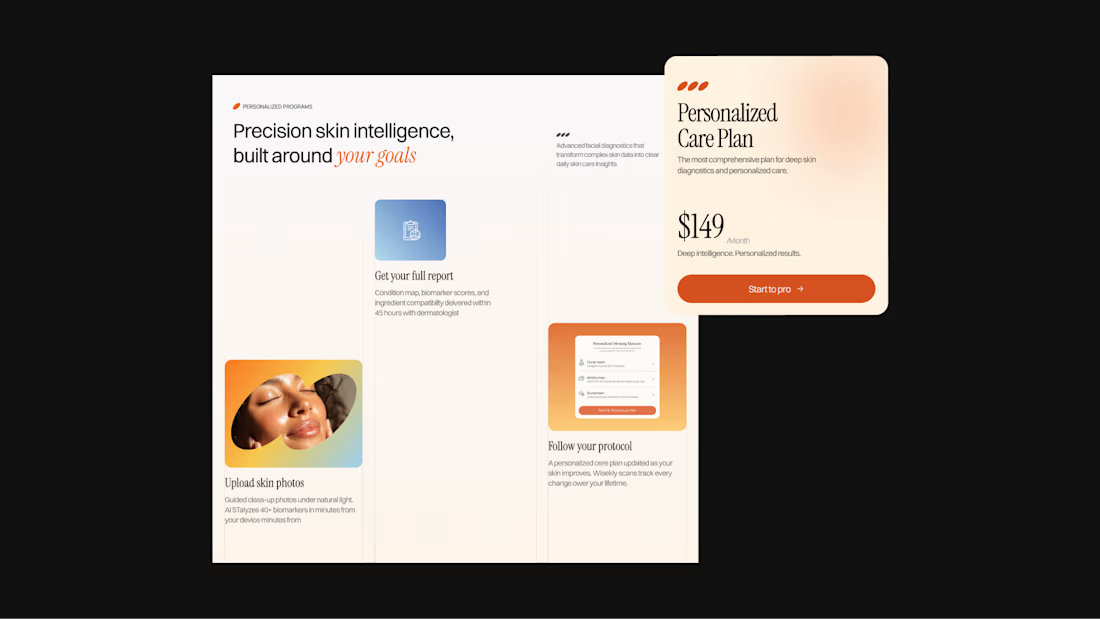
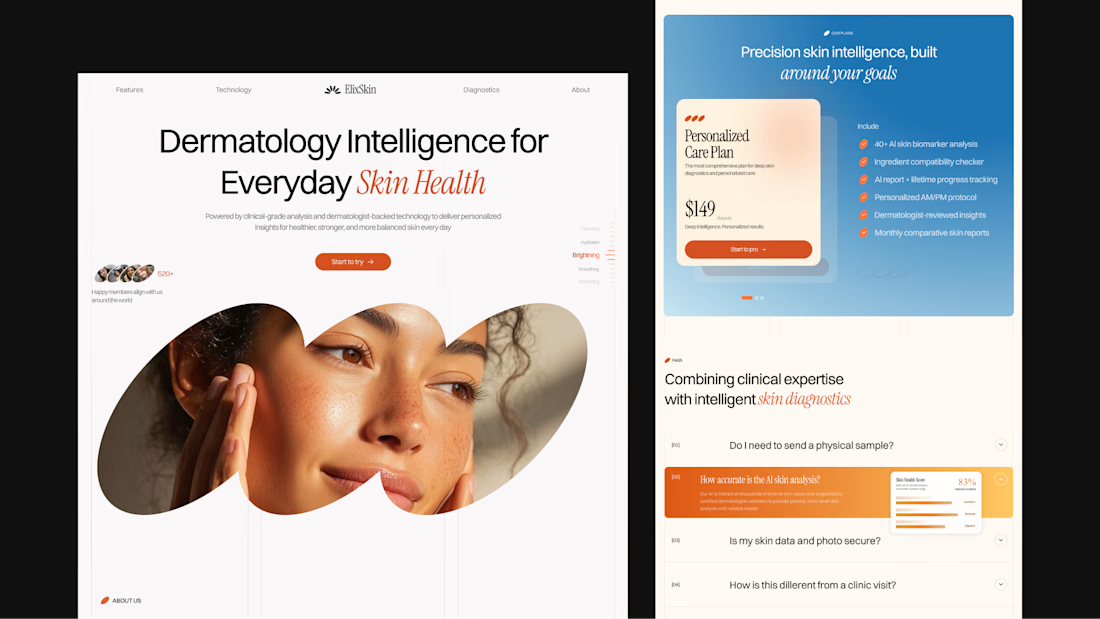

Presenting AI skin diagnostics through a clean, calm website is the right call. Health tech needs to feel trustworthy first, and the warm photography paired with the clinical layout nails that balance.