The network for creativity
Join 1.25M professional creatives like you
Connect with clients, get discovered, and run your business 100% commission-free
Creatives on Contra have earned over $150M and we are just getting started
Back to feedPost
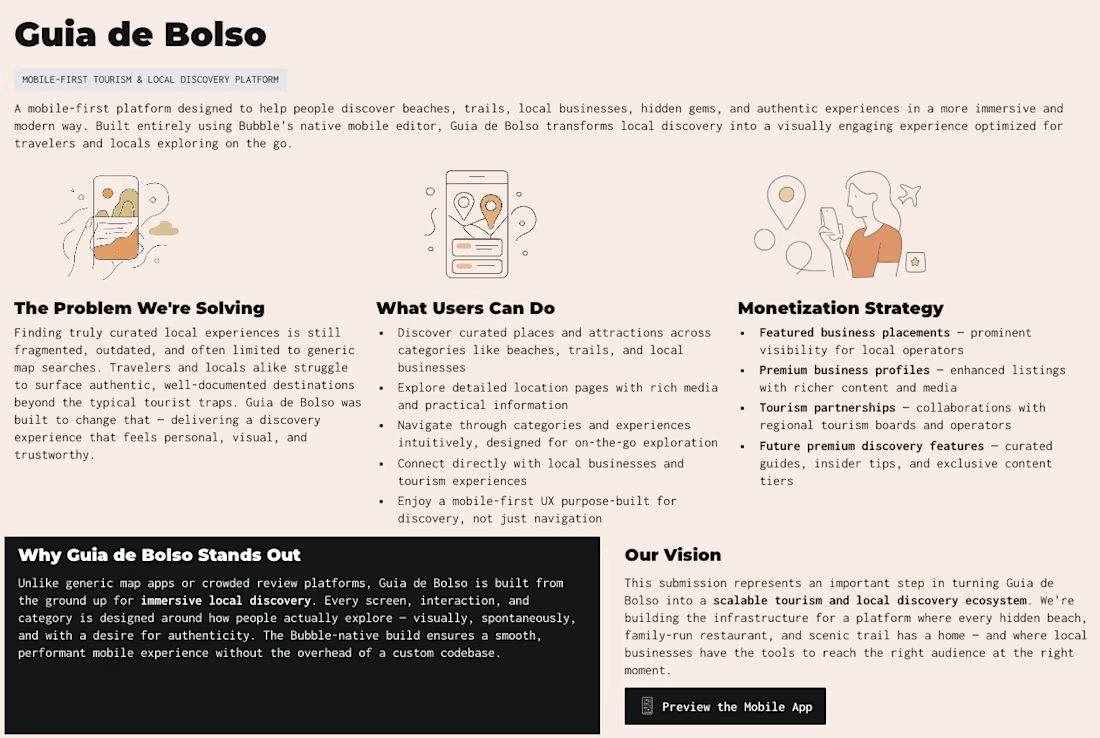
Introducing Guia de Bolso — a mobile-first platform designed to help people discover beaches, trails, local businesses, hidden gems, and authentic experiences in a more immersive and modern way.
The app transforms local discovery into a visually engaging experience optimized for travelers and locals exploring on the go.
The problem we wanted to solve was simple:
finding truly curated local experiences is still fragmented, outdated, and often limited to generic map searches.
With Guia de Bolso, users can:
• discover curated places and attractions
• explore detailed location pages
• navigate through categories and experiences intuitively
• connect with local businesses and tourism experiences
• enjoy a mobile-first UX designed specifically for exploration
Our monetization strategy includes:
• featured business placements
• premium business profiles
• tourism partnerships
• future premium discovery features and guides
This submission represents an important step in turning Guia de Bolso into a scalable tourism and local discovery ecosystem.



Hi! Don't forget to share your app's name and branch ID so that our judges can interact with your mobile app directly via BubbleGo 👍

App Name: Guia de Bolso
Branch Version ID : version-test
The network for creativity
Join 1.25M professional creatives like you
Connect with clients, get discovered, and run your business 100% commission-free
Creatives on Contra have earned over $150M and we are just getting started








Related posts

A clean and modern food delivery app concept designed with a focus on simple navigation, clear layouts, and a smooth user experience.
Designed in Figma.

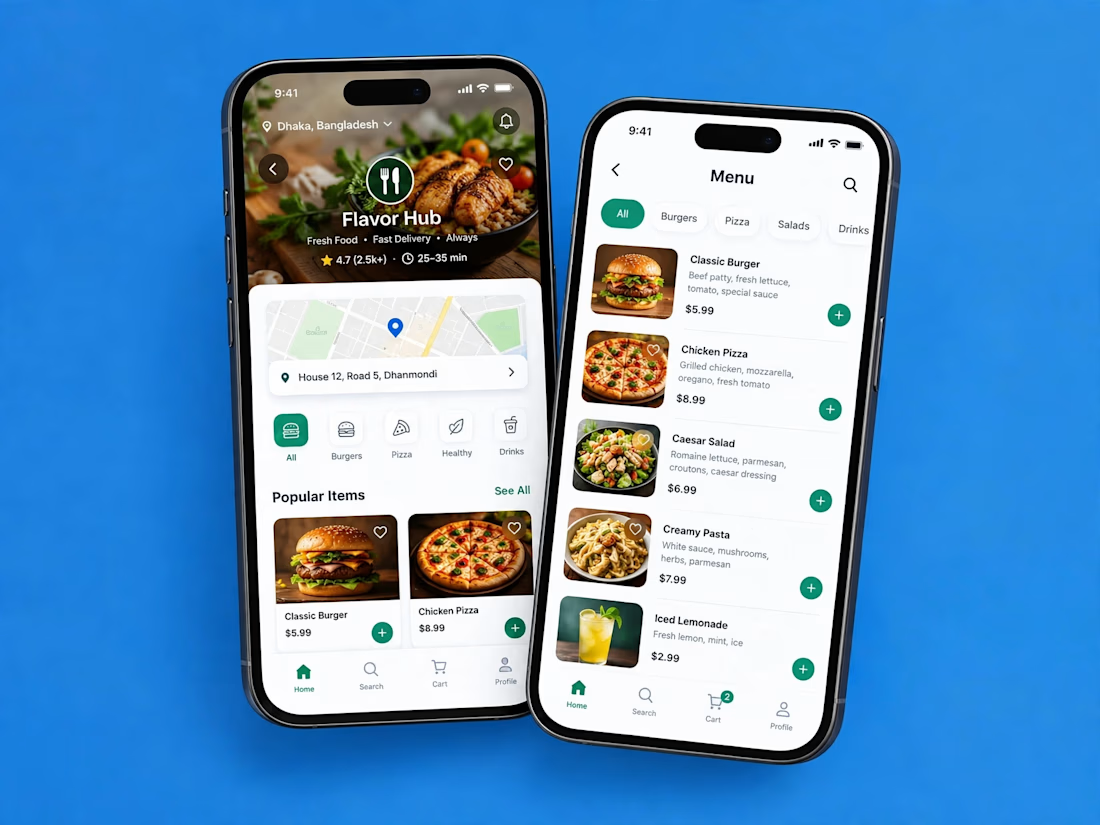

Love how clean and intuitive this feels, the navigation looks super smooth and the layout is really well balanced

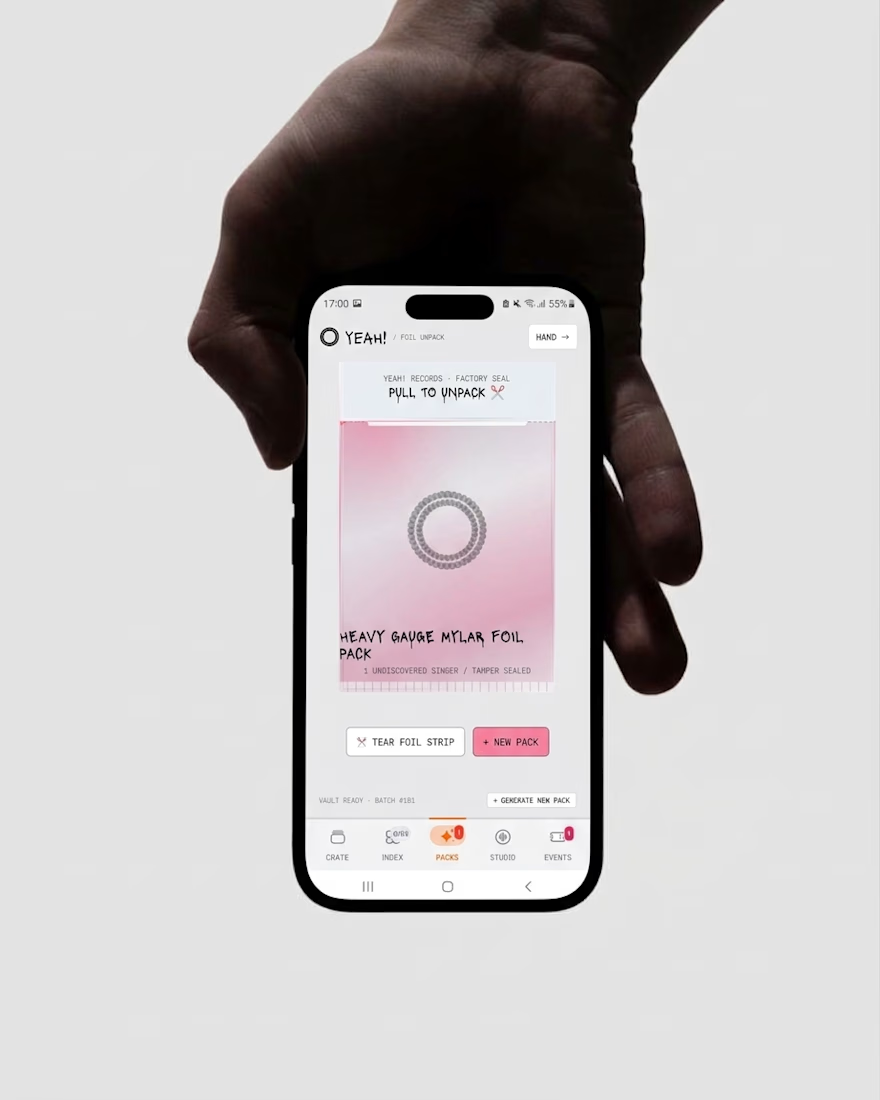
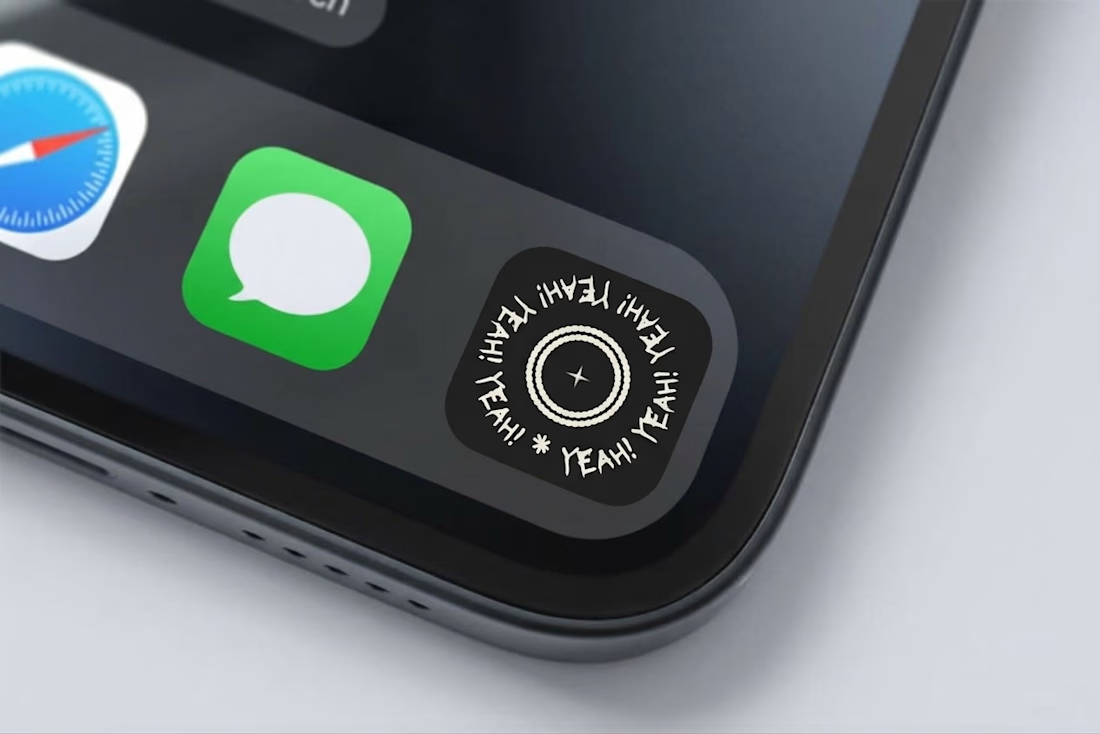
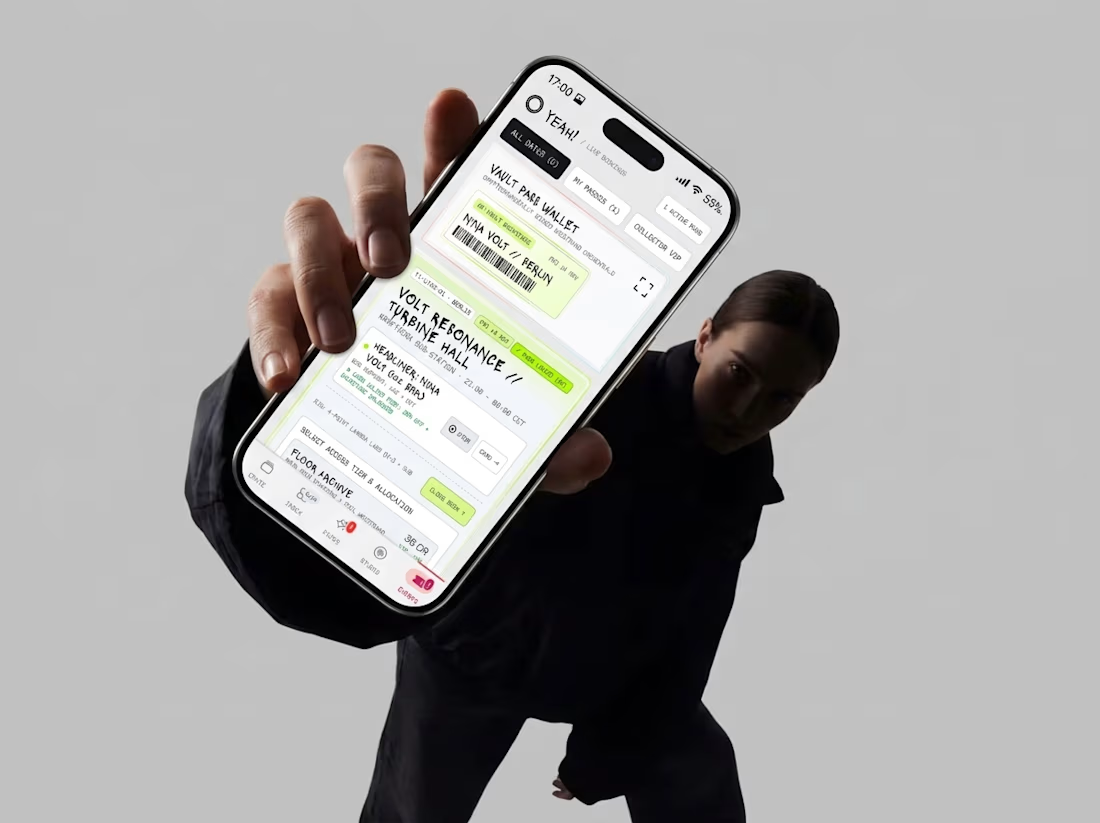
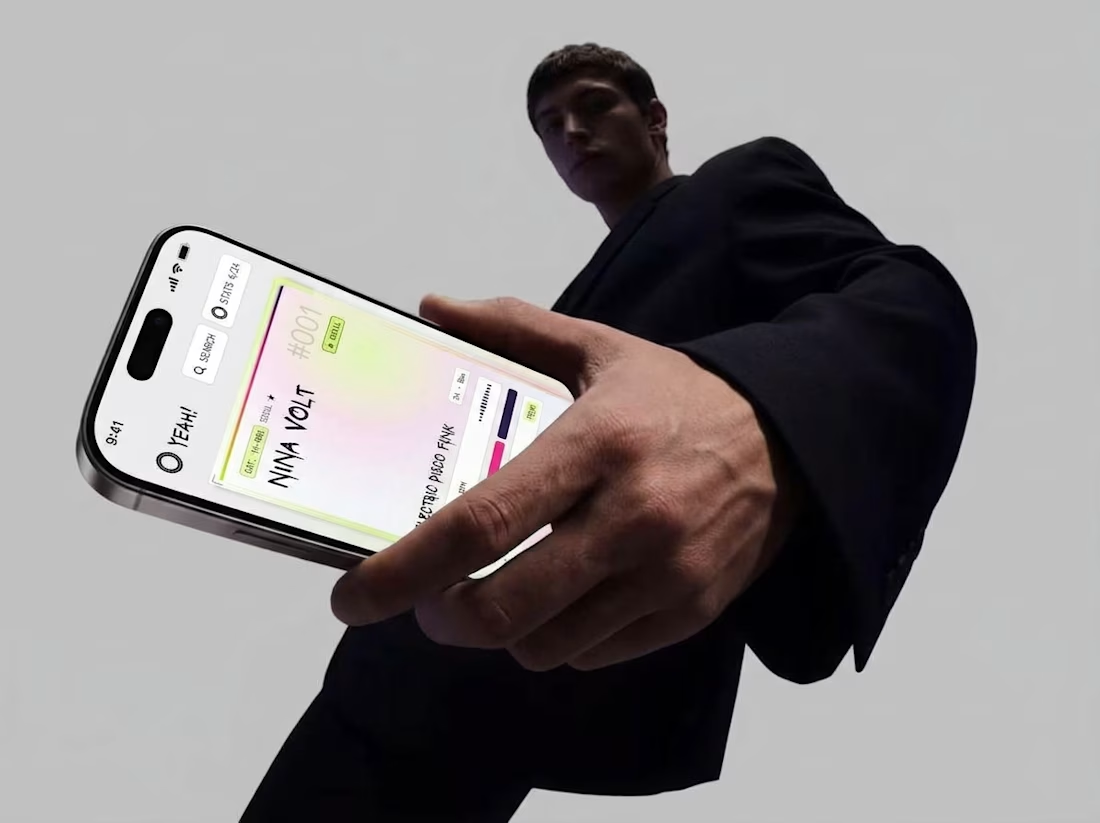
Friday app: yeah!
Cold, clean interface. Hand-painted graffiti names dropped straight on top. Every singer gets their own color, and every pack is a foil seal you tear open with your thumb.
Music as a collectible.