The network for creativity
Join 1.25M professional creatives like you
Connect with clients, get discovered, and run your business 100% commission-free
Creatives on Contra have earned over $150M and we are just getting started
Back to feedPost

The 5-Second Rule of Retail Shelves
When shoppers walk down an aisle, they don’t analyze the shelf.
They scan it.
Within about five seconds, they decide whether a shelf is easy to understand or not. If it feels confusing or cluttered, they move on.
Strong retail shelves guide the shopper instantly. The eye should land on a clear product anchor, the assortment should feel organized, and the shopper should quickly understand which product to grab.
When shelves are structured well, decision-making becomes effortless.
Retail execution isn’t just about stocking products. It’s about making the shelf instantly understandable.
If shoppers can understand the shelf in five seconds, conversion becomes much more likely.

The network for creativity
Join 1.25M professional creatives like you
Connect with clients, get discovered, and run your business 100% commission-free
Creatives on Contra have earned over $150M and we are just getting started


Related posts

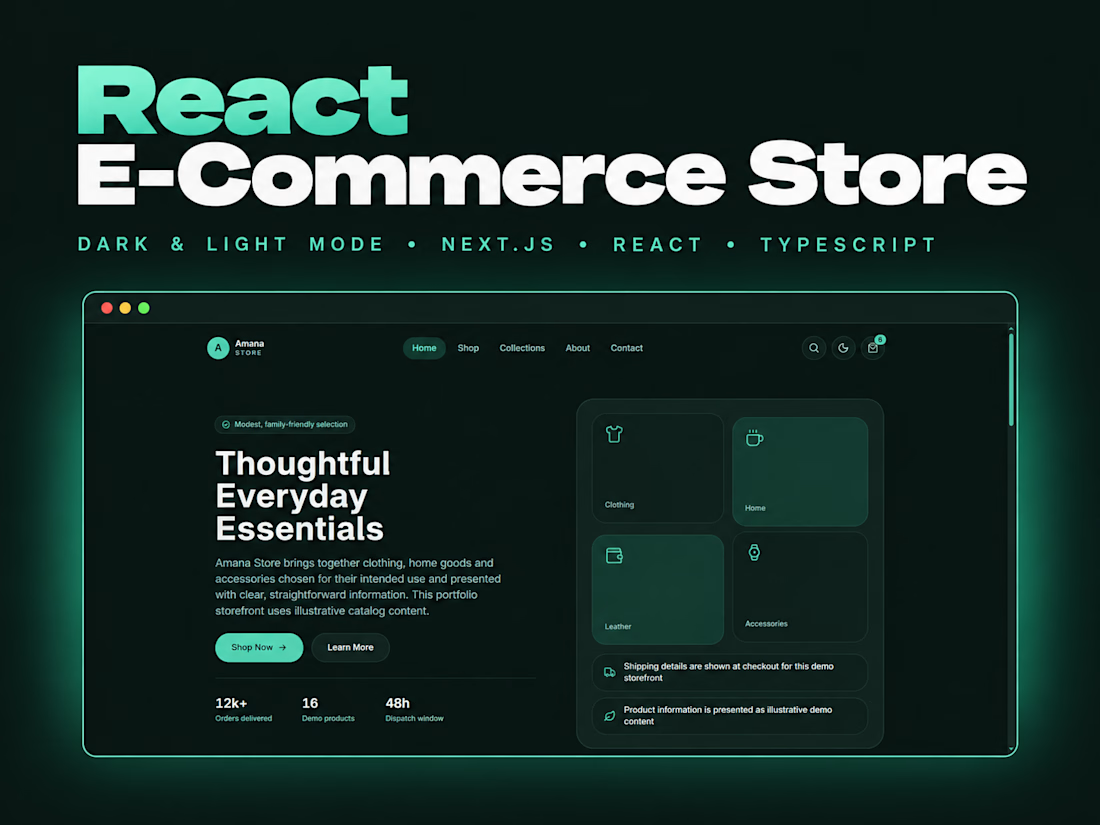
Built Amana — a modern e-commerce front-end focused on creating a clean, smooth, and responsive shopping experience.
— Product browsing
— Search, filtering & sorting
— Cart & checkout UI
— Product & collection sections
— Dark & light mode
— Fully responsive
— Smooth animations & interactions
— Reusable components
Built with Next.js, React, TypeScript, and Tailwind CSS, using an AI-assisted workflow while keeping full control over the architecture, code, UI decisions, and final quality.
Amana is presented as a front-end e-commerce demo with sample products and content. Backend, database, authentication, payment processing, and live commerce systems are not included.
Explore Amana → https://amana-store.vercel.app/



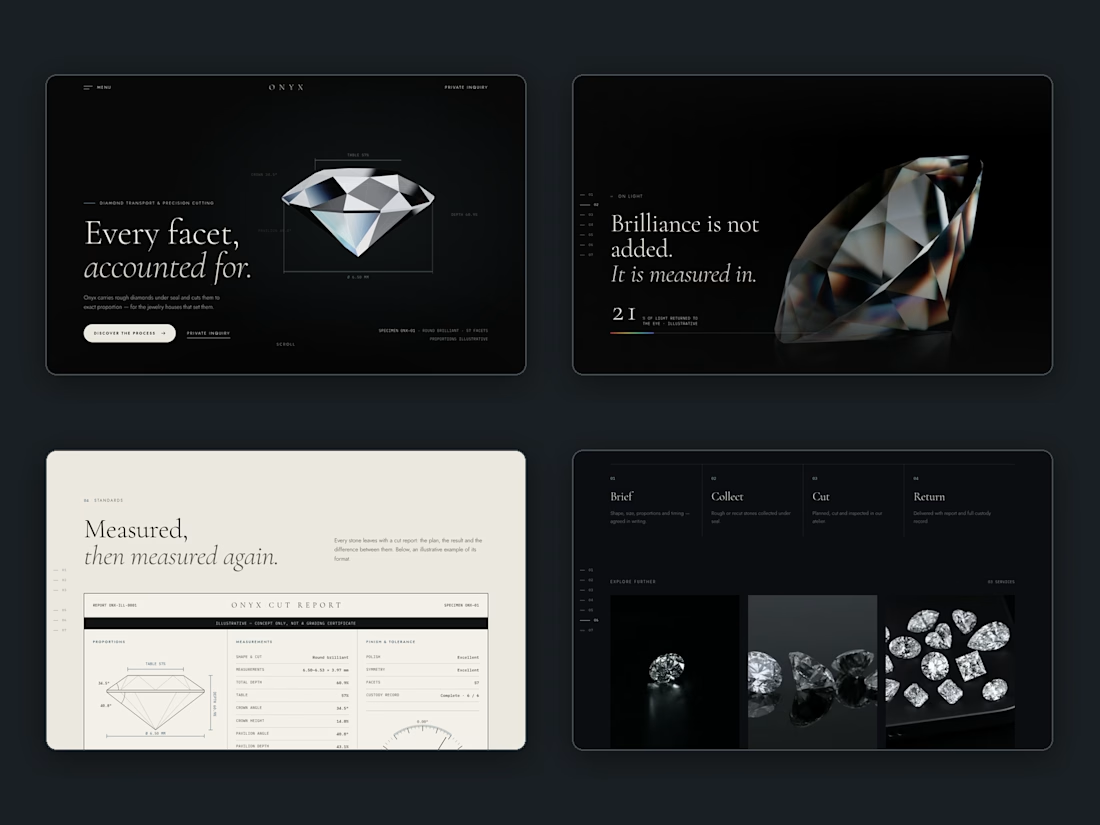
Most small-business sites don't need five pages. Fight me.
Hot take: Home, About, Services, Gallery, Contact is a habit, not a plan. Each page ends up thin, and visitors have to guess which one to click.
We'd rather build one page that tells the story in order. Here's our Onyx concept, a fictional diamond cutter: the promise, the proof, the standards, then the process, all in one scroll. Nobody has to hunt through a menu.
There are real exceptions, like restaurants with menus or shops with a catalog. But for most service businesses, one strong page beats five weak ones.
Agree or disagree? Drop your site and we'll tell you which page we'd merge first. 🔥


Making Today's marketing site, from the Figma design to the Framer build and every animation on it.
The product pulls your tasks and calendars into one workspace. So the hero opens with those pieces scattered under "Get Organized." and they settle into a single dashboard as you scroll.
How much motion is too much on a product site?
