The network for creativity
Join 1.25M professional creatives like you
Connect with clients, get discovered, and run your business 100% commission-free
Creatives on Contra have earned over $150M and we are just getting started
Back to feedPost

What Business Owners Actually Want From a Freelancer
When a business owner hires a freelancer, they're not just looking for someone with technical skills.
They want someone who can solve a problem and make their life easier.
Here are 7 things business owners actually value:
1. Understanding
They want you to understand their business, customers, and goals—not just complete a task.
2. Clear communication
They don't want to chase you for updates. They want to know what's happening, what's completed, and what's next.
3. Reliability
If you commit to a deadline, meet it. If something changes, communicate early.
4. Problem-solving
A great freelancer doesn't simply say, "That's not possible."
They look for practical ways to solve the problem.
5. Business results
A website should help generate leads.
An ad campaign should have a clear objective.
An automation should save time.
The work should contribute to a business goal.
6. Attention to detail
Small things matter. broken links, mobile responsiveness, confusing layouts, slow pages, poor copy, and forms that don't work.
7. Someone they can trust
The best client relationships aren't built around one project.
They're built through consistent delivery, honesty, communication, and results.
That's the mindset I bring to every project.
I help businesses with WordPress & Elementor websites, landing pages, and lead-generation systems
If your business needs a website that does more than just look good, a landing page designed to convert, or better lead generation, , send me a message here on Contra.
Let's discuss what you're trying to achieve and see how I can help.
#Freelancing #WebDesign #WordPress #Elementor #AIAutomation #LeadGeneration #MetaAds #DigitalMarketing #BusinessGrowth #SmallBusiness
The network for creativity
Join 1.25M professional creatives like you
Connect with clients, get discovered, and run your business 100% commission-free
Creatives on Contra have earned over $150M and we are just getting started




Related posts

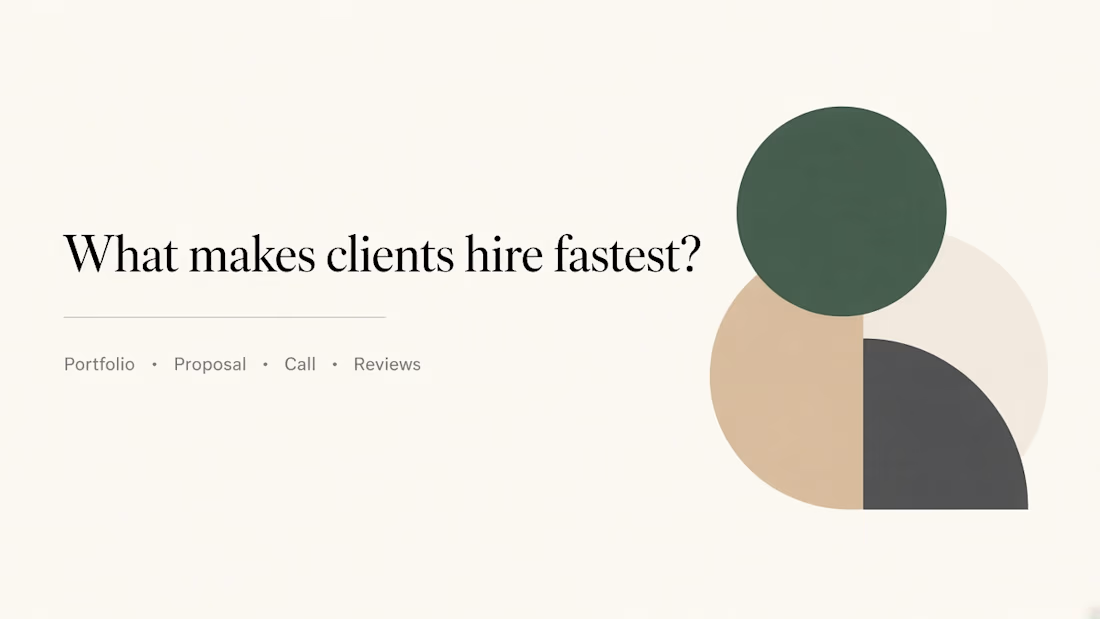
Clients, be honest: what makes you hire a freelancer fastest?
A) A portfolio piece that looks just like my project
B) A short, specific proposal
C) A quick call where they get it right away
D) Reviews and a track record
I'll go first. For automation and scraping work, it's usually C. A 10-minute call where I ask the right questions about their data beats any proposal I could write.
Drop your letter below 👇 Freelancers, I'd love to hear which one actually wins you work.
#freelancertips #hiring #clients #automation #AI #freelancing

C for me too and in my case the call does double duty. I build AI voice agents, so on a short call the client does not just hear me explain the work, they can hear the actual demo agent answer and book a test appointment live.
Ten minutes of hearing the real thing beats any...

If your website doesn't inspire trust, you're losing clients
"Thanks, Sherlock!", I hear you say, "Not that I didn't know that before. Better tell me how to build that trust."
Well, let's start with not ruining what you have in the first place. These are mistakes I've seen legit businesses make:
1. Logos without context
Especially if these are big names. What could do the heavy lifting for you now raises suspicion.
Are these your clients? Partners? Did you take the same elevator as a suspicious communist lady who is often seen together with the CEO of that company and consider yourself related now?
Just add one line explaining your relationship - trust earned.
2. Quantity over quality in testimonials
Some of your clients don't have a LinkedIn or X because... they have a life, I guess. They might have left you amazing reviews, and I understand the desire to show all of them.
But if people cannot google the person who left that review, they might assume this person doesn't exist.
Better have fewer, but verifiable testimonials.
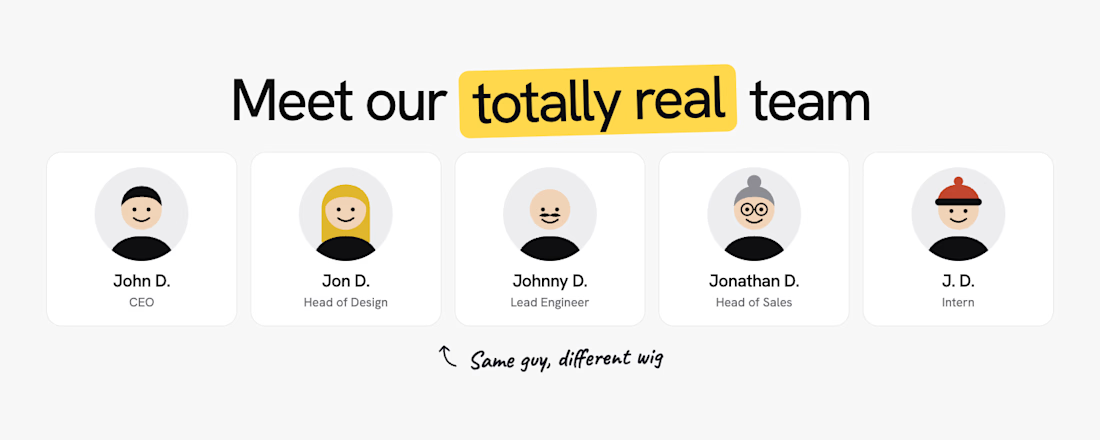
3. Fake team photos
I worked with a legitimate, successful business with a small team. To appear more trustworthy, they decided to add AI-generated team members to their About page.
Please, don't do that. I have astigmatism, myopia and a lazy eye. If I can see it's fake, everyone can.
Tell the truth or just leave that part out - either works.
That’s the “don’t ruin it” part. Do you want to take it to the next level?
I've helped some of the USA's national brands, Silicon Valley companies with their websites, including Grindr, Village Global, Zencastr.

The logos without context point is so true. One line on how you worked together fixes it.

How Can I Get My First Client on Contra as a Web Developer?
Hey everyone!
I'm a React.js Frontend Developer working on building my freelance career through Contra.
I have experience creating responsive websites and landing pages using React, JavaScript, Tailwind CSS, and AI-assisted development tools.
I've set up my Contra profile and showcased my work, but I'm still trying to figure out how to land my first paying client.
I'd love to learn from experienced freelancers and web developers here.
A few things I'd really appreciate your advice on:
How did you land your very first client on Contra?
What actually works better: applying to projects, networking, or getting discovered through your portfolio?
How many projects should a beginner showcase?
What makes a proposal stand out to clients?
What mistakes should beginners avoid on Contra?
If you've successfully landed clients on Contra, I'd genuinely appreciate your step-by-step advice.
I'm not looking for shortcuts. I want to understand the platform, improve my strategy, and build long-term freelance relationships.
Thanks in advance! 🙌
#Contra #Freelancing #WebDevelopment #ReactJS #FrontendDeveloper
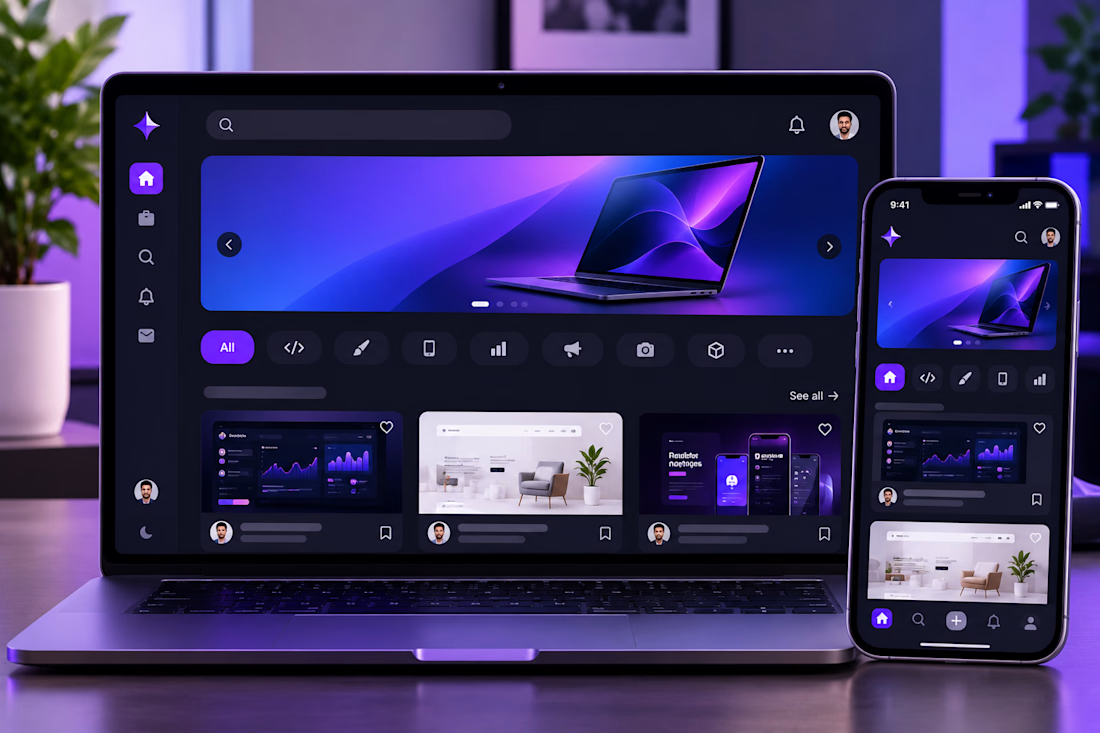


For a first Contra client, one focused example can speak louder than a broad skills list: show a small responsive React page and explain the problem it solves. Your landing-page experience is a solid start—good luck with the first project.