The network for creativity
Join 1.25M professional creatives like you
Connect with clients, get discovered, and run your business 100% commission-free
Creatives on Contra have earned over $150M and we are just getting started
Back to feedPost
PLINTH🚀
Plinth turns a 3D artist's "I need this asset" request into a ready-to-use, correctly formatted file with zero back-and-forth. 🎯
Business: Solo-run 3D asset platform for freelance VFX artists, based in Austin, Texas.
The problem:
Artists lose hours finding a model, checking its license, and converting it to the format their tool needs (ZBrush, Maya, Blender). Requests get buried in DMs while deadlines stay fixed.
What I built:
Searchable 3D library with author credit and license on every model
Browse by tool and format, with exact export steps
Claude (MCP) support for chat-based search and conversion
Scroll-driven 3D hero: a helmet turns, the camera flies through its wireframe, and a new scene opens ✨
Live link: https://scan-maya-book.lovable.app/
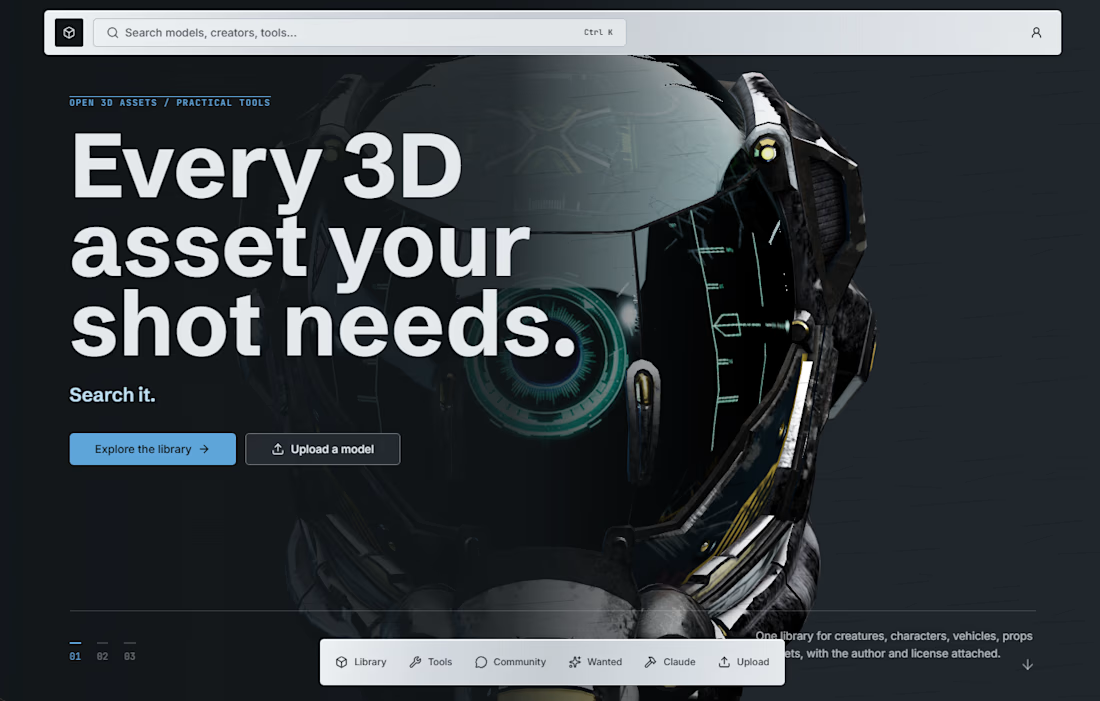
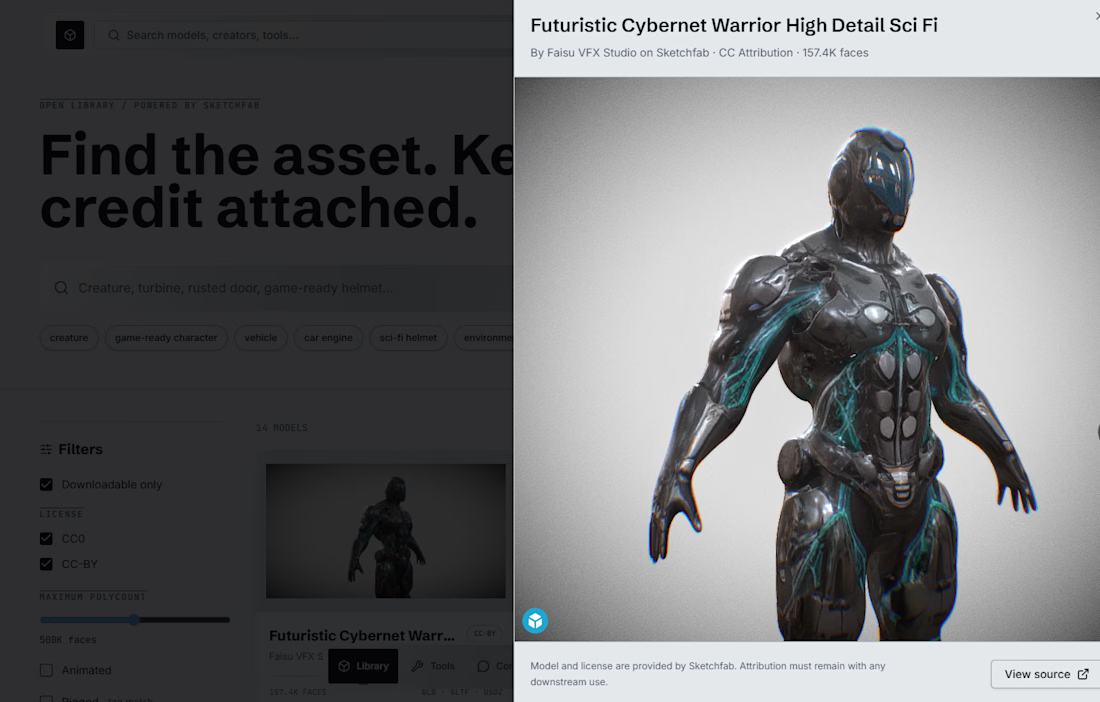
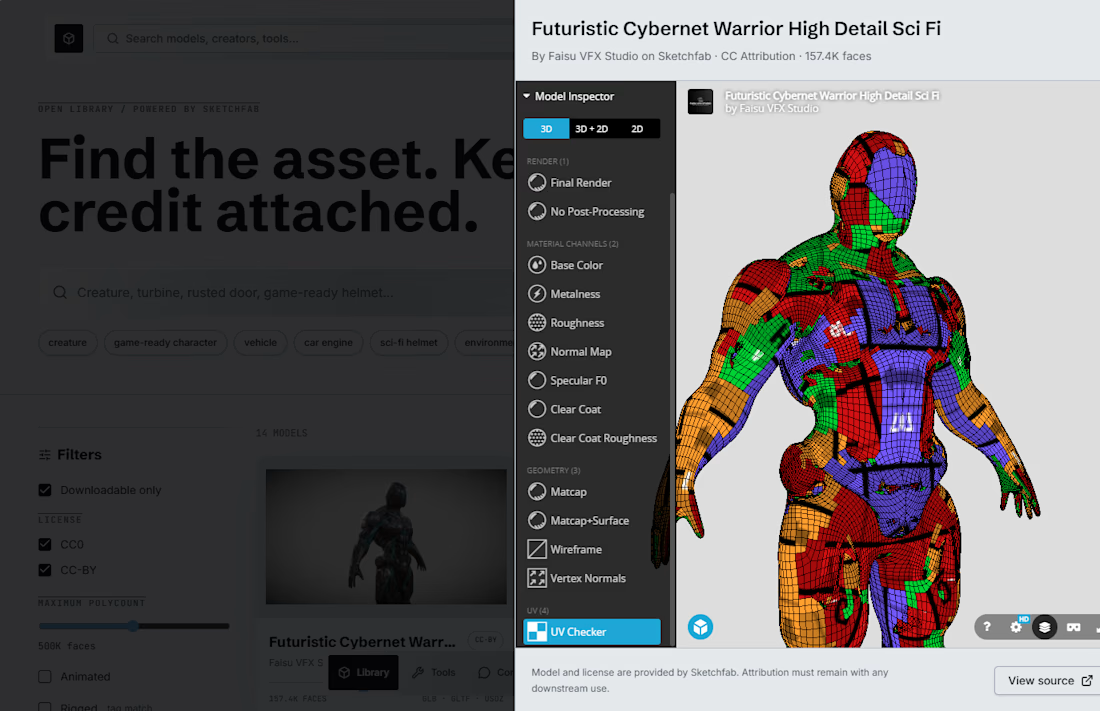

This is exactly what the marketplace needs Goated 🔥


Thank You
The network for creativity
Join 1.25M professional creatives like you
Connect with clients, get discovered, and run your business 100% commission-free
Creatives on Contra have earned over $150M and we are just getting started











Related posts

The Prop Room: prop rental and shoot planning, built with Base44
* Description:
The Prop Room is a playful prop-rental and shoot-planning web app for photographers, stylists, art directors and brands planning shoots.
The problem: Choosing props is visual, but rental catalogues aren’t. People imagine how isolated objects will look together, then rebuild item lists, quantities, costs and prep notes in separate tools.
* What it does
Collection: 16 props with filters, search, detail views and a tray with live daily totals.
Canvas: a scene editor with drag, resize, rotate, flip, one-step layering, per-object locking, snapping, undo/redo, background colours, PNG export, sharing and presentation mode.
Scene Stylist (AI): use, mood, budget and an optional brief become a catalogue-valid, budget-checked scene that opens straight into the canvas. Prices come from app data, not model text, and there’s a curated fallback plus an honest no-match state.
Inspiration and My Scenes: ready-made templates and saved, named scenes.
* Automation
One scene drives everything. Quantities and dates recalculate the daily and period estimate. A prep checklist is generated from the selected props (lighting power, backdrop support, fragile items, furniture access), and only the affected checks reset when the scene changes. The scene also produces a print-ready shoot pack and a calendar (ICS) file. Inquiries are saved as their own snapshot, so later edits never silently change a submitted request. Planning that usually takes a spreadsheet, a calculator and a checklist happens automatically while you compose.
* Process
Figma first. A brand guide came from a reference palette, with Stack Sans Notch and Stack Sans Text. Prop imagery was generated, cut out and art-directed, and desktop and mobile screens were designed and revised by hand. The approved designs were then built for real in Base44 and refined through rounds of side-by-side checks against Figma and real interaction testing at 1440, 390 and 320 px. The landing page’s brand film was made in Higgsfield with Seedance 2.0.
Live site: https://figma-the-prop-room-9b66831b.base44.app
Built with Base44 · Designed in Figma · #Base44Challenge


The Lovable Challenge is officially done! Big shoutout to everyone who participated, liked, commented, shared, and scrolled through 🙌
Congratulations to the winners:
1st place: Sergey Bertagnini
2nd place: Lubos Belak
3rd place: Alice D.
Social Media Superstar: Victoria Lishchuk


Northbound🚀: Studio Autopilot
An AI-powered client pipeline for creative studios, wrapped in a hand-built 3D world. A brief comes in, gets scored and routed, becomes a priced proposal, is accepted online and turns into a running project, with no one chasing emails.
Every studio knows the feeling: a new brief lands and the clock starts. Then come hours of reading, qualifying, writing proposals, chasing replies and setting up the project. Northbound turns that whole journey into one automated flow, so a small studio can respond like a big one.
The problem: Creative studios lose their best hours to admin. Strong leads wait days for a proposal, weak ones eat the same time as good ones, and follow-ups slip through the cracks. The work that wins clients is the work nobody has time for.
The solution:
- AI brief scoring and routing. Every brief is read for budget, timeline, goals and fit, then routed one of three ways: fast track, a quick human review, or an honest, helpful decline with pointers.
- Tailored proposals in about a minute. Strong fits get a scoped proposal with workstreams, a realistic timeline and three priced packages.
- Online acceptance and kickoff booking. Clients pick a package, accept online and book their kickoff call on the spot.
- A project that runs itself. Milestones are planned on acceptance, and follow-ups and reminders go out automatically.
- A morning digest. Every day at 08:00 the studio owner gets a summary of new briefs, proposals awaiting review, clients who haven’t replied, and what’s due.
- An owner dashboard showing pipeline, win rate and hours saved, plus a review queue to approve held proposals in one click.
- A live demo console where anyone can send a sample brief through the real pipeline and watch each step happen.

The morning digest is my favorite part here. When inquiries, proposals and deadlines are all in one place, you don't have to start the day searching through conversations. I'd just put the items that need an owner's decision today at the top.