The network for creativity
Join 1.25M professional creatives like you
Connect with clients, get discovered, and run your business 100% commission-free
Creatives on Contra have earned over $150M and we are just getting started
Back to feedPost

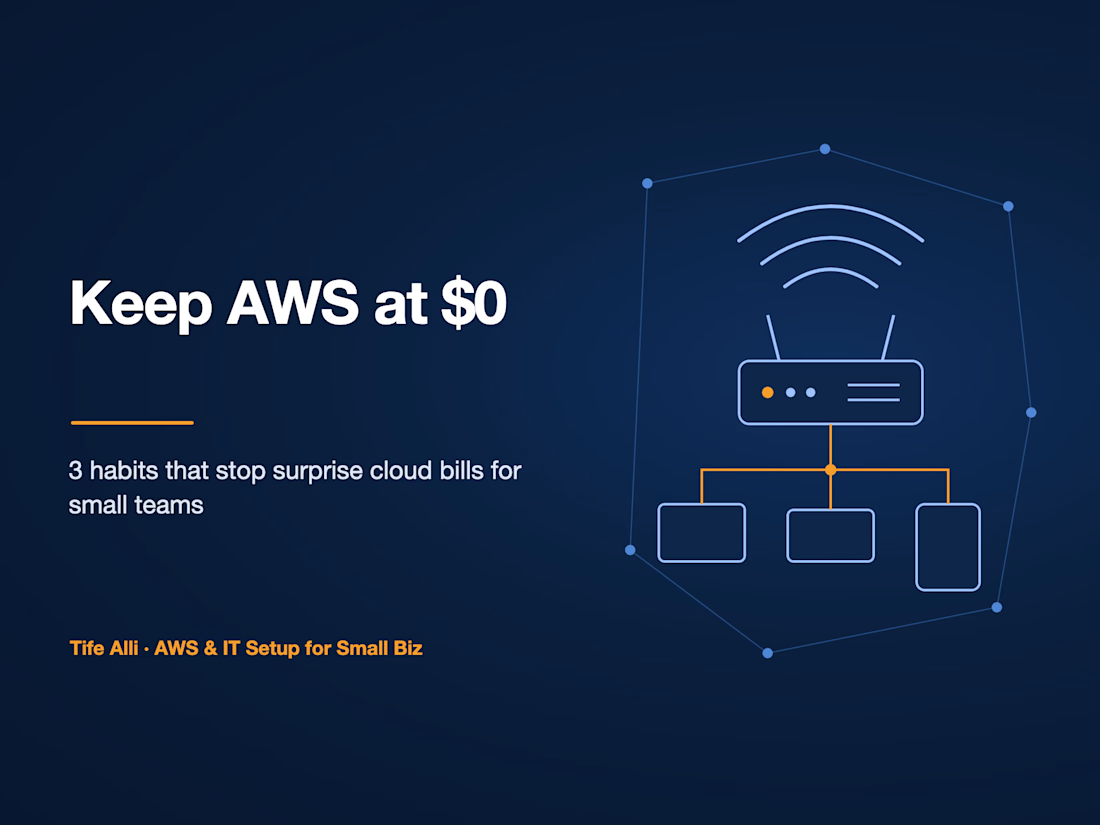
Keep your AWS bill at $0 while you experiment: 3 habits from my labs
When I built an EKS cluster and a Terraform + Ansible web server on AWS, the scariest part wasn't the setup. It was forgetting something running and getting a bill. Small businesses hit the same problem when someone "just tries something" in the console.
1. Build it so it can be destroyed. If it's in Terraform (or eksctl), one command tears everything down: load balancers, Elastic IPs and NAT gateways included. Those are the ones that quietly keep billing.
2. Set a budget alert before you build anything. AWS Budgets can email you at $1 or $5 so a mistake costs a coffee, not a month of rent.
3. Tag everything with an owner and a project. When the bill shows up, you can see exactly what it was for and who can turn it off.
I set up small-business AWS accounts with these guardrails built in (budgets, tagging, a teardown plan and a written runbook). If you're running something on AWS and aren't sure what it's costing you, message me and I'll take a look.

The network for creativity
Join 1.25M professional creatives like you
Connect with clients, get discovered, and run your business 100% commission-free
Creatives on Contra have earned over $150M and we are just getting started



Related posts

:I just launched something.
For the last few weeks, I've been helping B2B SaaS founders fix the same problem:
They get traffic. They don't get demos.
It's rarely the product. It's the message.
So I built WordBuilt — a copy system for B2B SaaS:
→ Landing page copy that makes your buyer say "this is for me"
→ Email sequences that turn leads into booked demos
First draft in 3-5 days. 1-2 rounds of revisions.
Starting at $1,200.
If you're a founder getting traffic but not enough demos, let's talk.
Here's my service page:
https://contra.com/s/3lNNO7sL-word-built-b2-b-saa-s-copy-system
DM me "DEMO" and I'll take a quick look at your funnel.
contra.com
WordBuilt — B2B SaaS Copy System by Sulaimon Jolaosho
Read more about WordBuilt — B2B SaaS Copy System by Sulaimon Jolaosho on Contra.

Traffic without demos is often a message problem. Sometimes it is the page itself though. A slow landing page or a demo form with too many fields can quietly kill bookings too. Do you look at those before you start on the copy?

Nobody fills in a contact form to ask the price of a 10,000-euro installation.
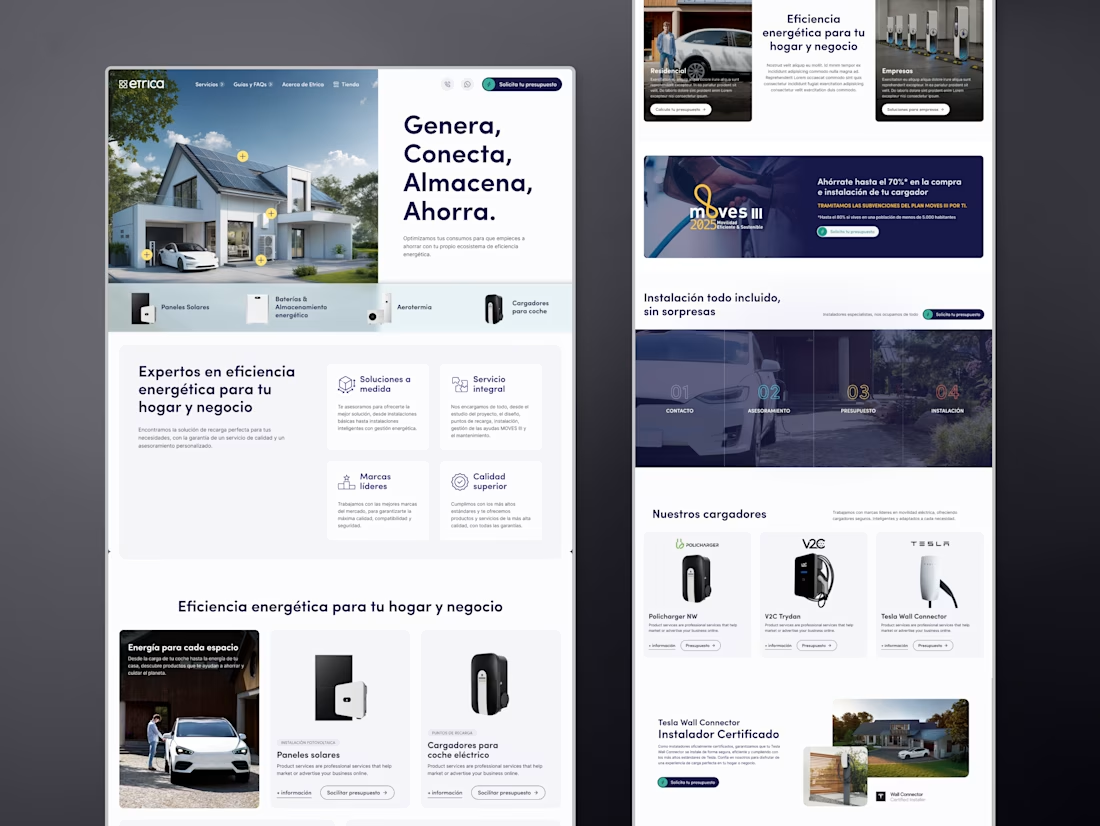
On Etrica, a sustainable energy company, the old site ended in a cold form. Visitors didn't know if they needed panels, a battery, a heat pump or a charger, so they left instead of asking.
We replaced the form with a guided quote: pick your situation and your solution, answer a few short steps, get a reply from a specialist. Less effort for the visitor, and Etrica receives a request it can act on instead of "how much is solar?".
The lesson I keep applying: when the product is expensive and technical, the form is part of the sales conversation. Design it like one.

A CRM full of duplicates is a CRM nobody trusts, and a CRM nobody trusts stops getting used.
• Merge duplicates on a schedule with HubSpot's duplicate management tool.
• Make the fields you need required on every form, and give every contact an owner.
• Set lifecycle stages with workflow rules, not by hand.
• Imports deduplicate on email; archive lists nobody uses.
Which of these is the messiest in your CRM right now?
Follow for more videos: instagram.com/sellwrightstudio · youtube.com/@sellwrightstudio


Duplicates are the messiest part in my experience too. One contact with three records and nobody knows which notes are current. Giving every contact an owner is the step most teams skip, and it shows.