The network for creativity
Join 1.25M professional creatives like you
Connect with clients, get discovered, and run your business 100% commission-free
Creatives on Contra have earned over $150M and we are just getting started
Back to feedPost

Your Shopify store is invisible to ChatGPT. Here's why.
AI shopping assistants now influence millions of purchase decisions every month. When someone asks ChatGPT "best [product] under $50" or Perplexity "where to buy [category] online" - your store either appears or it doesn't.
Most Shopify stores don't appear. Not because their products are bad. Because they're missing a handful of specific signals AI systems use to discover and recommend products.
Here are the most common reasons:
1. AI crawlers blocked in robots.txt
GPTBot, PerplexityBot, OAI-SearchBot - Shopify app installs can silently add them to your Disallow list. Check yours today at yourstore.com/robots.txt.
2. Price mismatch in Product schema
Your schema price must match your page price exactly. A single cent difference disqualifies your product from AI recommendations entirely.
3. Not connected to Google Merchant Center
83% of ChatGPT Shopping results pull directly from GMC. No connection = no visibility for shopping-intent queries.
4. No FAQ schema
FAQ schema has one of the highest AI citation rates of any content type. Three to five Q&As per product page, properly structured, makes a measurable difference.
5. Descriptions full of adjectives instead of facts
"Premium quality" gets ignored. "420D ripstop nylon, IPX4 waterproof, 680g" gets cited. AI systems reference specific, verifiable claims 40% more often than vague marketing copy.
____________________________
There are 31 more tasks in the full checklist. I put together a complete system - checklist and full playbook - covering every signal that matters for Shopify AI visibility in 2026.
Need someone to implement it for you? Let's talk!

The network for creativity
Join 1.25M professional creatives like you
Connect with clients, get discovered, and run your business 100% commission-free
Creatives on Contra have earned over $150M and we are just getting started



Related posts


Meet the Mental Reps squad!
We got a chance to bring these seven characters to life, including building a fully custom Shopify store for Mental Reps Co., a performance-psychology brand that teaches kids the mental game.
Each one lives in mentalrepsco.com
Big feelings, tiny monsters.


Love the concept and illustration style here. Making complex emotions friendly and tangible for kids is tough, but this squad nails it effortlessly. The branding looks super playful and clean!


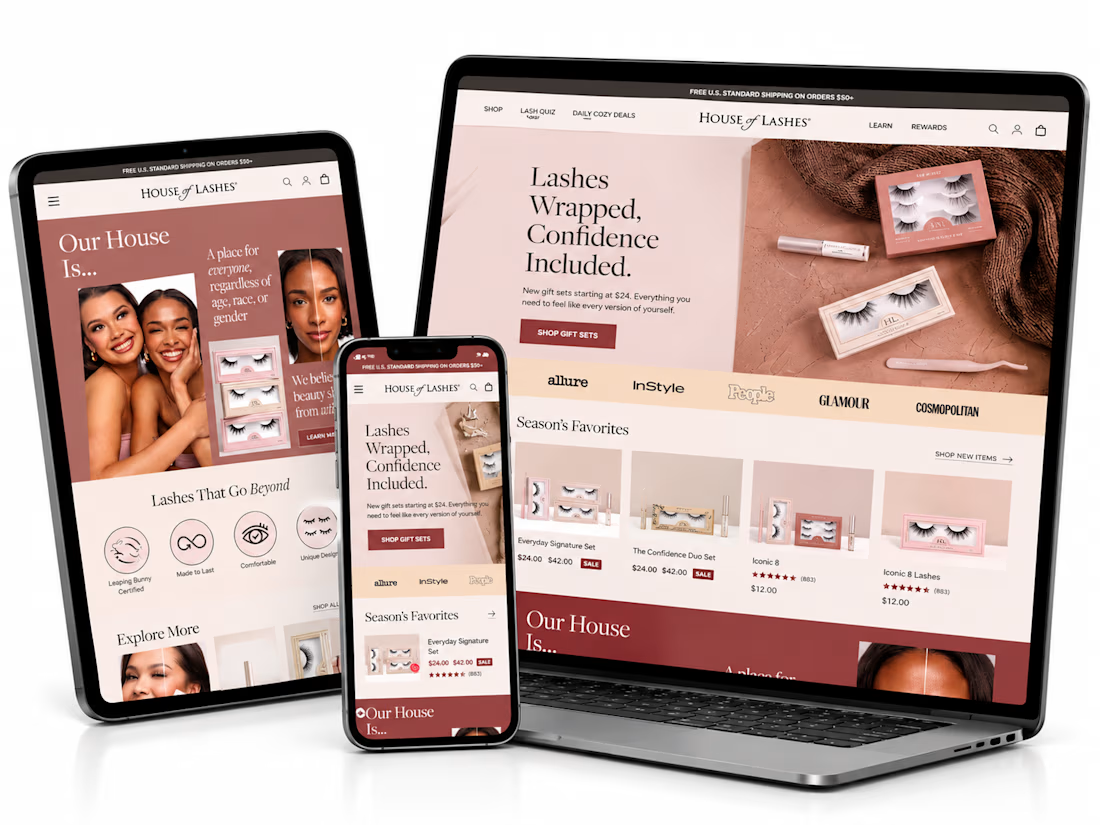
What if finding the perfect lash style was easier than ever? ✨
I’ve been exploring how a beauty eCommerce store can deliver a better shopping experience through thoughtful UI/UX design and conversion-focused strategies.
For this independent redesign concept, I explored a more engaging way to help beauty shoppers discover products, navigate collections, and make confident buying decisions.
A few things I focused on:
1. Clean, premium beauty storefront design.
2. Better product discovery and navigation.
3. Curated product collections.
4. A lash-finder quiz concept to guide shoppers.
5. Clear product presentation and shopping actions.
6. A responsive experience across devices.
My goal with this concept was simple: make the shopping journey feel effortless while keeping the brand visually engaging.
Because a beautiful store is great, but a store that makes shopping easier is even better.
Shopify founders and beauty brand owners: What's more important to you when designing a beauty store — visual experience or product discovery?
#Shopify #ShopifyDesign #ShopifyCRO #EcommerceDesign #UIDesign #UXDesign #ConversionOptimization


This is amazing. I would love to see more of your designs

Skincare labels can be difficult to decipher, especially when you’re trying to understand ingredients, spot potential allergens, and find products that fit your budget.
Purefy is an AI-powered clean beauty app designed to make that process simpler. Scan a product barcode to explore ingredient information, then compare personalized alternatives across different price points. The experience brings product discovery and comparison into a clear, approachable mobile interface.
Soft pastels, rounded elements, and expressive typography give the app a fresh visual identity while keeping product information at the center.