The network for creativity
Join 1.25M professional creatives like you
Connect with clients, get discovered, and run your business 100% commission-free
Creatives on Contra have earned over $150M and we are just getting started
Back to feedPost
How to Build Your Best Portfolio for 2027: Which Format Works Better?
Clients don't have time to dig.
Here's how to make your work easy to trust.
A potential client opens your link. You have about 10 seconds before they decide to stay or leave.
So the real question isn't ...should I have a portfolio?. It's ...which kind gets read, and which gets skipped?
Here's the breakdown.
1. PDF portfolio
Best for: sending directly to a client in a DM or email.
Strength: fast, controlled, looks exactly how you designed it.
Weakness: it's not searchable, it doesn't update itself, and it feels static.
Use it as a companion, not your main home.
2. Platform portfolio (Contra, Behance, Dribbble)
Best for: being found by clients already looking to hire.
Strength: built-in audience, reviews, and a clear way to contact you.
Weakness: you're on someone else's platform, with their layout and their rules.
This is where freelancers should start, because it puts you in front of buyers with no website to build.
3. Your own website
Best for: long-term trust and search.
Strength: you own it, control the story, and can show services, samples, and results in one place.
Weakness: it takes longer to build, and it needs traffic from somewhere else.
This is where serious clients end up after they've found you elsewhere.
4. LinkedIn profile + Featured section
Best for: B2B work, since buyers check it before they message you.
Strength: your portfolio sits next to your posts, so proof and personality are together.
Weakness: limited design space.
For B2B services, this is often the first place a client looks.
So which one wins?
None of them alone. What works best is a simple chain:
LinkedIn (get found) → Contra or your site (see the work) → PDF (close the deal).
Each one does a different job. LinkedIn brings the visitor, the portfolio page proves your skill, and the PDF makes it easy for them to forward you to their team.
What to put in any portfolio
Whatever format you choose, include these 5 things:
A one-line promise: who you help and what changes
3 strong samples, not 15 average ones
A short caption for each: the problem, what you did, why it works
One real result or testimonial, as soon as you have one
One clear next step: book a call, DM, or email
If you don't have client work yet, create sample projects and label them clearly as samples. That's honest, and buyers respect it more than a padded portfolio.
In 2027, a portfolio isn't a gallery. It's a trust tool. Keep it clean, specific, and easy to scan, and make the next step obvious.
I'm Maryam, and I ghost-write LinkedIn content for SaaS founders and help design clear, clean profiles. If you'd like help with your LinkedIn, profile, or website writing, message me on Contra or LinkedIn.

Love this! A portfolio should not just show what you do, but help potential clients understand how you can solve their problems. Trust and clarity make all the difference. 👏

happy you found it right
The network for creativity
Join 1.25M professional creatives like you
Connect with clients, get discovered, and run your business 100% commission-free
Creatives on Contra have earned over $150M and we are just getting started








Related posts

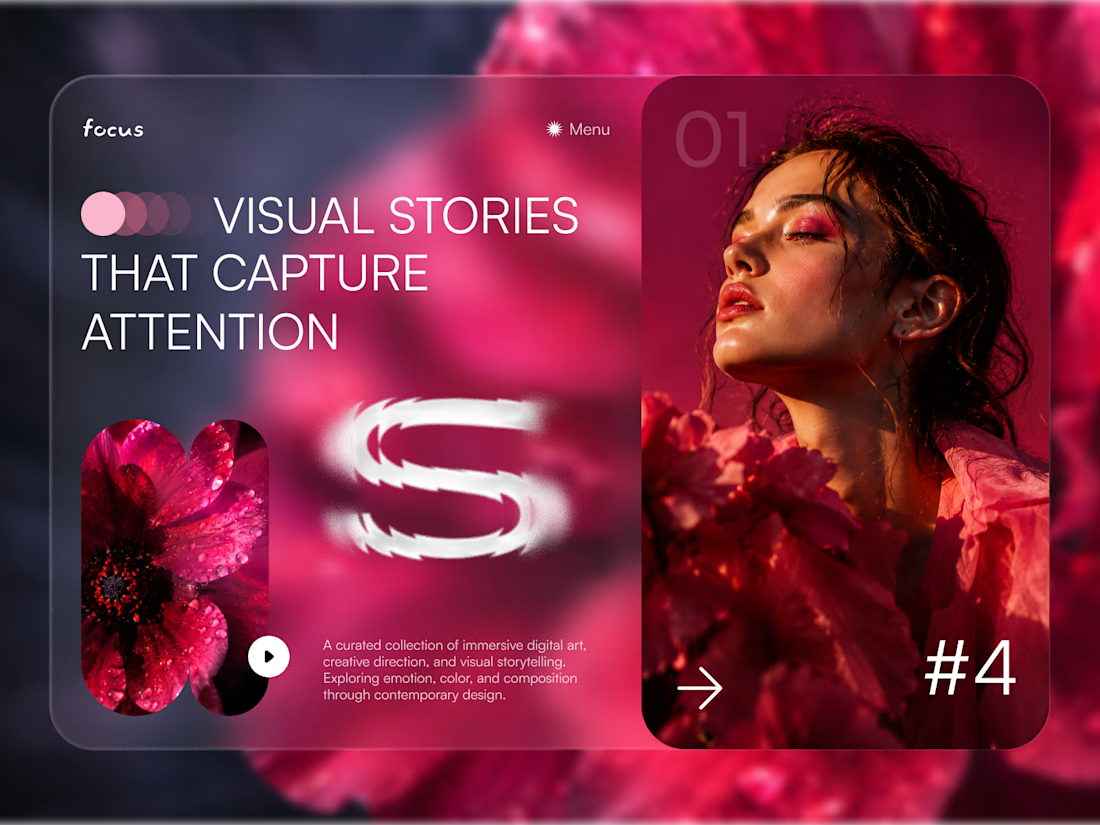
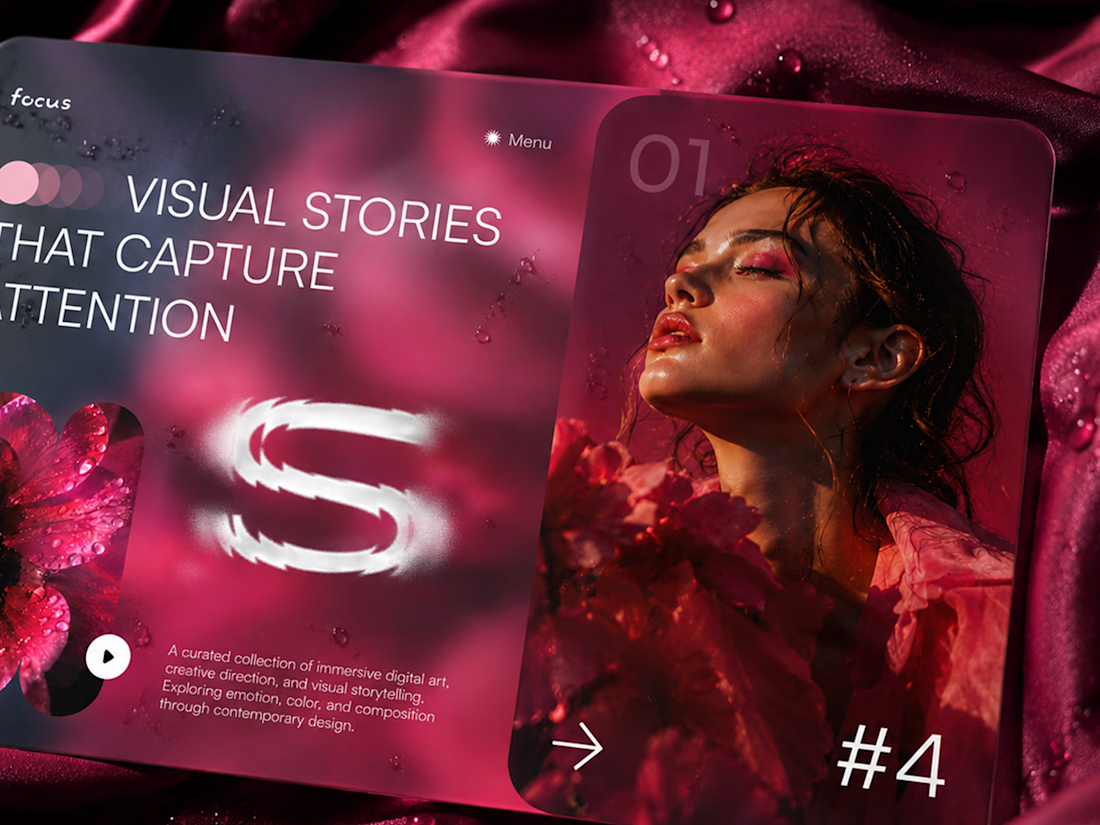
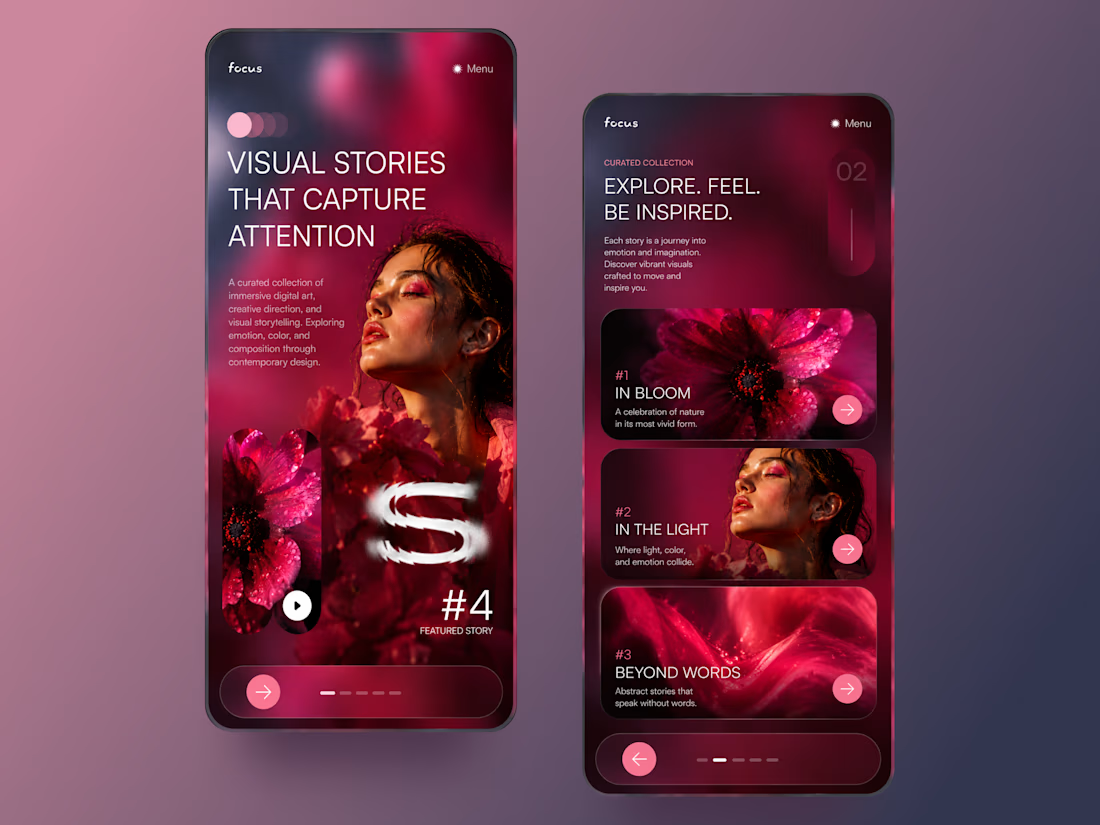
FOCUS — Creative Portfolio & Digital Art Website 🌸✨
A visually expressive website concept for a creative portfolio, built around digital art, bold imagery, and visual storytelling
The design combines vibrant pink tones, soft gradients, experimental typography, and immersive photography to create a distinctive editorial experience
Special attention was given to:
• Bold editorial hero composition
• Vibrant pink and dark color palette
• Experimental typography and visual details
• Immersive photography and digital artwork
• Creative project gallery and navigation
• Responsive mobile experience
• Clean layouts with a strong visual identity
The result is an expressive digital experience that puts creativity, emotion, and visual storytelling at the center of every screen 💗
Looking to create a standout portfolio or website for a creative brand? Let’s connect 🚀




My portfolio, reimagined in Framer
The goal was simple: bring everything together in one place, from client projects and case studies to Framer templates and project videos, while keeping the experience clean and easy to navigate.
The entire portfolio fits within a strict 100vh viewport, so you can explore everything without scrolling.
Would love to hear your thoughts and feedback!
Portfolio link in the comments.


Built Reveal in
@SVGatorApp, an expandable portfolio card with smooth motion and editable content.
The demo shows the same template with two content sets.


I love it. Its so modern!