The network for creativity
Join 1.25M professional creatives like you
Connect with clients, get discovered, and run your business 100% commission-free
Creatives on Contra have earned over $150M and we are just getting started
Back to feedPost

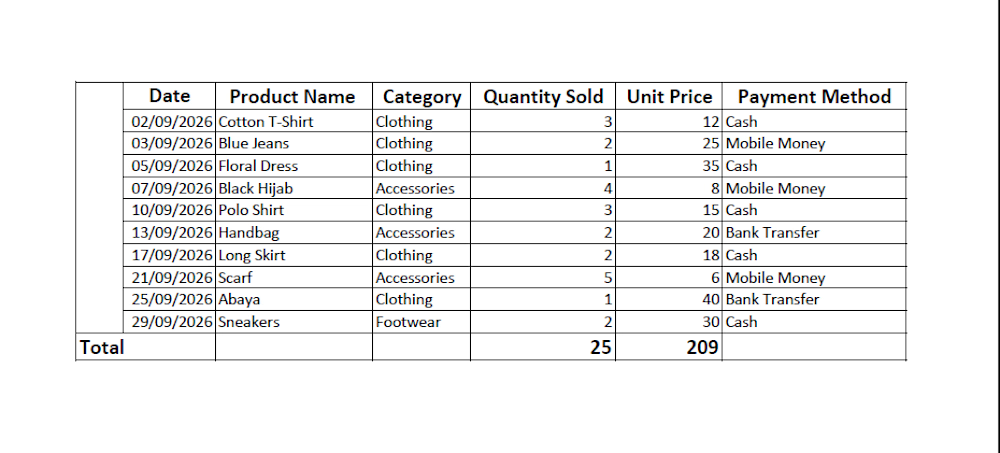
Created and organized a sample sales spreadsheet with product names, categories, dates, quantity sold, unit prices, payment methods, and total sales. The data was entered and structured in Excel for clear and easy record-keeping

The network for creativity
Join 1.25M professional creatives like you
Connect with clients, get discovered, and run your business 100% commission-free
Creatives on Contra have earned over $150M and we are just getting started





Related posts

Awesome


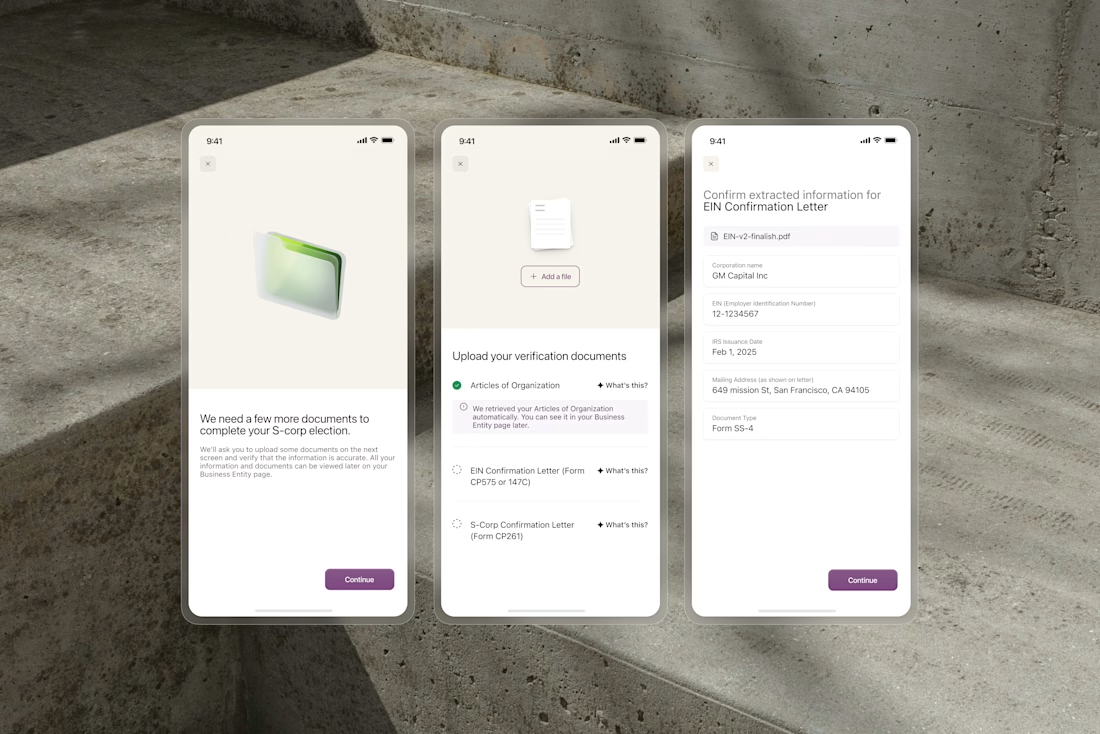
OCR extracts business names, formation dates, and addresses from uploaded documents automatically. But users still need to trust what the system found before anything gets submitted.
We designed the confirmation flow around editable fields that surface extracted data clearly....

The client's inventory wasn't organized. Products weren't consistently recorded, there was no SKU structure, and the system's stock figures didn't match what was physically on the shelves. That made it hard to know what they really had, what it was worth, and what their cost of sales should be.
What I did
Chose the right tool. I recommended QuickBooks Plus, which handles inventory tracking properly, rather than patching up spreadsheets.
Built the product list. I added every product to the system and allocated a clear SKU to each one.
Sorted the inventory. I organized the stock records so each item could be identified and tracked.
Reconciled to a physical count. I compared the system quantities with the actual stock on hand and resolved the differences.


Hi, I’m an experienced Bookkeeper dedicated to keeping your business finances accurate, organized, and up to date.
If you hire me, I’ll take care of your day-to-day bookkeeping so you can focus on running and growing your business.
What I’ll do for you:
Categorize and record transactions accurately
Reconcile bank and credit card accounts
Manage Accounts Payable & Receivable
Record invoices, bills, payments, and deposits
Clean up and organize your books
Handle month-end closing
Prepare accurate financial reports
Maintain QuickBooks Online, QuickBooks Desktop, or Xero
My goal is simple: clean books, accurate numbers, and a clear picture of your business finances.🙌

Wishing you the best of luck 😊