The network for creativity
Join 1.25M professional creatives like you
Connect with clients, get discovered, and run your business 100% commission-free
Creatives on Contra have earned over $150M and we are just getting started
Back to feedPost

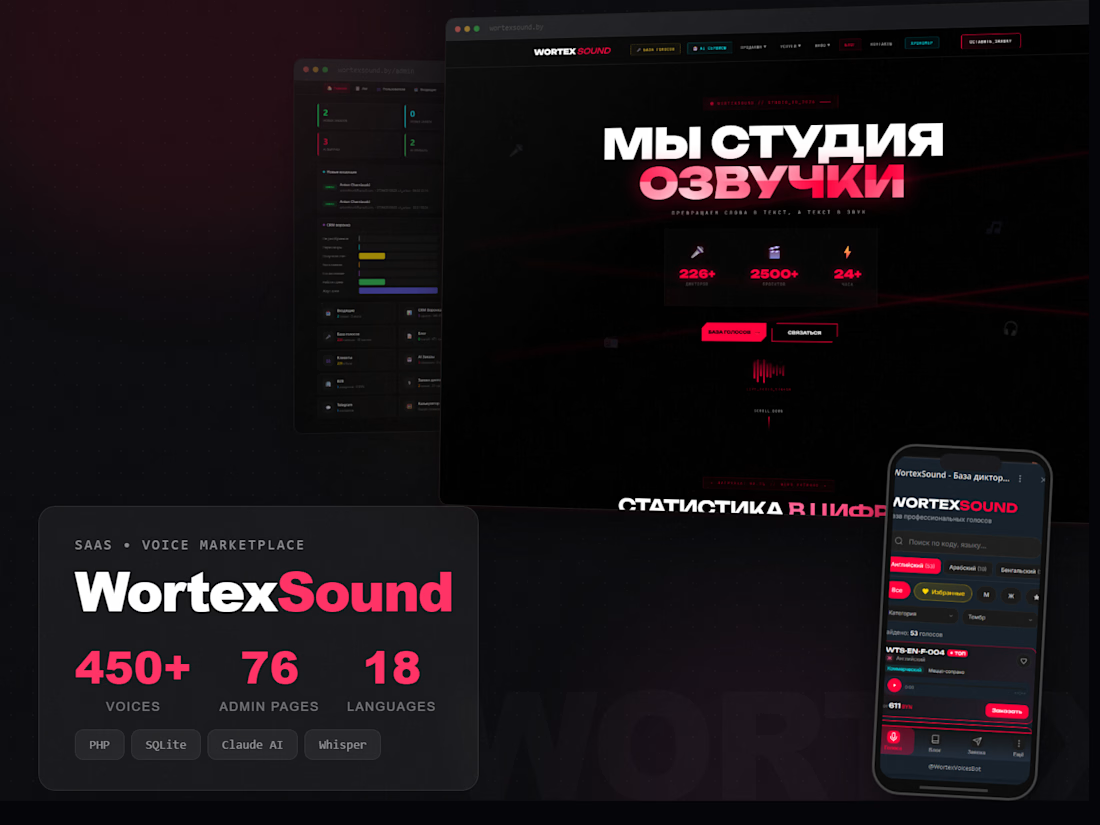
Built a voice marketplace from scratch — 450+ AI-generated voices, 18 languages, one admin panel.
WortexSound is a full SaaS platform where voice actors and AI-generated voices meet clients who need professional voiceovers. The admin panel alone has 76 pages — managing voices, orders, CRM pipeline, B2B clients, Telegram notifications, analytics, and a built-in calculator.
Key highlights:
- AI voice generation with Claude + Whisper integration
- Full CRM with sales funnel tracking
- B2B module for enterprise clients
- Telegram bot for real-time order notifications
- Multi-language support (18 languages)
Tech: PHP, SQLite, Claude AI, Whisper API, JavaScript
Shipped solo. From database design to deployment.
The network for creativity
Join 1.25M professional creatives like you
Connect with clients, get discovered, and run your business 100% commission-free
Creatives on Contra have earned over $150M and we are just getting started
Trending
retrofuturism
Share your favorite designs from the past exploring the distant future. Or your own take on the aesthetic 🚀
halftone
Dots. Texture. Grain. Let's see your designs using the halftone technique.

Midjourney
Creatives are showing off what they're making with Midjourney.
colorgrade
Video editors sound off: How do you enhance the mood of your video in color grading?





Related posts


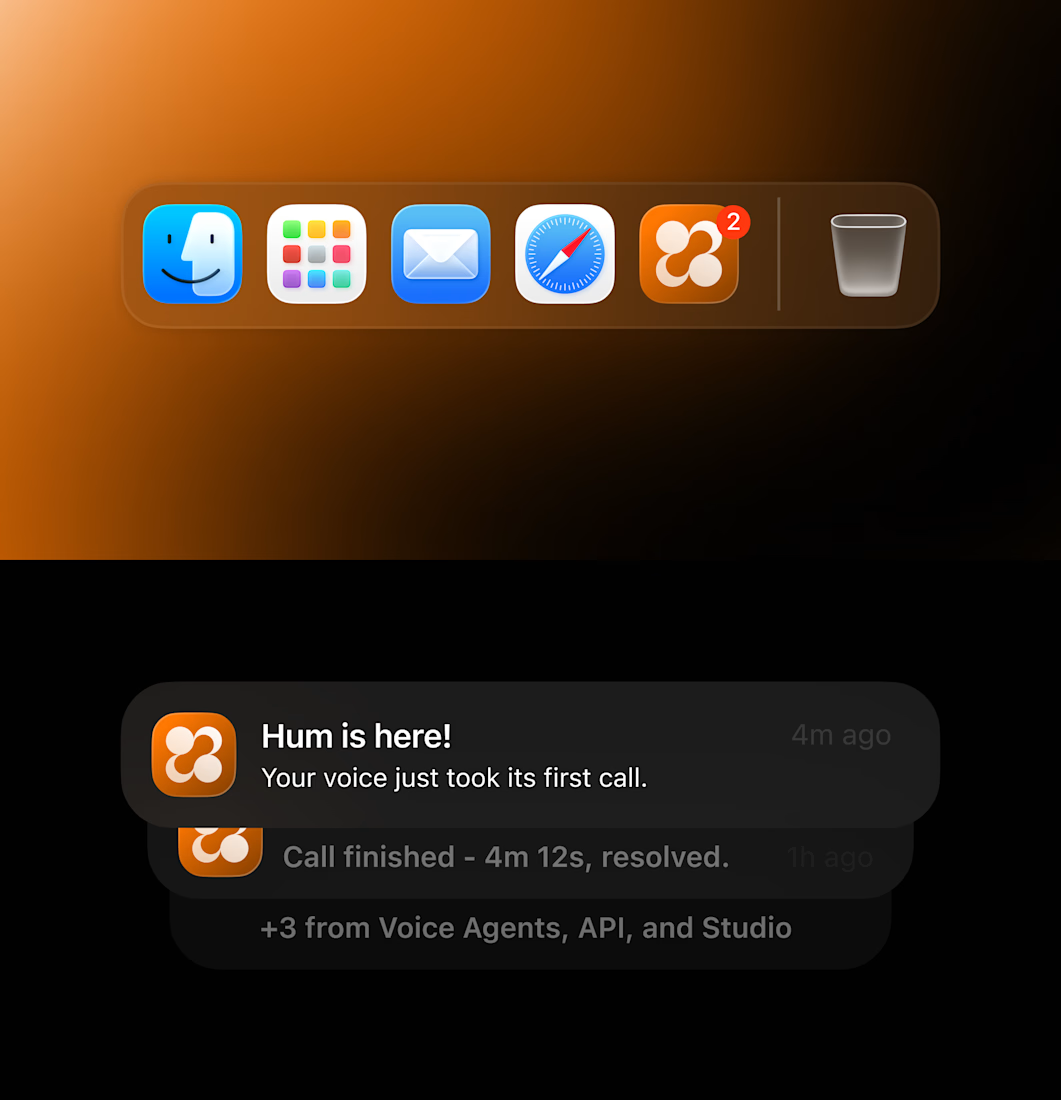
Hum is a voice AI - real-time text-to-speech, voice cloning, and voice agents. Just designed the full identity for it.

(Focus: Portfolio showcase, technical skills, and freelance service offering)
📌 Project Case Study: High-Converting AI Talking-Head Ad for B2B Agency 🚀
Goal: Create a sleek, high-converting video reel highlighting AI search gaps (AISO) for med spa and clinic owners.
⚙️ My 3-Phase Execution Process:
📝 Phase 1: Scripting & Storyboarding
• Developed a hook-driven script focused on loss aversion ("Is ChatGPT sending patients to your competitors?").
• Framed a clear CTA for a Free AI Visibility Audit.
💻 Phase 2: AI Asset Generation
• Generated a high-fidelity female corporate avatar.
• Rendered natural voice-over audio perfectly lip-synced to the avatar.
🔵 Phase 3: Post-Production & Motion Graphics
• Built custom screen mockups (ChatGPT interface) and comparative graphical animations.
• Added strategic sound effects and text pop-ups to maintain viewer retention throughout the 28-second runtime.
Deliverables Provided:
• 1x Vertical Video Reel (9:16 optimized for Instagram/LinkedIn/Meta Ads).
• Full dynamic text overlays & graphics.
• Master audio mix with background track & sound design.
👀 Looking to scale your video content with hyper-efficient AI workflows? Send a inquiry or book a project with me directly on Contra!
#VideoEditing #AIVideoProduction #CapCut #MotionGraphics #DirectResponse #SocialMediaAds


Love seeing agents built around immediate ROI like this, cutting spend leakage proves its value right away. Really clean UI and positioning