The network for creativity
Join 1.25M professional creatives like you
Connect with clients, get discovered, and run your business 100% commission-free
Creatives on Contra have earned over $150M and we are just getting started
Back to feedPost


Your app can work perfectly—and still feel slow.
One thing I’ve learned from building mobile apps is that performance isn’t just about avoiding crashes.
It’s about how the app feels.
A few things I always look at when optimizing a mobile application:
→ Slow API responses and unnecessary network calls
→ Excessive recomposition / UI rendering
→ Heavy work running on the main thread
→ Inefficient state management
→ Memory usage and image loading
→ Unnecessary database operations
→ Poor handling of loading, error, and empty states
For Android, I often dig into these areas using Kotlin, Coroutines, Jetpack components, and proper architecture.
For Flutter, the same principle applies: keep the UI responsive, minimize unnecessary rebuilds, and make async operations predictable.
The goal isn't to make the code “faster” just for the sake of it.
The goal is simple:
Make the app feel fast, reliable, and predictable—even when real users are on slow networks and older devices.
That’s where good mobile engineering makes a difference.
#MobileDevelopment #Android #Kotlin #Flutter #AppPerformance #SoftwareEngineering #MVP

The network for creativity
Join 1.25M professional creatives like you
Connect with clients, get discovered, and run your business 100% commission-free
Creatives on Contra have earned over $150M and we are just getting started
Trending
retrofuturism
Share your favorite designs from the past exploring the distant future. Or your own take on the aesthetic 🚀
halftone
Dots. Texture. Grain. Let's see your designs using the halftone technique.

Midjourney
Creatives are showing off what they're making with Midjourney.
colorgrade
Video editors sound off: How do you enhance the mood of your video in color grading?





Related posts


Looking for someone who can create a mobile phone app.


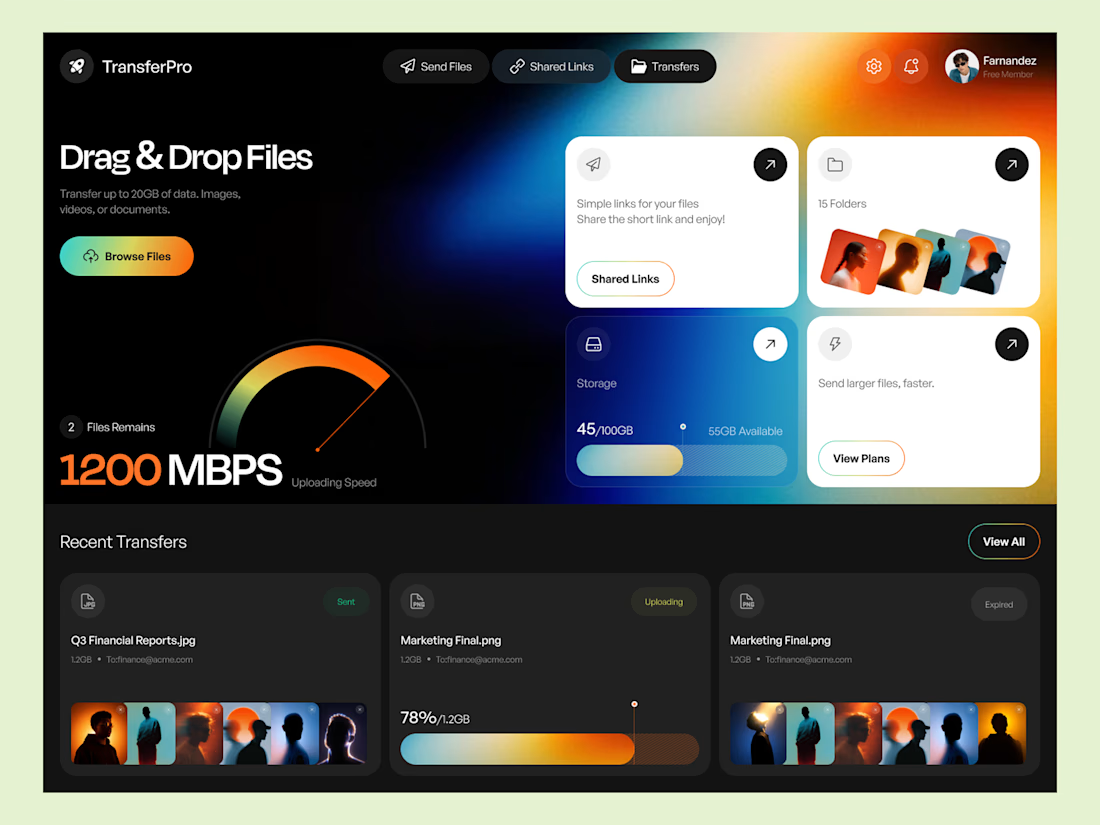
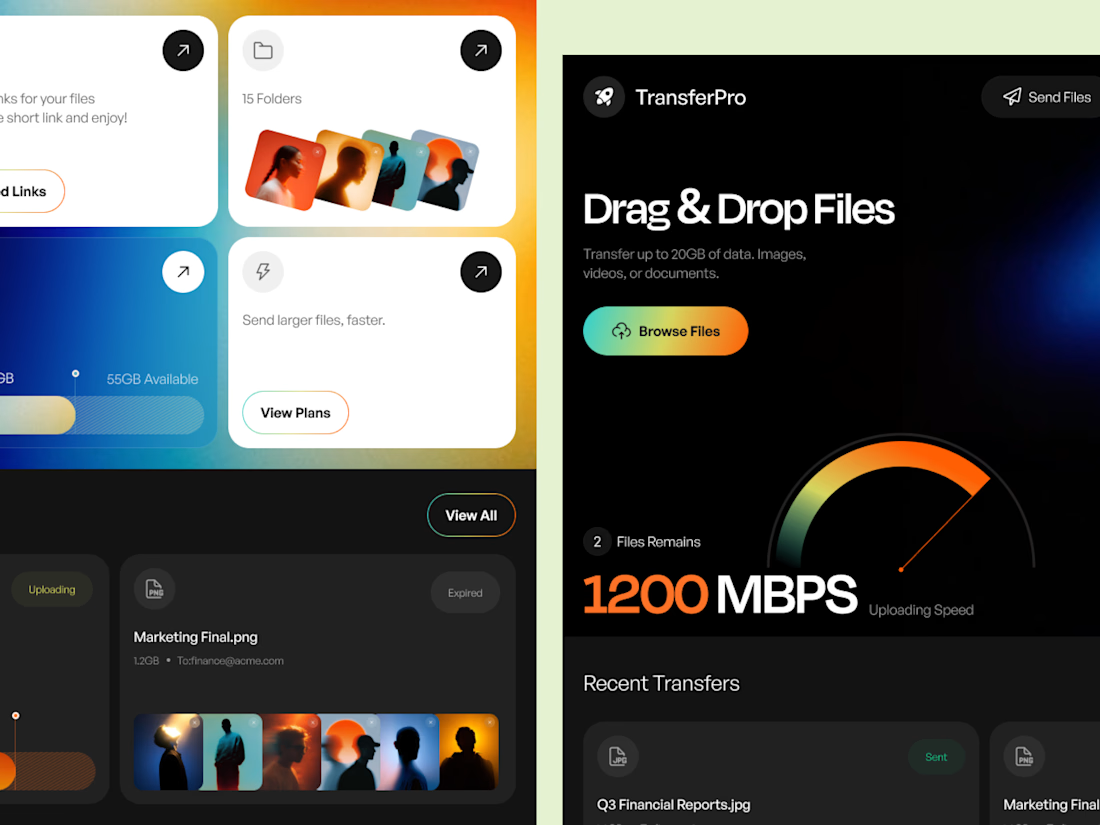
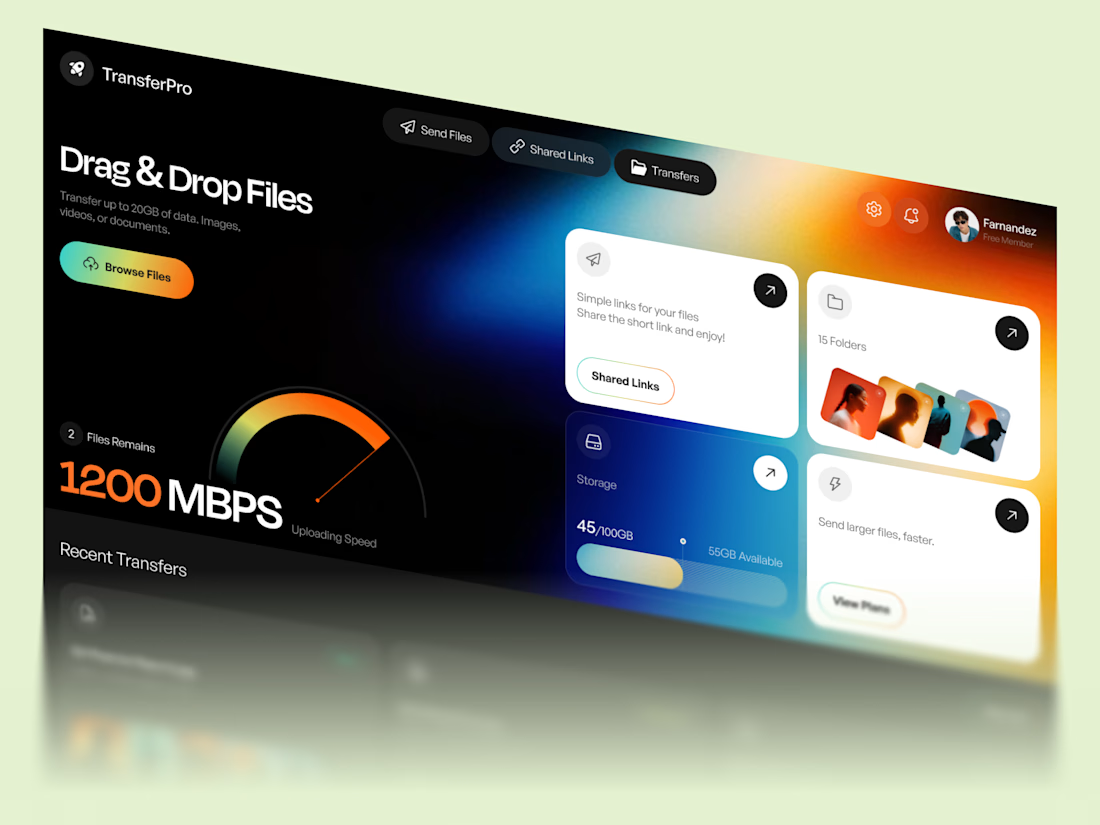
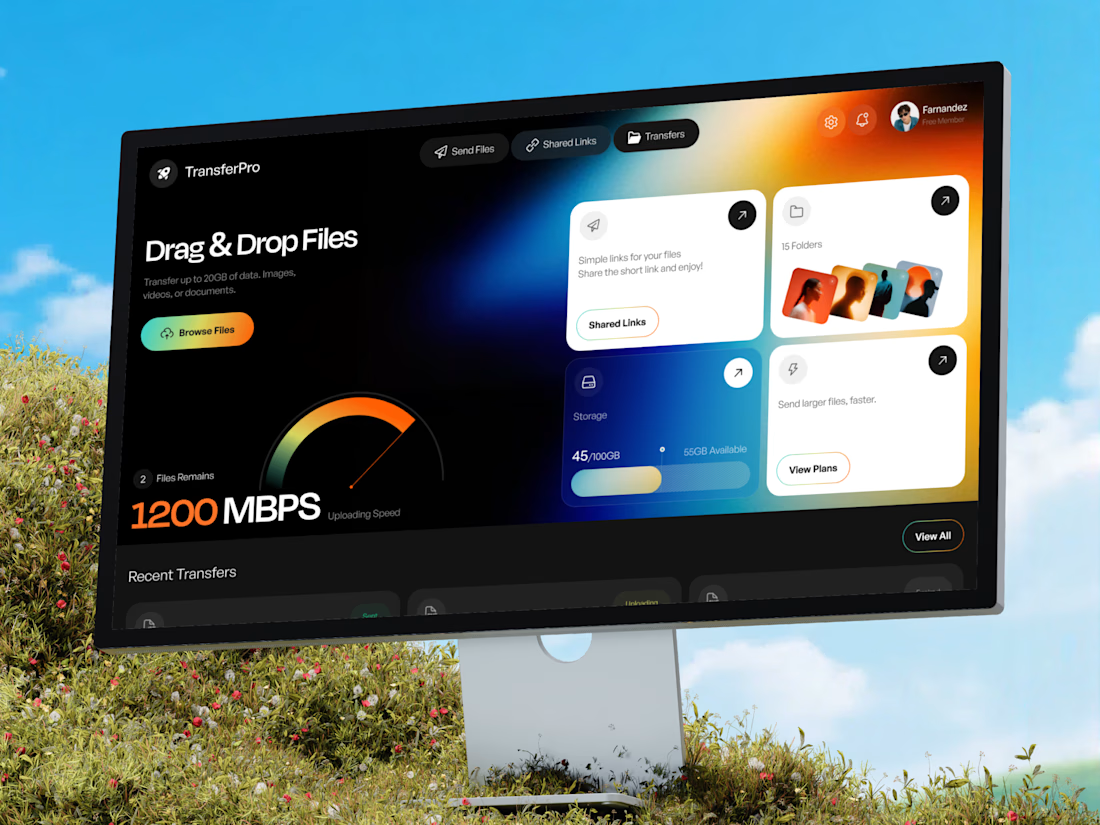
TransferPro - A High-Speed File Transfer SaaS Experience
TransferPro explores how a complex file-management product can feel fast, focused, and visually refined.
The concept combines large-file transfers, cloud storage, shared links, folder organization, and recent activity inside one centralized SaaS workspace.
From the 1200 Mbps performance visualization to the bento-style feature cards, every section was designed to reinforce the product's core promise: speed without unnecessary complexity.
The visual language uses a dark foundation with energetic gradients to create a futuristic cloud-tech aesthetic while maintaining a clear information hierarchy.
For SaaS products, good UI isn't just about making the interface look modern.
It's about making complex workflows easier to understand, faster to navigate, and easier to scale.
Building a SaaS product that needs a stronger UX or a complete UI redesign? Let's collaborate. Taqwah specializes in SaaS UI/UX, dashboard design, design systems, and product interfaces built around real user and business needs.


Full View of the Project: https://dribbble.com/shots/27699760-File-Transfer-SaaS-Dashboard-UI-Cloud-Storage-Sharing

Task Management and Scheduling mobile app design. Light or dark mode which will you go for ??
1 voted
33%
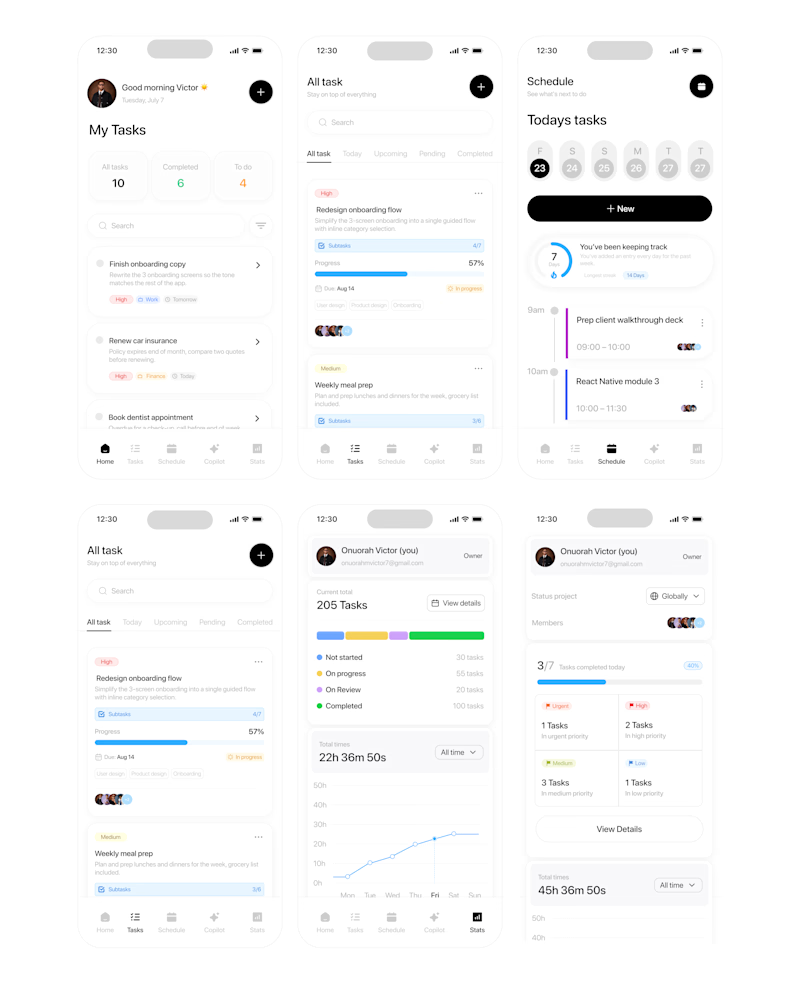
2 voted
67%
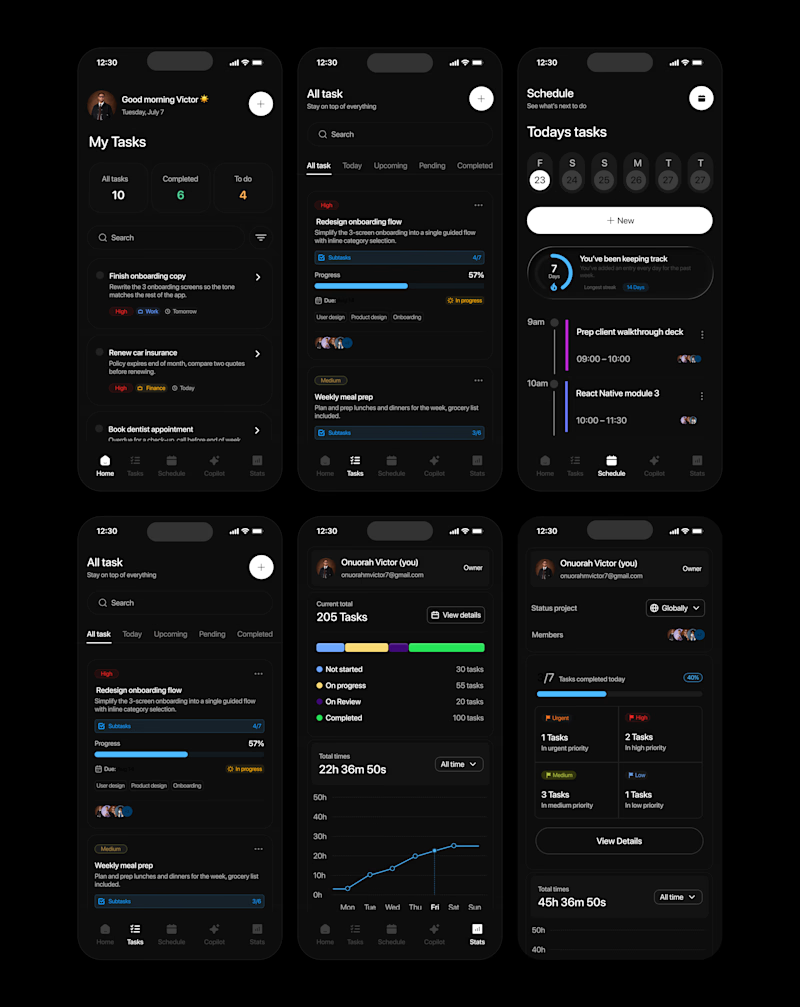
3 votes
Closed