The network for creativity
Join 1.25M professional creatives like you
Connect with clients, get discovered, and run your business 100% commission-free
Creatives on Contra have earned over $150M and we are just getting started
Back to feedPost
What if every new lead could be handled before you even open your inbox? ⚡
This AI-powered workflow turns a new email inquiry into a structured, ready-to-handle lead — automatically.
A new inquiry arrives → AI extracts the important details → Airtable/CRM is updated → the response goes through optional human approval → a personalized email is sent → Notion is updated → the team gets notified in Slack → performance data is collected for reporting.
The goal isn't to remove people from the process. It's to remove the repetitive work around them.
This type of workflow can be customized for B2B companies, SaaS businesses, agencies, real estate, e-commerce, recruitment, consulting, customer support, healthcare, finance, education, and other service businesses.
Already know what you want to automate? → Send me your current workflow and I’ll map out how we can automate it.
Still doing repetitive work manually? → Tell me the task that consumes your team’s time, and I’ll help identify what can be automated.
#AIAutomation #AIWorkflow #AIWorkflows #AIAgents #Automation #WorkflowAutomation #BusinessAutomation #ProcessAutomation #n8n #n8nAutomation #ArtificialIntelligence #GenerativeAI #B2B #B2BAutomation #SaaS #SaaSAutomation #SalesAutomation #LeadGeneration #LeadAutomation #LeadManagement #EmailAutomation #CRMAutomation #CustomerSupport #CustomerServiceAutomation #MarketingAutomation #AgencyAutomation #RealEstateAutomation #EcommerceAutomation #RecruitmentAutomation #HRautomation #FinTech #HealthcareAutomation #EdTech #BusinessGrowth #BusinessEfficiency #DigitalTransformation #NoCode #LowCode #OpenAI #AIAgent #CRM #Airtable #Notion #Slack #Productivity #FutureOfWork


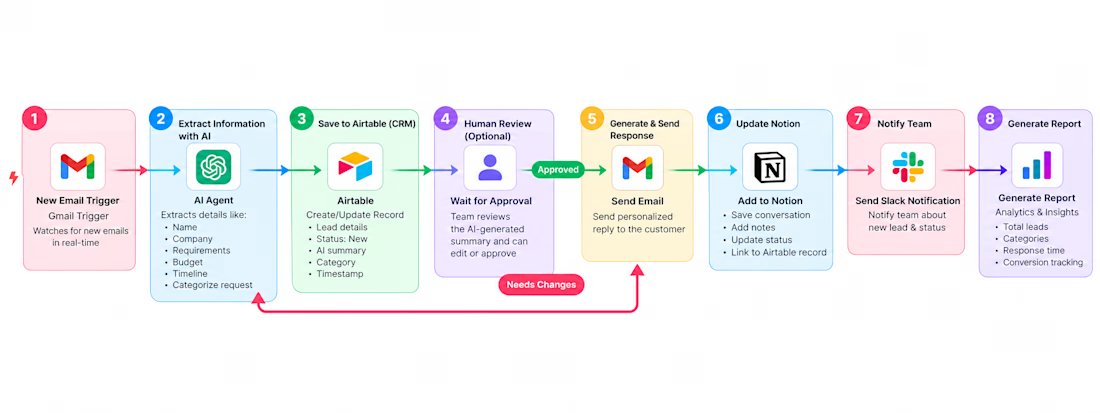

I'd use the human approval step to capture corrections, not just a yes/no decision. If a reviewer changes the extracted lead details, does the workflow update Airtable and the reporting record before sending the email?

Yes, the workflow updates both Airtable and the reporting record with the reviewer's corrections before the final email is sent. The system is designed to capture these manual edits dynamically rather than treating the step as a simple binary approval.

Seeing the AI pull key info from each email and push it straight into Airtable cuts the copy paste step you'd otherwise spend on.
Exactly! That’s what makes the workflow so useful—automating those repetitive steps saves time and keeps the data organized.
The network for creativity
Join 1.25M professional creatives like you
Connect with clients, get discovered, and run your business 100% commission-free
Creatives on Contra have earned over $150M and we are just getting started











Related posts

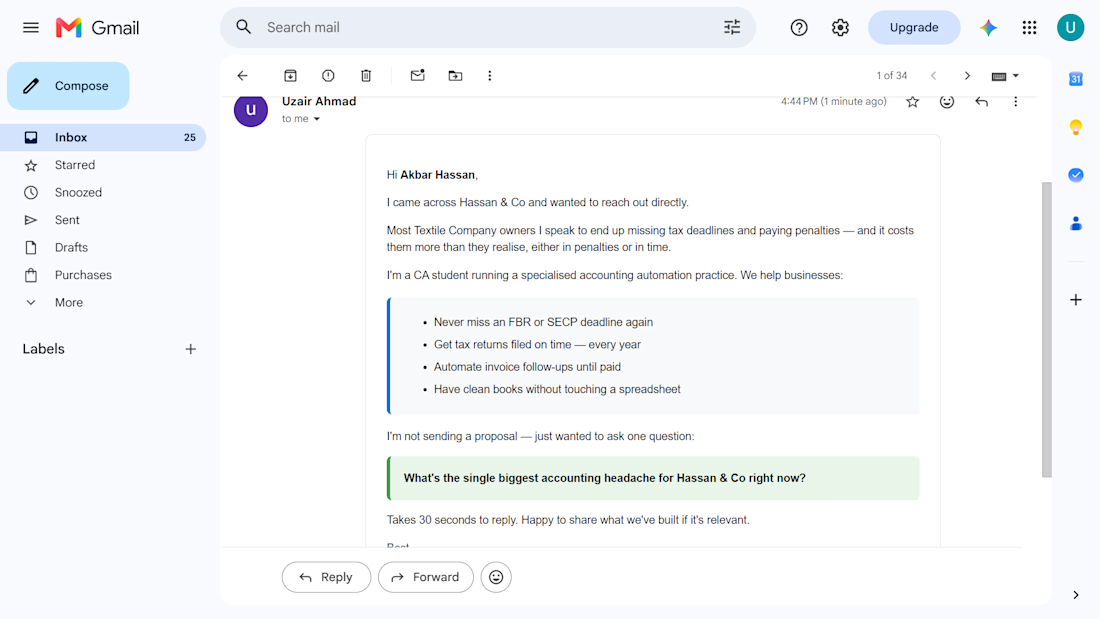
CA Firm Automation Suite — Complete. 5 Stages. 9 Days.
Started with a problem. Finished with a system.
✅ Stage 1 — Client onboarding: form to folder in seconds
✅ Stage 2 — FBR & SECP alerts: 7, 3, 1 day warnings, every client
✅ Stage 3 — Invoice follow-ups: 3 escalating reminders, auto-stop on payment
✅ Stage 4 — Tax data collection: automated document requests with checklist
✅ Stage 5 — New client outreach: personalised emails based on pain point
Built by a 20-year-old CA student who knows this industry from the inside.
Zero per-month cost. Runs free on n8n + Railway.
Looking for the first CA firm to implement this. If that’s you — let’s talk.

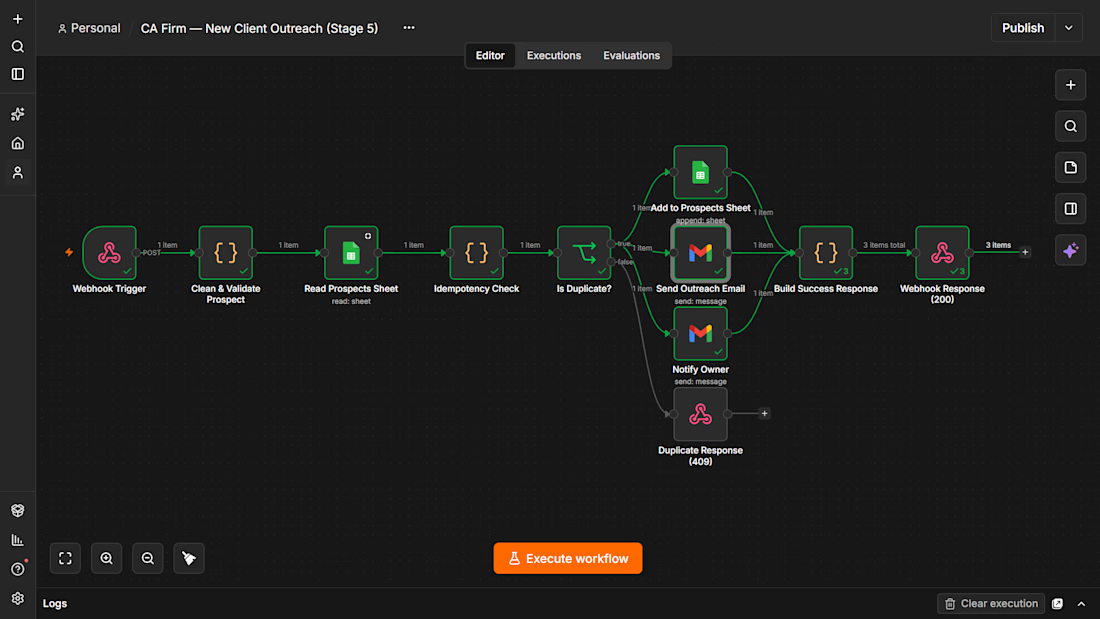
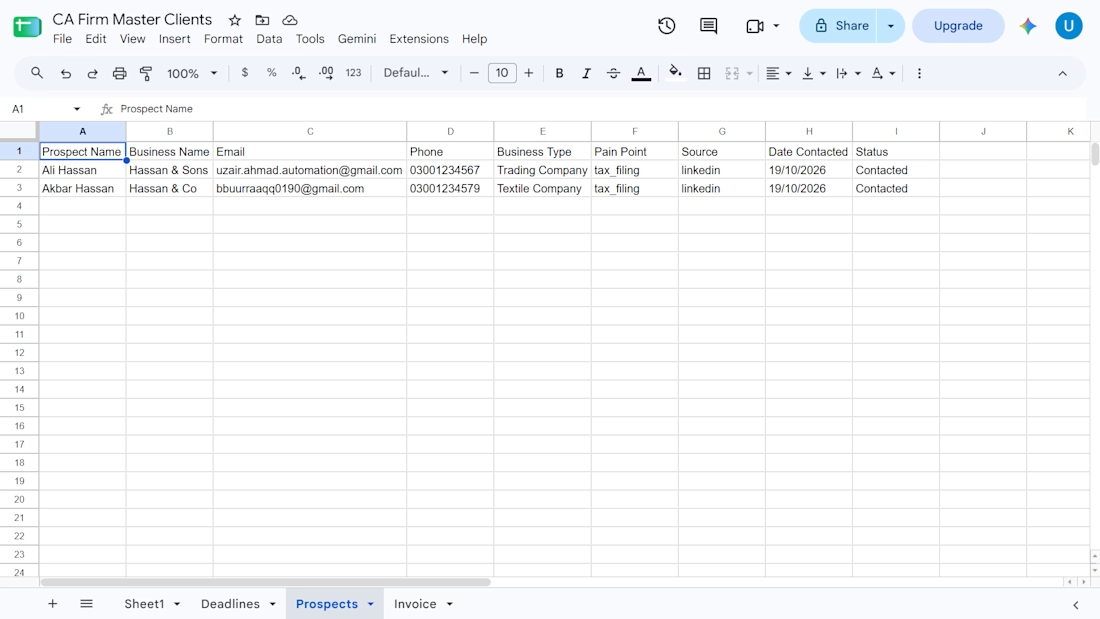
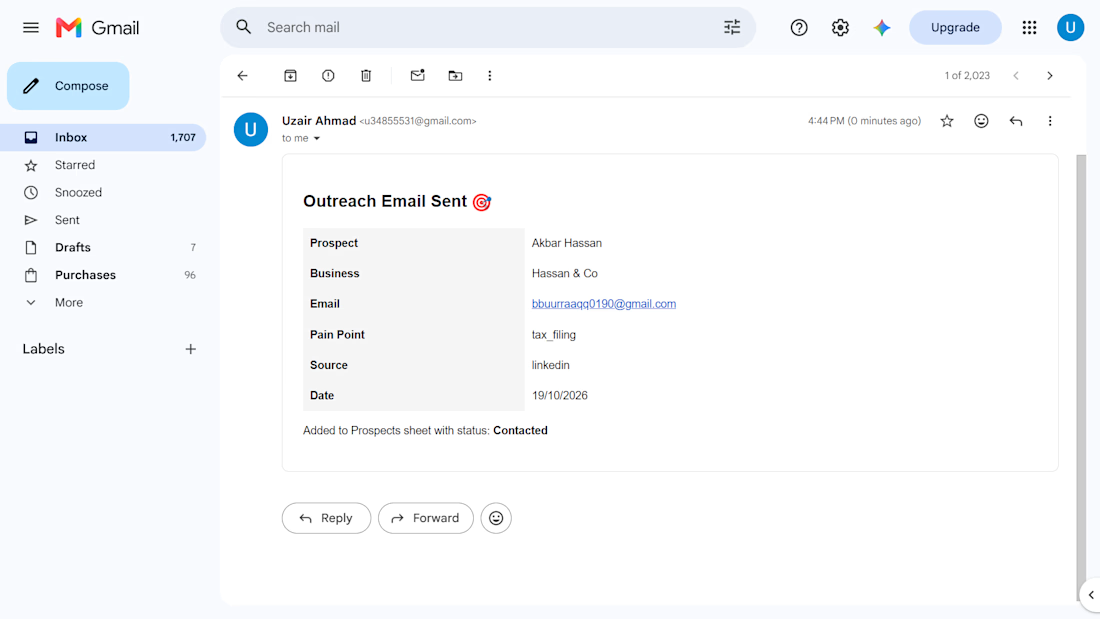
For the tax document checklist, I'd match uploads to both the client and tax period before marking an item complete. How do you handle a client uploading last year's statement or a replacement after the checklist has already cleared?

AI Email Automation with n8n and Google Gemini
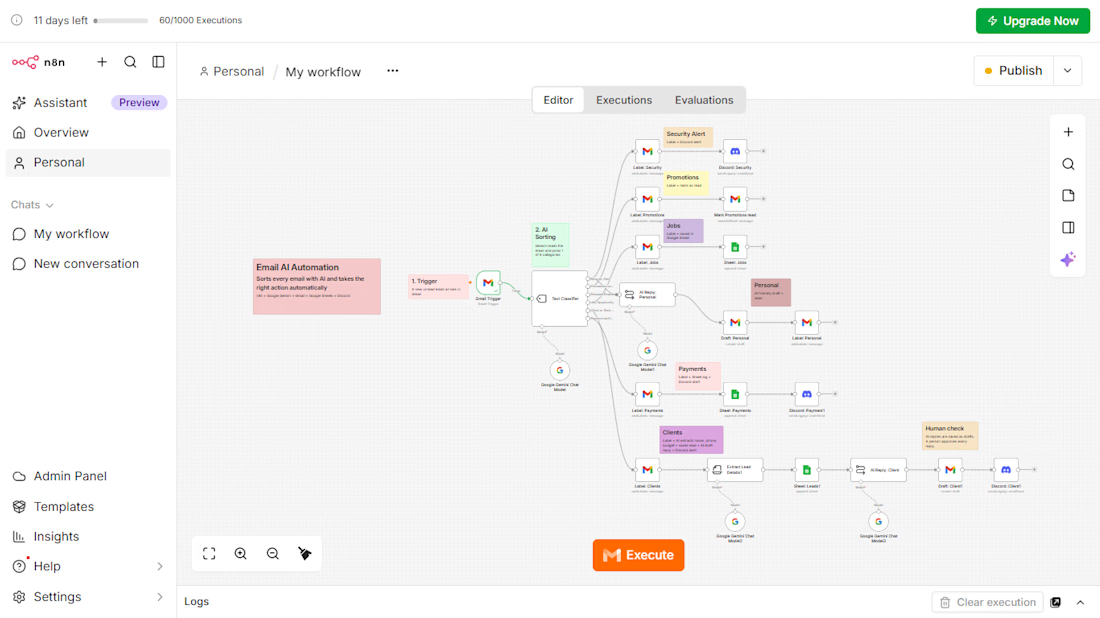
An AI workflow that reads every incoming email, sorts it into 6 categories, and takes the right action automatically.
The problem: businesses lose time and leads because customer emails are mixed with promotions, job alerts, and security emails.
What I built:
Gmail Trigger that picks up each new email
AI Text Classifier (Google Gemini) with 6 categories: Security Alert, Promotions, Jobs, Personal, Payments, and Client Inquiries
Automatic Gmail labels for every category
Google Sheets log for jobs, leads, and payments
AI information extraction for client emails (name, phone, service, budget)
AI-written reply drafts for client emails, saved as drafts so a person approves every reply
Instant Discord alerts for security, payment, and client emails
Tools: n8n, Google Gemini, Gmail, Google Sheets, Discord
This project is a working demo built on my own inbox. The same system can be adapted to any business email, such as travel agencies, event venues, stores, recruiters, and consultants.

Impressive workflow! I especially like the human approval step for AI-written replies. Automation with the right oversight makes a real difference. 🙌

A damaged-order request should not become an automatic promise.
In this OpsPilot demo, five damaged units and a requested Friday deadline become a structured request and an editable response.
The workflow pauses for a person to review the facts. I edit the reply, approve it, and the same execution resumes—with the decision recorded in the audit trail.
Independent portfolio demo using fictional data and a fallback AI provider. All external actions are simulated; no messages are sent.
Which would you require a person to confirm before replying: replacement availability, the delivery date, or both?
Explore the demo: https://opspilot.159-89-22-244.sslip.io/
I'd confirm both before promising a replacement by Friday, and keep the customer's requested date separate from the confirmed delivery date. If stock is available but shipping isn't confirmed, the draft should acknowledge the request and say delivery is still being checked.