The network for creativity
Join 1.25M professional creatives like you
Connect with clients, get discovered, and run your business 100% commission-free
Creatives on Contra have earned over $150M and we are just getting started
Back to feedPost

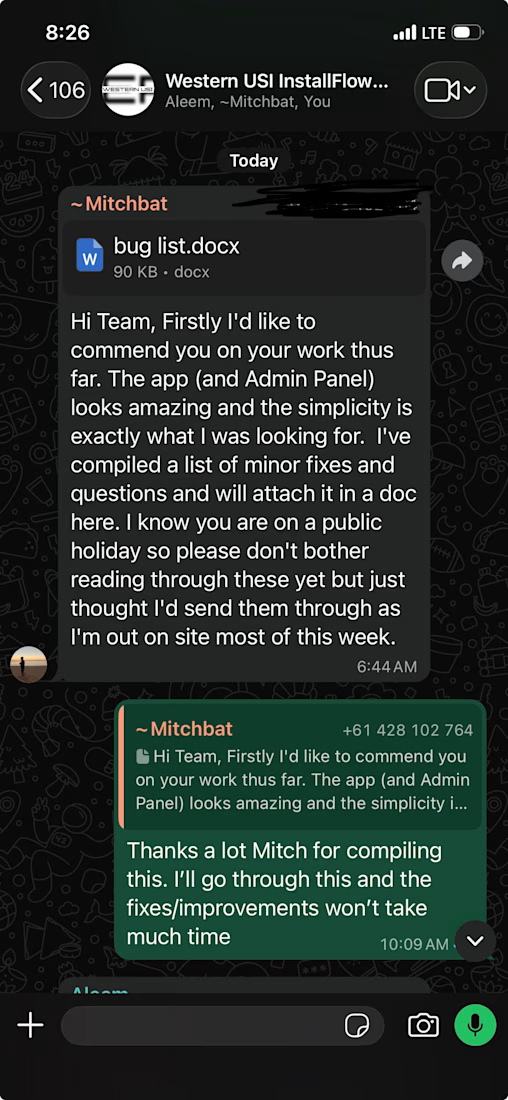
One of the more interesting projects we’ve taken on recently has been with the founder of Western USI, one of Australia’s largest signage installation companies.
When we first started working together, there was definitely some hesitation. And honestly, I don’t blame him. Handing over an important part of your business to a new software team requires a lot of trust.
So we didn’t try to convince him with big promises. We focused on the work.
We built the app, worked through the details, added the admin panel, and kept improving things based on his feedback. Slowly, the conversations changed from “Can this be done?” to “Can we also add this?”
Then we got this message from him, complimenting the app and admin panel and sending over his list of fixes and improvements.
That shift is probably my favorite part of working with founders.
You don’t really earn trust by talking about what you can build.
You earn it by building something that makes the client comfortable enough to trust you with the next thing.
The network for creativity
Join 1.25M professional creatives like you
Connect with clients, get discovered, and run your business 100% commission-free
Creatives on Contra have earned over $150M and we are just getting started

Challenges
View all


Related posts

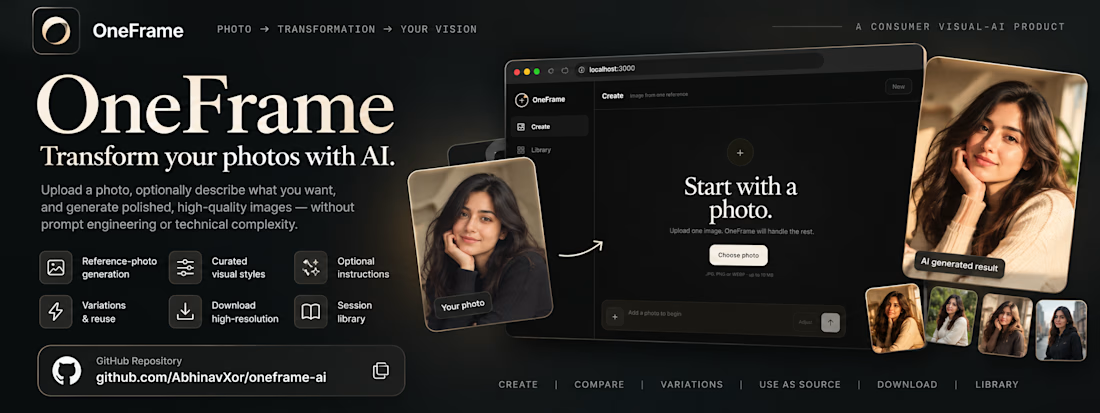
I built OneFrame, a focused consumer AI image-generation product designed to turn a single reference photo into a polished visual without making users deal with complex model settings or prompt engineering.
I worked on the full product experience, including photo upload, drag-and-drop, optional text instructions, curated visual styles, adjustable transformation strength, generation states, original-vs-result comparison, variations, reuse-as-source, downloads, and a session library. On the engineering side, I also implemented server-side provider routing, secure environment-based API handling, responsive UI, validation, repository checks, and GitHub Actions CI.
The project is built with Next.js, React, TypeScript, CSS Modules, Stability AI, fal.ai, and Hugging Face integrations.



With provider routing, do you keep the same transformation-strength scale across providers? Otherwise switching providers could change what the same slider value means to the user.

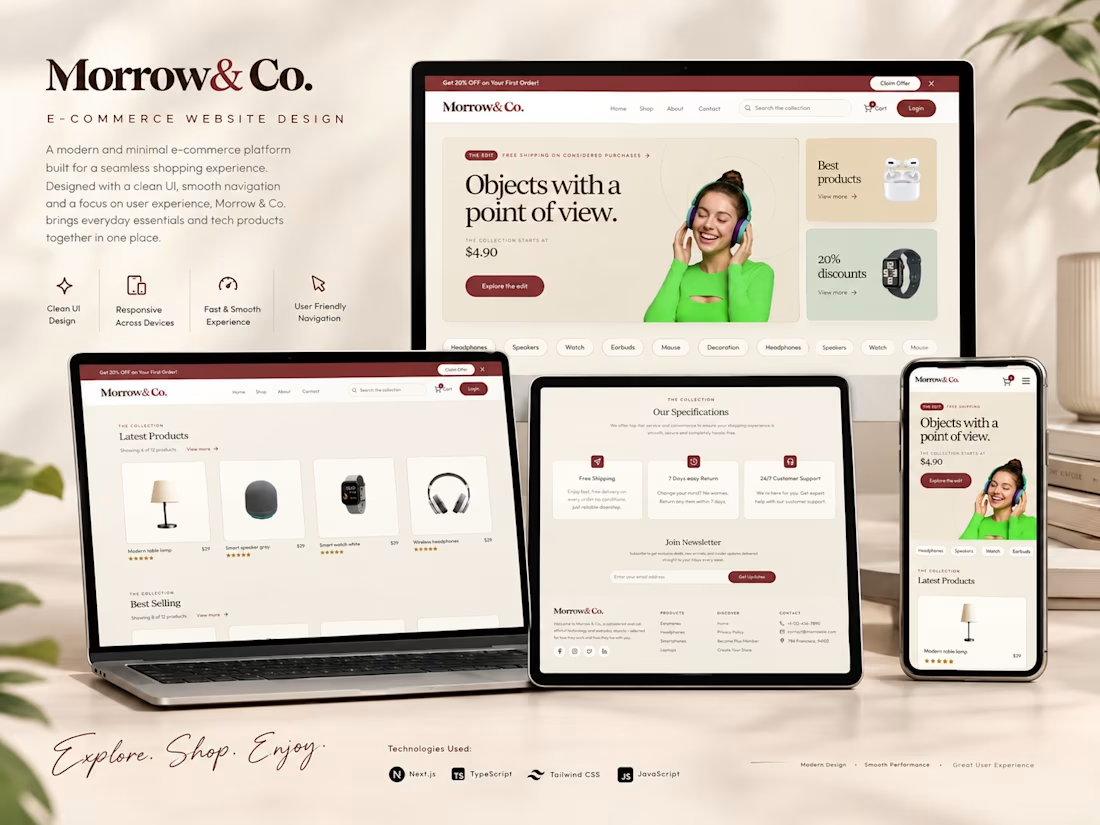
Morrow — Modern Digital Experience
A modern, polished web experience built with a strong emphasis on visual identity, clean composition, and a seamless user journey.
I focused on transforming the design concept into a refined, responsive digital experience with carefully crafted layouts, typography, spacing, and interaction details. Every section was structured to feel intentional while maintaining a smooth and consistent experience across screen sizes.
What I worked on
Developed the complete responsive frontend experience
Translated the visual direction into a polished web interface
Built reusable and maintainable UI components
Focused on typography, spacing, composition, and visual hierarchy
Created responsive layouts for desktop and mobile
Refined interactions and UI details for a more premium experience
Optimized the overall interface for usability and consistency
Outcome: A clean, modern, and visually refined web experience designed to give the brand a strong digital presence and a memorable first impression.



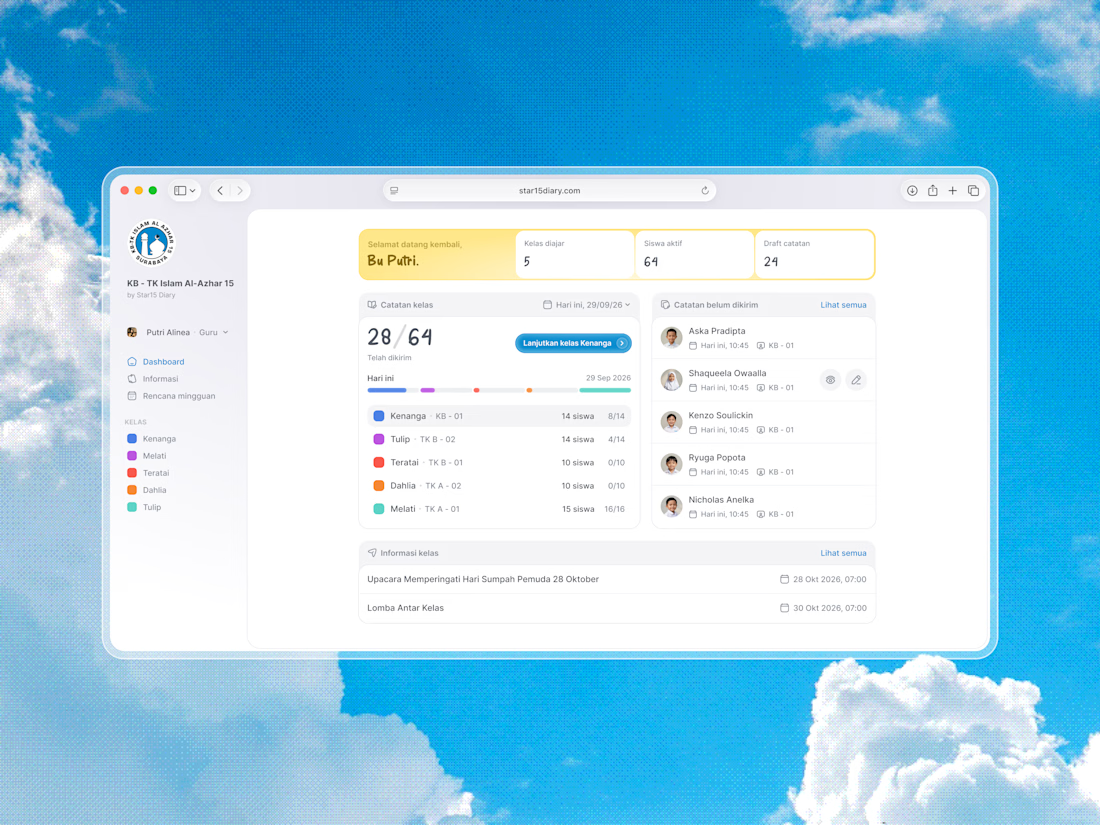
Around a month ago, I got a custom project from one of the larger kindergarten schools in Indonesia.
The scope was pretty focused: a notes and reporting syst...