The network for creativity
Join 1.25M professional creatives like you
Connect with clients, get discovered, and run your business 100% commission-free
Creatives on Contra have earned over $150M and we are just getting started
Back to feedPost

The Silent Weight of Social Anxiety and Panic Disorder
It is estimated that over 1 billion people worldwide experience different mental health challenges. Many of these conditions become more severe when they are ignored or left untreated for long periods.
One of the most misunderstood mental health conditions is social anxiety disorder. Social anxiety is more than simply being shy or nervous before a presentation or date. It is a persistent fear of being judged, criticized, embarrassed, or negatively viewed by others, even during ordinary interactions.
Social anxiety often begins during adolescence or early adulthood. It may develop due to genetics, traumatic experiences, bullying, neglect, or difficult social encounters. For many individuals, it gradually affects daily life and relationships without others noticing.
People living with social anxiety may experience symptoms such as trembling, chest tightness, nausea, sweating, dizziness, rapid heartbeat, or difficulty speaking in social situations. Many begin to avoid gatherings, conversations, school activities, or opportunities they would normally enjoy. Over time, this avoidance can affect confidence, relationships, academic performance, and overall quality of life.
In some cases, severe anxiety may progress into panic attacks or panic disorder. Panic attacks can feel sudden and overwhelming, often causing intense fear, chest pain, difficulty breathing, or the sensation that something terrible is about to happen. Because of this, many people silently struggle without seeking help.
What is important to understand is that these symptoms should never be dismissed as “overreacting” or “attention-seeking.” When left untreated, anxiety disorders may contribute to depression, emotional distress, isolation, and even suicidal thoughts in severe cases.
Seeking help is an important step toward recovery. Therapy, psychotherapy, support from trusted individuals, lifestyle adjustments, and in some cases medication, can help individuals manage symptoms and improve their mental wellbeing. Virtual therapy and online mental health support have also made access to care easier for many people.
Mental health symptoms should never be ignored simply because they appear small at first. Early awareness, support, and treatment can make a significant difference in a person’s life.
The network for creativity
Join 1.25M professional creatives like you
Connect with clients, get discovered, and run your business 100% commission-free
Creatives on Contra have earned over $150M and we are just getting started





Related posts

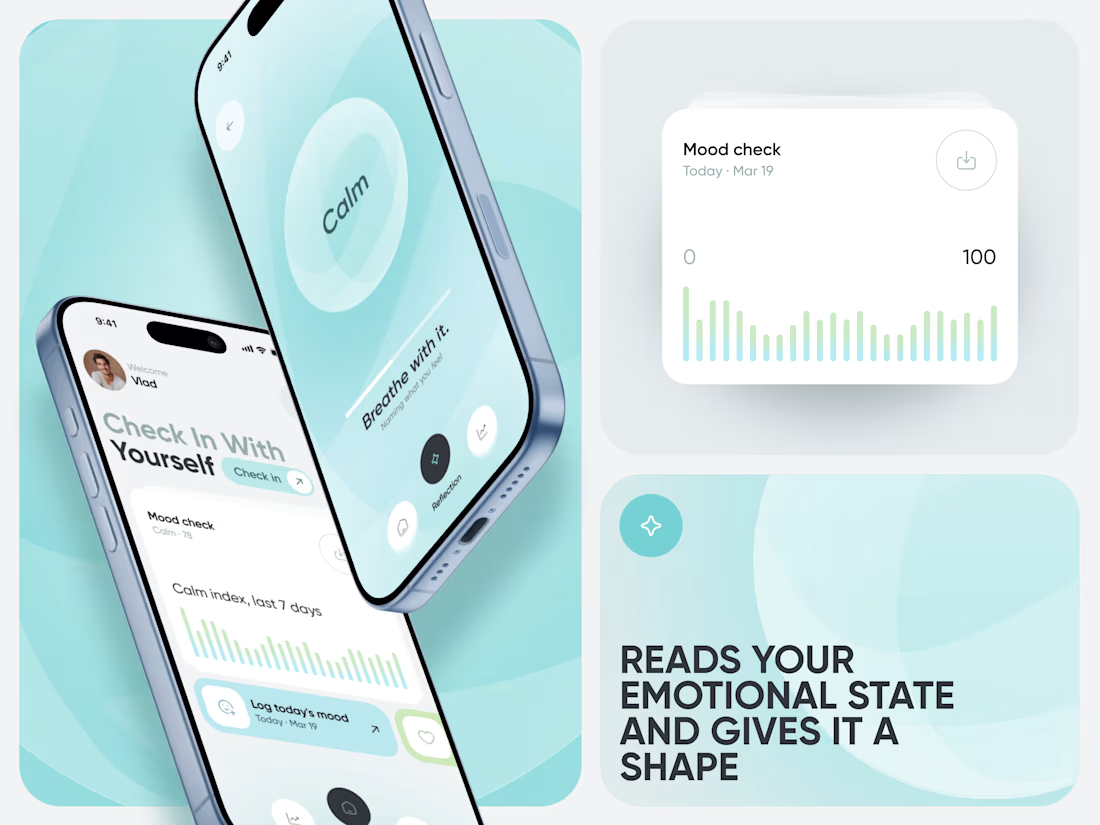
Our latest case study is live! 🌿
Meet Calm, an AI-powered wellness app designed to make mood tracking, emotional insights, and healthier daily habits feel simple and approachable.


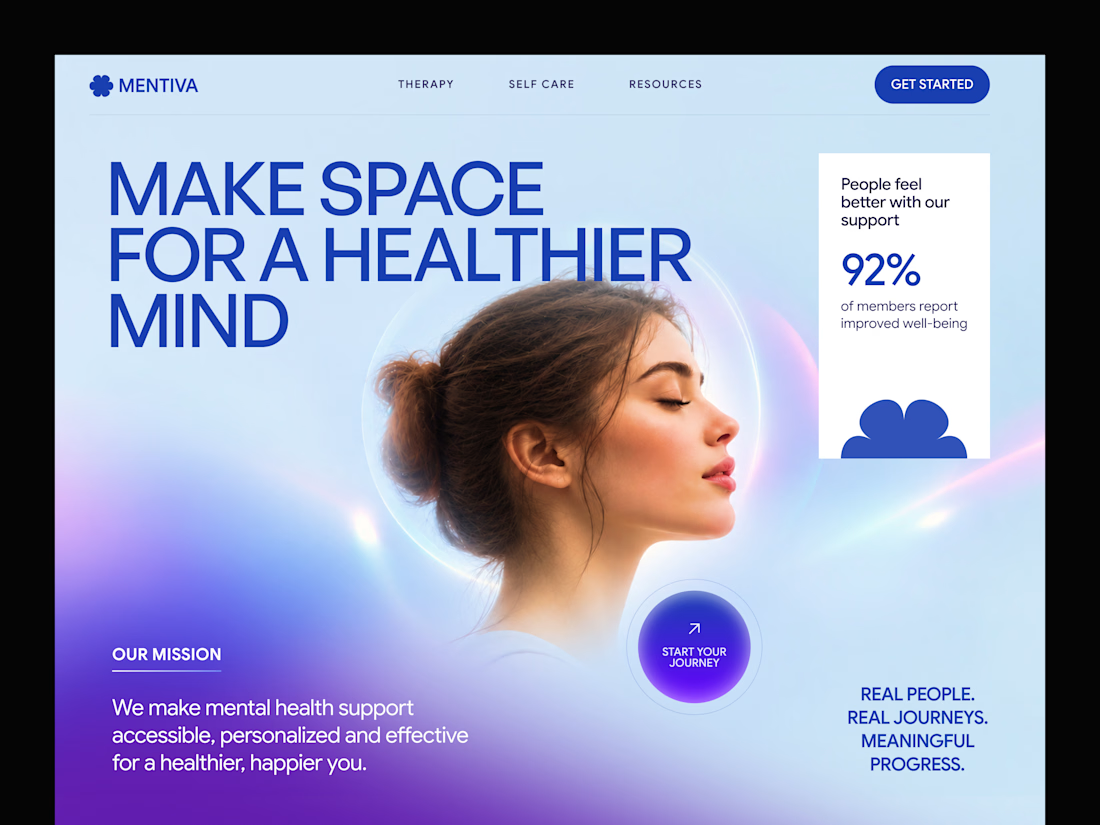
Mental Health Website | Online Therapy UX/UI
A mental health website UX/UI concept designed around therapy discovery, clear information hierarchy, accessible resources, and a calm digital experience.
The interface focuses on making mental health support easier to explore without unnecessary complexity.

Super clean work!

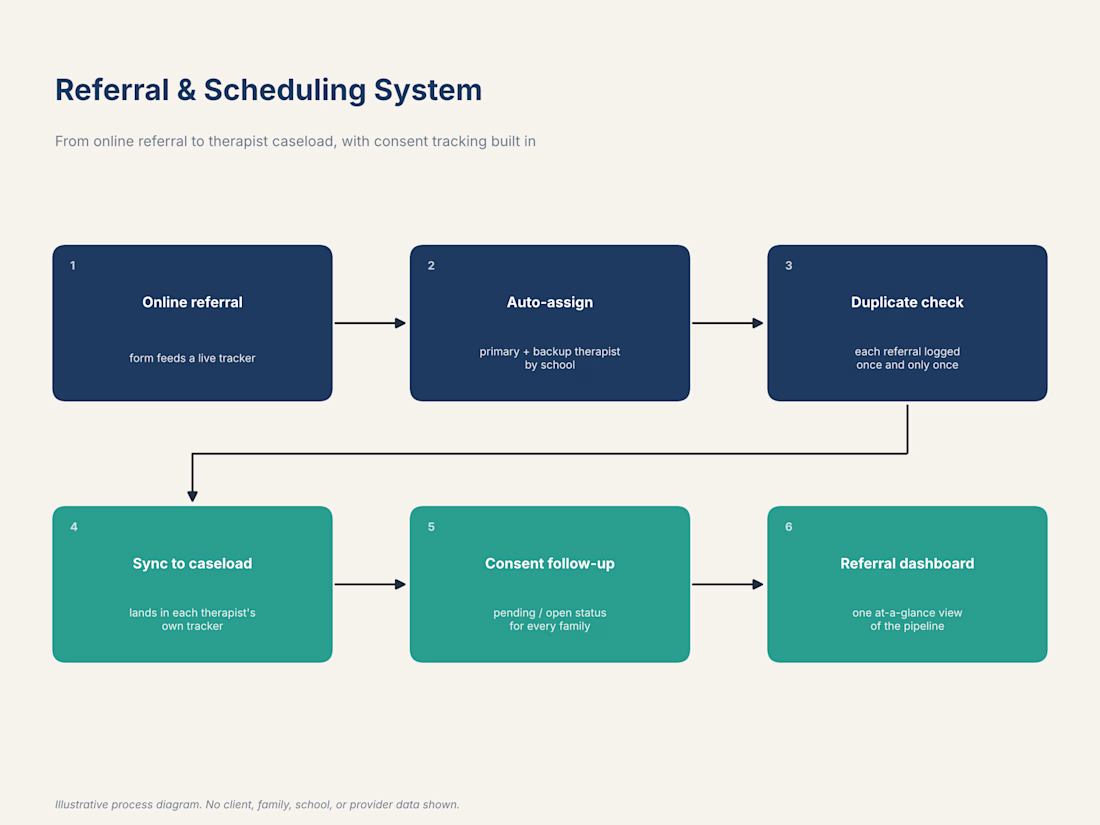
I designed an automated referral system for a school-based mental health program. Online referrals auto-assign a primary and backup therapist, sync into each therapist's caseload tracker, and feed a consent follow-up process and a pipeline dashboard.