The network for creativity
Join 1.25M professional creatives like you
Connect with clients, get discovered, and run your business 100% commission-free
Creatives on Contra have earned over $150M and we are just getting started
Back to feedPost

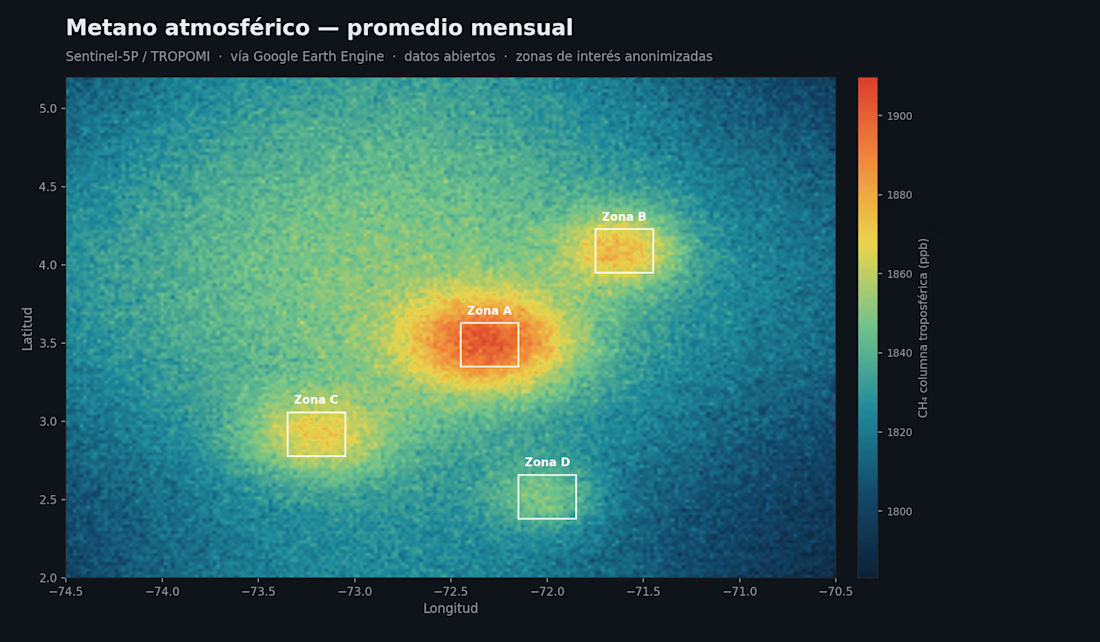
Interactive dashboard that cross-references open satellite methane data (Sentinel-5P via Google Earth Engine) with ground-level OGI inspection records. Prioritizes which zones to inspect next based on atmospheric signal, and tracks whether field repairs actually reduced emissions over time. Built to replace a manual, paper-based inspection workflow.


The network for creativity
Join 1.25M professional creatives like you
Connect with clients, get discovered, and run your business 100% commission-free
Creatives on Contra have earned over $150M and we are just getting started





Related posts

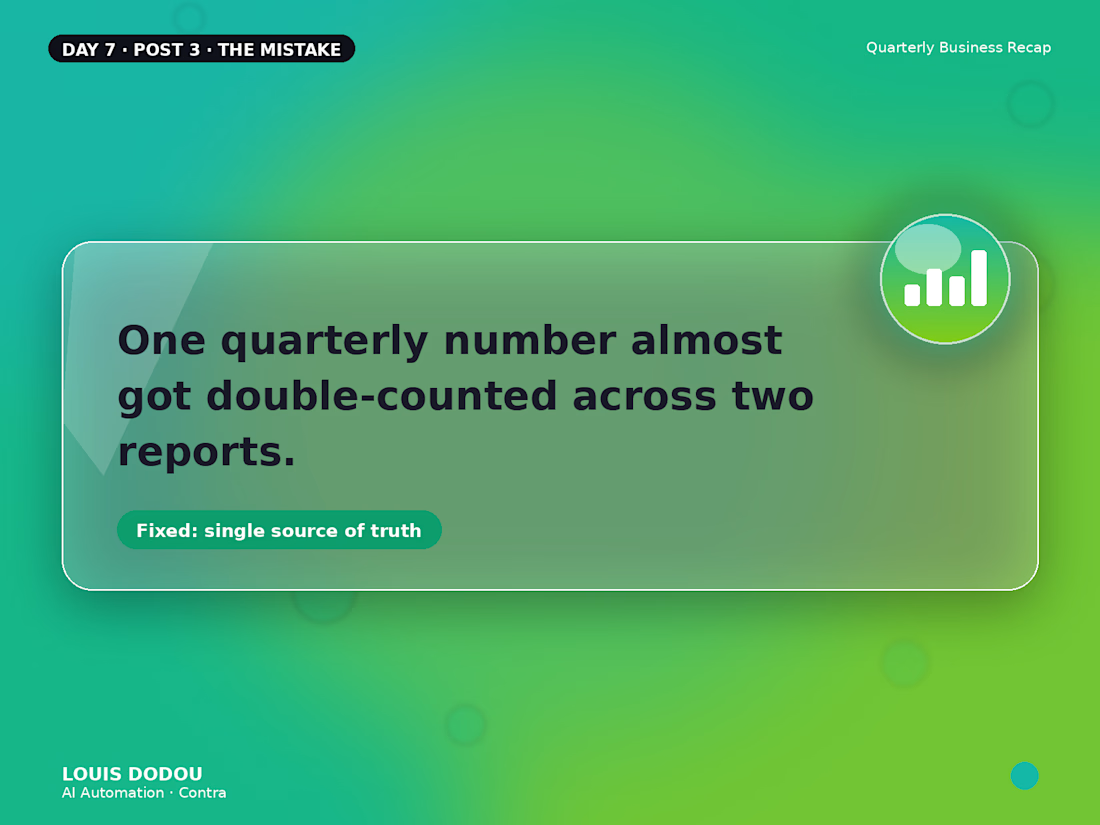
One quarterly number almost got double-counted across two reports.
Two dashboards were quietly tracking overlapping data. Caught before it went out now there's one source of truth the reports pull from, not two that can disagree.
→ A good number is only as good as the one place it actually comes from



Great catch before it shipped. I like the “one source of truth” framing - pulling reports from one validated source makes it much harder for a duplicate dashboard to quietly skew the number again.
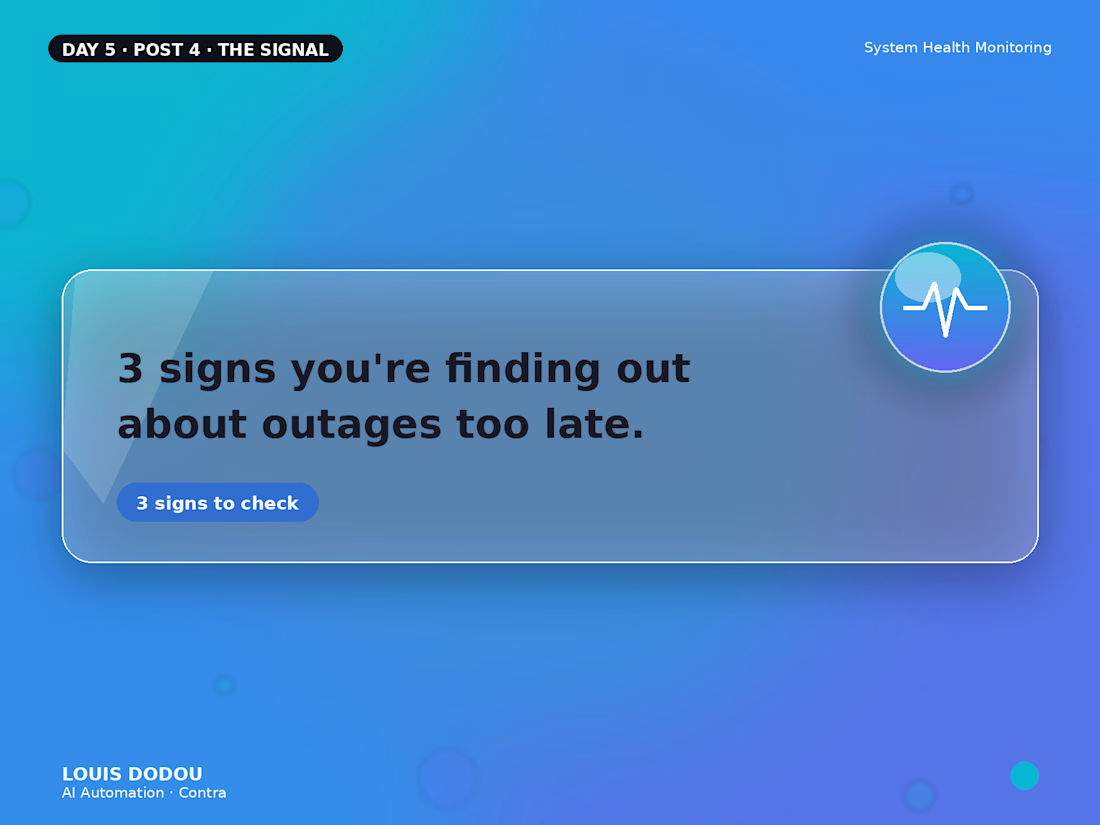
3 signs you're finding out about outages too late:
1. Customers report problems before your team does
2. Monitoring exists, but nobody's watching the dashboard
3. The same failure has happened more than once
→ If this sounds familiar, the fix is proactive alerts, not a better dashboard.

Those proactive alerts jump on the problem before customers call, keeping the same glitch from resurfacing.

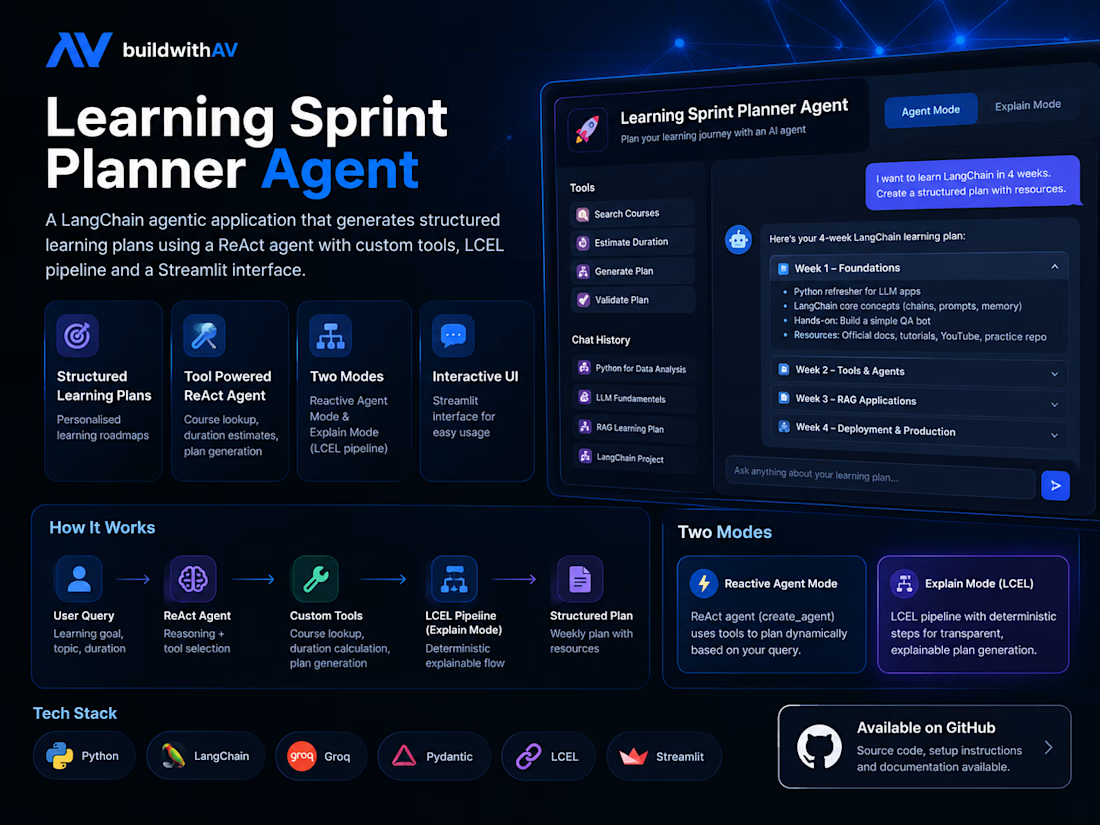
Built a LangChain-based agentic application that turns a learning goal into a structured, personalised learning plan.
The application supports two execution modes:
⚡ ReAct Agent Mode
A tool-using agent dynamically selects custom tools for course lookup, completion-time calculation, and learning-plan generation.
🔍 Explain Mode — LCEL
A deterministic LCEL pipeline executes the planning workflow step-by-step, making the process more transparent, predictable, and easier to debug.
The project also uses Pydantic structured outputs, Groq, Python, Streamlit, and custom LangChain tools, with deterministic logic kept outside the LLM wherever possible.
This project was built to explore the practical engineering side of AI agents — tool calling, agent orchestration, structured outputs, deterministic workflows, and explainability.
The project is not currently deployed, but the complete source code and implementation are available on GitHub.
Tech: Python · LangChain · ReAct · LCEL · Groq · Pydantic · Streamlit



turning a learning goal into an actual plan is such a useful agent use case 🔥