The network for creativity
Join 1.25M professional creatives like you
Connect with clients, get discovered, and run your business 100% commission-free
Creatives on Contra have earned over $150M and we are just getting started
Back to feedPost

💡 𝗧𝗶𝗽 𝗼𝗳 𝘁𝗵𝗲 𝗗𝗮𝘆 — 𝗝𝗮𝘃𝗮𝗦𝗰𝗿𝗶𝗽𝘁
𝗗𝗶𝗱 𝘆𝗼𝘂 𝗸𝗻𝗼𝘄?
"===" (strict equality) checks 𝗯𝗼𝘁𝗵 𝘃𝗮𝗹𝘂𝗲 𝗮𝗻𝗱 𝘁𝘆𝗽𝗲, while "==" performs 𝘁𝘆𝗽𝗲 𝗰𝗼𝗲𝗿𝗰𝗶𝗼𝗻 behind the scenes.
That means expressions like:
0 == false → true
0 === false → false
🔧 Best practice:
Always prefer === unless you explicitly need type coercion.
It makes your code more predictable and easier to reason about.
#FrontendDevelopment #WebDevelopment #FullstackDeveloper




The network for creativity
Join 1.25M professional creatives like you
Connect with clients, get discovered, and run your business 100% commission-free
Creatives on Contra have earned over $150M and we are just getting started
Related posts





really clean work, Max! :)




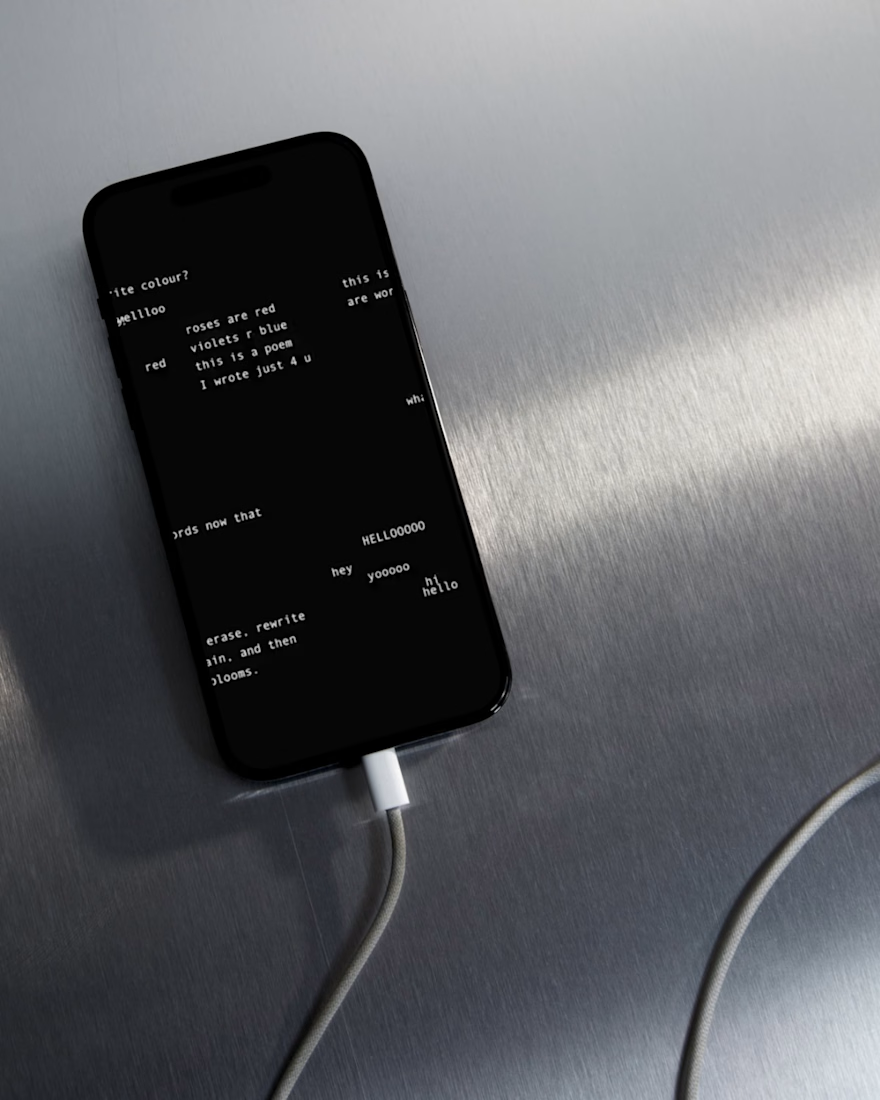


I’m a little late to the party with this one, but when you’re building a living, breathing AI with a short fuse, you don’t rush the process.
Designers, we’ve all been there: The logic is flawless. The grid is perfect. Then... the feedback arrives. "Can we make it more... blue-ish?"
Inner Designer is my latest experimental project that says what you can't. Built with Figma Make, a live backend, and an AI brain that actually understands design theory, it doesn’t just design—it defends.
The Hook: It explains its choices.
The Twist: It has a breaking point.
The Result: Push it too far with bad revisions, and the UI literally melts into frustration.
It’s part tool, part therapy, and a little too real.
Here is the Live Link: Inner Designer



Great addition to marathon, hope you win something ❤️




Trending
maxearnings
The next frontier of payments is live on Contra. How are you maximizing revenue?
freelancerlife
Freelancer life is wins, pivots, and everything in between. What’s yours right now?
aidesignflow
AI tools are redefining how designer work. What does your workflow look like?
micrographics
Micrographics started as utility - barcodes, packaging, instruction labels. How would you use them?
aivideo
AI video tools are moving at warp speed. What tools are you using?
