The network for creativity
Join 1.25M professional creatives like you
Connect with clients, get discovered, and run your business 100% commission-free
Creatives on Contra have earned over $150M and we are just getting started
Back to feedPost

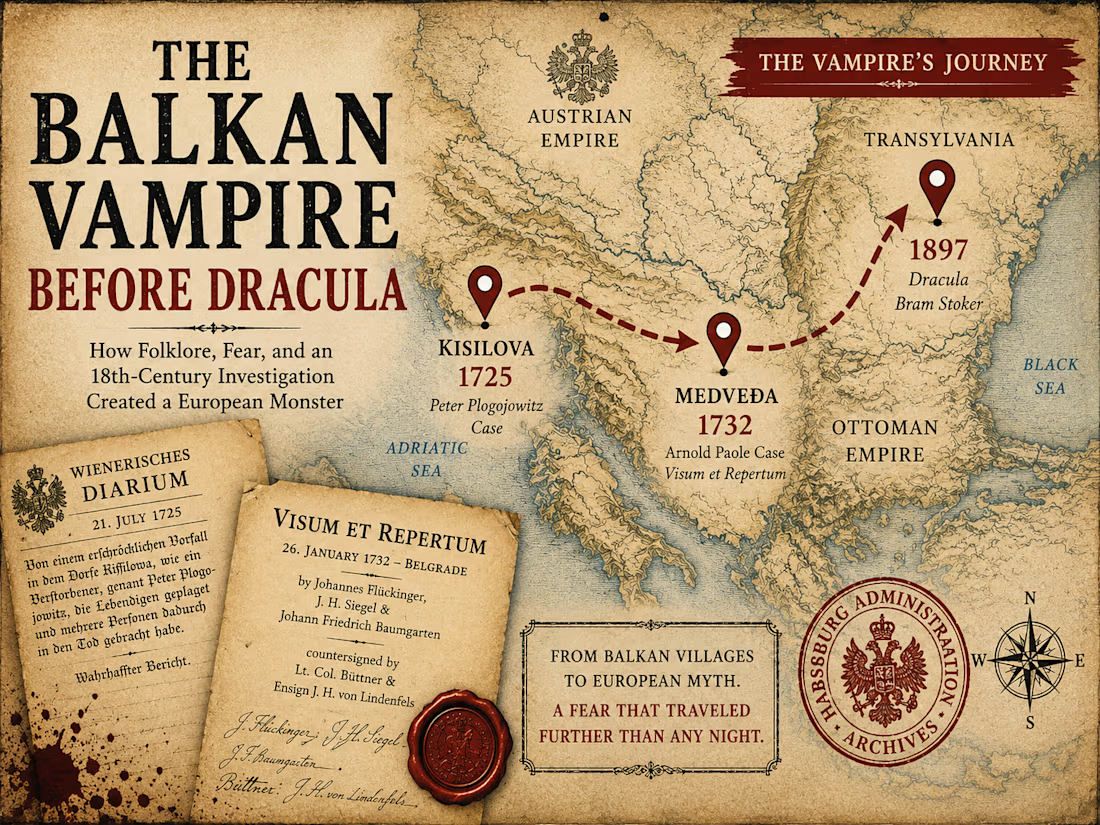
An independent historical research sample tracing how Balkan vampire beliefs developed before Dracula became the familiar literary figure.
I examined folklore, eighteenth-century reports, and later interpretations to understand how local beliefs entered wider European accounts. The aim was to separate what historical sources document from what people believed — and from the details later storytelling added.
The resulting brief organizes the material into a clear chronology, key cultural context, and traceable sources. It shows how I can help writers and creative teams use historical and folkloric material without presenting legend as established fact.


The network for creativity
Join 1.25M professional creatives like you
Connect with clients, get discovered, and run your business 100% commission-free
Creatives on Contra have earned over $150M and we are just getting started






Related posts

Remeber when references used to come from books?
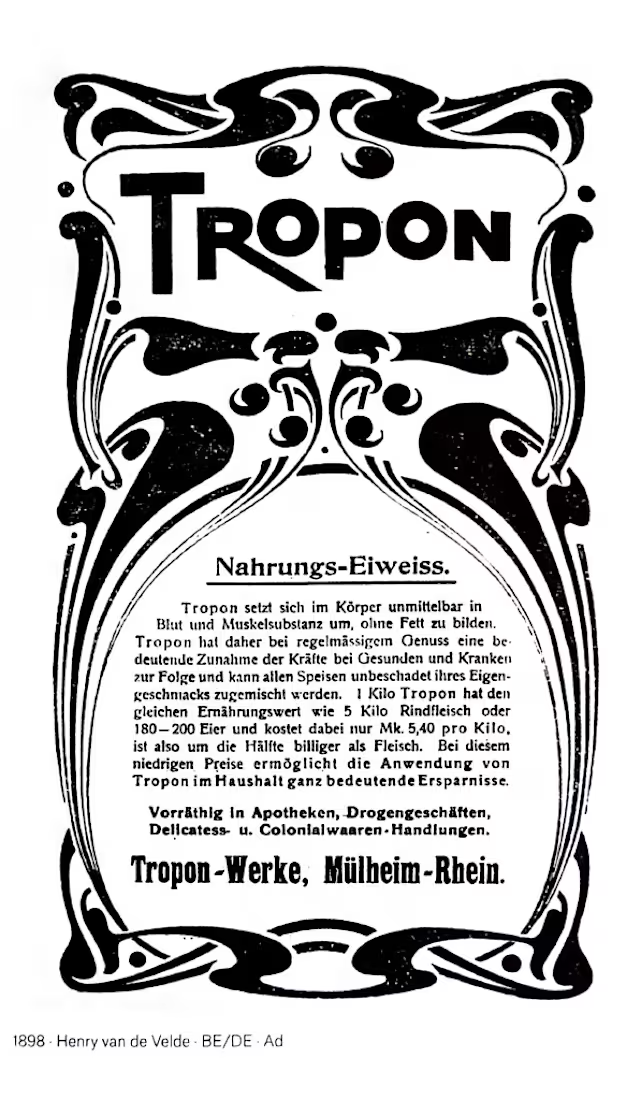
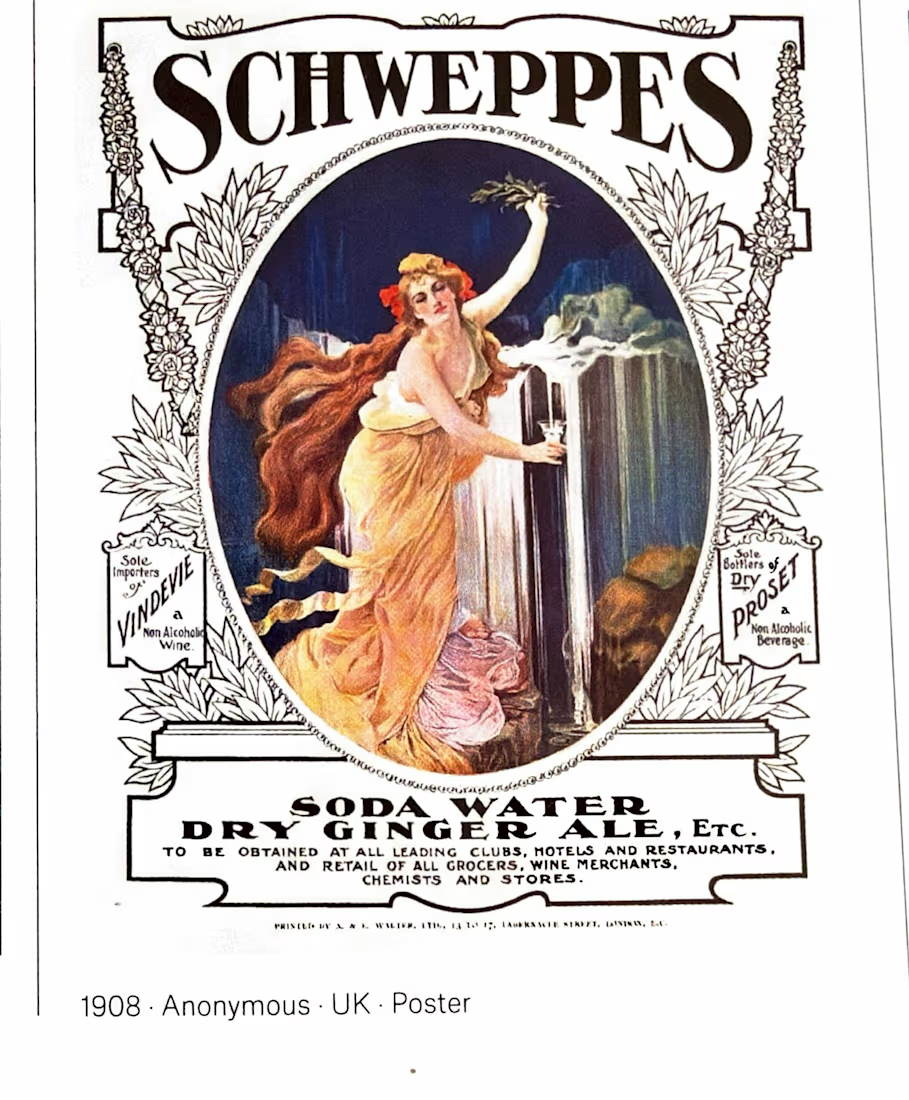
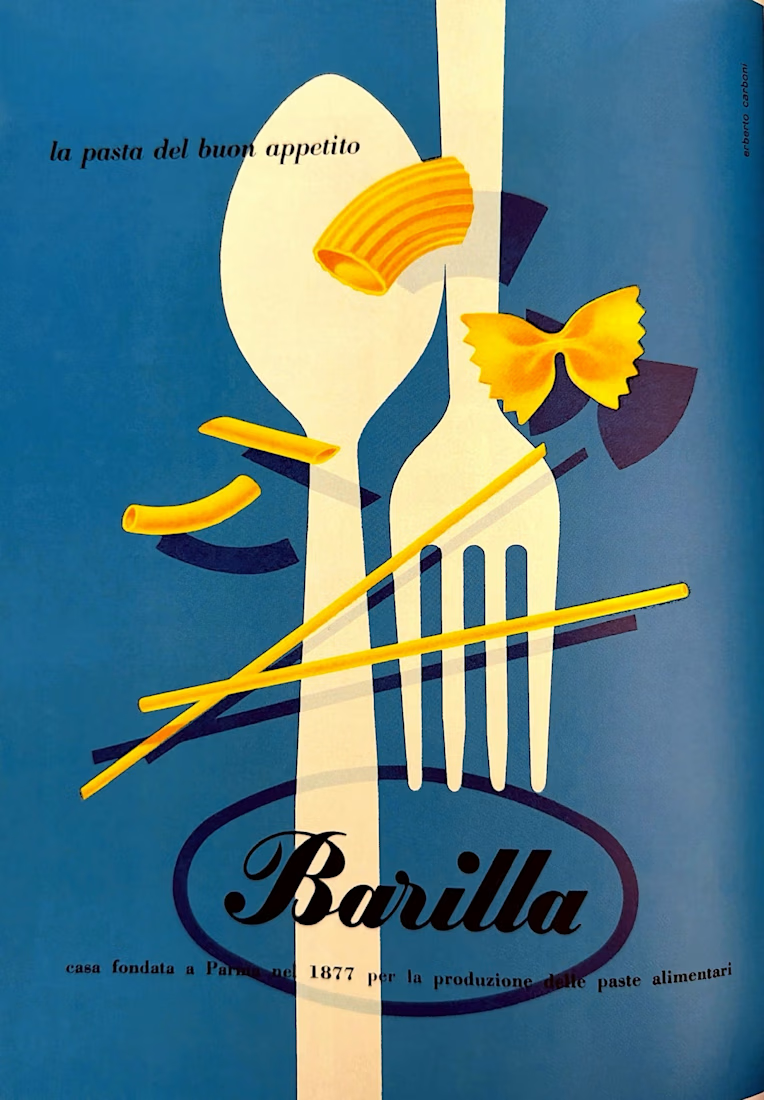
One of my favorite design references is The History of Design 1890–1959. I keep coming back to it whenever I want to get away from the same references that circulate online. A few pages I bookmarked:
1️⃣ Henry van de Velde — one of the founding figures of Art Nouveau, and a great example of how typography and ornament could become one visual language.
2️⃣ Edward Johnston, London Transport — a completely different approach, where typography becomes a functional system rather than decoration.
3️⃣ Schweppes, 1908 — an anonymous advertisement that shows how much personality early commercial graphics could have.
4️⃣ Erberto Carboni, Barilla, 1953 — a reminder that packaging and advertising can become part of a brand's visual identity long before we start calling it “branding.”
Now your turn: what’s one design book, archive, or weird reference source you’d recommend to another designer? Drop it below 👇
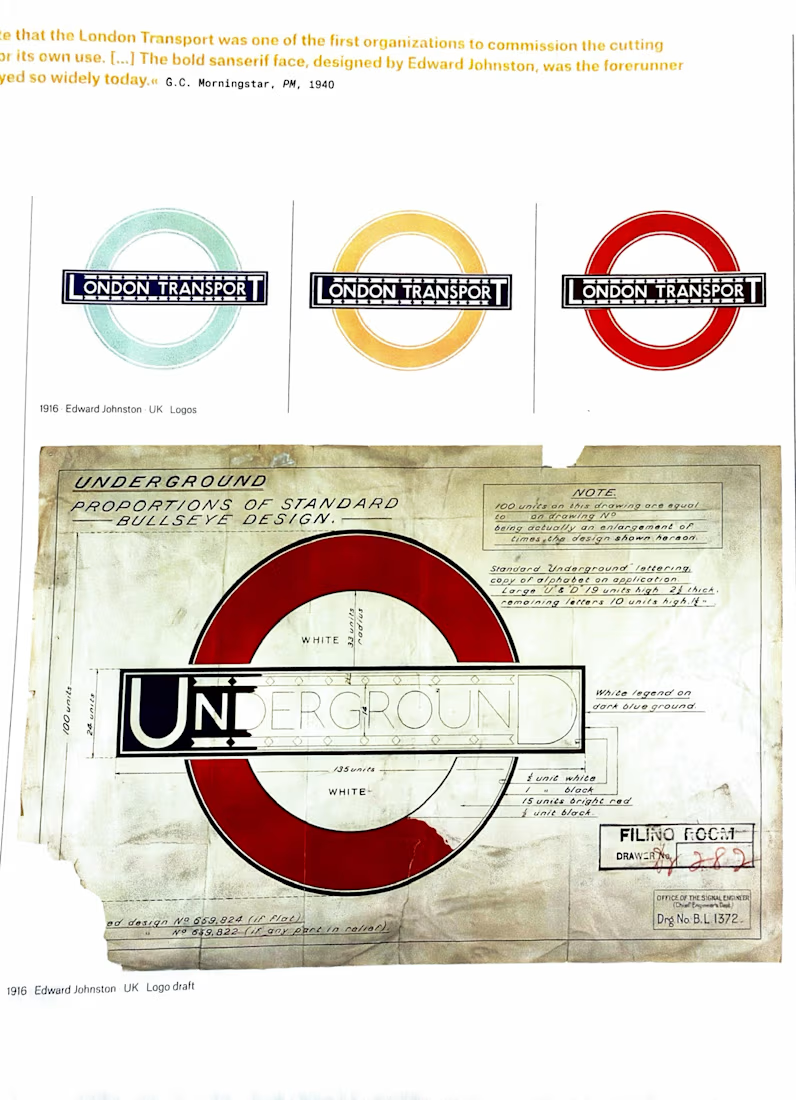

The Edward Johnston pick is such a good example of restraint actually being the design decision. For me it's old apothecary packaging, tiny type, zero color, and it still had to feel trustworthy. Do you keep a physical copy of the book or do you mostly reference the pages digitally?

Bridge — Helps conversation coaches eliminate hours of manual qualification by turning emotional inquiries into confirmed, fully prepared bookings.
Video: User flow and the professional Dashboard.


great work!!

🕰️ What if you discovered an hour of your life that you couldn't remember?
Not a dream.
Not a mistake.
But something that actually happened.
Adrian works alone at the Riverton Municipal Archive, where most nights are quiet, routine, and forgotten by morning.
Until one night, he finds an old photograph on his desk.
A warning is written on the back.
And beneath it...
B17.
📼 THE MISSING HOUR
Adrian follows the clue deep into the archive and discovers an old box containing a cassette recorder.
The cassette is already waiting for him.
Then he hears his own voice.
“When you hear this, you have already lost an hour.”
For this 120-second pilot, I built Adrian and his world in Cantina — his character, the archive, environments, props, dialogue, sound, music, and the entire cinematic story.
But this isn't really a story about an old archive.
Because Adrian soon discovers something he cannot explain.
A sentence in his own handwriting.
A ticking sound coming from the darkness.
And a security monitor showing something that shouldn't be there.
Another Adrian.
Sitting at his desk.
Watching.
And just when Adrian realizes he's not alone...
The figure on the monitor looks directly into the camera.
“You're late.”
And that's where the real story begins.
🌌 I wanted The Missing Hour to feel like the first episode of a much larger mystery — where every episode could uncover another piece of Adrian's missing time, the secrets of B17, and the strange connection between the archive and the different versions of himself.
An old municipal archive.
One unexplained hour.
A recording from Adrian himself.
Built in Cantina.
The archive remembers.
This is only the beginning. 🕰️
Character: https://cantina.com/i/k0q27
Pilot:https://cantina.com/i/xlwy0

I love the plot