The network for creativity
Join 1.25M professional creatives like you
Connect with clients, get discovered, and run your business 100% commission-free
Creatives on Contra have earned over $150M and we are just getting started
Back to feedPost

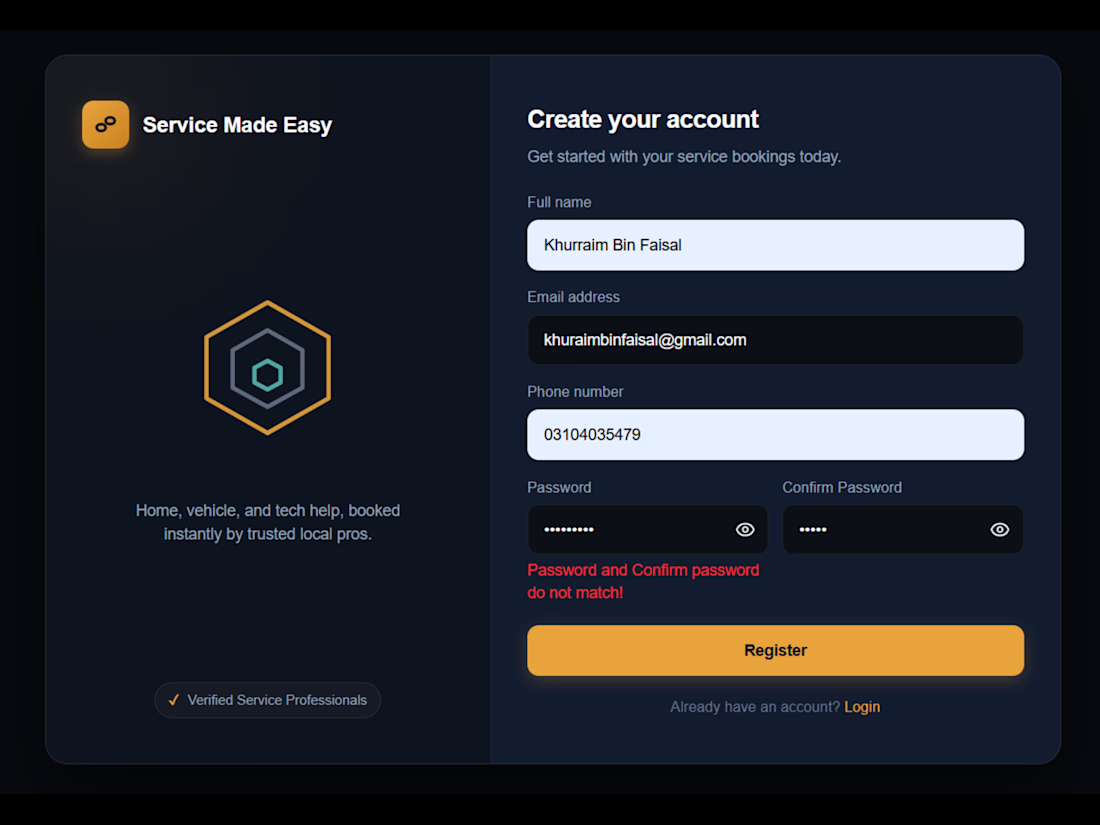
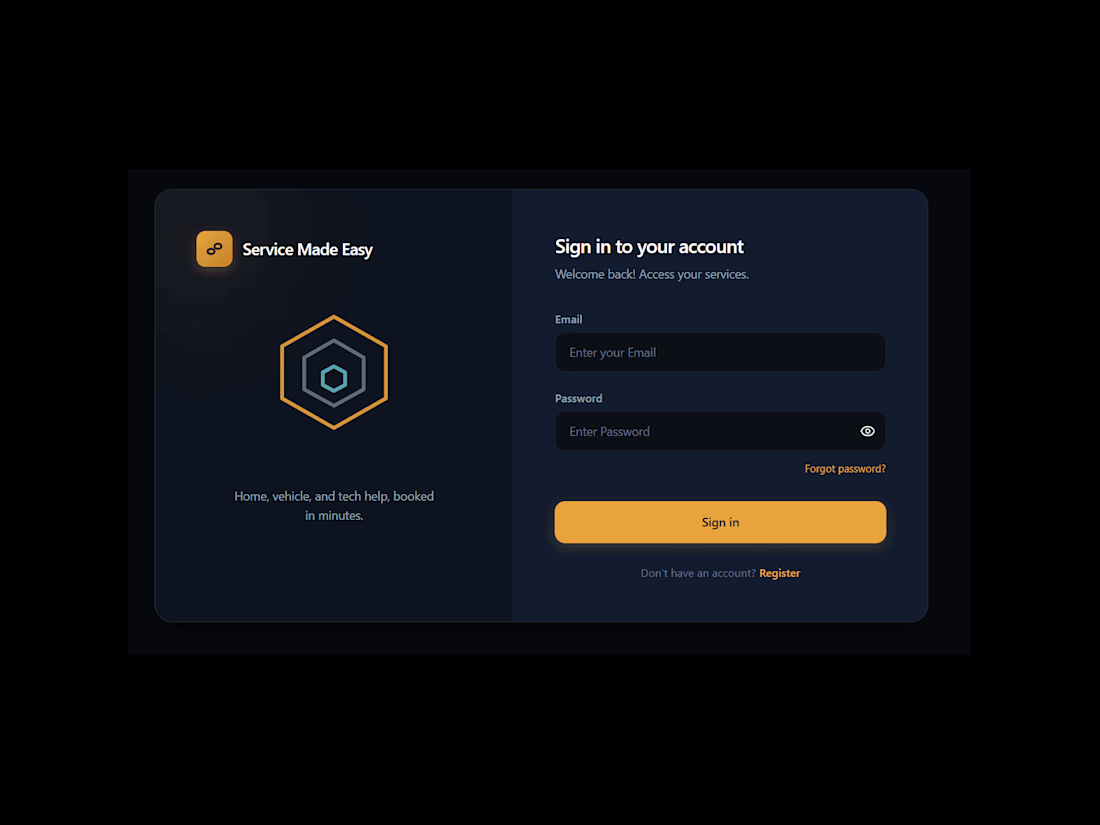
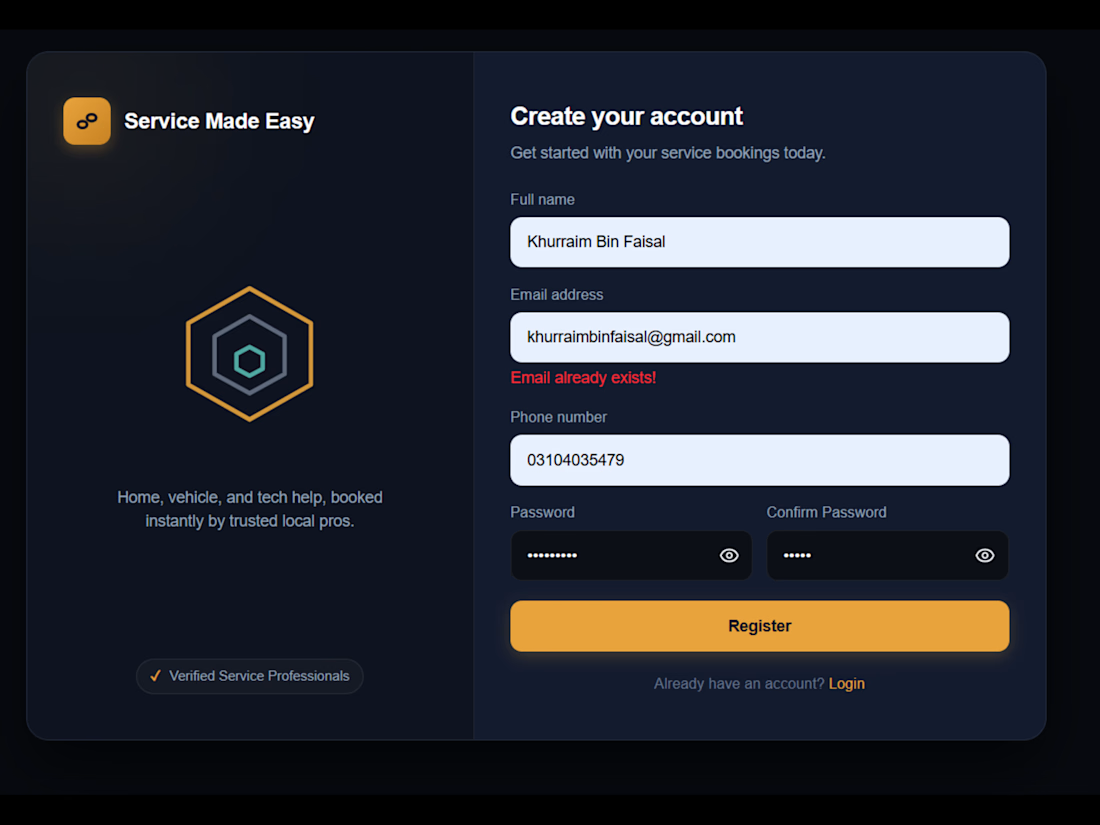
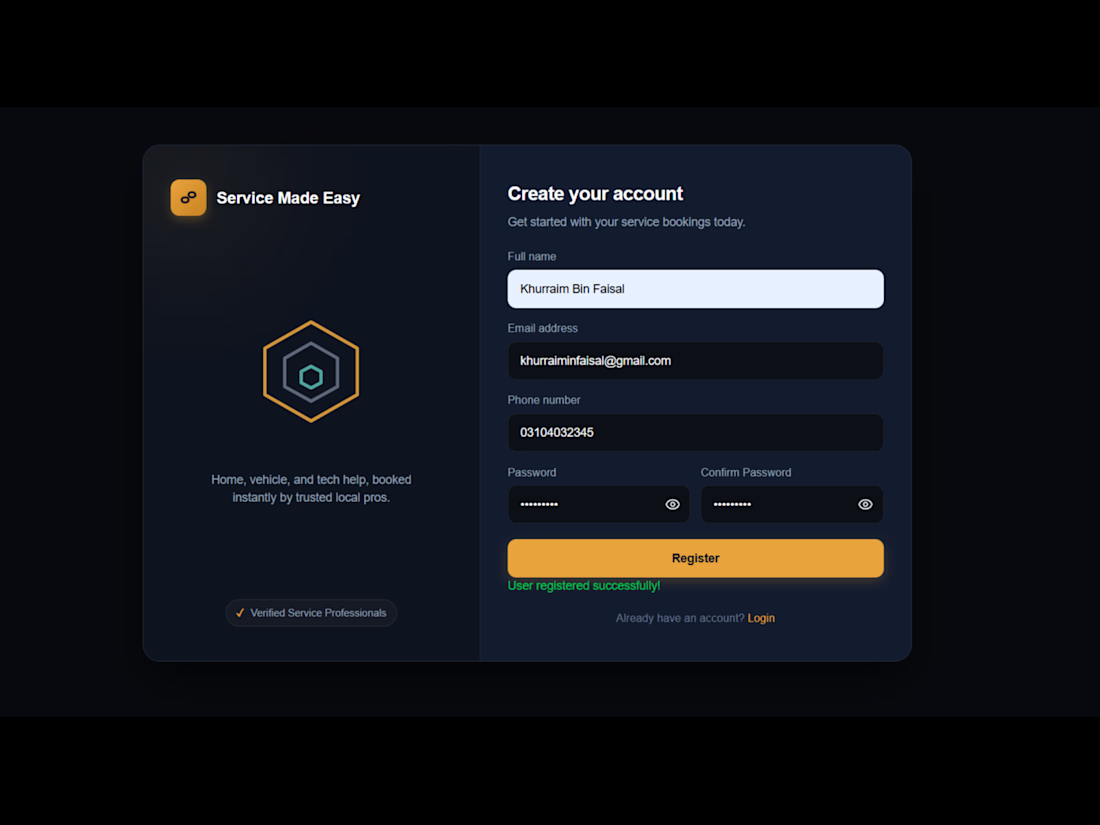
A full-stack service booking platform built with the MERN stack, where customers can book local services and providers can manage appointments. This is an ongoing project. The authentication and onboarding module (secure JWT login, registration, and responsive UI) is complete, with booking and scheduling features coming next.


The network for creativity
Join 1.25M professional creatives like you
Connect with clients, get discovered, and run your business 100% commission-free
Creatives on Contra have earned over $150M and we are just getting started





Related posts

I built MobiFix Nairobi : A Mobile auto care company.
I rebuilt the moment an inbound “Can I book with you?” becomes “You’re booked.”
MobiFix Nairobi is a fictional mobile automotive service business built around one simple problem: booking vehicle services often means back-and-forth messages, checking availability, coordinating technicians, confirming locations, and handling payments manually.
I designed the experience so the customer can:
→ Choose a service
→ Select their vehicle
→ Enter their location
→ Pick an available date and time
→ Add their details
→ Review the booking
→ Complete payment
→ Receive a booking confirmation and code
Behind the scenes, the business gets a real dashboard with bookings, calendar, customers, services, technicians, availability, analytics, and website management — all backed by real data.
The goal was to make the entire journey feel less like “requesting an appointment” and more like simply getting booked.
Built with Lovable and Lovable Cloud.
MobiFix: https://carmobifix.lovable.app
(I haven't submitted the actual project link because of the environment variables, I'm using Lovable Cloud.)

Looking great...

no-code.supply is open.
I've been quietly building landing page templates. Six are out today, each with its own brand, its own type pairing and one interaction it's built around:
→ Aurel: a skincare brand with a WebGL serum drop that bulges toward your cursor
→ Ferro Type: a type foundry where the hero word bends its weight and width under the pointer
→ Meridian Expeditions: contour maps that redraw themselves as you switch routes
→ Oda: an architecture studio whose timber cabin draws itself, with a live sun study
→ Relay: a dev tool where the editor types a workflow and the run graph executes it live
→ Signal: a mission-control SaaS with a live infrastructure graph that contains threats as they flare
Built to be edited with AI. Every template ships with a README, a DESIGN.md and an AGENTS.md, so Claude, Cursor or whatever assistant you use changes it the way it was built, not the way it guesses.
Pricing, per template:
• HTML: $29
• React: $59
• Bundle (HTML + React): $79
Or get All-Access for $169: all six templates, both editions, plus every future drop. Nine more are on the way, at no extra cost.
No page builder, no lock-in, no third-party requests.
If you build sites for clients, I'd love to hear which one you'd use first.


Ferro Type is the one I would open first. Bending a variable font under the pointer re-lays out the text every frame, which is a much bigger bill than it looks, and stepping the weight in a few fixed increments is usually what keeps it smooth on a laptop that is not plugged in....

So I Recently rebranded my upcoming AI Agent Harness from "Crank" to "Pixie" which is the name of my cat. Do you think it was the right decision?
Which one do you prefer? Crank or Pixie?!
Check it out here: pixie.ecnivs.com
#FreelancerLife #AIHarness #FrontendDesign #AIAgent #ArtificialIntelligence #WebDevelopment #Design #TasteTest
5 voted
71%
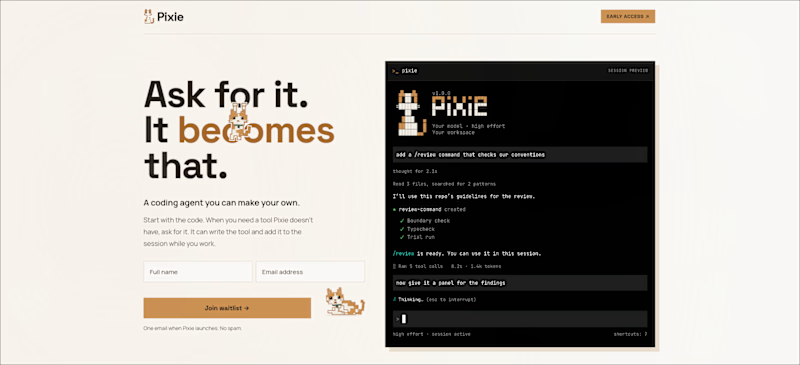
2 voted
29%
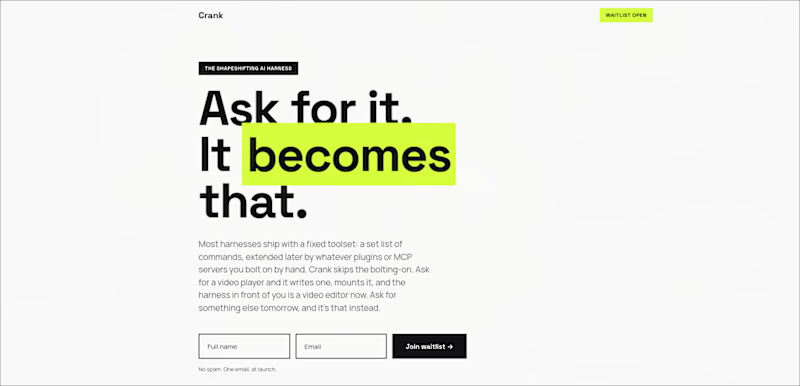
7 votes
Closed

Pixie gets my vote too. Naming it after your cat makes it memorable, and it feels a lot friendlier for a tool people trust with their code. Nice rebrand.