The network for creativity
Join 1.25M professional creatives like you
Connect with clients, get discovered, and run your business 100% commission-free
Creatives on Contra have earned over $150M and we are just getting started
Back to feedPost

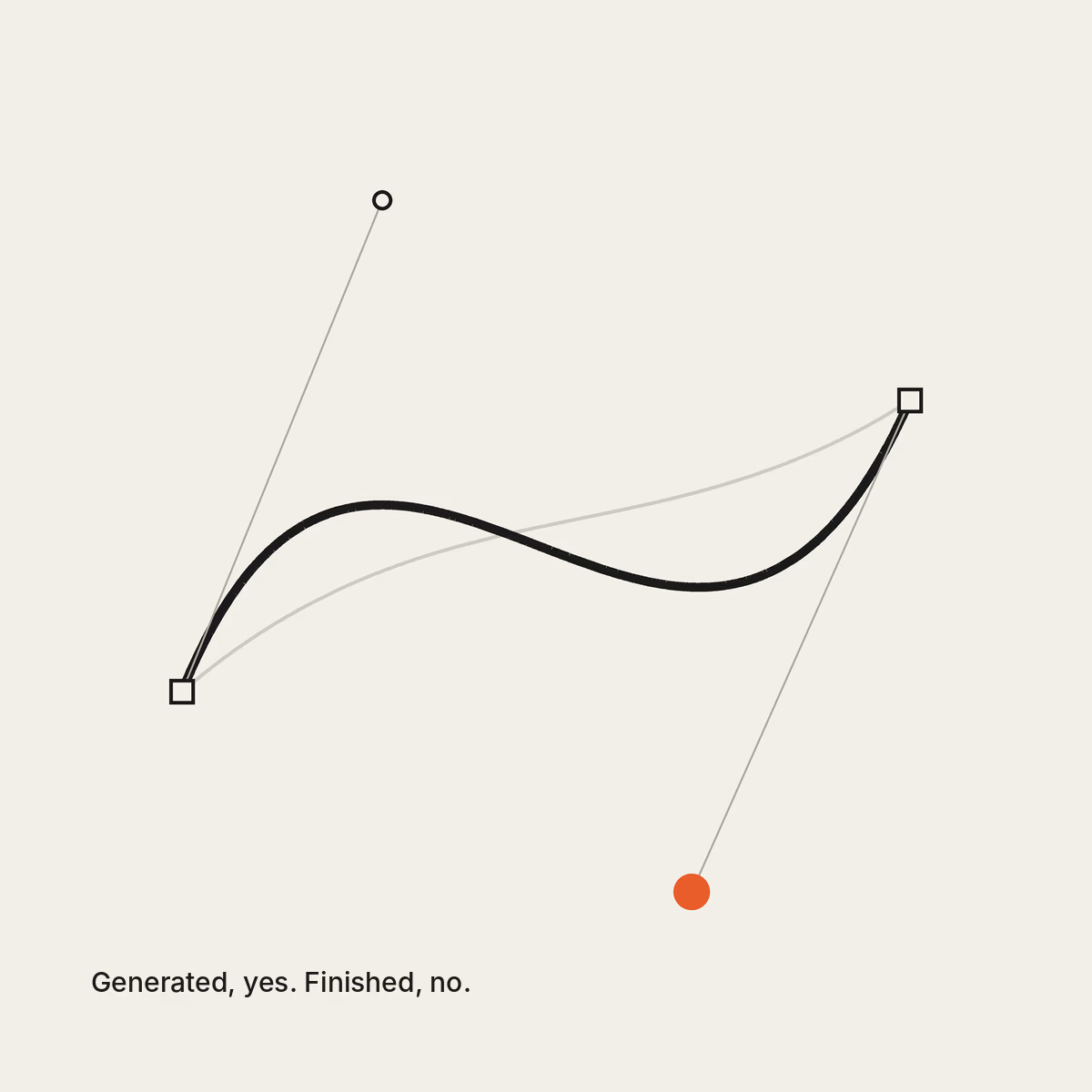
Generated, yes. Finished, no.
That’s the gap I keep running into when designing with AI. The model gets you an output. It doesn’t get you something a professional is willing to put their name on.
An architect, a lawyer, an editor. They don’t want to describe what they want and hope. They’ve already decided most of it. What they need is a system that respects those decisions and helps with the rest, in a way they can explain to a client afterwards.
The research on AI-assisted decisions has been saying this for a while. A 2020 IBM study found that the key to good outcomes isn’t trusting the AI more, but knowing case by case when to step in, so the expert’s knowledge lands exactly where the model tends to fail. Later work on human-AI cooperation adds that people value the ability to override AI even when they rarely use it. Control isn’t a feature they exercise. It’s the condition for trusting everything else.
A prompt gives you a lot of power and very little control. For an expert, that’s often the wrong trade. Direct manipulation, constrained actions, guarantees that something won’t be touched: these feel less impressive in a demo and more usable in a workflow.
So the question I keep turning over: when we design with AI, are we choosing the prompt because it’s the right interface, or because it’s the easiest one to ship?
Curious where others land on this.
#ProductDesign #AIDesign #UX
The network for creativity
Join 1.25M professional creatives like you
Connect with clients, get discovered, and run your business 100% commission-free
Creatives on Contra have earned over $150M and we are just getting started











Related posts

Meet the Anivia MCP
The new feature I'm excited about.
Here how this work:
1. You're building your product with AI
2. Then stumble across a problem that needs more attention
3. type '/anivia help me redesign pricing page it doesnt convert'
4. we bring the PR the next day (or Figma)
The cool thing about this workflow is that your own AI sends us all the context we need to do a great job, so it's never been easier to scale team
Take a look :)


The handoff only works if the AI carries the right context. Does Anivia read the existing component system and analytics too, or mainly the prompt and screenshot? That seems key for a pricing change.

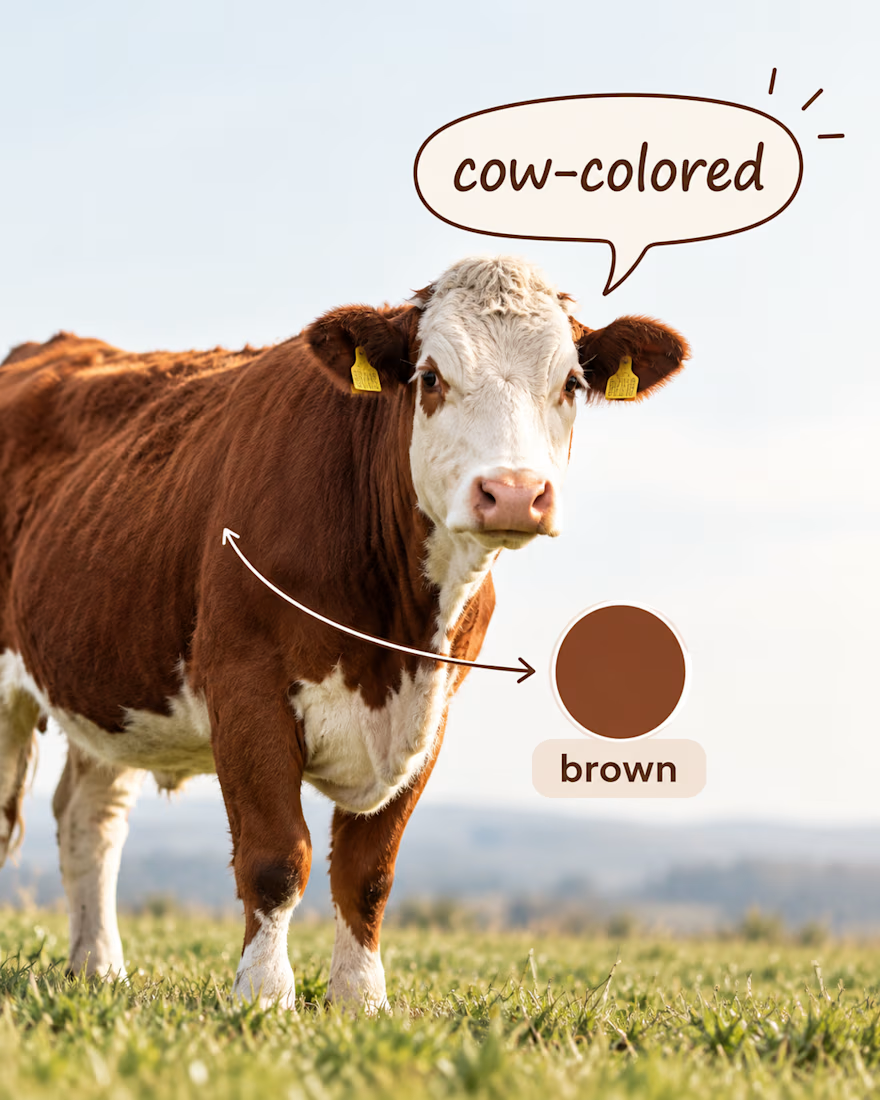
This month a supplier in China told me a product was "cow-colored." He meant brown.
I laughed, and then I remembered this has cost me.
This year I lost a role because I couldn't communicate well with a client: neither of us had English as a first language, and we didn't understand each other. On another urgent job I misread the scope, and that cost me too.
I learned that English matters, but there's a deeper skill that doesn't depend on language: saying ideas in simple, logical terms.
Now I rephrase my questions to remove ambiguity. Just like with LLMs, where prompt engineering matters, communicating clearly and with context is fundamental on any team.
What's a phrase that got misunderstood on your international team?


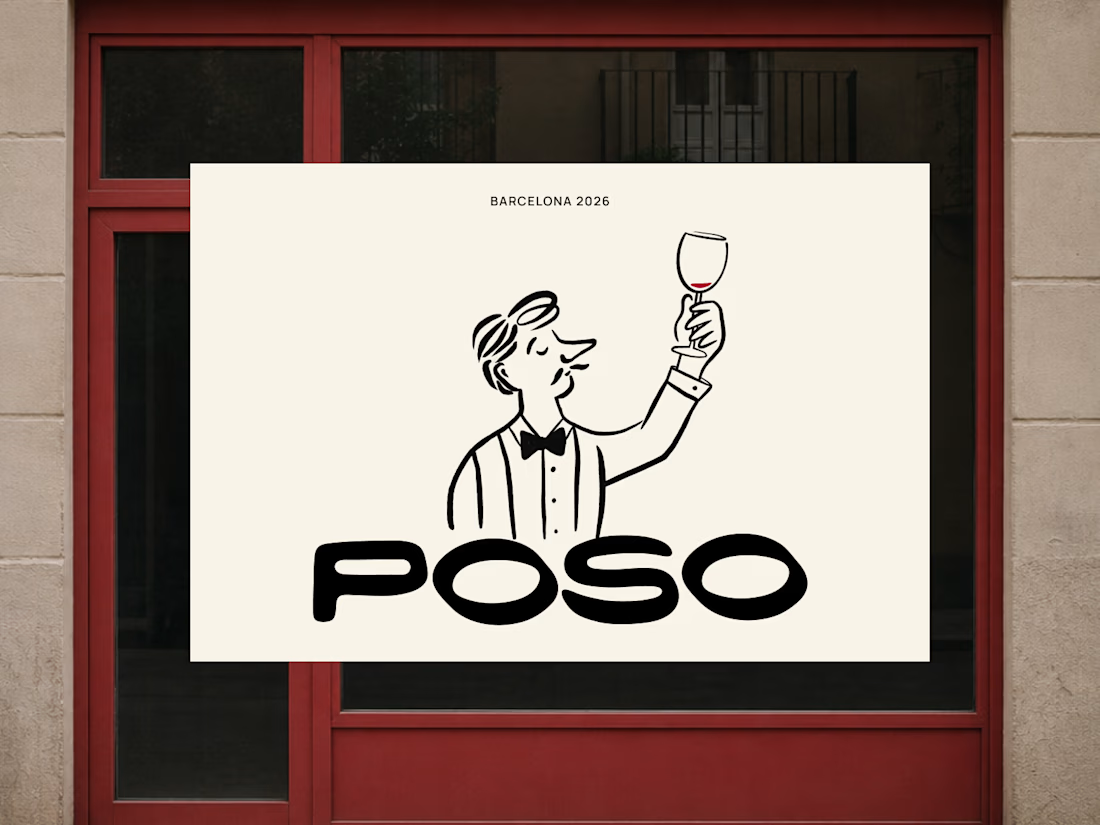
A couple months ago I shared some thoughts on hand drawn logos, with a few images from a project I worked on. It wasn’t a finished case study and I didn’t even consider it among my strongest work.
It now has more than 50k views, 84 goats and 300 likes.
I’m very intentional about what I share and when, so this one caught me off guard. But it reminded me that we never really know how our work is going to land for someone else. As long as it’s thoughtful, sharing it is better than nothing. Keep going, keep perfecting your craft and keep showing your point of view.
And thank you to everyone who interacts and appreciates what I share. It never goes unnoticed. And of course to Contra for building a space where this kind of work finds its people.
I do wonder though, did this get traction because it was hand drawn in an era where everything is AI generated? Curious what you think.

lovelyy absolutely lovee it