The network for creativity
Join 1.25M professional creatives like you
Connect with clients, get discovered, and run your business 100% commission-free
Creatives on Contra have earned over $150M and we are just getting started
Back to feedPost

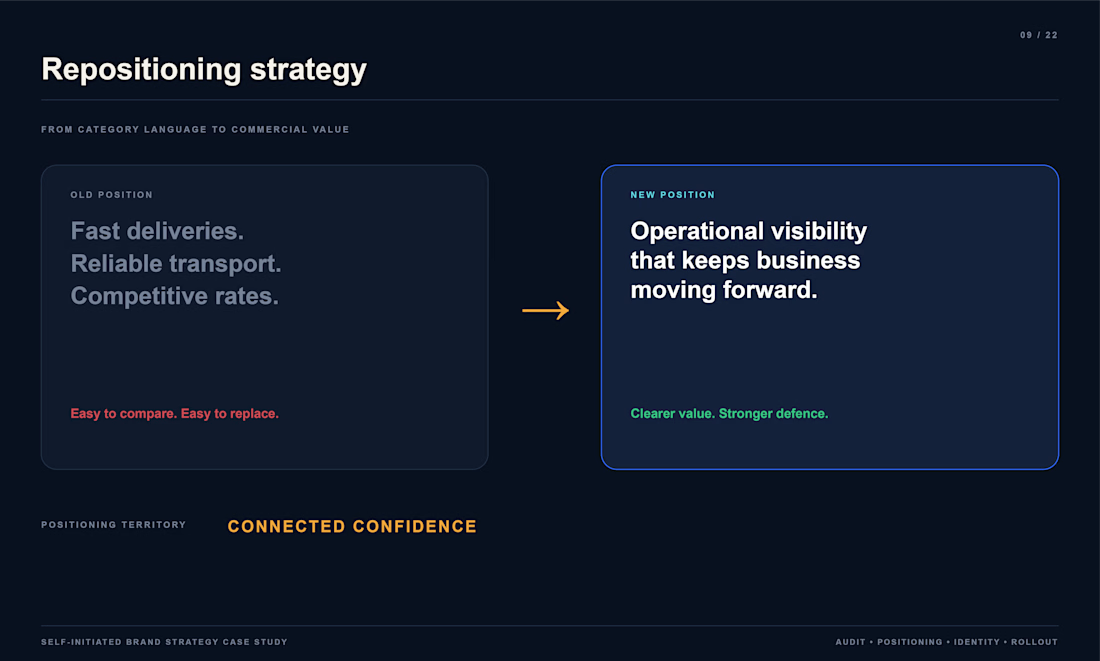
“Fast and reliable” leaves a logistics buyer with another question:
What happens when something goes wrong?
In ARQVENA, my self-initiated brand strategy case study, I explored positioning around that concern.
The proposed direction connected two needs: visibility into what is moving and clear responsibility when a handoff breaks down.
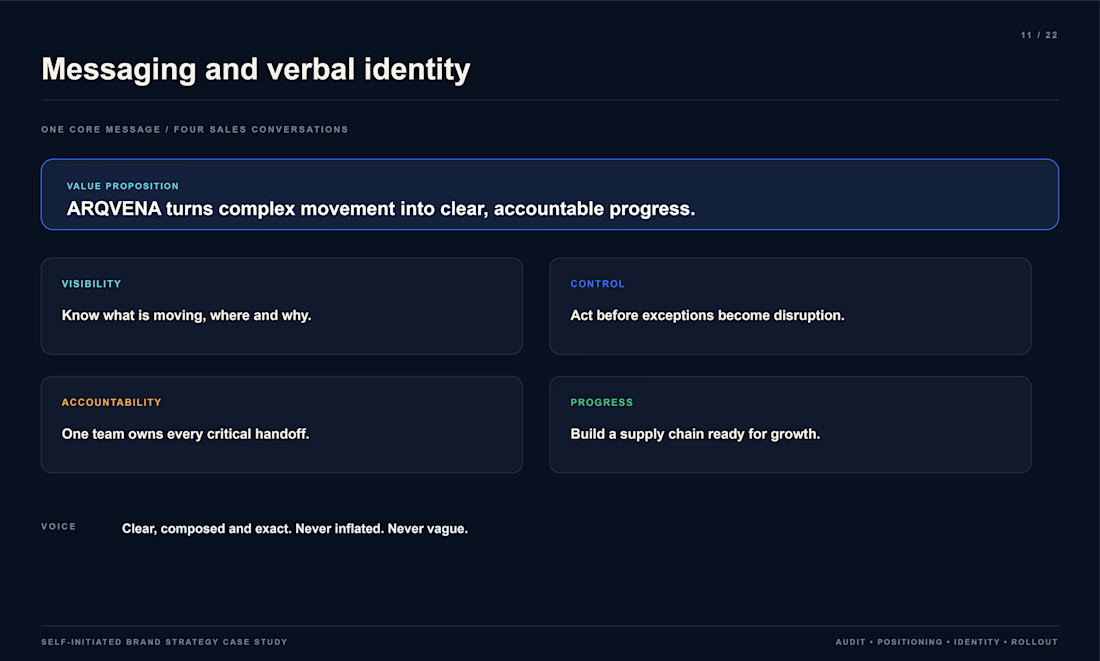
That changed the messaging.
For operations: explain how exceptions are handled.
For procurement: make scope and accountability clear.
For finance: explain reporting and predictability.
For customer teams: clarify updates and escalation.
One positioning idea. Different evidence for each buyer.
The identity followed that direction, giving the proposed brand a consistent expression across its applications.
A useful positioning statement should help a team decide what to communicate, to whom and why.
Which phrase does your business use that needs a more concrete explanation?
The network for creativity
Join 1.25M professional creatives like you
Connect with clients, get discovered, and run your business 100% commission-free
Creatives on Contra have earned over $150M and we are just getting started











Related posts

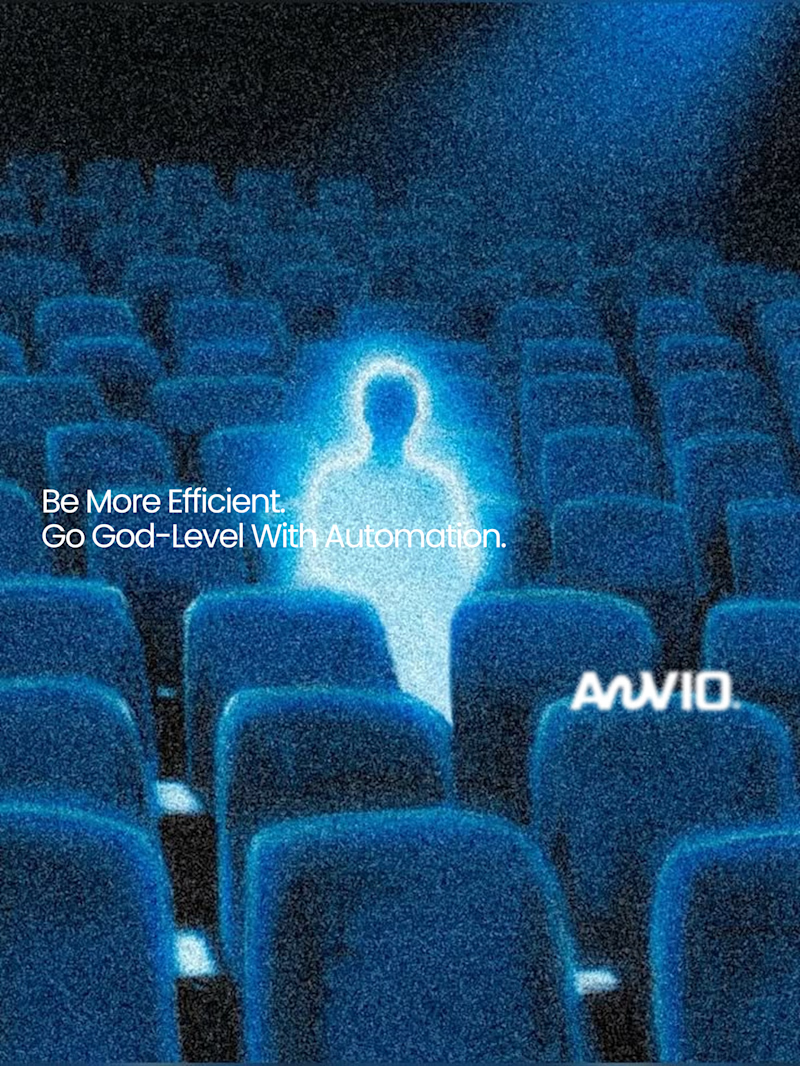
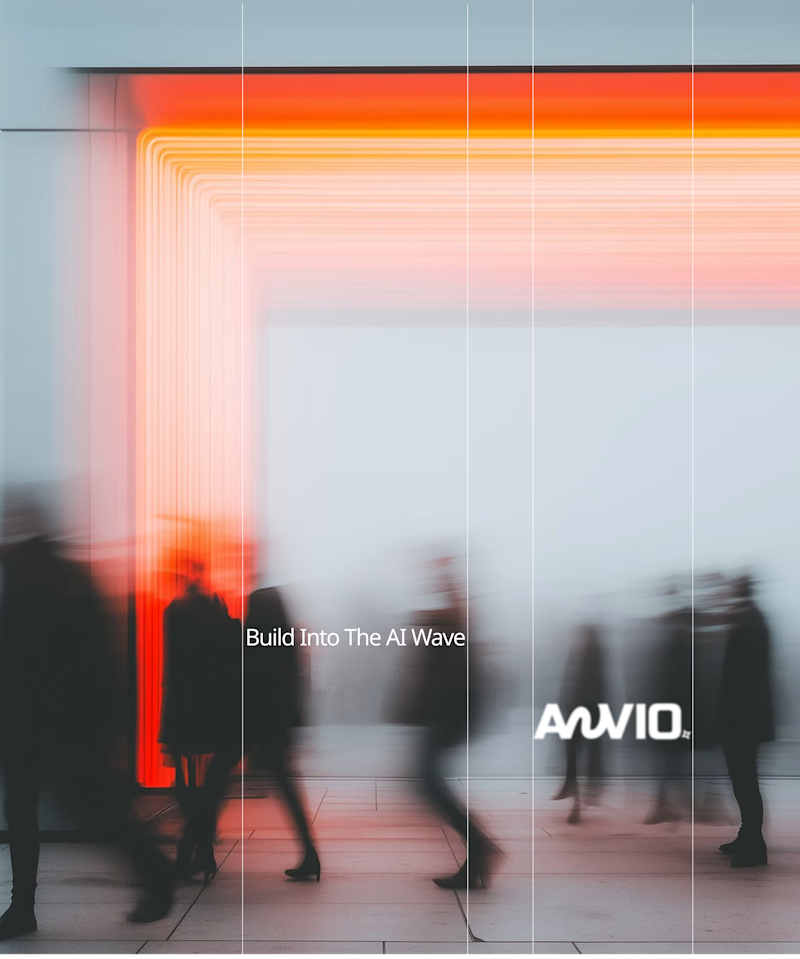
Which creative direction better communicates a Tech-Forward AI Brand Identity for anvio.online ?
25 voted
44%
32 voted
56%
57 votes
Closed

Fast vibrant energy gets my vote. The warm glow feels more human, which is nice for an AI brand.

VÉLLE - Minimal Luxury Fashion Brand Identity
A conceptual fashion brand built on quiet luxury and timeless essentials.
What I did:
→ Logo Design (Primary + Secondary)
→ Brand Identity & Color System
→ Product Mockups (T-Shirt, Cap, Tote Bag)
Concept: Less is more. Clean serif typography with subtle accent for premium feel.
Palette: Beige #E8DDD0 / Black #0A0A0A
Full case study on Behance: behance.net/gallery/257321557
Open for freelance projects - DM for fashion branding.


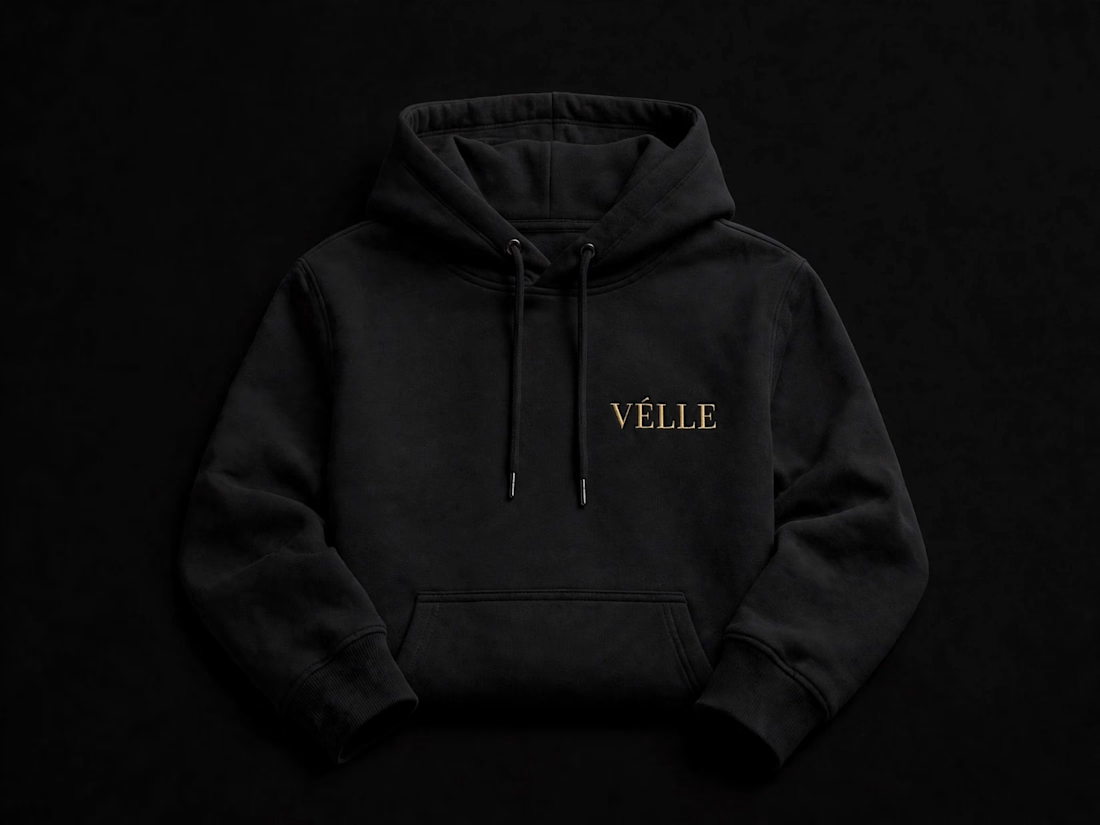
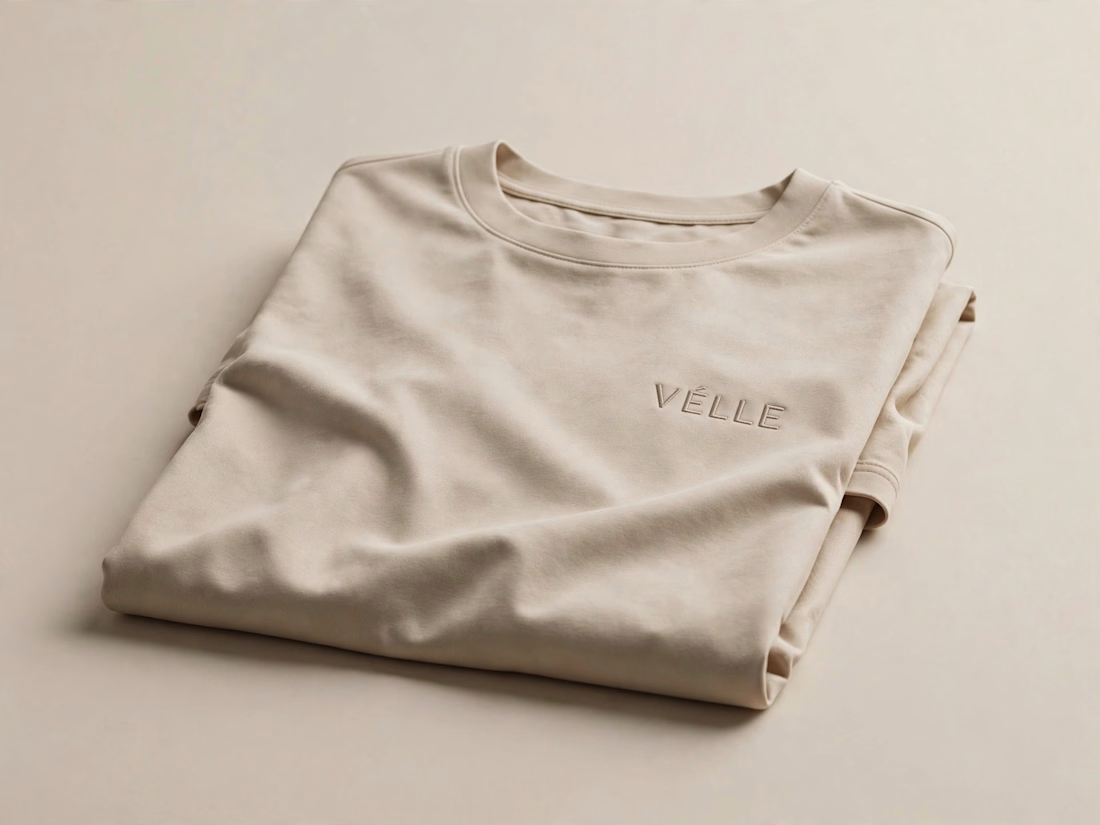
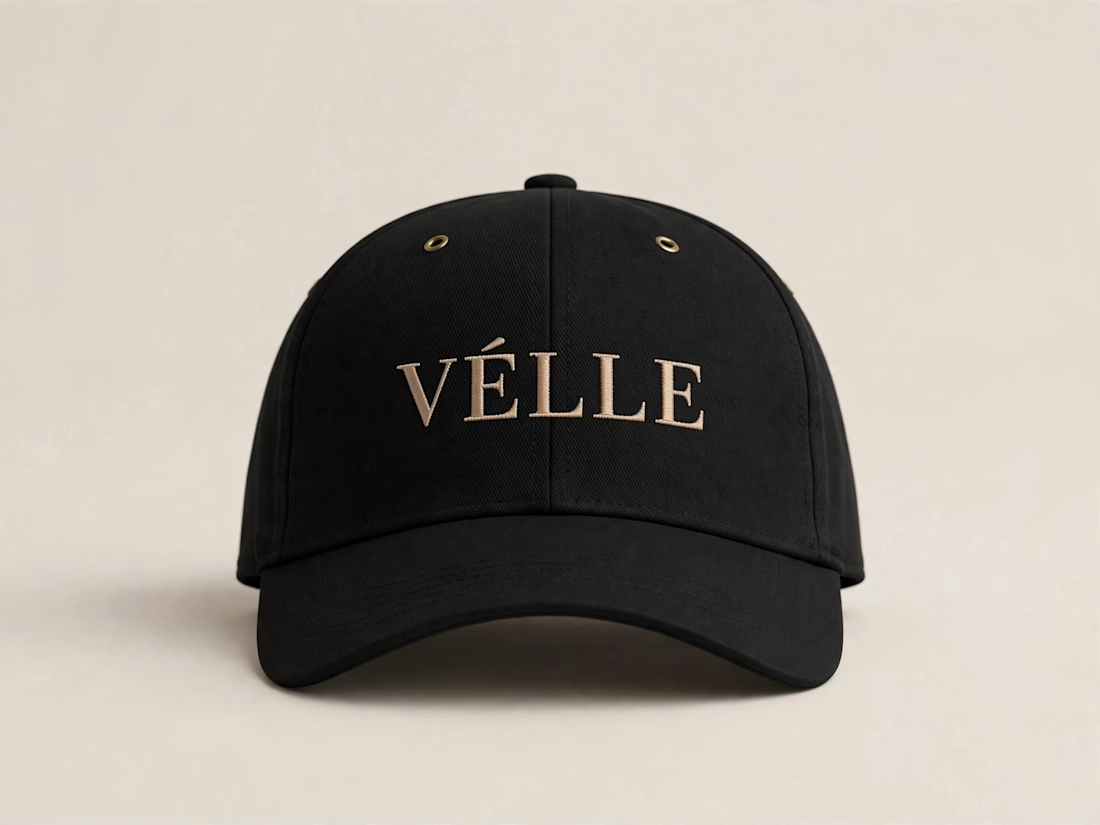
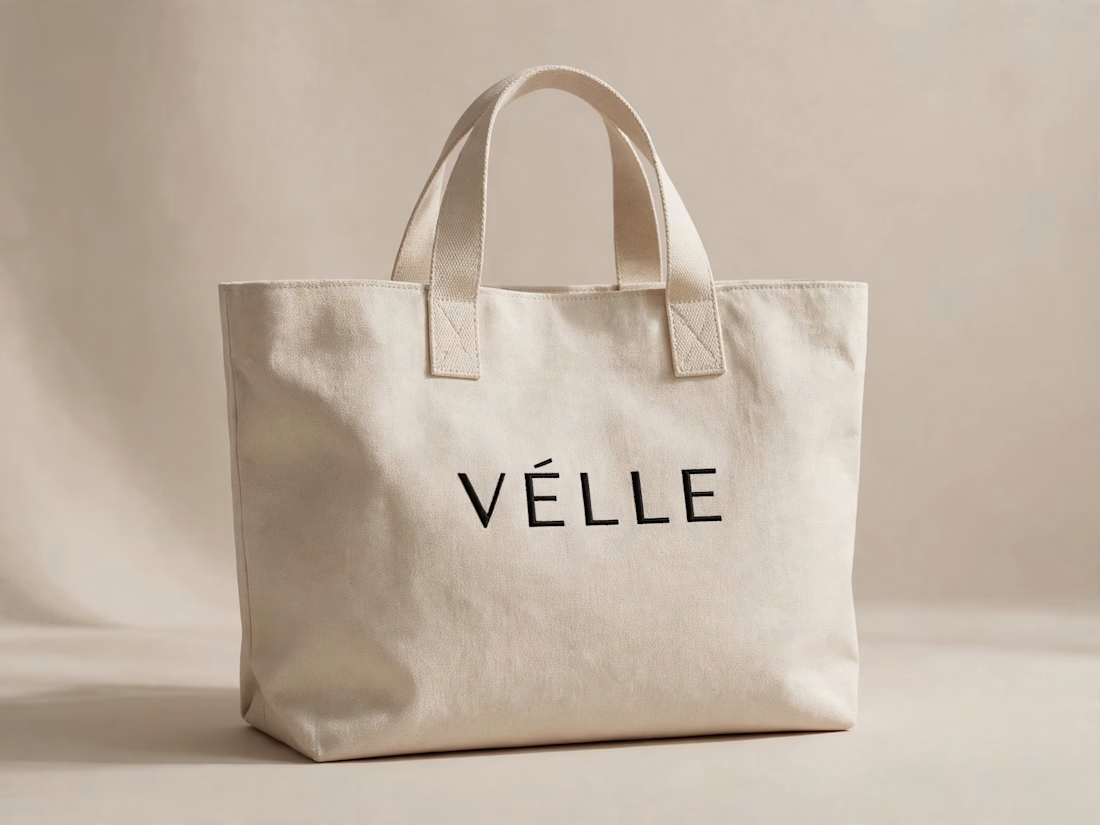

love the minimal direction on this. VÉLLE feels expensive but not loud, the tote and cap mockups are so good


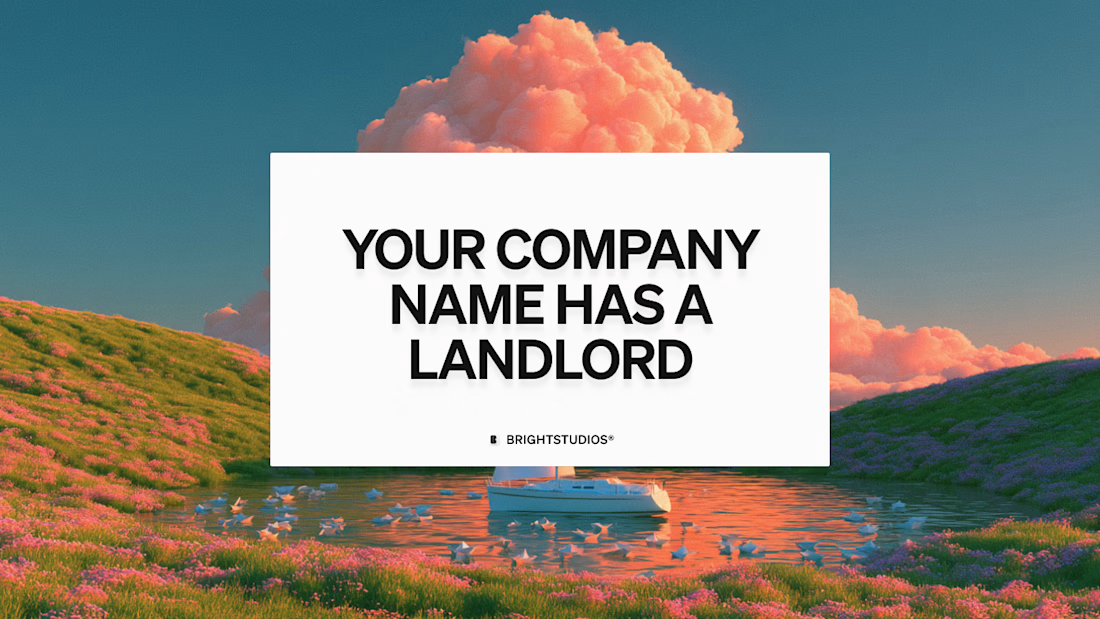
Sync's founder booked a white Peugeot.
A black Skoda showed up.
He built a whole rental company to end "or similar."
Then the first line people read about it said "marketplace."
Accurate word. Wrong shelf.
"Marketplace" filed Sync next to every app where strangers rent things to strangers. That shelf gets judged on one question: can I trust this?
So before we touched the identity, we moved the category.
Sync is car rental in Greece.
That one call reset everything after it.
The benchmark for finish became Avis, Hertz and Sixt.
The message came from the service: the exact car, at your door, no deposit hold.
Pink went from wallpaper to accent.
The noun you use to describe your company picks your competitors for you.
Try it: read only the noun on your homepage title. Write the three companies a buyer would compare you with. Are they the three you want to beat?
Full breakdown in this week's BRIGHT Method

Accurate word, wrong shelf is such a good line. The idea that the noun you choose picks your competitors for you is sharp and worth stealing.