The network for creativity
Join 1.25M professional creatives like you
Connect with clients, get discovered, and run your business 100% commission-free
Creatives on Contra have earned over $150M and we are just getting started
Back to feedPost
When commissioning AI training, I'd ask to see the exercise used to assess participants.
Suppose a participant uses AI to turn a project brief into a delivery plan. Ask them which assumption affects the deadline and what they chose to revise. Then move the requested delivery date forward. What could change, and what would the team have to agree before promising it?
In the discussion, I'd want to hear how the participant interpreted the model's answer and chose what to keep. The exercise is hypothetical and comes from my article on making a person's contribution visible in AI training.
I publish the article; AI assisted the article and this post.
https://topmoller.com/articles/who-passed-your-ai-training-assessment/?utm_source=contra&utm_medium=community&utm_campaign=ai-assessment-202610&utm_content=changed-deadline

topmoller.com
Who actually passed your AI training assessment?
When an agent can complete a course quiz, the completion report leaves a question about the participant. Examine what the assessment actually proves.


do you test people on real tasks from their own job or more general prompts?

For workplace training, I'd start with a task the participant actually needs to do, using material they are allowed to share. If client confidentiality gets in the way, I'd use a fictional brief with the same decisions.
In the delivery-plan example, I'd ask which assumption...
The network for creativity
Join 1.25M professional creatives like you
Connect with clients, get discovered, and run your business 100% commission-free
Creatives on Contra have earned over $150M and we are just getting started




Related posts

Build-in-public: my cold email batches just hit 25 of 25 sends three days straight, 205 of 210 delivered, zero hard bounces. The lesson is not about volume, it is about the boring daily habit behind it. Clean lists, real personalization, warmup that never stops, and checking the numbers every single day. Anyone can send 25 emails. Keeping them landing in Primary while you scale is the actual product.

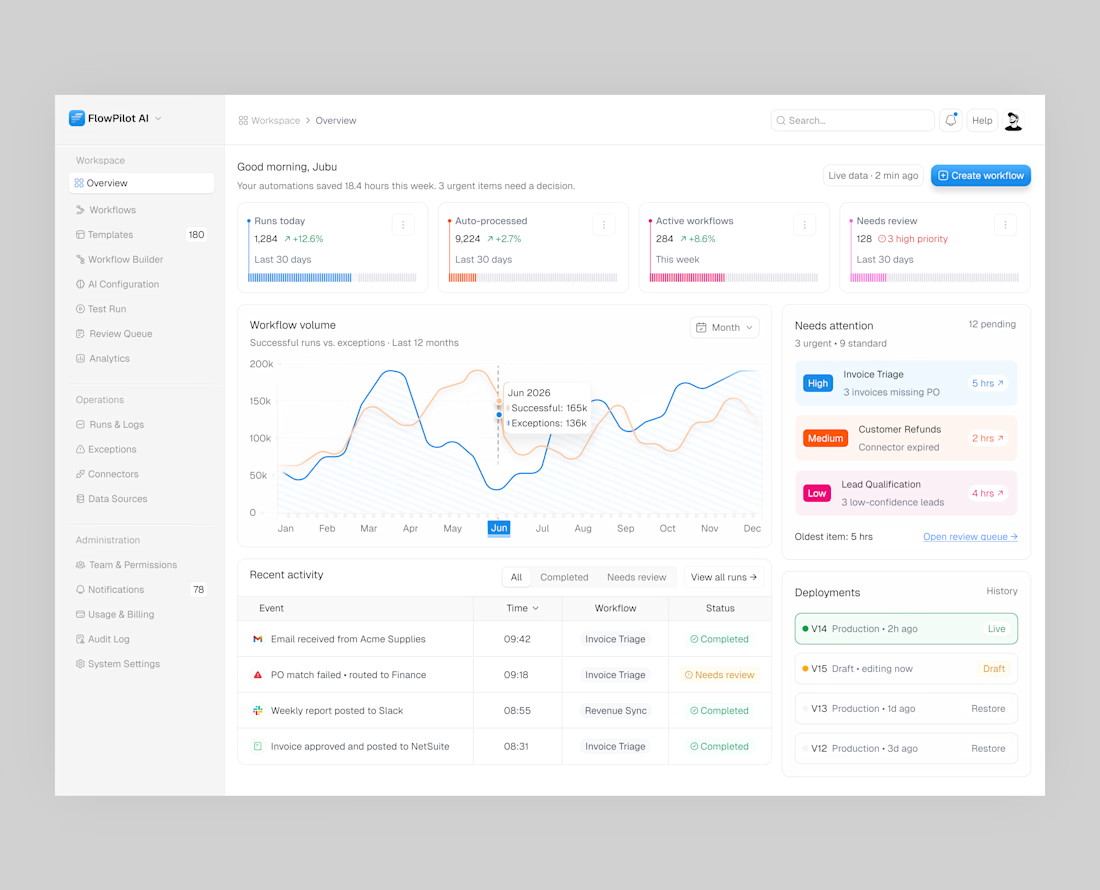
3 urgent items need a decision. The first line on FlowPilot AI's overview.
An AI automation dashboard that tells you what needs you before showing any chart.
Summary first or numbers first?

A product reveal should feel like the payoff to a story.
In my Cognivance A30 commercial, everyday family scenes and expressive ingredient mascots lead into an animated bottle entrance, turn and final product shot.
My work included scene planning, AI animation, dialogue timing, voiceover integration, captions and editing. The finished commercial runs approximately 47 seconds in vertical 9:16 format.
I create product commercials and social video ads that give brands a visual story through animated characters.
Need a commercial for an upcoming launch? Message me with your product and the one thing you want viewers to remember.


