The network for creativity
Join 1.25M professional creatives like you
Connect with clients, get discovered, and run your business 100% commission-free
Creatives on Contra have earned over $150M and we are just getting started
Back to feedPost

PERSIGNA: The Genesis of a Cultural Platform
PERSIGNA: The First Chapter (Juárez 30)
Co-Founder & Industrial Designer | Mexico City (2007–2009)
Project Narrative:
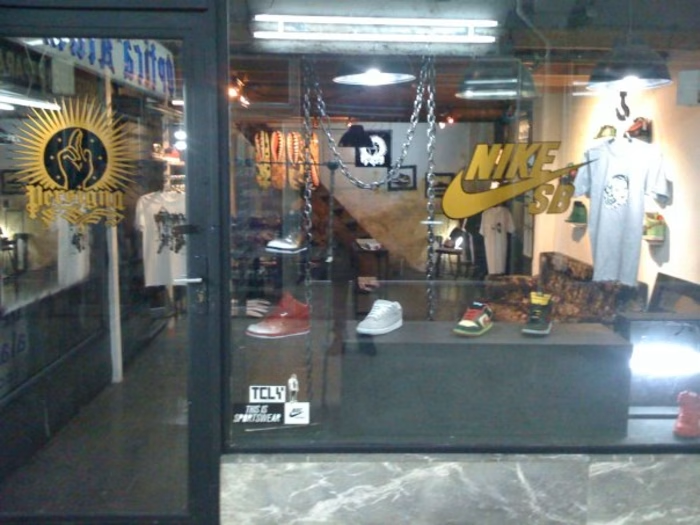
The original Persigna was an exercise in architectural hacking and urban regeneration. Located at the back of a nearly vacant, historic shopping arcade across from the Palace of Fine Arts (Bellas Artes), the project transformed a forgotten corner of the city center into a magnet for the burgeoning streetwear subculture.
Collaborating with partners from diverse backgrounds, blending "tianguis" street-vending experience with industrial design and retail consulting, we built a space that boosted the surrounding legacy businesses, such as an old optician and a vinyl shop, by introducing a new, specialized demographic to the area.
The Design of Necessity (Upcycling & Materiality):
As an Industrial Design student at the time, the challenge was to create a high-end aesthetic using zero-cost materials:
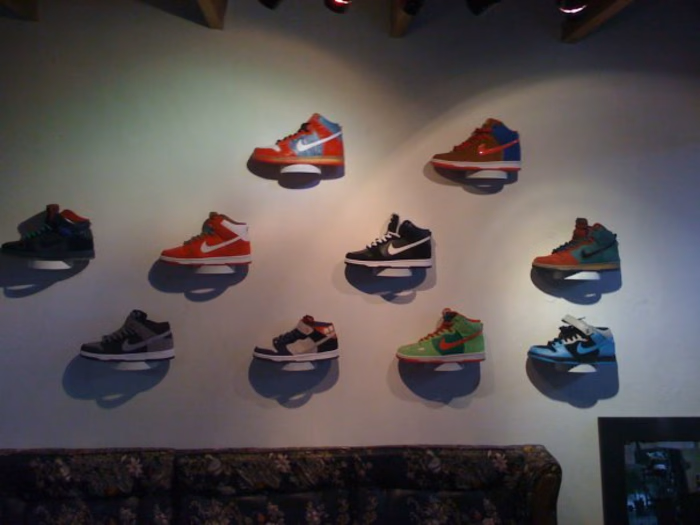
Textured Walls: We used wallpaper remnants found in neighboring shops, painting them in monochrome black and white to create sophisticated tactile patterns.
Recycled Infrastructure: Clothing racks were crafted from black metal structures with glass shelves salvaged from the building’s own broken facade.
Adaptive Reuse: The mezzanine, built with old beams and wood planks, provided a unique low-ceiling intimacy (2.40m), while we designed custom furniture mimicking hollow skate boxes for integrated storage.
Defensive Design: The massive black plywood counter was engineered with a double-bottom for security and a wide footprint to maintain distance, a necessary response to the urban reality of the city center at that time.
Cultural Hub:
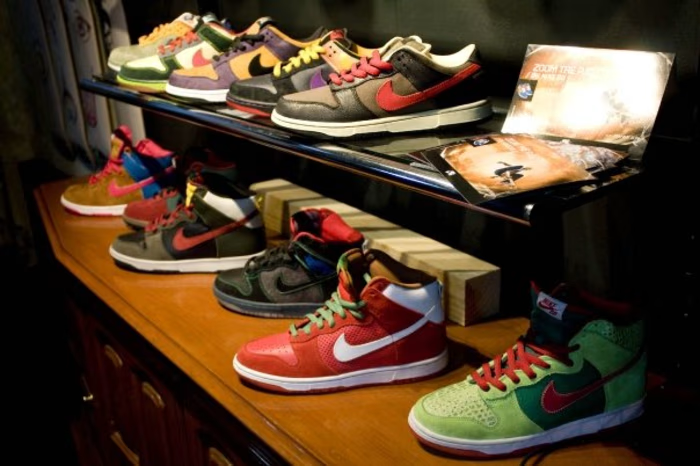
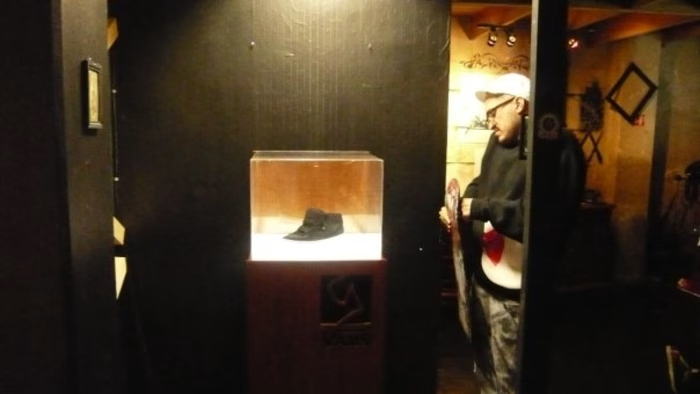
More than a store, the space functioned as a community library and gallery. We featured a curated selection of art, graffiti, and design books, alongside a sofa that invited people to stay, talk about non-mainstream sneakers, and view rotating art exhibitions. The entrance art was created using traditional local sign-painting (rotulismo), bridging the gap between ancient city trades and modern youth culture.

The network for creativity
Join 1.25M professional creatives like you
Connect with clients, get discovered, and run your business 100% commission-free
Creatives on Contra have earned over $150M and we are just getting started

Challenges
View all


Related posts

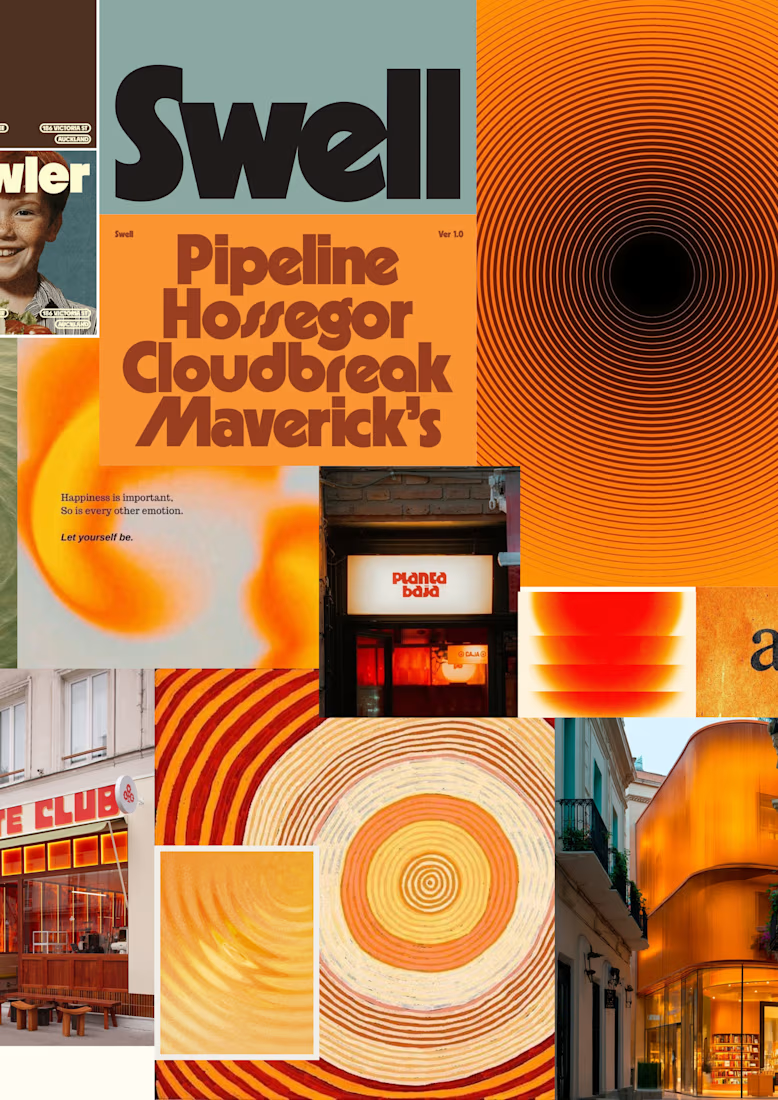
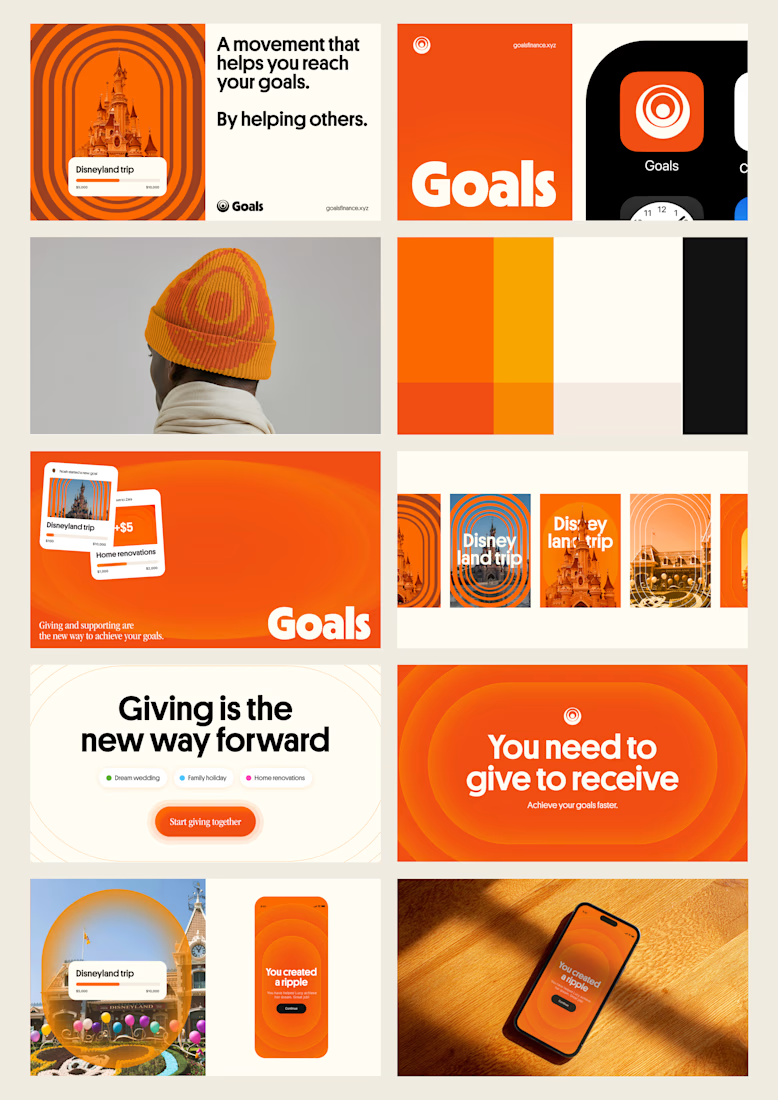
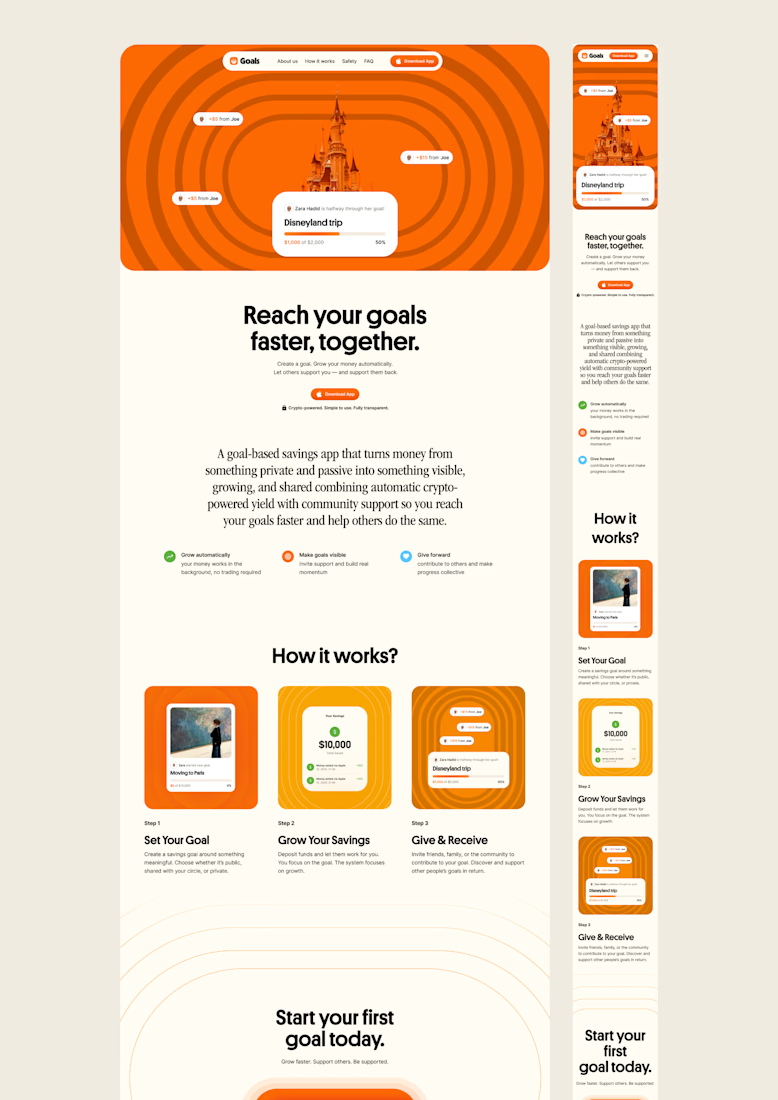
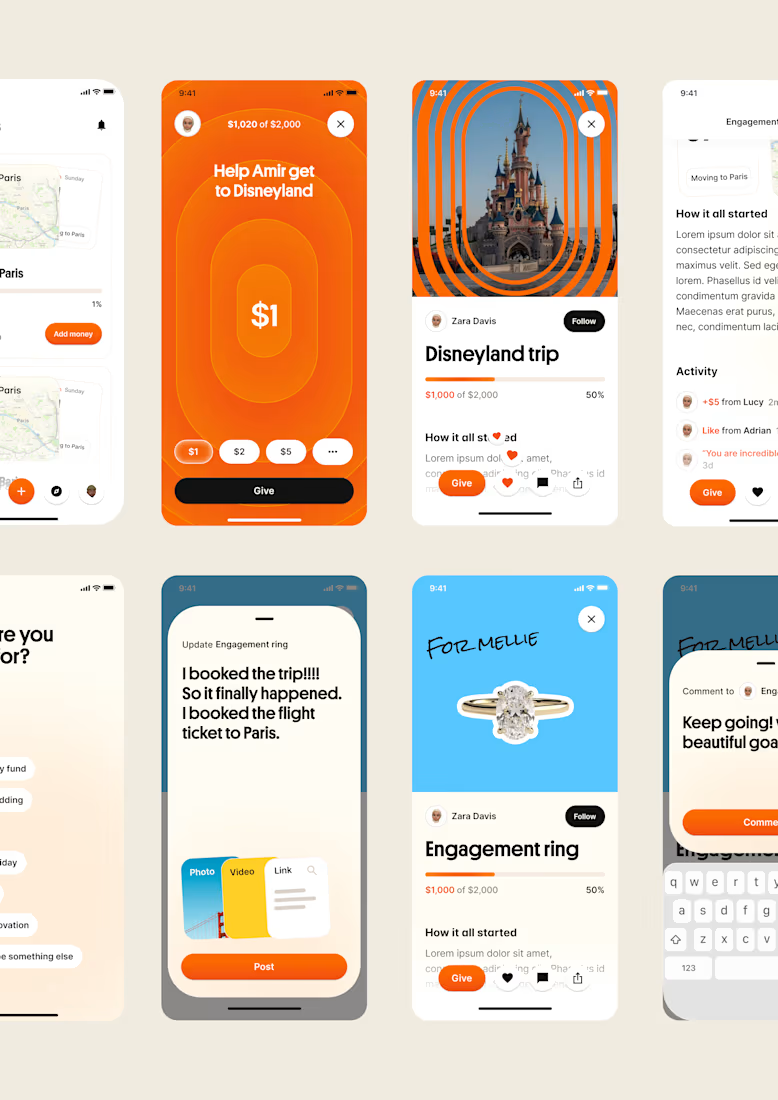
one of my favourite things about running a one-person studio is that nothing gets lost in translation.
the idea behind the brand is the same idea that shapes the website and the product.
no handovers, no starting from scratch, no trying to explain the vision to someone new.
a little look at how that came together for goals, from the first moodboard to the app ↓

Love it!

AX Creative | A city that builds itself as you scroll.
What if an agency website didn't just talk about building, but actually built something?
A homepage redesign concept for AX Creative, a growth agency operating across Melbourne, Sydney, Singapore, and Kuala Lumpur.
Their philosophy is simple: "We don't run campaigns. We build."
I took that literally.
As you scroll, a wireframe Melbourne rises into view. The sun moves from dawn to golden hour. Each section unfolds like an architectural drawing, turning the homepage into a living blueprint.
Designed and developed in Webflow with GSAP. Oversized Archivo typography, IBM Plex Mono annotations, a single sun-yellow accent, a live solar HUD, and a glowing masterplan bring the concept together.
The idea was to make the agency's positioning something visitors experience, not just read.
#Webflow #GSAP #WebDesign #CreativeDirection #ScrollAnimation #InteractionDesign


Taking "we build" literally with a city that rises as you scroll is a great concept. Dawn to golden hour as you go is a nice detail.

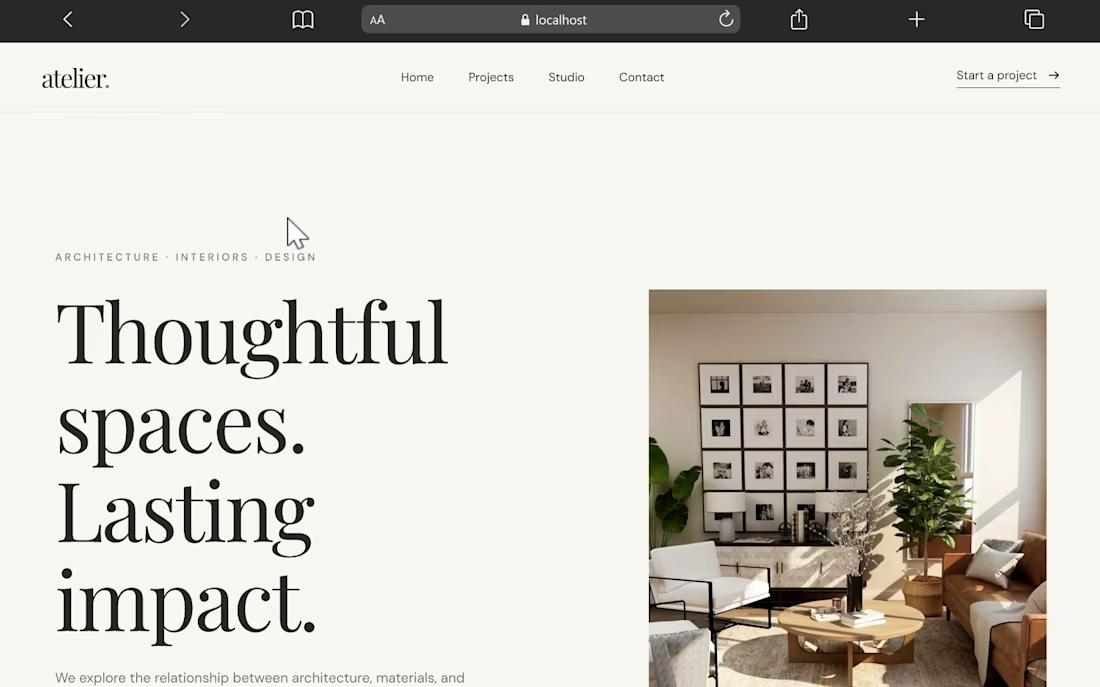
Atelier: Premium Architecture & Interior Design Website
Atelier is a modern, minimalist website concept for a premium architecture and interior design studio, designed to showcase projects through elegant layouts, refined typography, and immersive visual storytelling.
Built with React, TypeScript, Tailwind CSS v4, and GSAP, the website features responsive page layouts, animated interactions, a project gallery, individual project detail pages, and a functional contact form integrated with Formspree.
The design combines a warm, neutral color palette with editorial-style typography and subtle motion to create a sophisticated digital experience that keeps the focus on the work.
Key features:
Responsive design across desktop and mobile
Interactive project gallery and detailed project pages
Smooth GSAP animations and scroll-triggered effects
React Router navigation
Functional contact form with Formspree integration
SEO metadata and social-sharing configuration
Tech stack: React, TypeScript, Tailwind CSS v4, GSAP, React Router, Formspree, Vite, and Vercel.
This is a self-initiated concept project exploring how thoughtful design and modern frontend development can elevate a creative studio’s online presence.



Beautiful 😍