The network for creativity
Join 1.25M professional creatives like you
Connect with clients, get discovered, and run your business 100% commission-free
Creatives on Contra have earned over $150M and we are just getting started
Back to feedPost

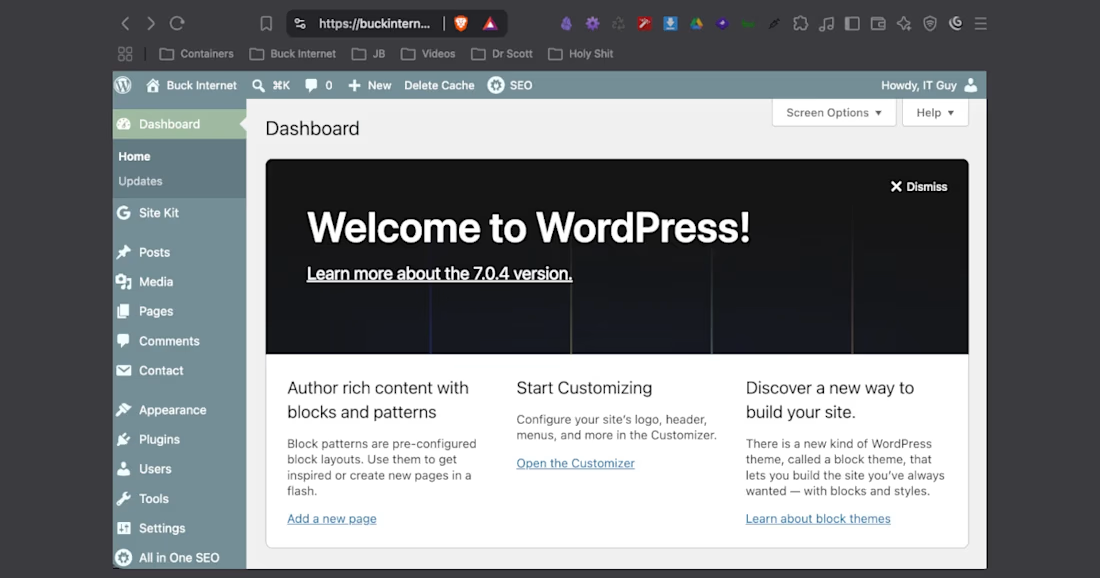
WordPress is the world’s most popular Content Management System (CMS), powering over 43.3% of all websites on the internet.
It acts as an open-source platform that allows individuals and businesses to build, edit, and manage websites without needing to write custom code.?️
Three Main Architecture Components:
Core Software: The baseline management system downloaded from the official repository. It handles user permissions, basic security, and text-based publishing tools out of the box.
Themes: The visual skin of your website. Themes dictate the overall layout, color palettes, and structural typography. You can change themes instantly without losing your written content.
Plugins: Small modular software add-ons. Plugins inject specific new functional features into your website, such as contact forms, e-commerce stores, or advanced search engine optimization (SEO) toolkits.
Core Ecosystem:
WordPress.org vs. WordPress.com
WordPress.org: The self-hosted, 100% free software version. You buy your own domain name and web hosting. It provides complete ownership and total design flexibility.
WordPress.com: A fully managed hosting service created by the co-founder of WordPress. It is a commercial, subscription-based platform where security and maintenance are handled for you, but customization options are restricted on cheaper plans.
Content Editing Modes
Block Editor
The default built-in drag-and-drop editor (Gutenberg.) It uses modular layout “blocks” to assemble text, imagery, rows, and columns dynamically.
Page Builders: Third-party plugins like Elementor or Thrive Architect. These replace the core editor with highly advanced design canvases to build custom responsive sites.


The network for creativity
Join 1.25M professional creatives like you
Connect with clients, get discovered, and run your business 100% commission-free
Creatives on Contra have earned over $150M and we are just getting started



Related posts

AI can build your website.
It cannot understand who you are, how you are different and how to explain that to people through a website.

A clear story takes judgment.


I've just put a new case study live.
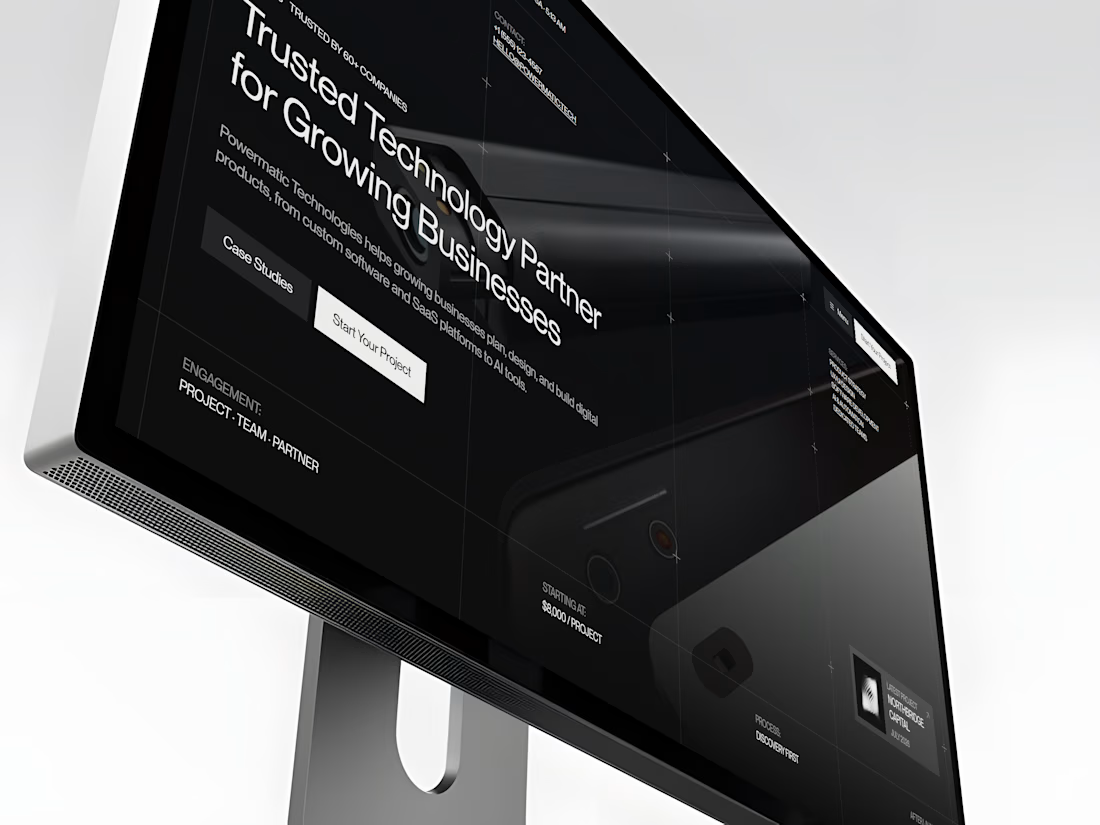
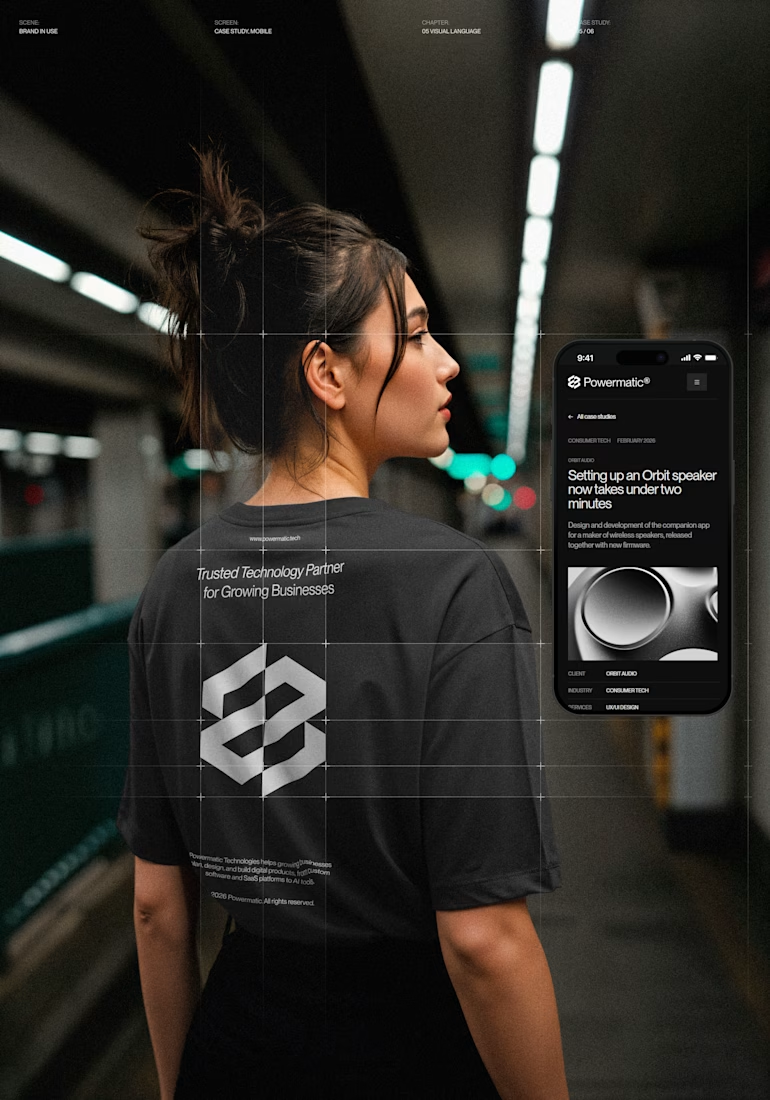
Powermatic Technologies helps growing companies with strategy, design and software. I did the whole project on my own: the logo and identity, the design in Figma, the code and the copy on the site.
The site sits on a four-column grid, and you can see its lines on the screen. Graphite palette with no pure black or white, PP Neue Montreal, and a bit of ASCII art.
The page I'm happiest with is Careers. My first idea was to repeat the home page layout. I dropped it. Now the page opens with the open roles set in 72 px type, with a filter by team. A candidate sees the role, the city and the pay before they scroll.
The menu turns like a drum. You can drag it or use the arrow keys, and it opens on the section you're reading.
It's all hand-written HTML, CSS and JS, no framework. It holds up from a phone to an ultrawide monitor.
The live site is open, so you can click through it yourself.



Nice!

Meet Silk Ribbon for Framer. A wavy image ribbon with momentum drag, hover focus and CMS support. Your gallery, finally moving.


momentum drag on a ribbon is such a nice touch. does it hold up on mobile?