The network for creativity
Join 1.25M professional creatives like you
Connect with clients, get discovered, and run your business 100% commission-free
Creatives on Contra have earned over $150M and we are just getting started
Back to feedPost


Most service businesses are paying 2-3 people to do what one AI system handles in the background. Here's exactly how I build the replacement.
A typical workflow I see when clients come to me:
1. Lead comes in through the website
2. Someone manually checks the inquiry and responds (usually 2-4 hours later)
3. A second person qualifies the lead over email or WhatsApp
4. A third person books the appointment and updates the CRM
Four steps. Multiple people. Average response time: hours. Leads lost every single day to competitors who reply faster.
Here's the system I build to replace it:
An AI voice agent (built on Vapi) that picks up every inbound call within 2 rings, qualifies the lead with natural conversation, and books the appointment directly into the calendar.
An n8n automation that triggers the moment a form is submitted: sends a personalized WhatsApp message within seconds, qualifies the lead through a short AI-driven conversation, and pushes the data into GoHighLevel with tags, notes, and a follow-up sequence already loaded.
A webhook layer that syncs everything to the CRM so the sales team sees a fully qualified lead with context before they ever pick up the phone.
What this does:
Response time drops from hours to under 10 seconds. Leads stop slipping to faster competitors. And the people who were doing this manually? They move to higher-value work: closing deals and managing relationships instead of copy-pasting between tabs.
The stack I use: Vapi for voice AI. n8n for workflow orchestration. GoHighLevel for CRM and booking. Make for the WhatsApp integration layer. OpenAI for the conversational logic.
This is what I do for service businesses, agencies, and SaaS teams. Not chatbots that answer FAQs. Full operational systems that replace manual workflows permanently.
If your team is still doing lead qualification, appointment booking, or follow-ups by hand, that's the bottleneck. Not your product. Not your pricing. The speed of your response.
I build these systems in 1-2 weeks. DM me or book a call: https://cal.com/aifuencee/30min
#AIAutomatio #AIAgents #Vapi #n8n #GoHighLevel #WorkflowAutomation #AIVoiceAgent #MakeAutomation #FreelanceBuilder #SaaSDev #LeadGeneration #NoCodeAutomation #AIForBusiness #ServiceBusiness #AutomationExpert


cal.com
Call with Rohan’s Team | Rohan Mishra | Cal.com
Call with Rohan’s Team
The network for creativity
Join 1.25M professional creatives like you
Connect with clients, get discovered, and run your business 100% commission-free
Creatives on Contra have earned over $150M and we are just getting started
Related posts

UGC ads usually mean finding a creator, sending a brief, waiting a week, then paying per video. I wanted to see how much of that an n8n workflow could handle.
The video in this post was not filmed. It was generated end to end by a workflow I built.
How it works:
I drop in a product, a short brief and a target audience
An LLM writes the UGC-style script with a hook, the body and a call to action
Veo generates the video in a natural, creator-style look
The workflow publishes it to TikTok, Reels and Shorts [and schedules it for the best time]
So the whole path from brief to published video runs without me touching an editor.
What I learned:
The prompt matters more than the model. Specific lighting, camera and tone details made the difference between “obvious AI” and “believable creator”.
Hooks decide everything. I generate several hooks per product and test them.
Always label AI-generated content where the platform requires it. It’s the right thing to do and it avoids trouble later.
If you run a brand, an e-commerce store or an agency and want a steady stream of short-form content without the cost of manual production, I build these workflows. Message me and I’ll show you how it would work for your product.
Would you trust an AI-generated UGC ad for your brand? Curious where people stand on this.
#n8n #Veo #AIVideo #UGC #AIAutomation #ContentCreation #ShortFormVideo #Ecommerce #MarketingAutomation #GenerativeAI #NoCode #SocialMediaMarketing


Elegant

FirstRound AI is a full-stack, AI-powered hiring and career development platform connecting employers and job seekers through intelligent automation.
Built with Base44, React, ElevenLabs, Tavus, and LLM integrations, it offers AI voice and video interviews, job discovery, candidate assessments, workforce training, and career simulations.
The platform unifies recruitment, applicant management, employer intelligence, and professional development into one scalable ecosystem.


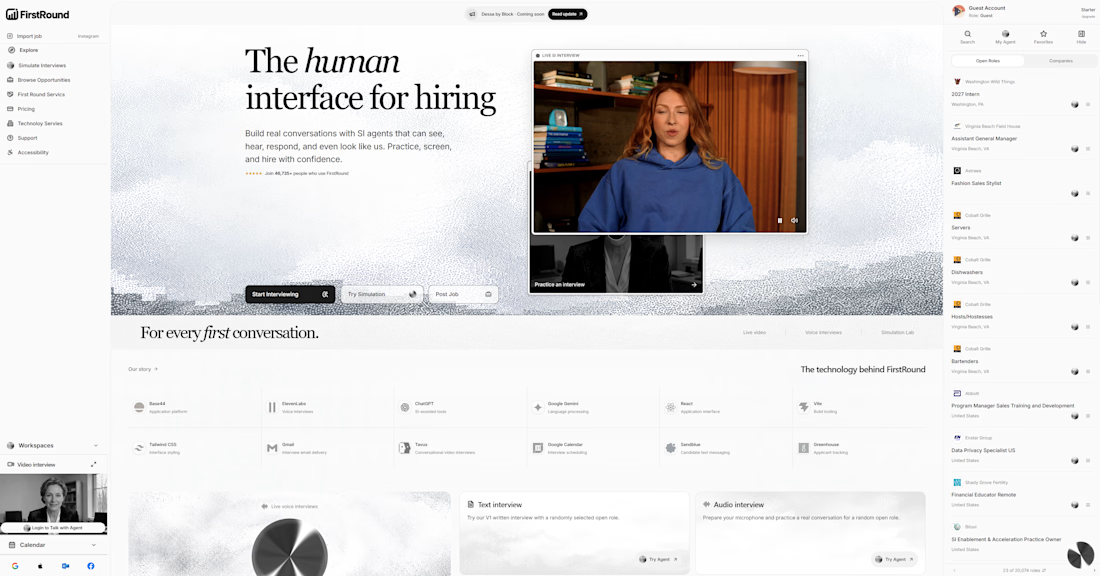

the app is nice but i think there are some features that are needed to be completed or added

you have $500 for next month to get clients. 500 fresh leads or 5 booked calls?
1 voted
50%
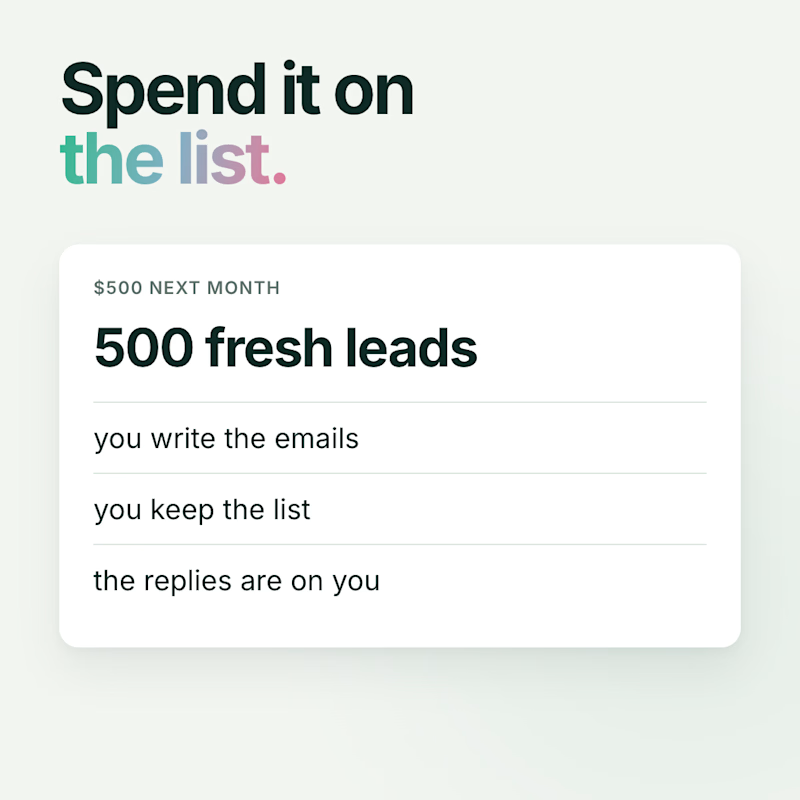
1 voted
50%
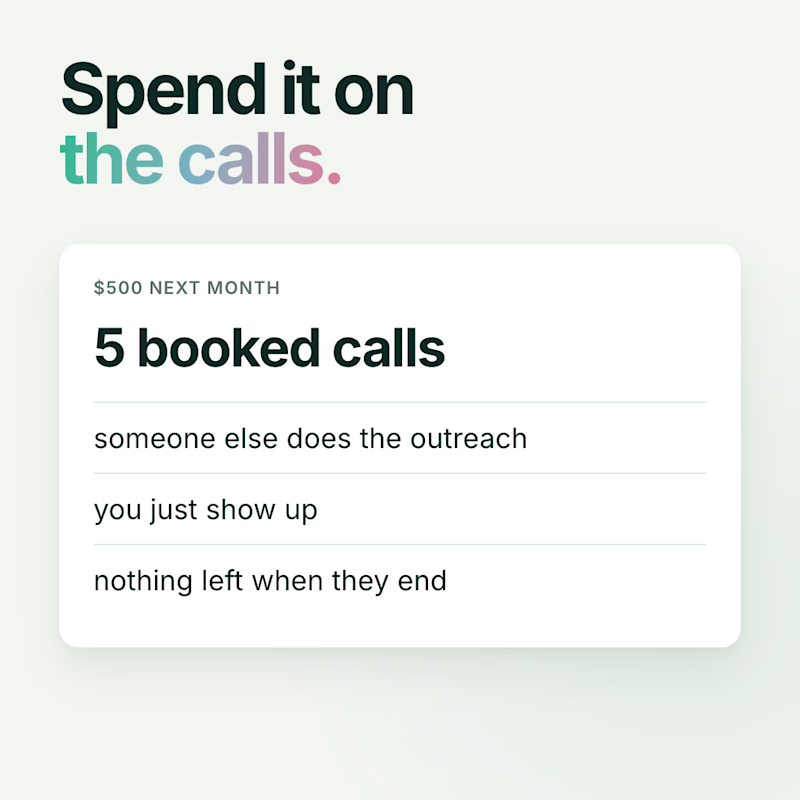
2 votes
Closed