The network for creativity
Join 1.25M professional creatives like you
Connect with clients, get discovered, and run your business 100% commission-free
Creatives on Contra have earned over $150M and we are just getting started
Back to feedPost

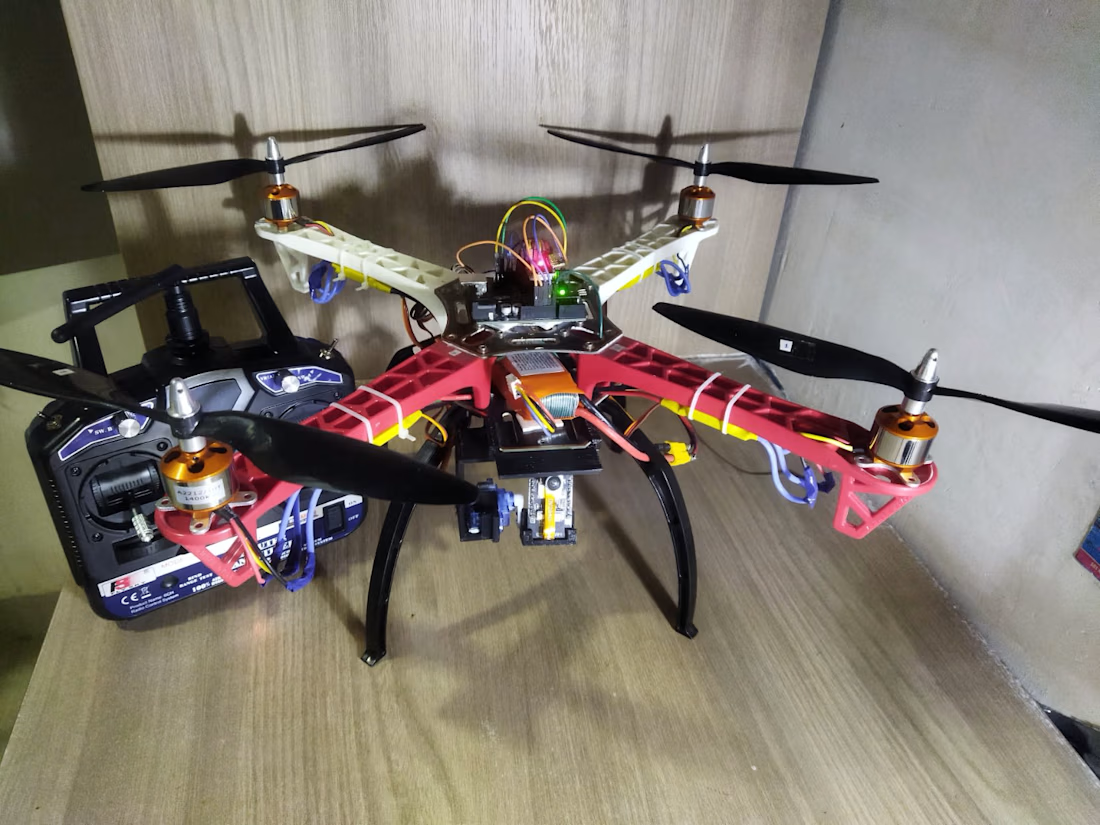
Drone for Search and Rescue Operation


The network for creativity
Join 1.25M professional creatives like you
Connect with clients, get discovered, and run your business 100% commission-free
Creatives on Contra have earned over $150M and we are just getting started



Related posts

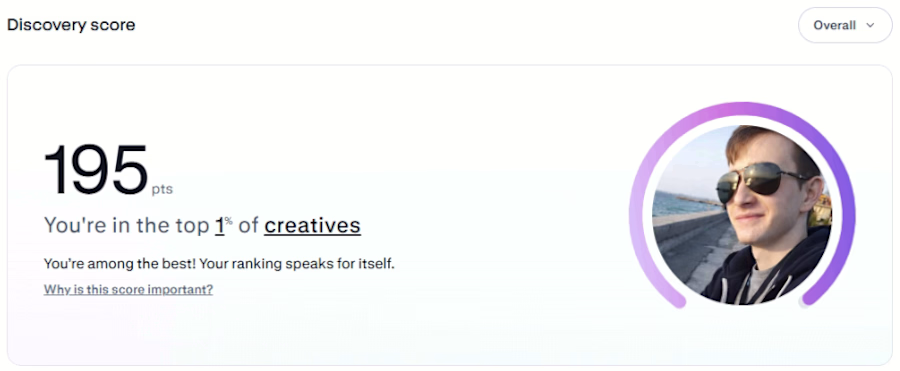
🚀 Happy to share a small milestone — I've reached the Top 1% of Creatives on Contra with 195 Discovery Points!
It's a great feeling to see that consistent effort, hard work, and a genuine passion for what you do can make a difference.
As a Software Engineer, I've always enjoyed solving problems, learning new things, and helping clients bring their ideas to life. Every project has been an opportunity to grow, improve, and build meaningful connections.
If you're just starting your freelance journey and wondering whether it's worth it, keep going! Stay consistent, do your best work, and trust the process. Small steps really do add up.
A big thank you to all my clients and everyone in the Contra community for your trust, encouragement, and support. I truly appreciate it! 🙌
Looking forward to meeting more amazing people, taking on exciting projects, and continuing to grow together.
Always happy to connect, collaborate, and share ideas! 🤝

Yay, congrats!!

Most AI chatbots have the same problem: they can sound convincing even when they're wrong.
I wanted to build one that doesn't simply generate answers—but actually has evidence behind them.
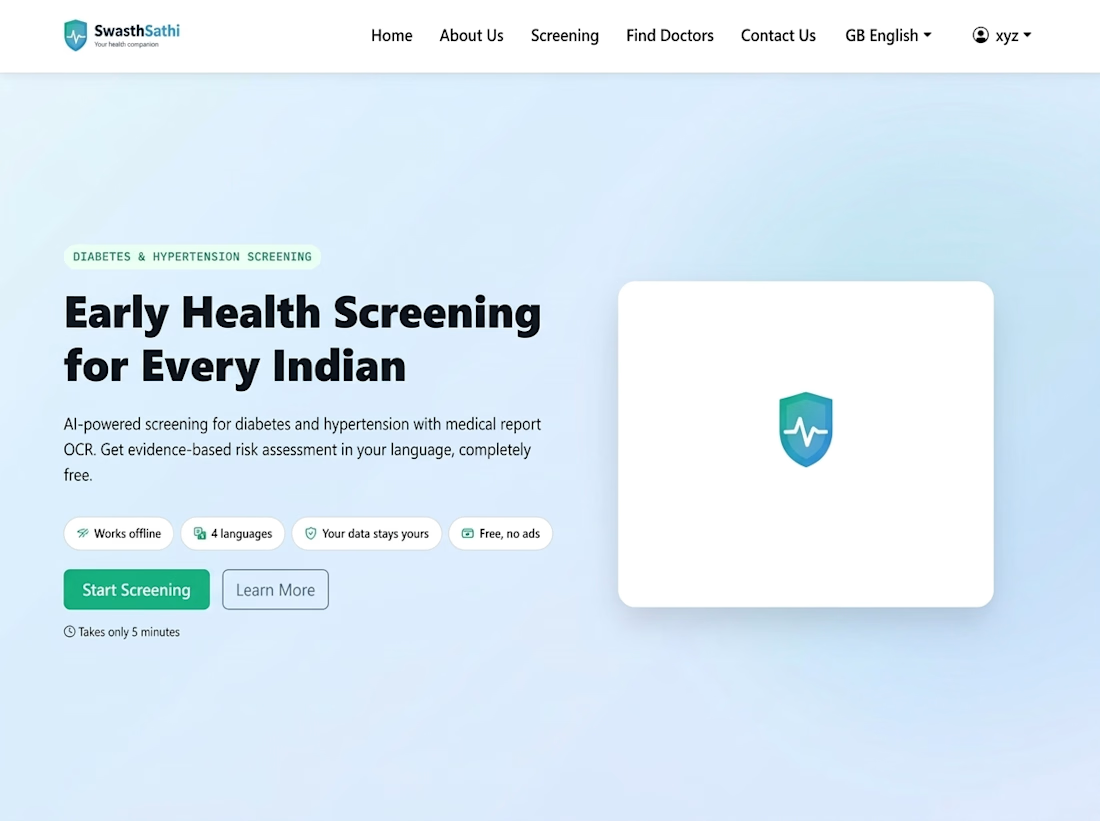
That's one of the things I worked on with SwasthSathi, a health-screening platform that received a ₹10,000 prototype development grant.
For its AI assistant, I implemented a pipeline that:
→ Extracts information from uploaded medical reports using OCR
→ Retrieves relevant medical guidelines using embeddings and pgvector
→ Generates responses grounded in retrieved information
→ Uses layered cost controls to prevent unnecessary API usage
The goal wasn't to make AI sound smarter. It was to make its answers more grounded, useful, and responsible.
And in a healthcare context, knowing when the system shouldn't confidently answer is just as important as generating a good response.
SwasthSathi provides health information and screening support—not diagnoses.
Working on this made me more interested in building AI features that solve actual problems rather than adding a chatbot just because a product can have one.
I'm now open to AI engineering projects involving:
• RAG over company documents and knowledge bases
• AI features integrated into existing web applications
• Document processing and intelligent workflows
• AI-powered MVPs and prototypes
Not every problem needs RAG, though. Sometimes a simpler solution is better. I'd rather figure that out with you before writing code.
If you're building a product that works with documents, data, or complex workflows, what would you want AI to actually do in it?
Want to see it in action?


I built FootprintDNA for an Ajax scout. It turns match footage and the scout’s assessment criteria into a structured Player Passport.


