The network for creativity
Join 1.25M professional creatives like you
Connect with clients, get discovered, and run your business 100% commission-free
Creatives on Contra have earned over $150M and we are just getting started
Back to feedPost

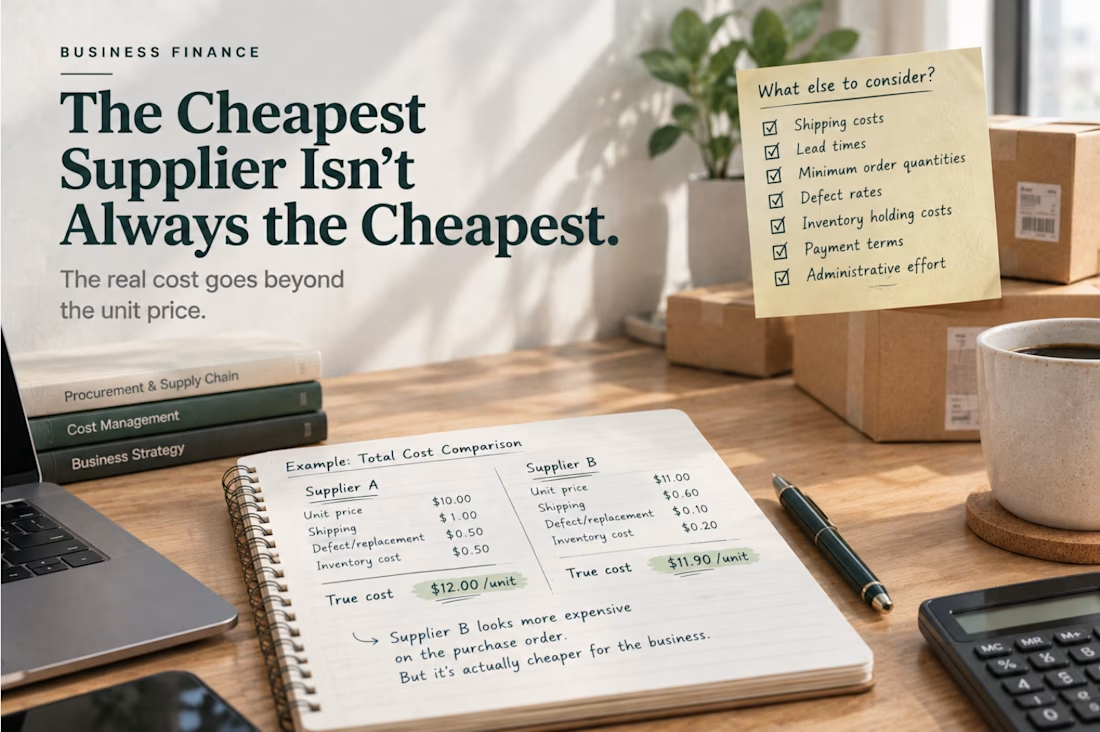
The Cheapest Supplier Isn't Always the Cheapest.
A supplier offers a 10% lower price.
Looks like an easy decision.
But the purchase price is only one part of the cost.
The cheaper supplier may also come with:
→ Higher shipping costs
→ Longer lead times
→ Larger minimum order quantities
→ More defective products
→ More inventory sitting in storage
→ More staff time spent resolving issues
→ Less flexible payment terms
For example:
Supplier A
Unit price: $10
Shipping: $1
Defect/replacement cost: $0.50
Average inventory cost: $0.50
True cost: $12/unit
Supplier B
Unit price: $11
Shipping: $0.60
Defect/replacement cost: $0.10
Average inventory cost: $0.20
True cost: $11.90/unit
Supplier B looks more expensive on the purchase order.
But it's actually cheaper for the business.
This is why procurement decisions shouldn't be based only on unit price.
A better question is:
“What is the total cost of using this supplier?”
When evaluating suppliers, look beyond price and consider:
• Logistics
• Quality
• Lead time
• Payment terms
• Minimum order quantity
• Returns/replacements
• Inventory holding costs
• Administrative effort
The cheapest quote isn't necessarily the cheapest option.
Sometimes, paying slightly more upfront saves much more money later.
The network for creativity
Join 1.25M professional creatives like you
Connect with clients, get discovered, and run your business 100% commission-free
Creatives on Contra have earned over $150M and we are just getting started

Challenges
View all


Related posts

Your service page should do more than list what you offer. It should help visitors decide why they need you. 👇
Meet Elevra, my new @Framer template for business consultants.
From the problems you solve to your approach, deliverables, and pricing, every detail helps potential clients understand the value before they book.
Less guessing. More clarity. Better conversions.
Check it out here:
https://framer.link/1EKf9Sa


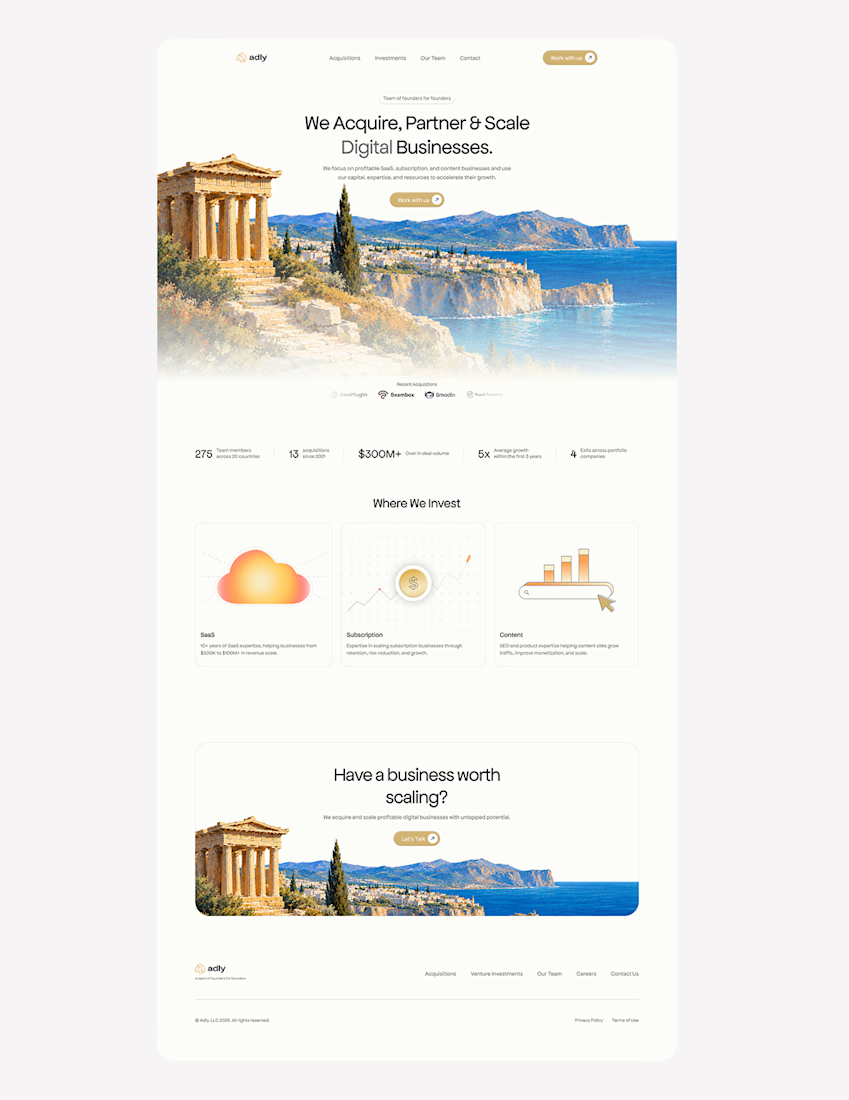
A compelling value proposition can make users want to know more about your product.
Let's take a look at these two examples.
"We help you manage your finances."
"Know where your money goes and take control of your spending."
Which one grabs your attention more?
The second one works better because it focuses on what the customer actually cares about, not just what the product does.
Here are some questions every value proposition should answer:
Why should customers choose you over your competitors?
What makes your product different?
How does it solve your customers' problems?
You can only answer these questions by understanding your customers' pain points and thinking from their perspective.
If you don't understand your customers, no amount of design or advertising will help you build lasting customer relationships.
Instead of constantly adding more features, startups should focus on what makes their product different.
And communicate that value clearly through their landing pages.

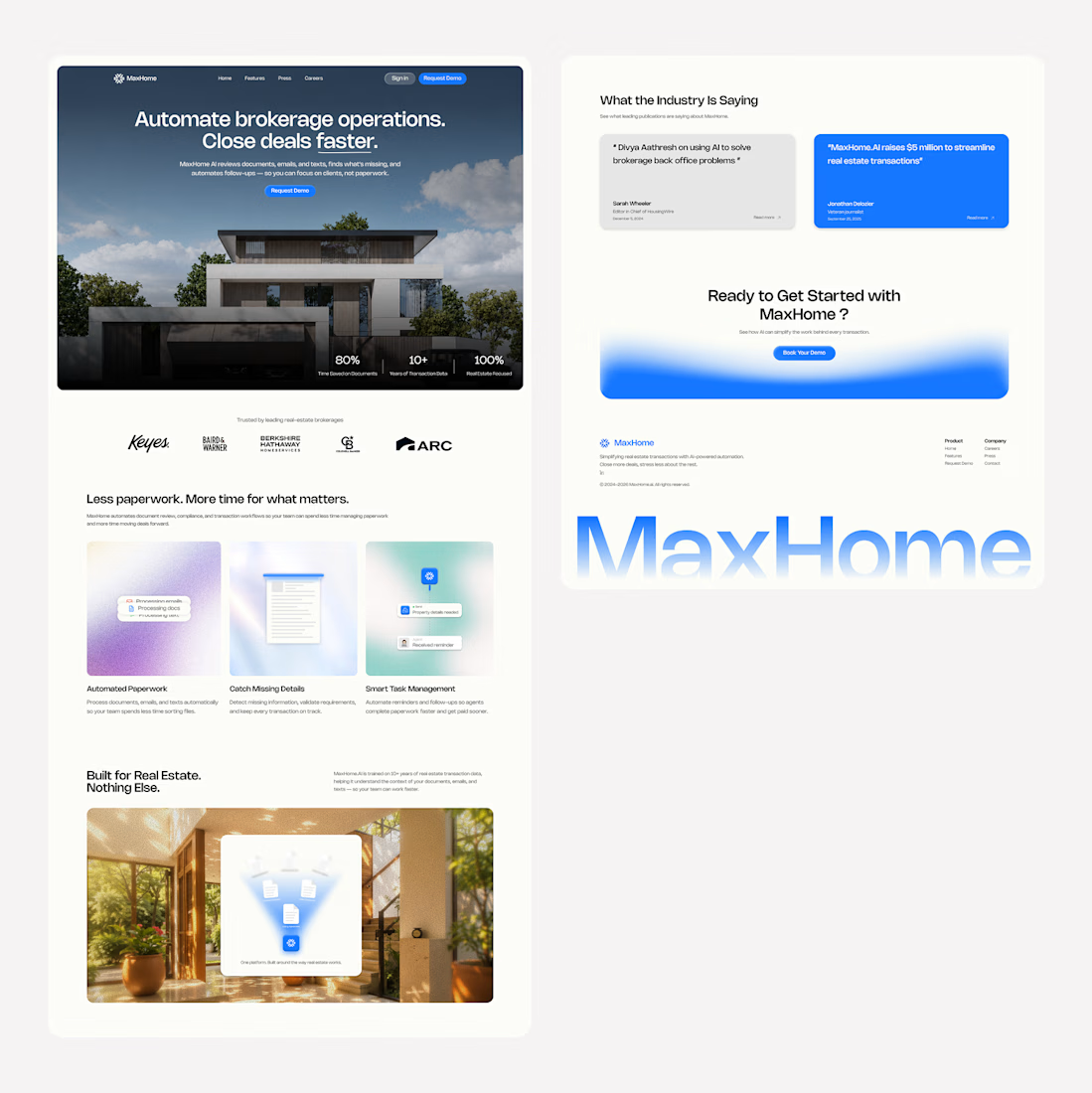
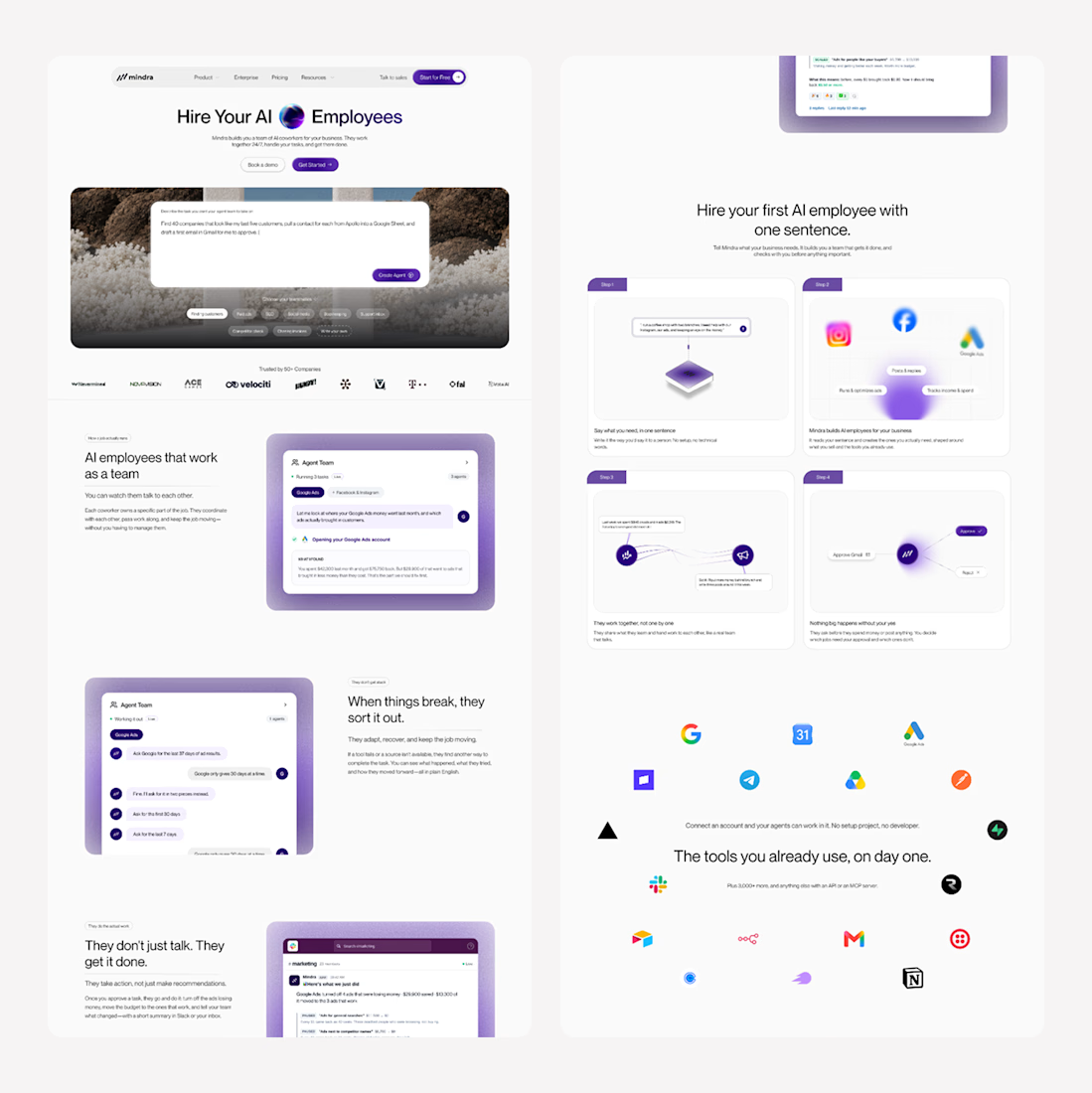

Brilliant execution!

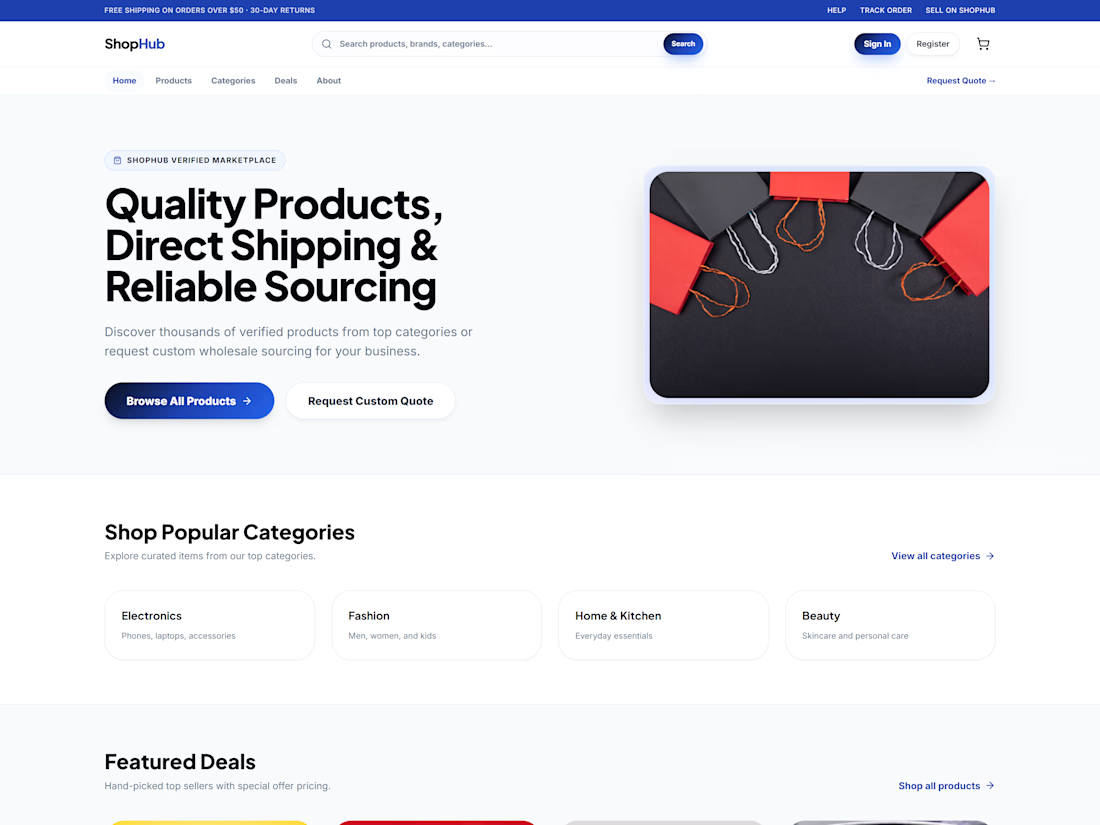
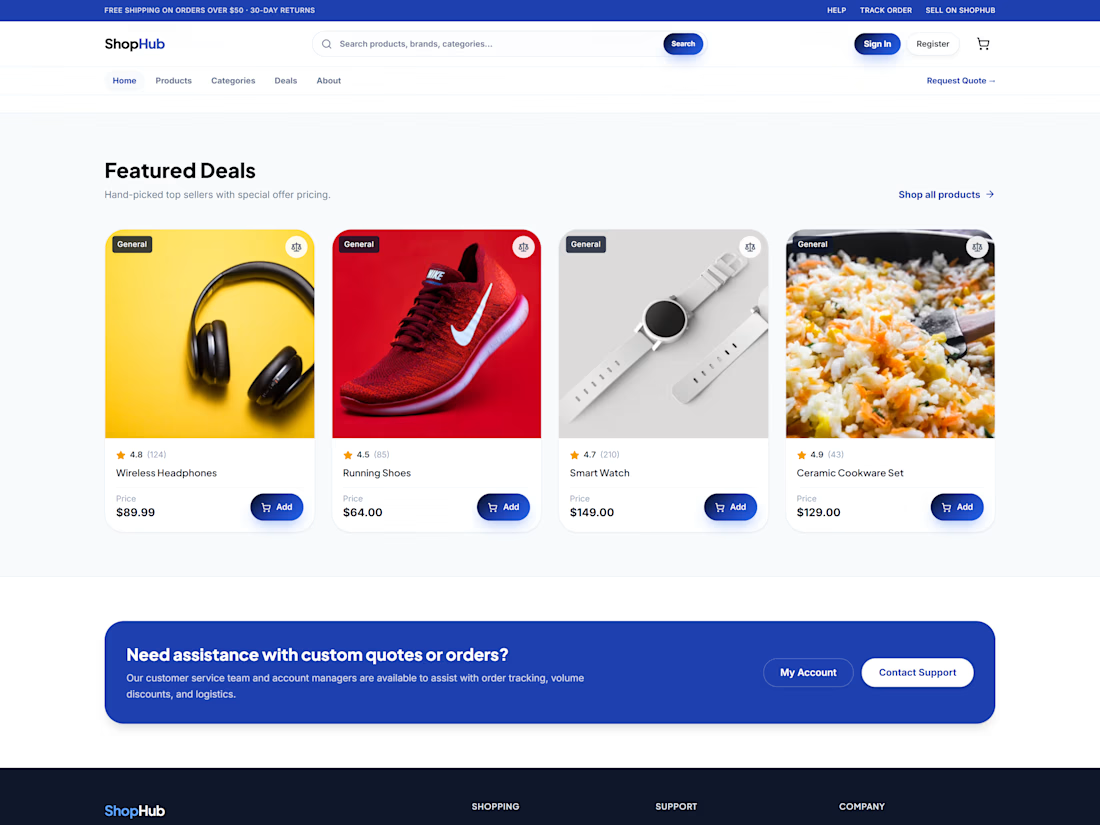
ShopHub: E-Commerce Marketplace with Wholesale Sourcing
An online marketplace where shoppers browse verified products by category, and businesses can request custom wholesale sourcing through a quote flow. I designed and built the storefront end to end.
What it does
Category-based product browsing with deals, best sellers, and new arrivals sorting.
Product pages with ratings and reviews.
Order tracking, a help center, and shipping and returns information.
A “Request Quote” flow for custom and bulk orders.
A seller onboarding page for third-party vendors.
My role: Full-Stack Developer.