The network for creativity
Join 1.25M professional creatives like you
Connect with clients, get discovered, and run your business 100% commission-free
Creatives on Contra have earned over $150M and we are just getting started
Back to feedPost

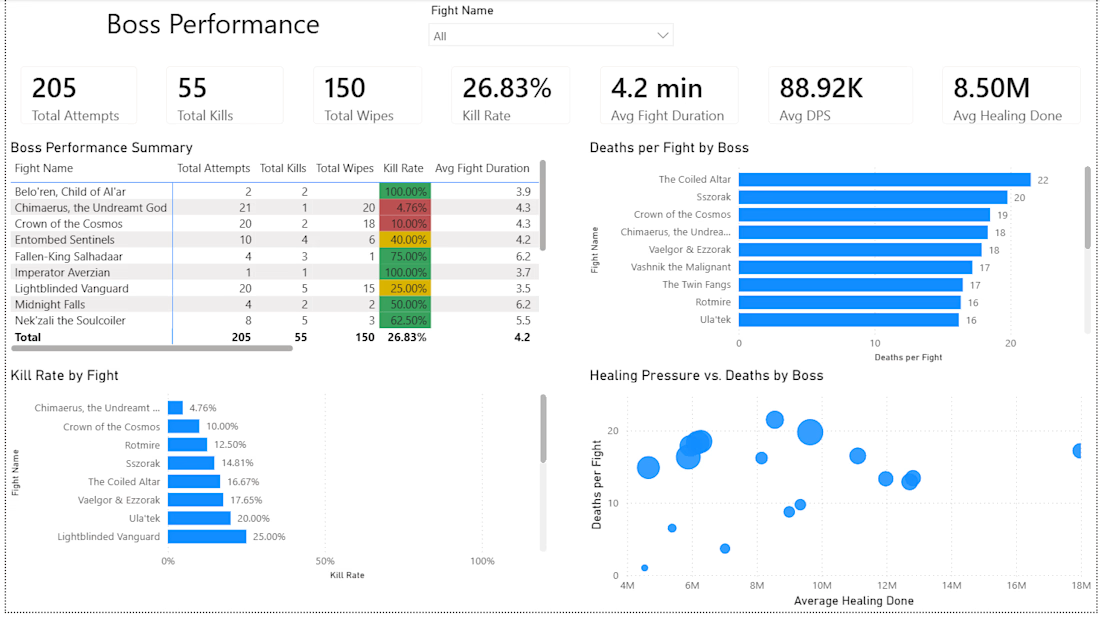
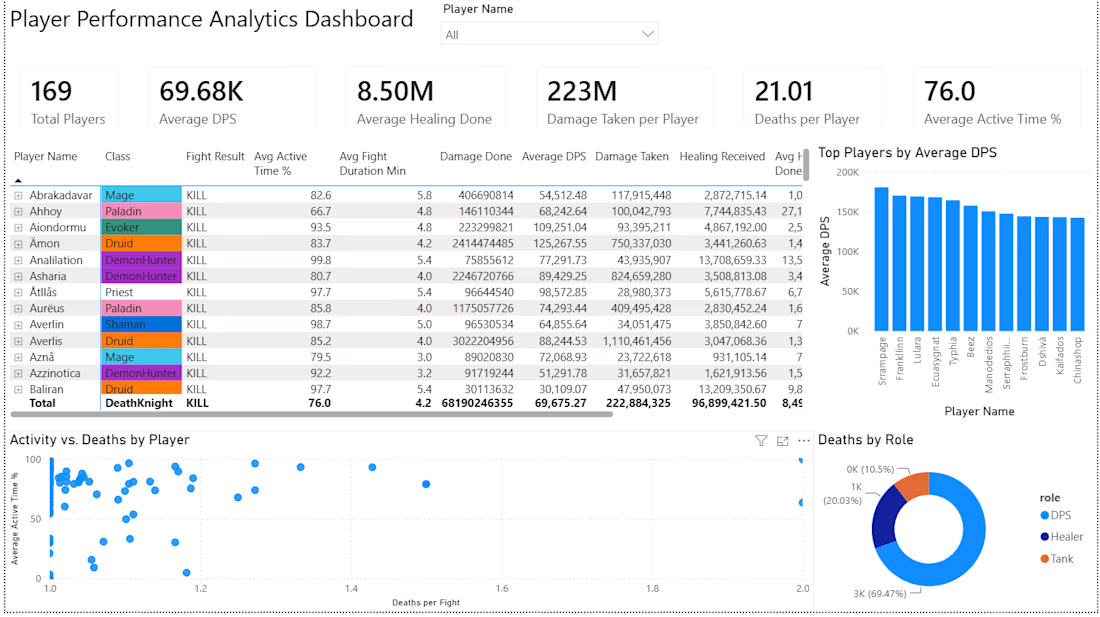
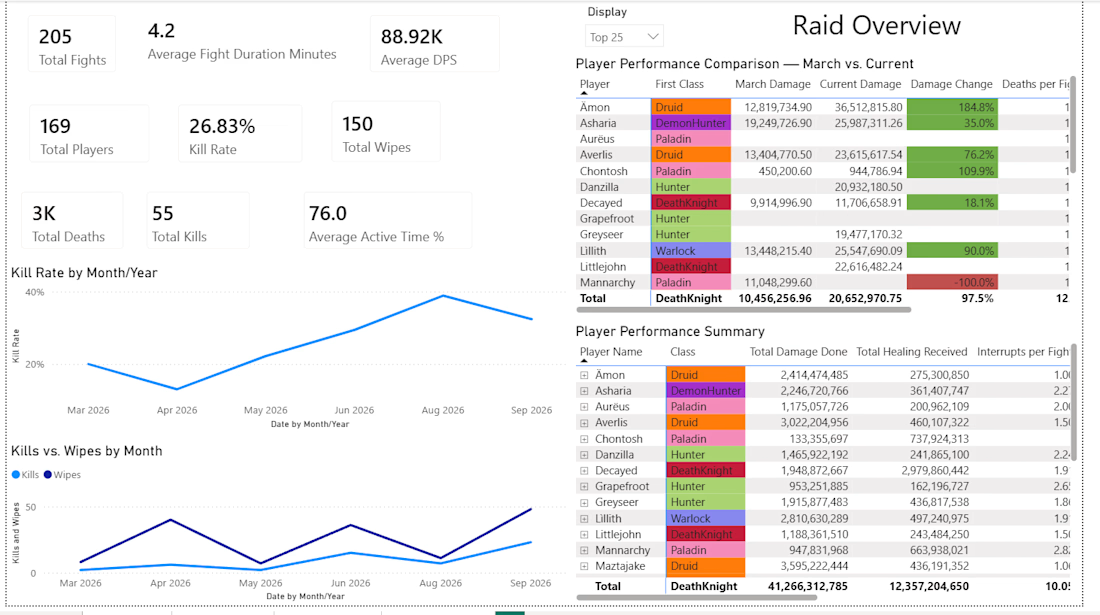
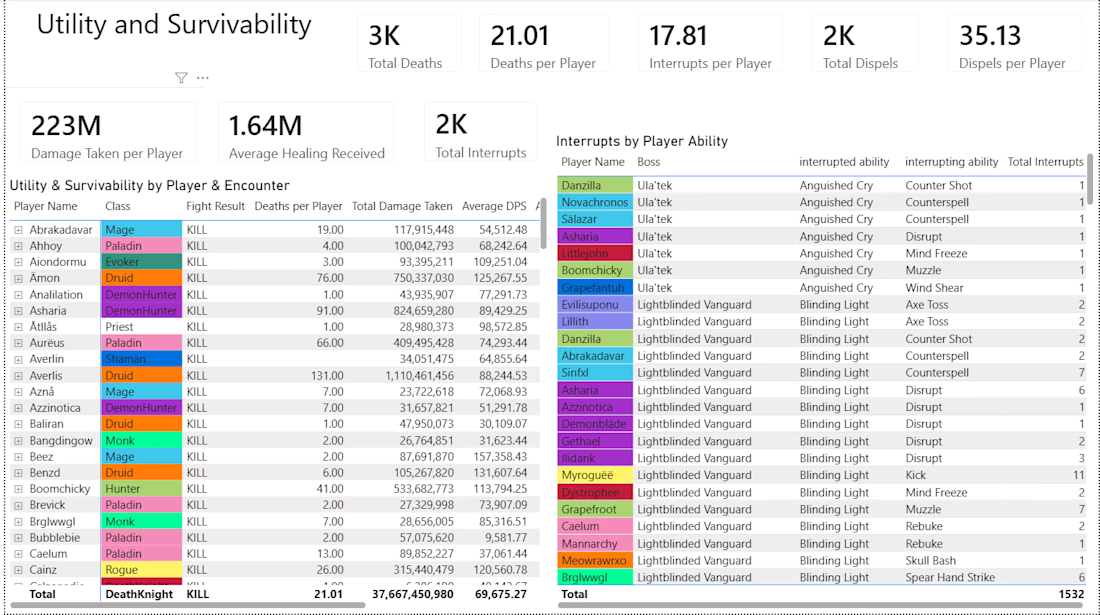
World of Warcraft Raid Performance Analytics
Analyzed combat-log data to evaluate raid progression, boss performance, player performance, mechanics, abilities, and team-level performance. Transformed detailed gameplay data into structured analytical views that make performance trends and areas for improvement easier to identify.


The network for creativity
Join 1.25M professional creatives like you
Connect with clients, get discovered, and run your business 100% commission-free
Creatives on Contra have earned over $150M and we are just getting started





Related posts

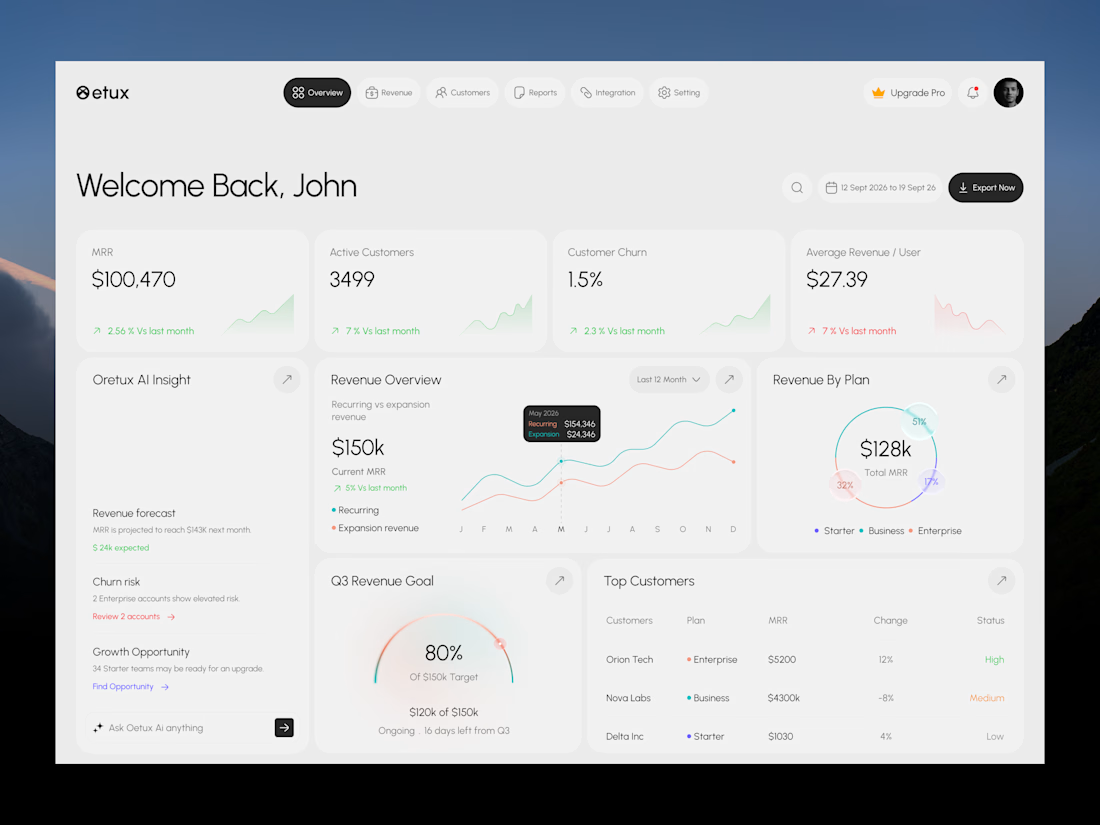
Oetux – SaaS Revenue Analytics Dashboard
The client had a lot of data, but the real problem was making sense of it.
MRR, revenue, churn, active customers, growth, customer performance, goals. Every metric was important, but when everything gets the same attention, users don’t know where to look first.
The existing experience made users spend too much time switching between information and trying to connect the numbers.
So we focused on how SaaS teams actually read their business data. We structured Oetux around the questions that matter most.
How is revenue performing?
Are we growing?
Are customers staying?
Where are we losing revenue?
What needs attention right now?
Then we organized KPIs, revenue trends, customer performance, churn insights, goals, and AI powered insights into one clear experience.
The goal wasn’t to remove data.
It was to organize the data so users could understand it faster.
That’s what we solved with Oetux.
Turning a data heavy SaaS dashboard into an experience that helps teams see their business clearly and make better decisions.



Love the clean layout.

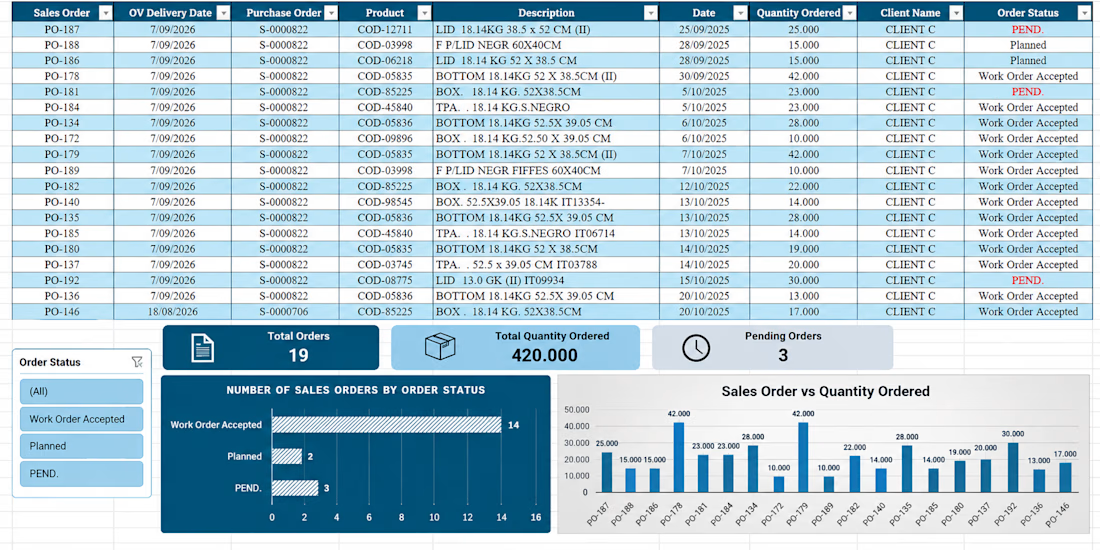
Developed an Excel dashboard for tracking sales orders, organizing order data, monitoring order status, and analyzing requested quantities. The project included data organization, filters, KPI summaries, and visual charts to improve data comprehension and support informed decision-making.


I just finished building my own open-source farm bot called Farmbt 🌱
It's a team of 13 AI agents. I asked them one question, and they came back with a ranked list of opportunities nobody has fully cracked yet.
You describe a problem area in plain words, and the agents take it from there:
🔎 Researchers search the web in parallel and pull out findings, each with its source
✅ A verifier re-opens the pages and checks every claim against the real text
🗳️ A gap hunter runs three independent passes, and only gaps that show up repeatedly survive
🥊 A critic tries to prove each gap is already solved
🛠️ Solver agents design fixes, check them against existing products and papers, and write an experiment plan
The hard part wasn't getting AI to produce answers. It was making it not make things up. So every claim is graded by evidence, confidence ratings are capped by what the source actually supports, and everything is saved, so a run that hits a rate limit picks up where it stopped.
It runs on free-tier models today and gets better with every model upgrade, with no code changes.
First test: crop-disease detection apps for smallholder farmers. 39 sources, 16 findings and 5 opportunities, ending in a concrete first experiment to run.
Open source: github.com/Samthnalyst1234/Farmbt
If you need an AI pipeline that's reliable enough to trust, for research, automation or anything in between, let's talk 👋


The step where a verifier re opens every page is a solid guard against hallucinations, and persisting state lets the run survive rate limits without missing a beat