The network for creativity
Join 1.25M professional creatives like you
Connect with clients, get discovered, and run your business 100% commission-free
Creatives on Contra have earned over $150M and we are just getting started
Back to feedPost

Most startups don’t have a lead problem…
They have a follow-up problem.
I’ve worked with early-stage teams where leads come in, but nothing happens after the first contact. No structure, no tracking, no consistent follow-up.
That’s how opportunities get lost.
What I do is help fix that-by creating simple systems to track leads, manage conversations, and follow up consistently until they convert.
Still early in my journey on Contra, but I’ll be sharing more about lead generation, outreach, and how startups can actually turn prospects into customers.

The network for creativity
Join 1.25M professional creatives like you
Connect with clients, get discovered, and run your business 100% commission-free
Creatives on Contra have earned over $150M and we are just getting started



Related posts

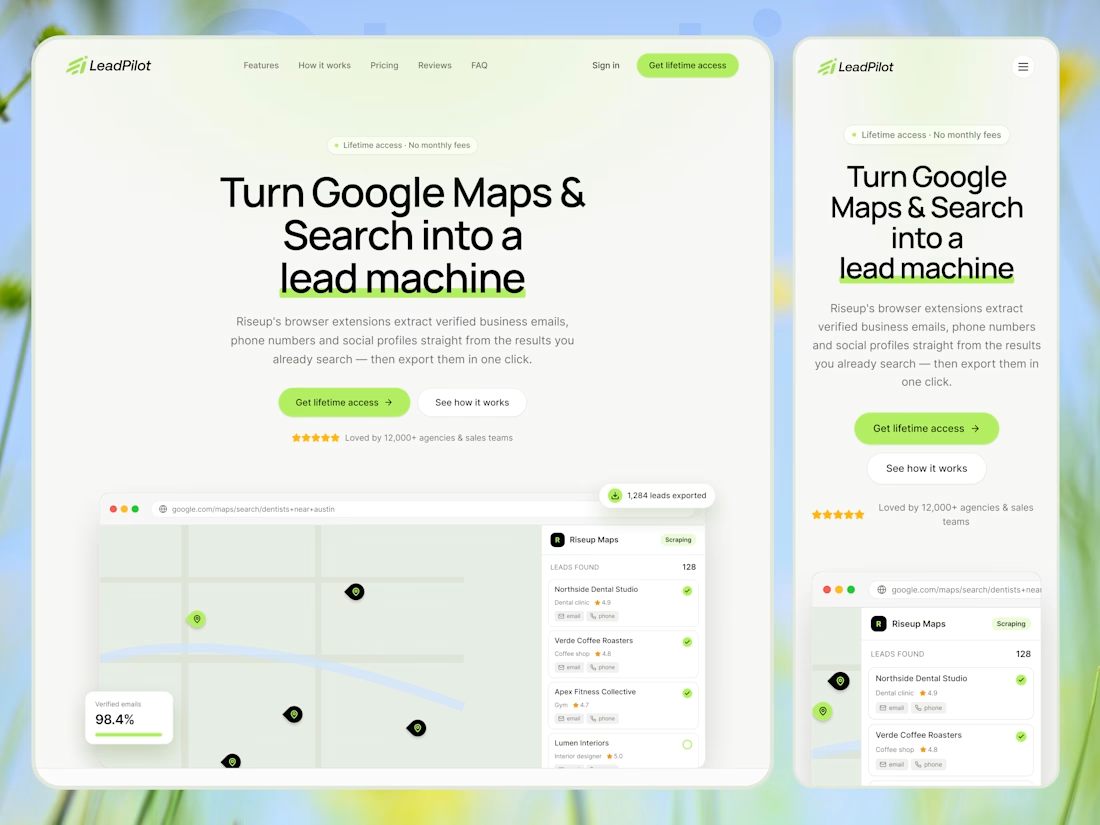
Your next lead might already be on Google Maps.
LeadPilot explores a simpler way to discover businesses, collect contact information, and organize prospects without turning research into a full-time job.
What would you automate first in your sales workflow?
🏀 Full Design Showcase – Better View on Dribbble.
✅https://dribbble.com/shots/27880603-LeadPilot-B2B-Lead-Generation-SaaS-Experience

Most founders don’t need a better brand deck.
They need to stop losing weeks to back-and-forth.
I run brand and positioning sprints,
so this might sound odd coming from me.
But hear me out.
Good strategy still dies inside a messy process:
↳ Feedback buried in email threads
↳ A logo “approved” on a call, reopened three weeks later
↳ Nobody sure which file is final
Most delays I see aren’t creative problems.
They’re process problems.
So every client gets a private portal:
→ One page per phase, with its own comments
→ Contract and brief that lock once you tick approval
→ Invoices visible only to you and one or two people you choose
→ A Loom walkthrough on day one
If you’re hiring a brand partner, ask:
1 → Where will my feedback live?
2 → What happens after I approve?
3 → Who can see my invoices?
If the answers are “email,” “we’ll see,” and “everyone,” expect delays.
Strategy gets the credit.
Process protects your timeline.
Take a look at the process demo here.
P.S. What slows you down most when working with an agency or freelancer: feedback, approvals, or handoff?



founder delays kill more brand projects than bad design does honestly

Most 'lost' leads didn't say no. They said not now.
• A workflow starts when an opportunity's status changes to Lost.
• It waits 90 days, then sends a short SMS asking if they're still planning the job.
• A reply moves the opportunity back into the pipeline and creates a task to call them that day.
• When they book, a confirmation email goes out automatically.
How long would you wait before checking back with a lost lead?
Follow for more videos: instagram.com/sellwrightstudio · youtube.com/@sellwrightstudio

This is a smart way to handle lost leads. Ninety days feels about right for a check-in, long enough that it does not feel pushy but soon enough that they still remember you. Do you find most replies come from the first SMS or from a later one in the sequence?