The network for creativity
Join 1.25M professional creatives like you
Connect with clients, get discovered, and run your business 100% commission-free
Creatives on Contra have earned over $150M and we are just getting started
Back to feedPost

MoodRoom AI is a generative workflow system built in Melius that creates emotionally adaptive, cinematic environments based on human mental states such as burnout, focus, anxiety, and creative block.
I imagined a system that does not just generate beautiful images but actually responds to emotional needs. MoodRoom AI was designed as a tool where users can “feel” their way into a space—whether they need calm, focus, recovery, or inspiration.
The project was built using a structured multi-node workflow inside Melius:
1. Emotion Input Node — defining the mental state (e.g., burnout, anxiety, focus, creativity)
2. Prompt Generation Node — converting emotional inputs into structured visual descriptions
3. Image Generation Node — producing initial cinematic room outputs using SOTA models
4. Refinement Node — improving lighting, composition, and atmosphere
5. Melius Agent Node — iteratively enhancing prompts and outputs for coherence, realism, and emotional accuracy
6. Output Selection — curating the strongest visuals for each emotional room
The Melius agent played a critical role in refining both prompts and visual outputs. I used it to adjust lighting tone, enhance atmospheric depth, improve spatial composition, and ensure emotional alignment between input mood and final image output.
The project includes four distinct cinematic environments:
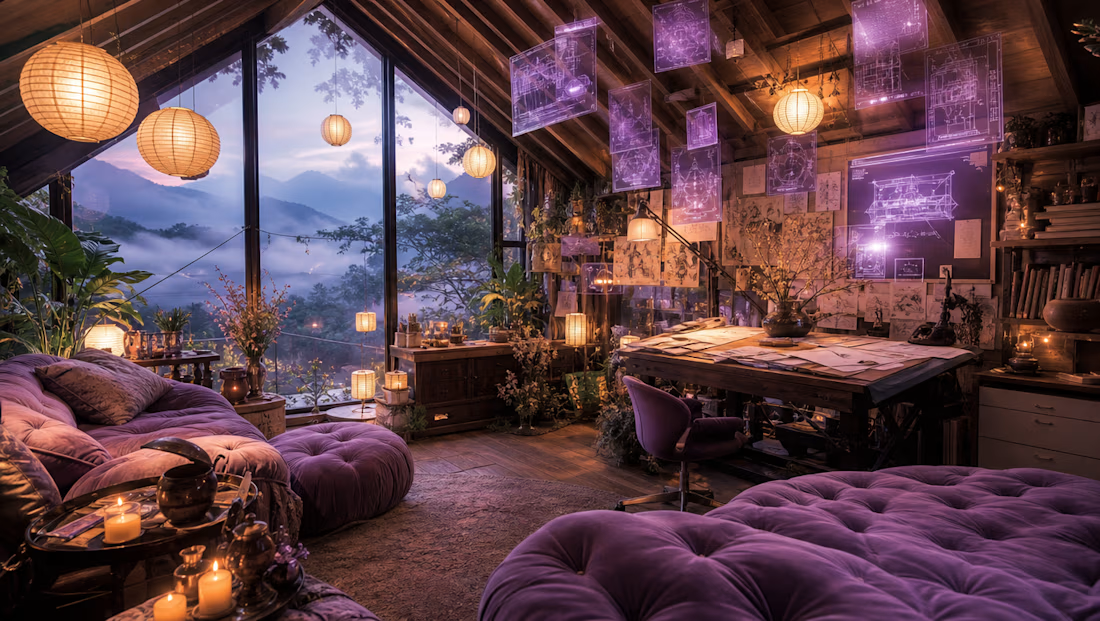
1. Creativity — Twilight Studio with cinematic ambient lighting
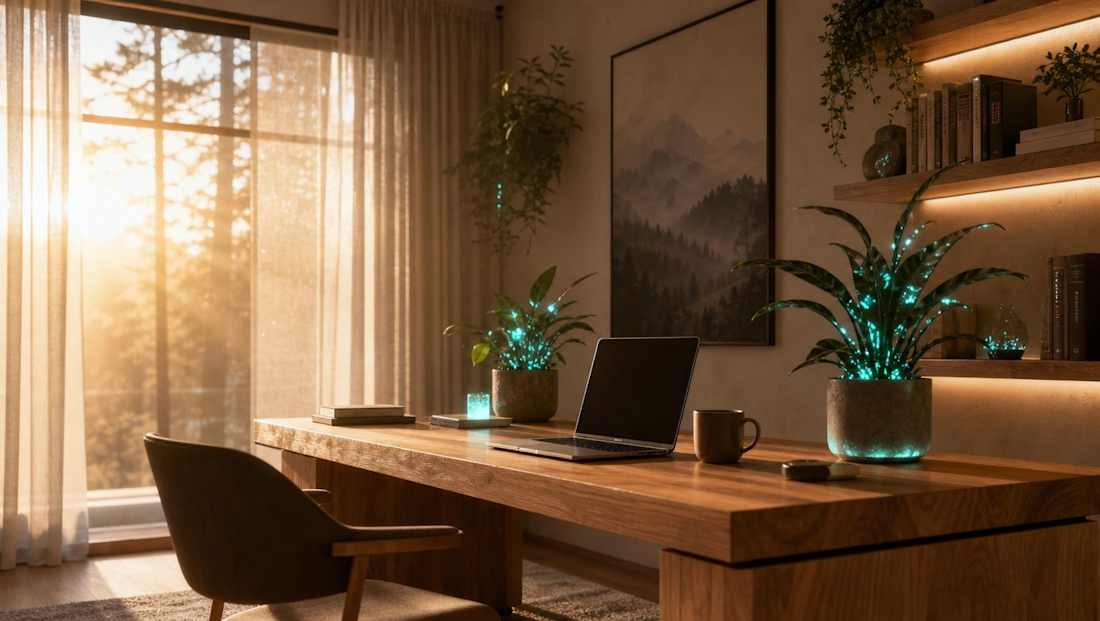
2. Focus — Morning Sunlight Desk with clean minimal workspace aesthetics
3. Relaxation — Rainy Lounge with soft, calming atmosphere
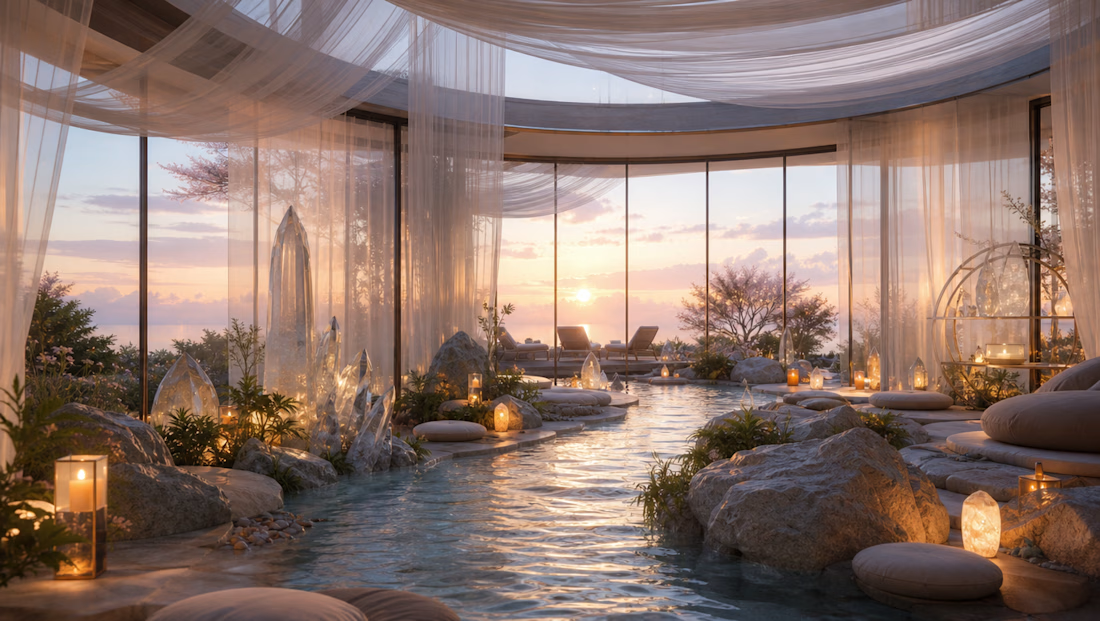
4. Well-being — Dawn Sanctuary with warm restorative tones
Melius provided a highly visual and intuitive environment for building generative workflows. The node-based system made experimentation structured, while the agent interaction enabled continuous refinement without losing creative control.

The network for creativity
Join 1.25M professional creatives like you
Connect with clients, get discovered, and run your business 100% commission-free
Creatives on Contra have earned over $150M and we are just getting started
Related posts


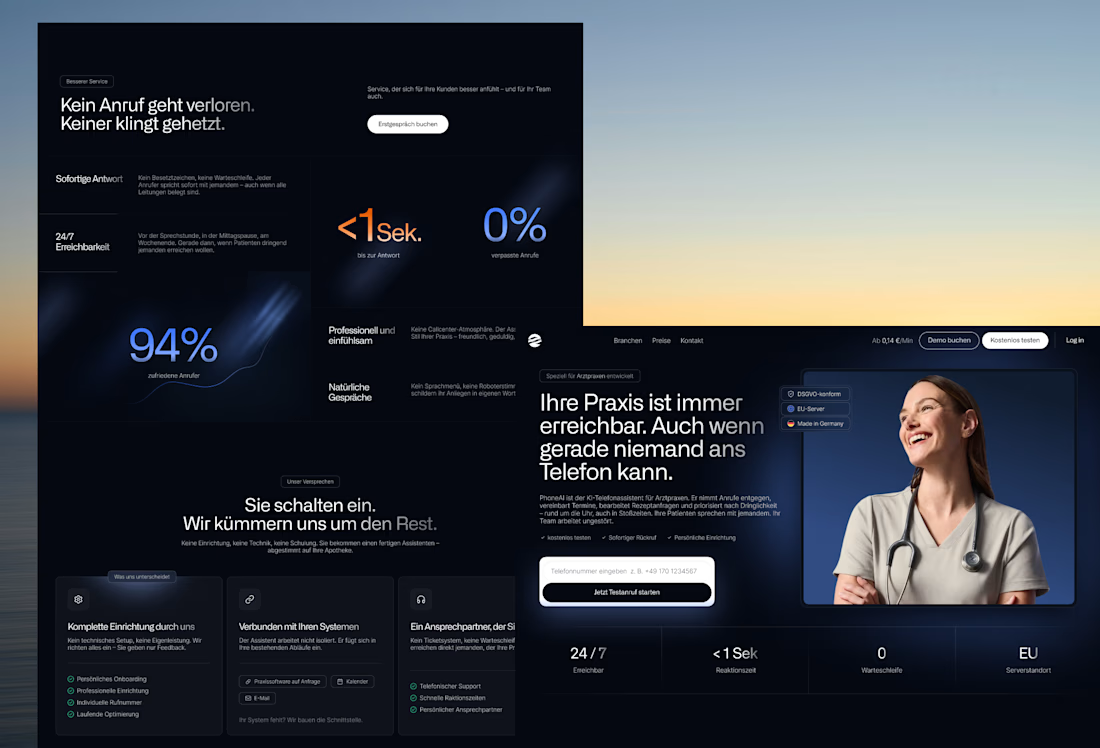
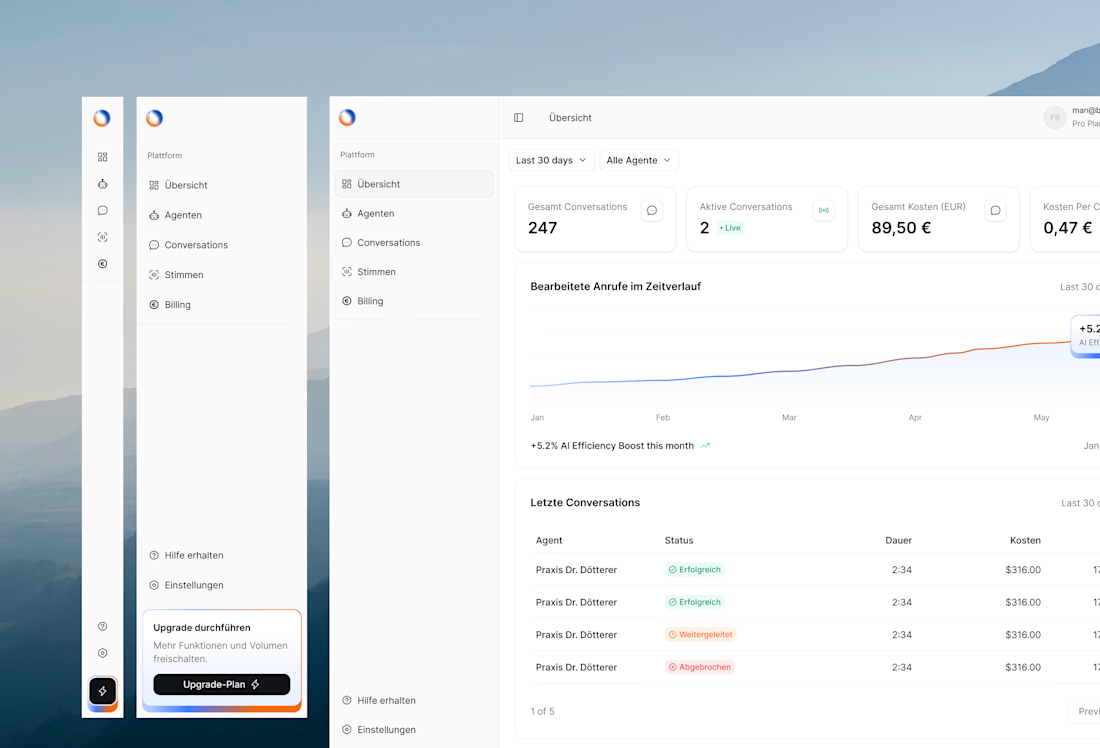
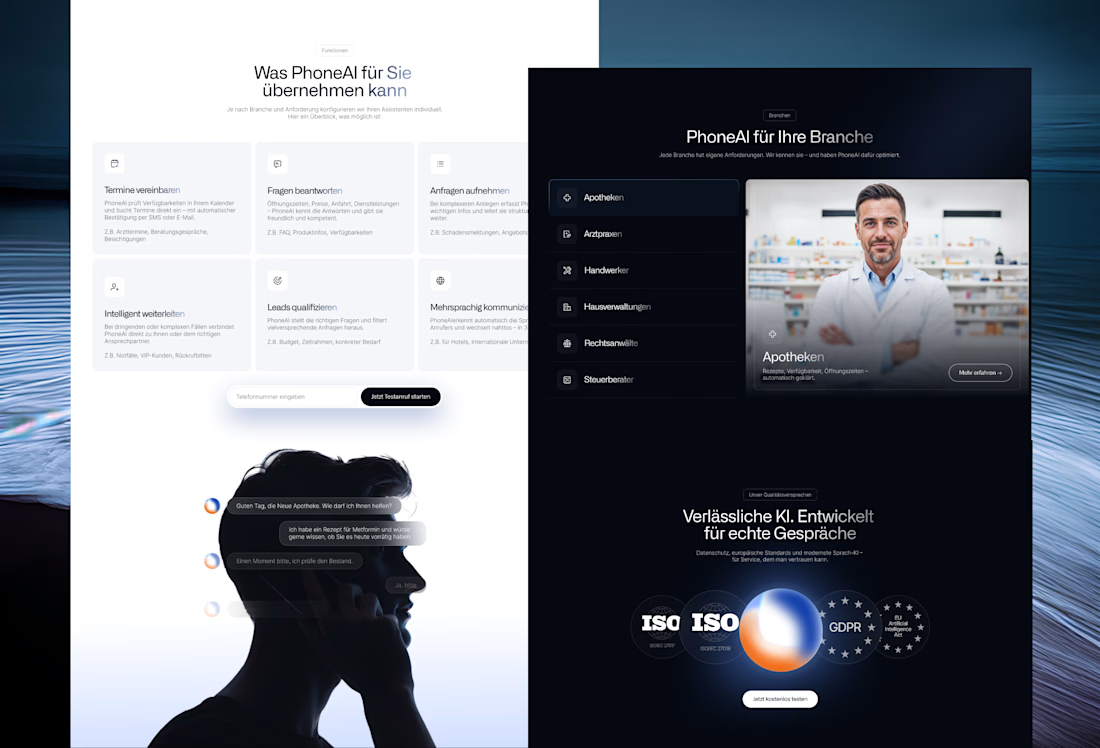
My full design cycle for an AI startup 💻✨
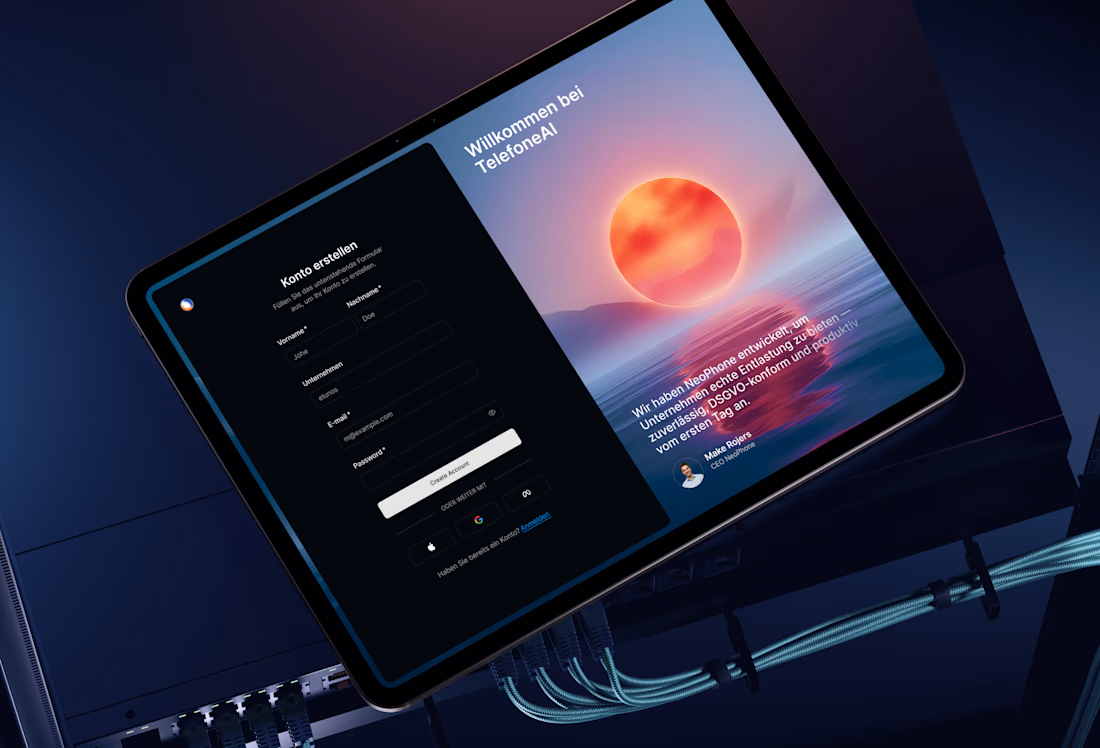
One of my recent favorite projects was a full design cycle for Telephone AI —
brand identity, website, industry pages, and the platform itself.
AI integrated into every step of the process.
Case study is still coming 👀
But working on that project reminded me of what I actually love most
about early-stage startups: being in on it early.
Researching a new market, figuring out who the real user is,
what they need, what they've never had before —
and laying the right foundation from day one
instead of fixing it later.
Best practices from MVP. Not retrofitted after.
Here's what that process looks like for me now:
↳ Claude Projects — all the context in one place:
call transcripts, competitor research, personas,
feature priorities for MVP and what-can-wait
↳ Claude Code — structure, interactions,
clickable logic tested before Figma even opens.
Design system with tokens built from the start.
↳ Figma MCP — moved there for customization
and a proper clickable prototype the client can actually walk through
From idea to something real to click —
without weeks of "give us time to think."
#ProductDesign #StartupDesign #AIWorkflow #UXDesign #Figma #ClaudeCode

Goated!

I was in a creative rut last year 🫠
Burnt out from work and feeling exhausted to create for myself.
I even did daily posting challenges to get myself to build the habit of posting again. From the outside, that probably looked like consistency. But internally, I still felt disconnected from my creativity and I couldn't figure out why.
And whenever I stopped posting, I would tell myself I was just too busy.
👉 Client work
👉 Strategy
👉 Editing
👉 Filming
👉 Admin
..Basically everything.
But I’m realizing “busy” became the easiest excuse because it sounded responsible. It made avoidance feel professional.
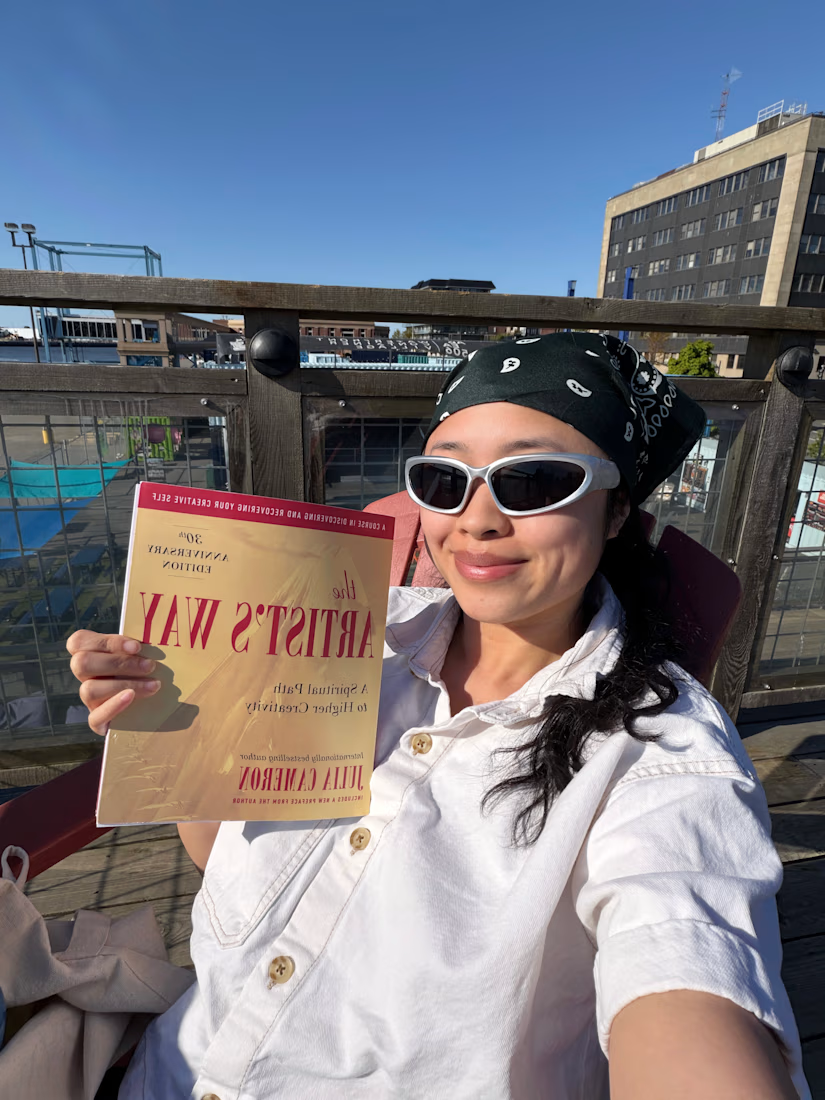
I started The Artist’s Way this month, and I’m already noticing small shifts and quiet little realizations I had been too distracted to hear.
One of them is this: Sometimes creativity needs more honesty. It needs the space to breathe before we can stop them from external voices (and yes, even the overthinking we do to ourselves). Posting consistently is one thing, but feeling connected to what you’re making is another.

Amazing!

The hardest part of creative work isn't creating.
It's deciding what to create next.
As creatives, we make hundreds of decisions every day:
• What should I work on next?
• Which idea is worth pursuing?
• Where did I leave off?
• What's the next step?
That mental load adds up.
So for the Config Makeathon, I built Ezzi; an AI-powered creative operating system designed to reduce decision fatigue and help creators spend less time figuring out what to do and more time actually creating.
The feature I'm most excited about is the Memory Engine.
Ezzi remembers context, projects, priorities, and how you work, so you don't have to start from scratch every day.
🚀 Try the demo:
https://object-baggy-85537497.figma.site/
What causes the most decision fatigue in your creative process?
Full video walk through coming soon!


Cant wait for the walk through video












Trending

Claude
Claude has entered the design space. How are you using Claude Design?

Contra University
Learn from expert creatives how to earn more using next-gen AI tools.

MagicPath
The canvas is infinite, and exploration is becoming the workflow. How are you using MagicPath?
creativeaiflow
Creative AI workflows are evolving. What tools do you use, and what are their strengths and weaknesses?
freelancerlife
Freelancer life is wins, pivots, and everything in between. What’s yours right now?