The network for creativity
Join 1.25M professional creatives like you
Connect with clients, get discovered, and run your business 100% commission-free
Creatives on Contra have earned over $150M and we are just getting started
Back to feedPost

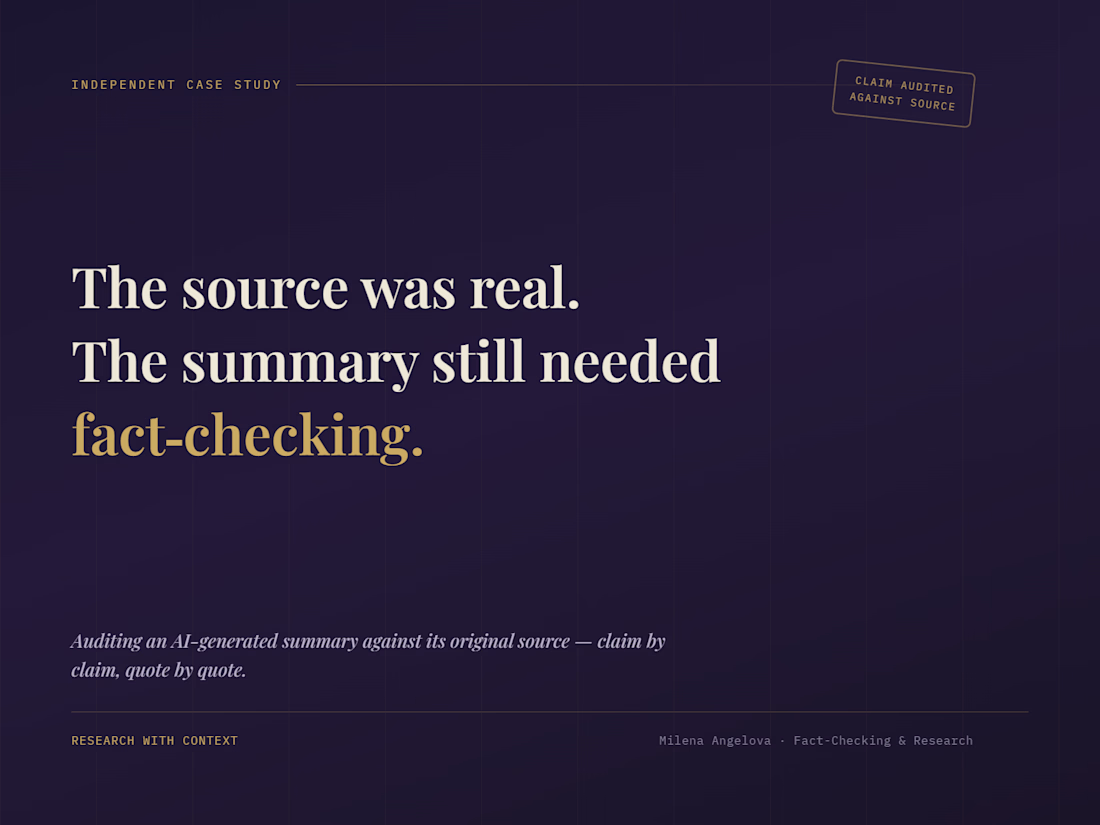
I gave NotebookLM a single news article and audited the resulting summary claim by claim.
The output was polished, structured, and linked back to a real source. It was also more certain than the article itself.
The original article reported an interviewee’s reference to an unidentified study. The summary turned it into an established prediction. It also introduced a memorable quotation that did not appear in the source and presented several added interpretations without clearly identifying them as such.
The interesting part was not a fake citation. The source was genuine. It had simply been stretched beyond what it supported.
Source verification has two separate steps: confirming that the source exists and checking that it actually supports the attached claim. Stopping after the first is how convincing errors survive.
This short independent audit demonstrates my approach to claim tracing, quotation checking, and reviewing AI-generated research.
The network for creativity
Join 1.25M professional creatives like you
Connect with clients, get discovered, and run your business 100% commission-free
Creatives on Contra have earned over $150M and we are just getting started







Related posts


For your first article, this is really good!

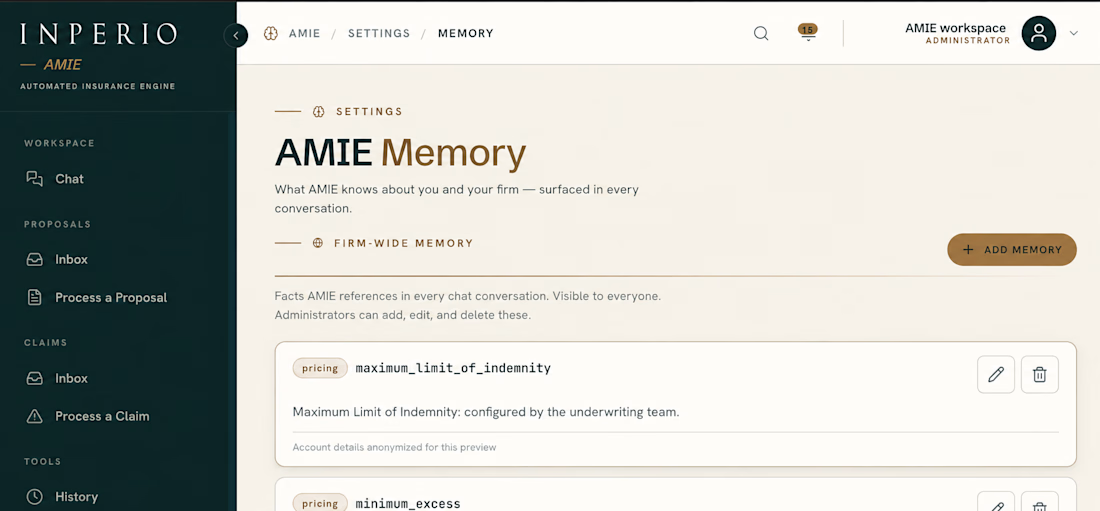
An underwriting assistant is useful only when the person signing off can see why it raised a question.
For AMIE, I built the workflow around that review: route submissions, extract facts, surface discrepancies with cited evidence, and prepare pricing support and drafts. The underwriter reviews the evidence and makes the final decision.
For regulated AI, I start with the review path and audit trail, then work backward to the automations.

cited evidence is the whole game for underwriting AI, nobody signs off on a black box 👀

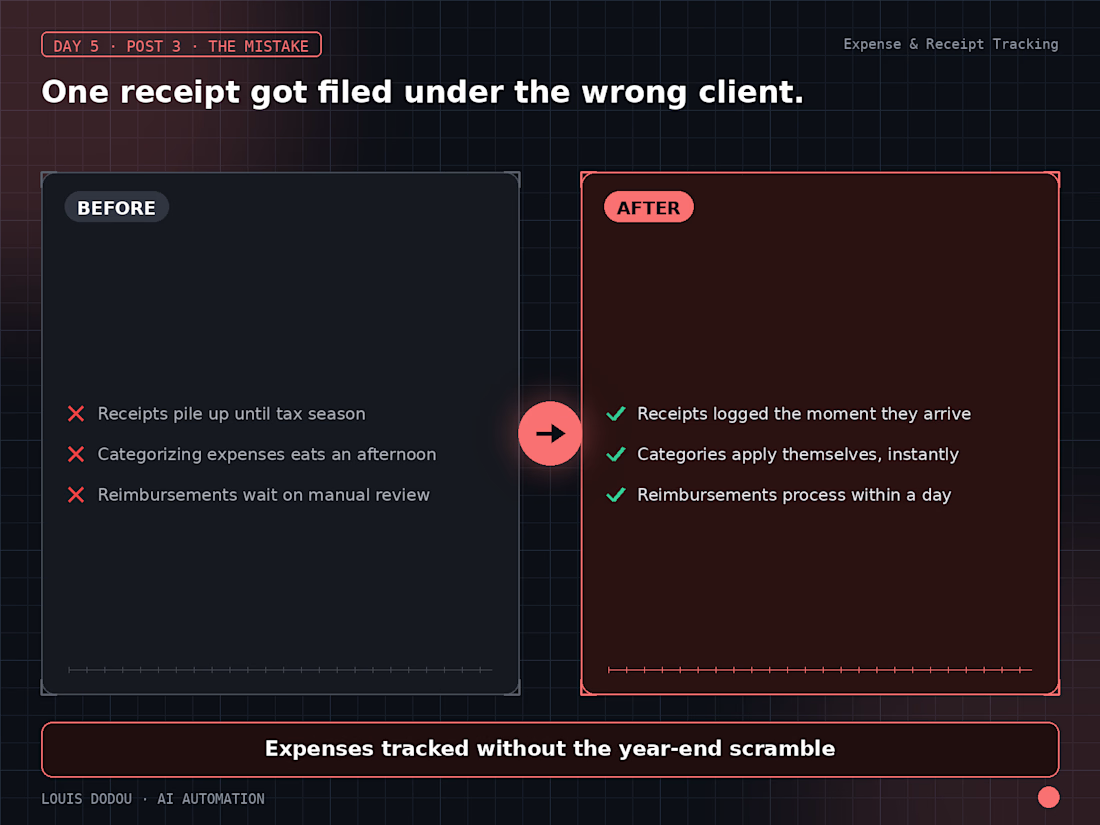
One receipt got filed under the wrong client.
Two similar vendor names confused the matching logic once. Caught it in review now matching checks project context, not just the vendor name alone.
→ Small logic gaps show up exactly where you're not looking.