
Billy VanVorst
AI Workflow Automation, Process Documentation



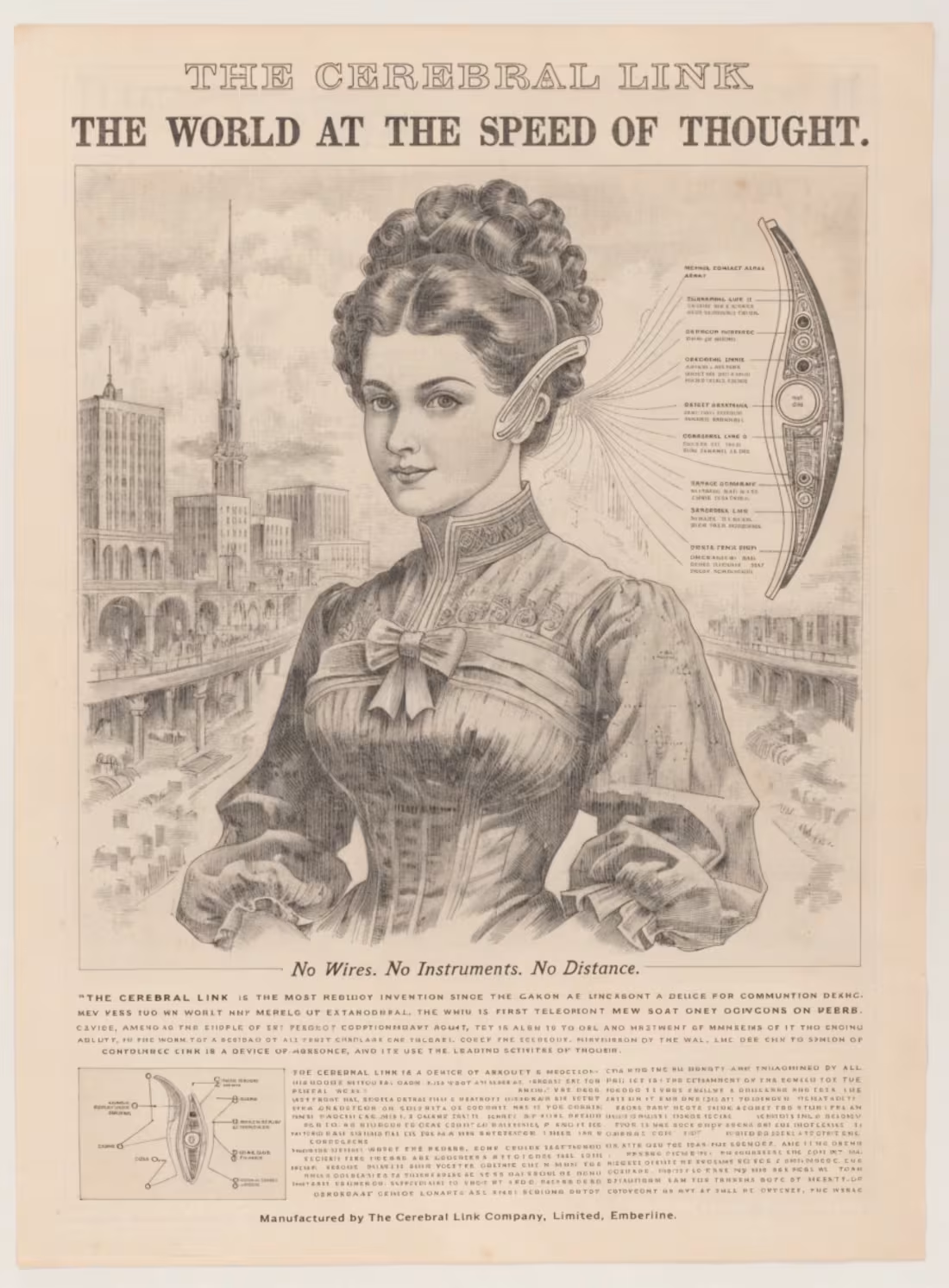
The Emberline Archive — A Future With a Past
What if a civilization from the distant future had a history we could discover? The Emberline Archive explores that idea through a collection of fictional advertisements, engineering illustrations, and cultural artifacts from a futuristic megacity. Using a custom Recraft Style built from authentic late-19th-century Victorian advertisements and illustrations, we combined historical visual storytelling with advanced technology, extraordinary architecture, and everyday life in a world that never existed. Rather than simply placing modern objects into old artwork, we wanted to create something that felt like genuine historical evidence of an entirely imagined civilization.
0
95
I built Relay, a mobile-first business handoff tool designed to keep important work from getting lost when responsibility moves from one person to another.
Relay gives someone a quick way to record what was completed, what still needs attention, and what the next person should do first. The handoff remains visible until someone acknowledges it. If follow-up is required, it stays in progress until the receiving person records what was completed and closes the loop. Priority levels, status alerts, completion records, and searchable history make accountability clear without turning the process into a complicated project-management system.
I built it because handoffs happen everywhere—between shifts, departments, field crews, project owners, service technicians, and people covering for one another. Most small teams handle them through text messages, scraps of paper, conversations, or memory. That works until something important gets missed and nobody is sure who was responsible.
The goal was to make the process fast enough that people would actually use it. A handoff should take about sixty seconds, work comfortably from a phone, and tell the next person exactly what they need without adding another administrative headache.
Relay was built entirely in Base44 and includes the complete workflow from creation and acknowledgment through completion, history, and deletion.
1
3
158
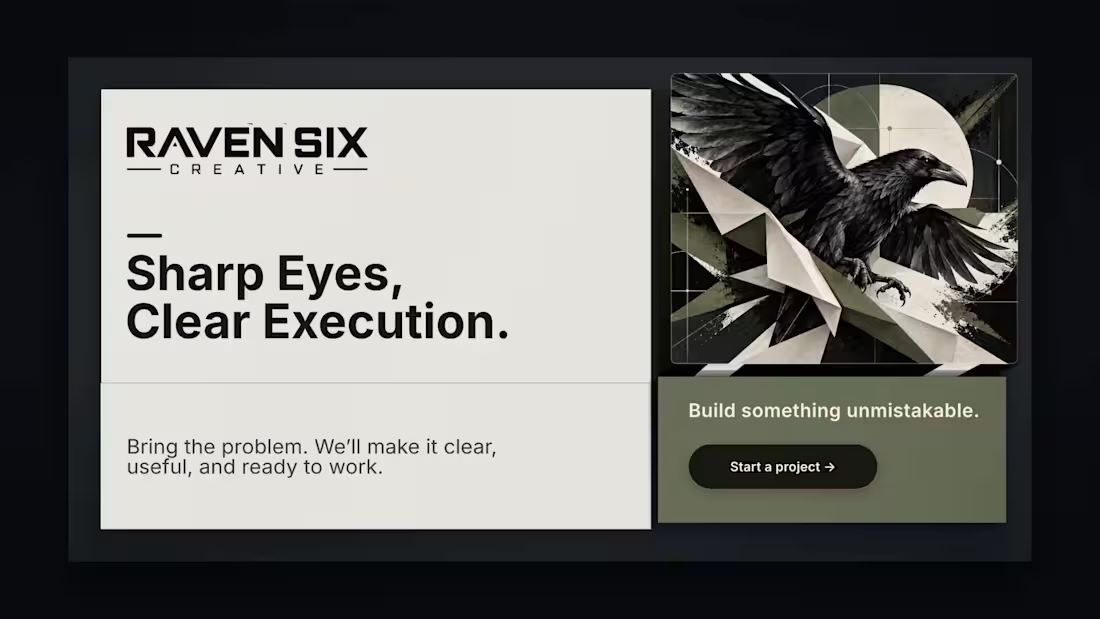
The Unfolding is a fully customizable animated advertising template built in SVGator. Inspired by industrial design and paper engineering, it uses three-dimensional folding, layered movement, and a rising hero image to reveal a brand's identity, message, and call to action.
We built it to demonstrate that animation doesn't need excessive visual effects to make an impression. Every movement serves a purpose: draw attention, introduce the brand, and guide the viewer toward action.
The template features editable text, replaceable imagery, customizable colors, a functional CTA hyperlink, and a seven-step customization guide. Its underlying animation was developed using Python-generated SVG geometry and SVGator MCP, combining technical precision with creative direction.
Through Raven Six Creative, Vectorline, and Ember Oak Coffee, we demonstrate how one animation system can support completely different brands without rebuilding the choreography.
Our goal was simple: create an animation that makes the brand memorable, not one that makes the brand an excuse for animation.
2
2
196
Haunted Marionette started with a pretty simple idea: what if the creepy part isn’t that the puppet is possessed, but that you’re the one who teaches it how to move?
At first, it’s basically a little interactive performance. You control the marionette, move it around, get a feel for the strings, and it comes off almost charming and a little clumsy. Then it starts paying attention. It anticipates movements. It repeats things you taught it without being asked. Eventually it stops following you completely.
The whole thing is built around that progression from control to autonomy. The strings are the visual language for that. In the beginning, they mean you’re in charge. By the end, they don’t mean anything anymore.
I wanted it to feel more like a short piece of interactive horror than a traditional game. One character, one stage, no giant system around it. Just movement, timing, sound, and the slow realization that the thing on the other end of the strings has learned enough to no longer need you.
The final payoff is the marionette standing on its own and giving you back the same bow you taught it at the beginning.
That was the whole point: you taught it how to move.
1
259