
Assel Zhakupova
Brand mind, creative gut
New to Contra
Assel is building their profile!
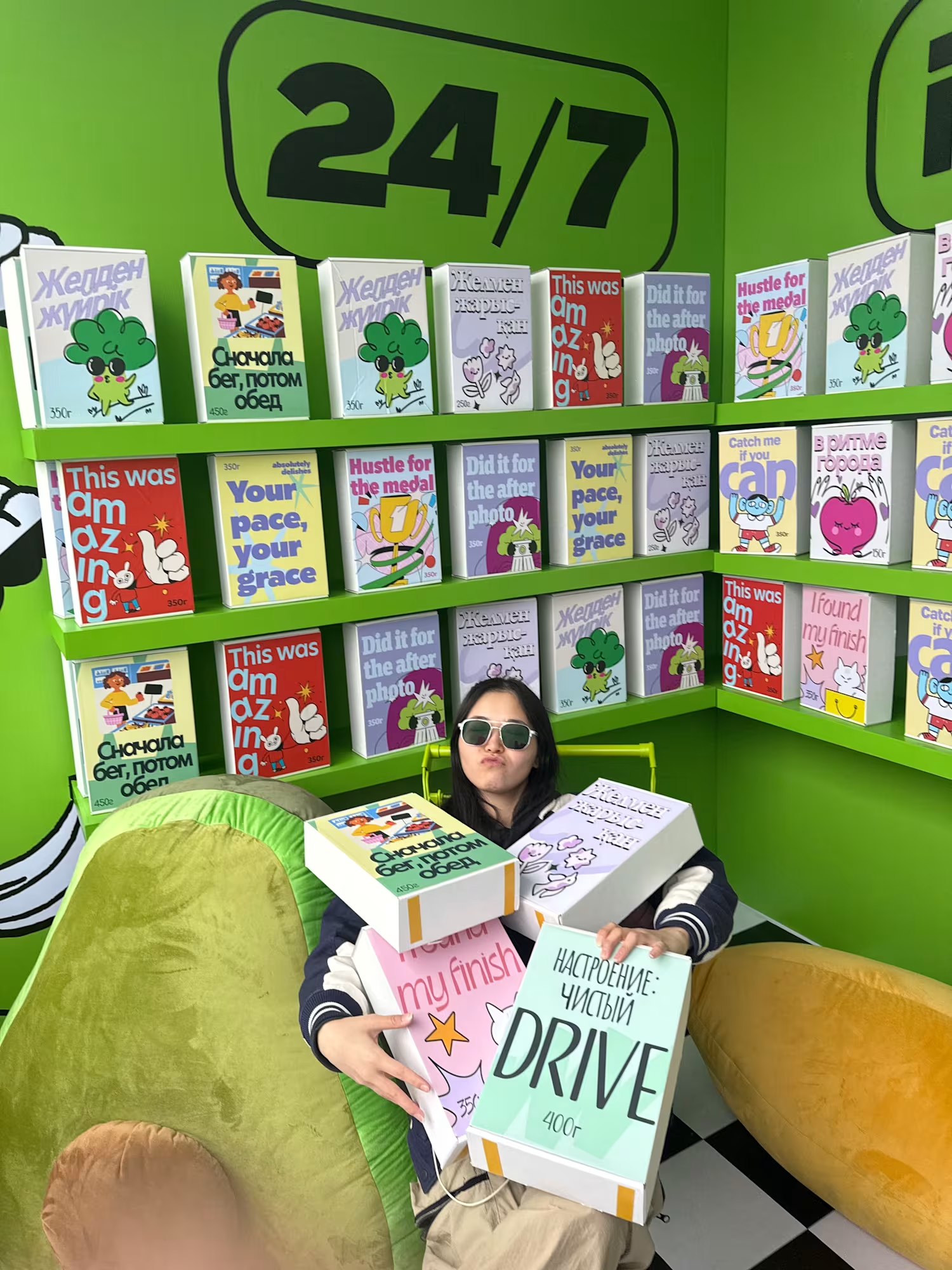

COCO Streetfood Kitchen - Brand & Community Building
COCO started as a local street food restaurant in Almaty. My challenge was to turn it into something more: a brand with a real community around it.
I built that community through culture. Started with nano influencers who already had genuine followings in the city - people who brought atmosphere, not just reach.
Then connected the brand to music culture: what began as small DJ sets inside the restaurant grew into two large-scale street food festivals, bringing together local musicians, artists, skaters, and creators.
We brought in guest chefs from abroad - including Underdog and Leytonstone Tavern from London and built events around those collabs: food, music, limited merch, sticker packs with local communities.
The result: COCO stopped being a restaurant and became a cultural gathering point for Almaty’s creative youth.
1
2
22
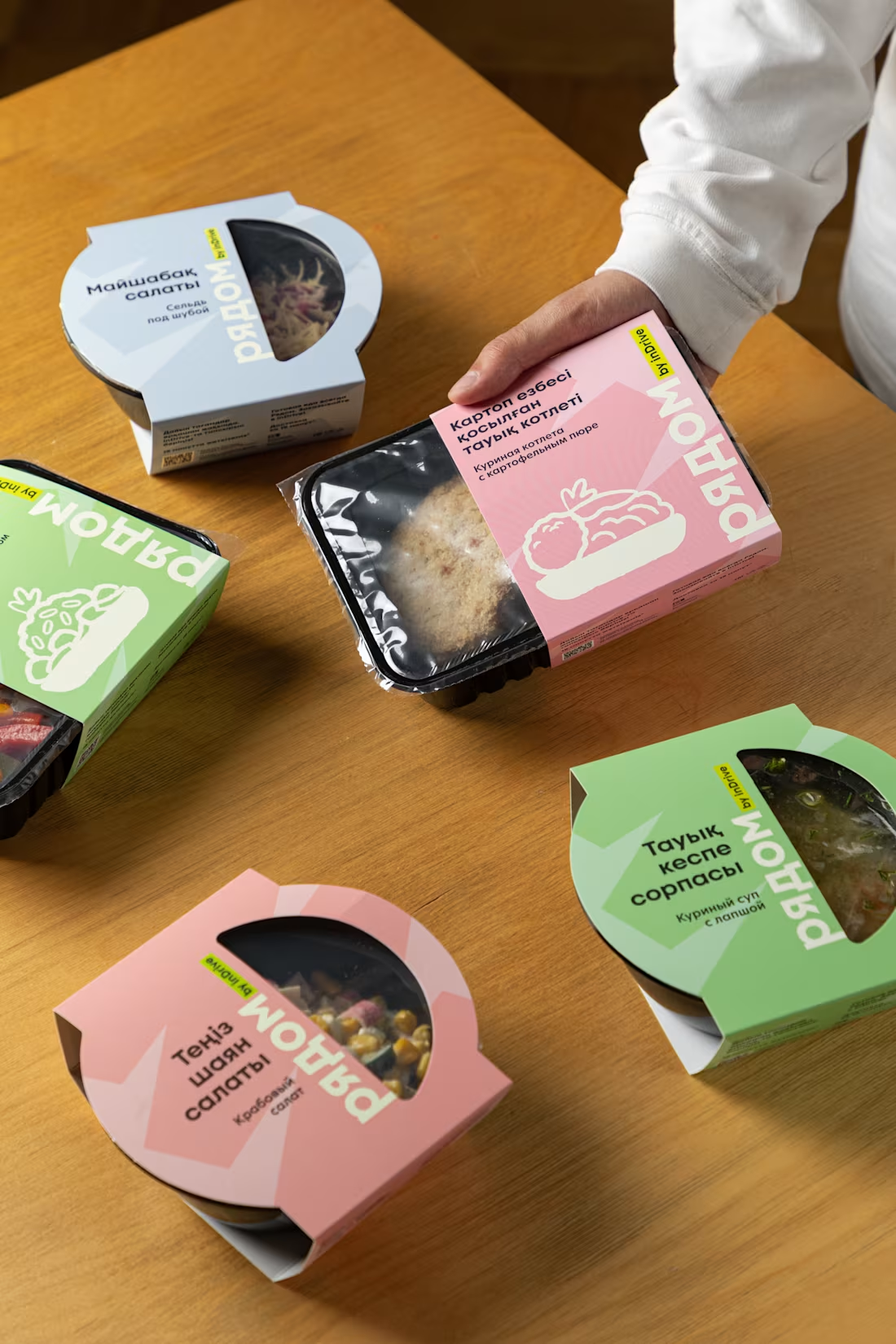
inDrive.Groceries is an online grocery and ready-to-eat delivery service with a 15-minute promise. The product launched in 2021 under the name Choco Рядом and was later rebranded as part of the inDrive ecosystem.
I joined the team at a pivotal moment — the launch of a new in-house ready-to-eat production line. While the kitchen facility was still being built, I was already developing the go-to-market strategy and long-term brand positioning for this new vertical.
The core challenge was twofold: launch a brand-new ready-to-eat category from scratch — before the product even existed — and simultaneously strengthen the positioning of the main 15-minute grocery delivery service in a competitive market.
There was no prior data on the audience, no established category playbook in Kazakhstan for this type of offering. Everything had to be built from the ground up: audience definition, niche, messaging and brand architecture.
While the production facility was under construction, I developed the full launch strategy for the ready-to-eat vertical — audience research, niche definition, and a complete brand pyramid covering mission, values, personality and key messages.
In parallel, I led the brand strategy for inDrive.Groceries itself: built and implemented it through collaborations with local brands, offline and digital activations, influencer integrations and creative campaigns that reinforced the 15-minute delivery positioning.
Successfully launched the ready-to-eat direction with a clear brand architecture and go-to-market strategy. Established the brand's presence in Kazakhstan through a series of activations, partnerships and integrated campaigns.
1
35
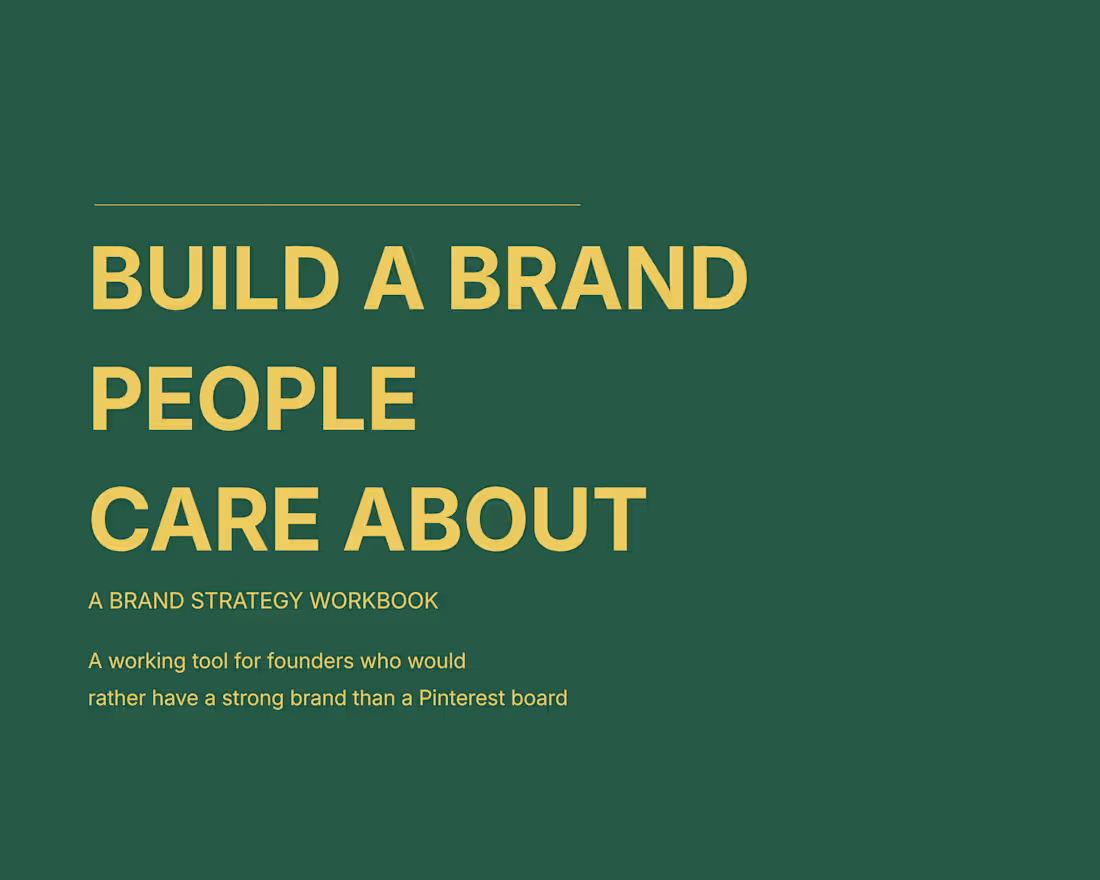
Create a brand strategy workbook for small brands to evaluate their projects and come up with new strategy ideas.
It is a working tool for founders who'd rather have a brand than a Pinterest board.
Most brand strategy templates sold online are decorative. They ask you to "describe your tone of voice in three adjectives," hand you a pastel mood board, and call it a strategy. You fill in two pages, you never open the file again.
This workbook is the opposite. It's a 40-page working document built from the frameworks I actually use as a brand manager - competitive teardowns, archetype work, positioning statements, translation matrices that turn brand values into real decisions. The kind of strategy that holds up when you hire a designer, open a second location, or get asked by a journalist what your brand stands for.
WHAT'S INSIDE
12 working sections
01 - Honest brand audit (the gap between what you say and what your brand actually does)
02 - Strategic objectives (what this strategy needs to change)
03 - Competitive teardown (three-category framework + full template)
04 - Needs and motivations (eight-need model, opinionated mapping)
05 - Brand personality (archetype + modifier system)
06 - Mission, positioning, manifesto (three frameworks — choose one)
07 - Tone of voice
08 - The translation matrix — values into real action
09 - Locality and cultural anchor
10 - Collaborations and activation principles
11 - Brand principles (yes, there's a difference between values and principles)
12 - One-page brand summary + 30/60/90 rollout plan
1
18