
Production-Ready DevOps Pipelines & AWS InfrastructureMohtashim Khan
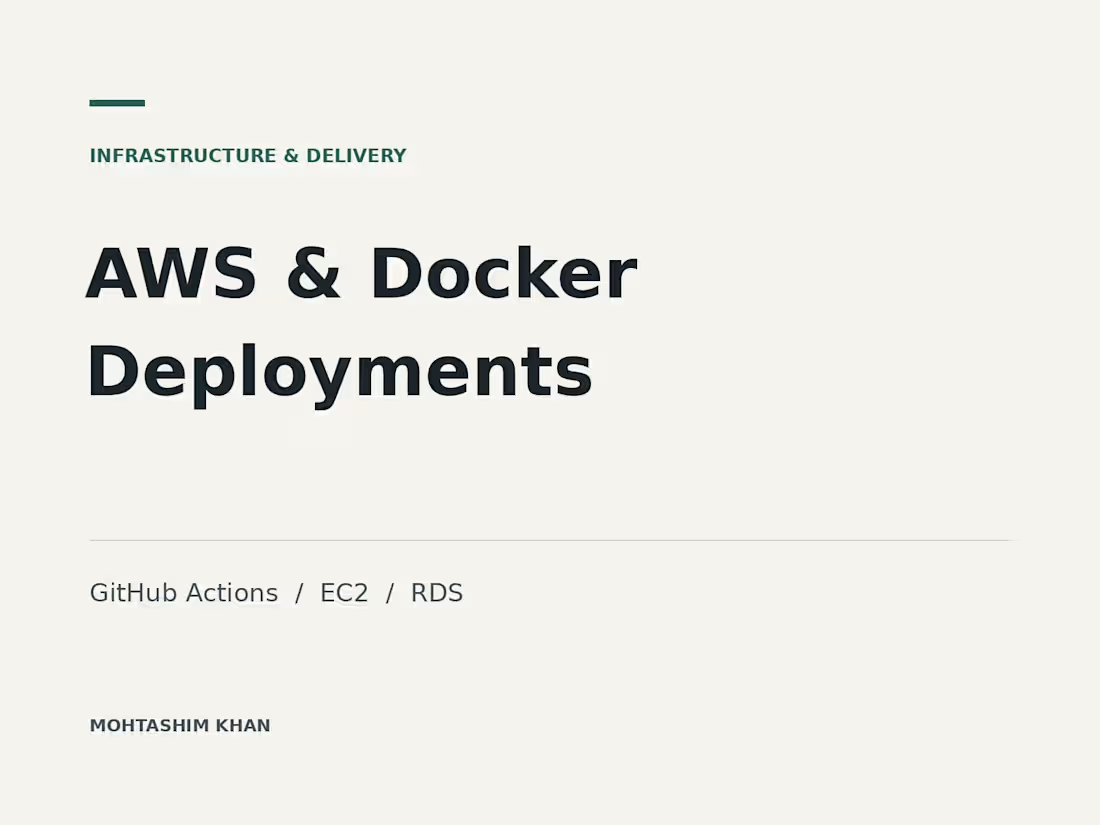
I turn an existing application into a repeatable deployment: versioned containers, separate environments, controlled database changes, and a clear recovery path when a release fails.
WHAT'S INCLUDED
• Deployment assessment: Review the application, dependencies, background processes, traffic expectations, and current hosting. Identify what must persist, what can restart safely, and where deployments currently fail.
• Multi-stage Docker builds: Separate dependency installation, compilation, and runtime stages. Keep build tools out of production images, run containers with appropriate permissions, and configure health checks and graceful shutdown.
• Environment separation: Establish development, staging, and production configurations with separate credentials and data boundaries. Keep secrets out of the repository and container images.
• GitHub Actions delivery: Run agreed checks, build and push commit-tagged images to AWS ECR, and deploy through environment-specific workflows. Add deployment concurrency controls, post-release health checks, and a documented rollback procedure.
• AWS infrastructure: Configure EC2 hosting, RDS PostgreSQL, and S3 storage with appropriate IAM permissions, security groups, and private database access. Configure HTTPS through Nginx or an AWS load balancer, depending on the deployment.
• Background processes: Deploy API and queue workers as separate processes or containers so worker capacity, restarts, and releases can be managed independently.
• Operations and handover: Configure logs, essential alerts, backup retention, and a restore procedure. Document deployments, migrations, rollbacks, and routine maintenance.
DELIVERY ESTIMATE
Typically 2 to 4 weeks for one application with staging and production environments. Infrastructure migration, high availability, or multiple services extend the scope. AWS usage charges are separate from implementation.
Relevant deployment experience
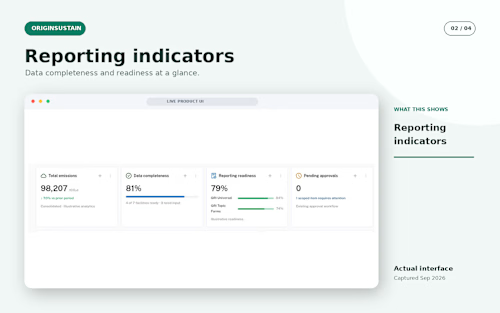
For OriginSustain, my work includes AWS/Docker delivery with CI/CD and separate API and reporting-worker containers. GridIronGC connects an AWS EC2 backend with Docker, Nginx, and HTTPS. The linked projects show the application context for this infrastructure work.
To scope your deployment, send your repository, current hosting setup, environments, and the release problems you want resolved. We will agree the rollout, migration, and recovery plan before making production changes.
FAQs

Contact for pricing
Duration4 weeks
Tags
AWS

Docker
Linux

Nginx

CI/CD
DevOps Engineer
Cloud Deployment
Server Management
Service provided by
Mohtashim Khan Karachi, Pakistan
- 13
- Followers
Production-Ready DevOps Pipelines & AWS InfrastructureMohtashim Khan
Contact for pricing
Duration4 weeks
Tags
AWS
Docker
Linux
Nginx
CI/CD
DevOps Engineer
Cloud Deployment
Server Management
I turn an existing application into a repeatable deployment: versioned containers, separate environments, controlled database changes, and a clear recovery path when a release fails.
WHAT'S INCLUDED
• Deployment assessment: Review the application, dependencies, background processes, traffic expectations, and current hosting. Identify what must persist, what can restart safely, and where deployments currently fail.
• Multi-stage Docker builds: Separate dependency installation, compilation, and runtime stages. Keep build tools out of production images, run containers with appropriate permissions, and configure health checks and graceful shutdown.
• Environment separation: Establish development, staging, and production configurations with separate credentials and data boundaries. Keep secrets out of the repository and container images.
• GitHub Actions delivery: Run agreed checks, build and push commit-tagged images to AWS ECR, and deploy through environment-specific workflows. Add deployment concurrency controls, post-release health checks, and a documented rollback procedure.
• AWS infrastructure: Configure EC2 hosting, RDS PostgreSQL, and S3 storage with appropriate IAM permissions, security groups, and private database access. Configure HTTPS through Nginx or an AWS load balancer, depending on the deployment.
• Background processes: Deploy API and queue workers as separate processes or containers so worker capacity, restarts, and releases can be managed independently.
• Operations and handover: Configure logs, essential alerts, backup retention, and a restore procedure. Document deployments, migrations, rollbacks, and routine maintenance.
DELIVERY ESTIMATE
Typically 2 to 4 weeks for one application with staging and production environments. Infrastructure migration, high availability, or multiple services extend the scope. AWS usage charges are separate from implementation.
Relevant deployment experience
For OriginSustain, my work includes AWS/Docker delivery with CI/CD and separate API and reporting-worker containers. GridIronGC connects an AWS EC2 backend with Docker, Nginx, and HTTPS. The linked projects show the application context for this infrastructure work.
To scope your deployment, send your repository, current hosting setup, environments, and the release problems you want resolved. We will agree the rollout, migration, and recovery plan before making production changes.
FAQs
Contact for pricing