
Figma Or PSD Design for Your websiteMd Sahabiar Farri
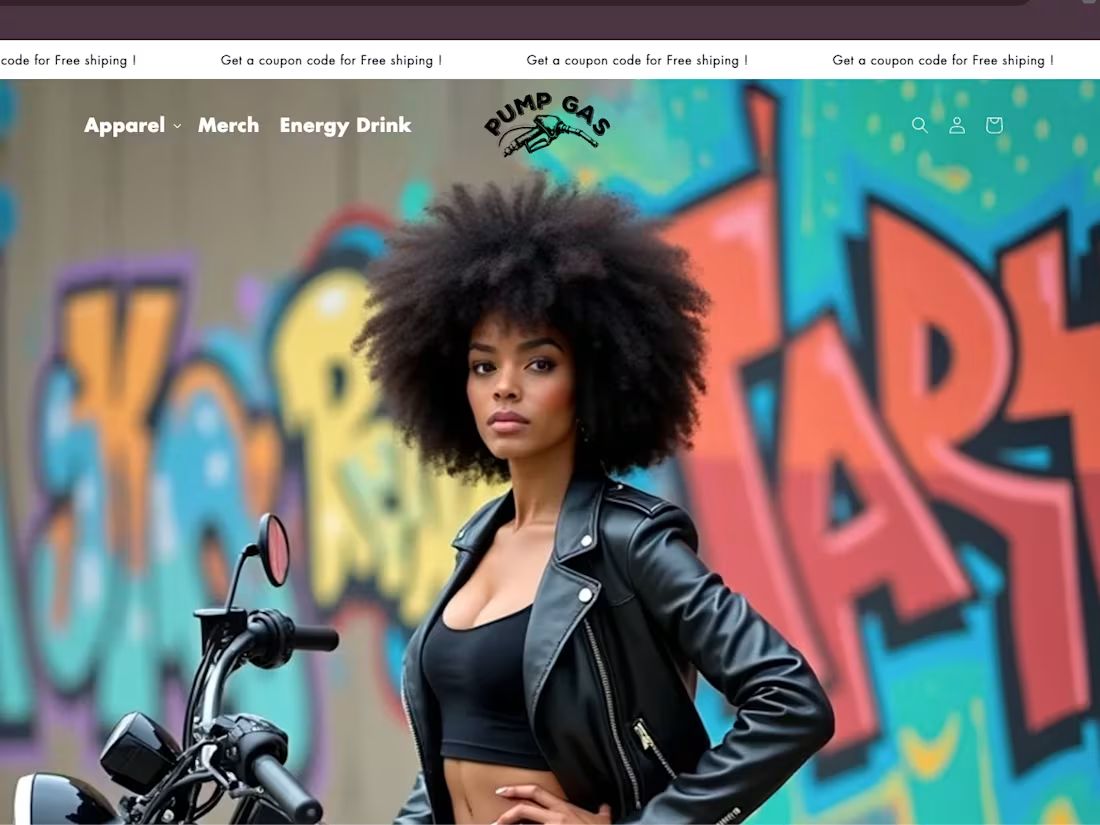
As a web designer, I deliver custom, user-friendly websites tailored to meet your business goals, complete with responsive designs, optimized performance, and seamless functionality. My unique edge lies in blending creativity with technical precision, ensuring your website not only looks stunning but also drives engagement and growth.
What's included
Finalized Website
Fully functional, responsive, and optimized website.
Cross-browser compatibility (Chrome, Firefox, Safari, etc.).
Mobile and tablet responsiveness.
SEO-friendly structure.
2. Design Files
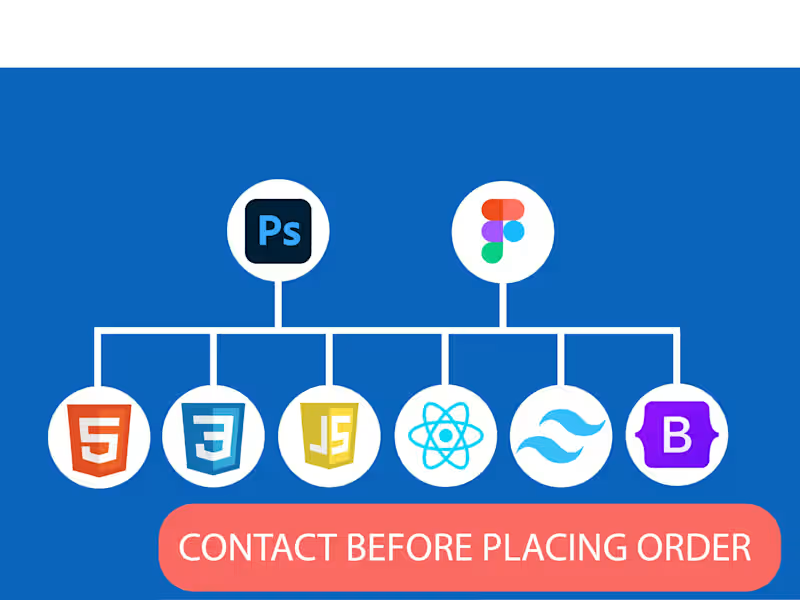
Source design files (Figma, Adobe XD, Photoshop, etc.).
Style guide (colors, typography, logos, and brand elements).
Design assets (icons, images, illustrations).
3. Code Files
Complete front-end code (HTML, CSS, JavaScript, React, etc.).
CMS files and documentation (if applicable, like WordPress or Shopify).
Backup of the project folder and database.
4. Content Integration
Uploaded and formatted content (text, images, videos).
Placeholder or dummy content, if applicable.
5. Documentation
User guide for managing and updating the website.
Credentials and login details for admin access (CMS, hosting, domains).
Links to tutorials or resources for future reference.
6. Performance Optimization
Optimized images and assets.
Speed test report (e.g., GTmetrix or Google PageSpeed Insights).
Installed and configured caching plugins (if applicable).
7. Testing & Quality Assurance
Test reports for functionality, responsiveness, and UX.
Debugged and error-free website files.
8. SEO & Analytics Setup
Basic SEO setup (meta tags, alt attributes, sitemap, robots.txt).
Google Analytics and Google Search Console setup.
9. Post-Launch Support
Training sessions or video tutorials for content management.
1–3 months of free maintenance or bug fixes (optional).
10. Extras (if applicable)
API integration documentation.
Custom features or plugins developed during the project.
Email templates or marketing assets related to the site.
FAQs
Md Sahabiar's other services
Contact for pricing
Tags
Adobe XD

Elementor

Figma

Framer

Webflow

UX Designer
Web Designer
Web Developer
Service provided by
Md Sahabiar Farri Dhaka, Bangladesh
Figma Or PSD Design for Your websiteMd Sahabiar Farri
Contact for pricing
Tags
Adobe XD
Elementor
Figma
Framer
Webflow
UX Designer
Web Designer
Web Developer
As a web designer, I deliver custom, user-friendly websites tailored to meet your business goals, complete with responsive designs, optimized performance, and seamless functionality. My unique edge lies in blending creativity with technical precision, ensuring your website not only looks stunning but also drives engagement and growth.
What's included
Finalized Website
Fully functional, responsive, and optimized website.
Cross-browser compatibility (Chrome, Firefox, Safari, etc.).
Mobile and tablet responsiveness.
SEO-friendly structure.
2. Design Files
Source design files (Figma, Adobe XD, Photoshop, etc.).
Style guide (colors, typography, logos, and brand elements).
Design assets (icons, images, illustrations).
3. Code Files
Complete front-end code (HTML, CSS, JavaScript, React, etc.).
CMS files and documentation (if applicable, like WordPress or Shopify).
Backup of the project folder and database.
4. Content Integration
Uploaded and formatted content (text, images, videos).
Placeholder or dummy content, if applicable.
5. Documentation
User guide for managing and updating the website.
Credentials and login details for admin access (CMS, hosting, domains).
Links to tutorials or resources for future reference.
6. Performance Optimization
Optimized images and assets.
Speed test report (e.g., GTmetrix or Google PageSpeed Insights).
Installed and configured caching plugins (if applicable).
7. Testing & Quality Assurance
Test reports for functionality, responsiveness, and UX.
Debugged and error-free website files.
8. SEO & Analytics Setup
Basic SEO setup (meta tags, alt attributes, sitemap, robots.txt).
Google Analytics and Google Search Console setup.
9. Post-Launch Support
Training sessions or video tutorials for content management.
1–3 months of free maintenance or bug fixes (optional).
10. Extras (if applicable)
API integration documentation.
Custom features or plugins developed during the project.
Email templates or marketing assets related to the site.
FAQs
Md Sahabiar's other services
Contact for pricing