
Frontend WebDeveloper Skilled in HTML,CSS,JavaScript & much moreMd Sahabiar Farri
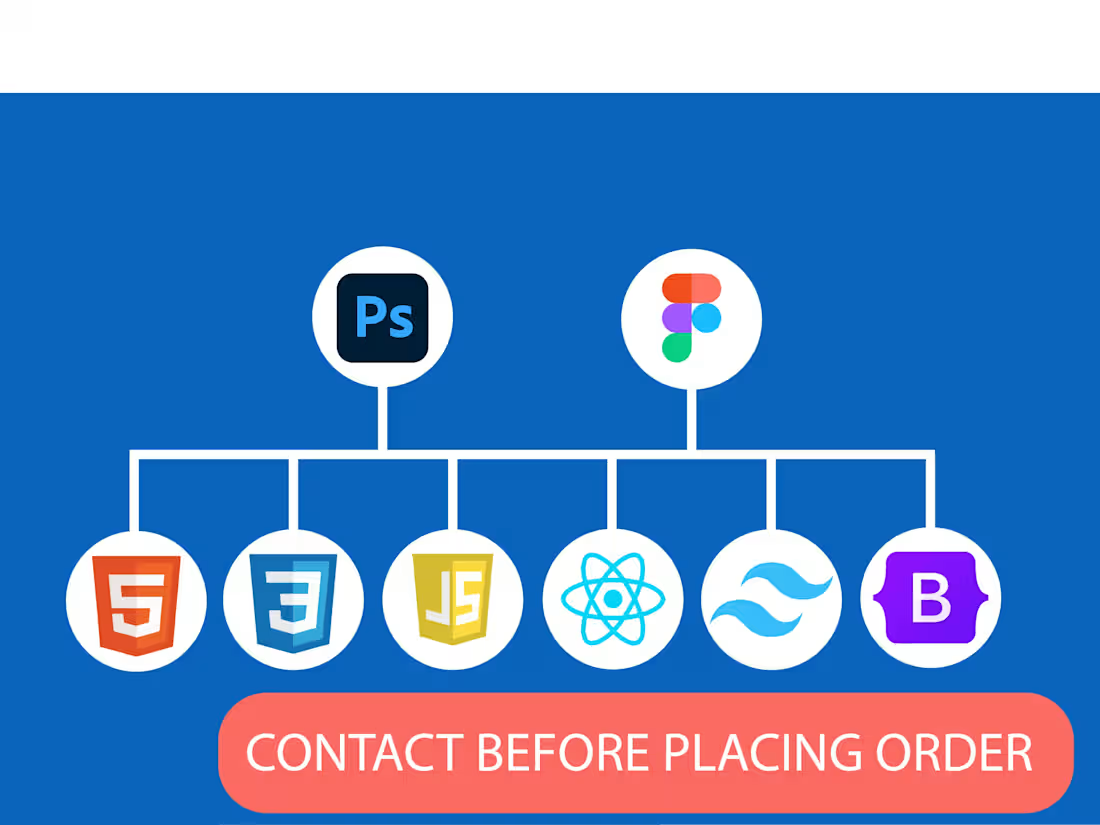
I offer fully responsive, user-friendly, and SEO-optimized websites tailored to meet your business needs. With expertise in modern web development tools and a keen eye for design, I deliver visually appealing, high-performing sites that stand out. What sets me apart is my commitment to providing detailed documentation, post-launch support, and training, ensuring you have everything needed to manage and grow your online presence effortlessly.
What's included
A complete Website Development
1. Fully Functional Website
Responsive design optimized for desktop, tablet, and mobile devices.
All required pages and functionalities implemented (e.g., homepage, about, services, contact, blog, e-commerce, etc.).
Integrated features such as forms, live chat, payment gateways, etc.
2. Website Assets
Final design files (e.g., Figma, Sketch, or Adobe XD files if applicable).
Optimized images, videos, and other media used on the website.
3. Source Code
Clean, well-documented HTML, CSS, JavaScript, or any other programming language/code used.
Access to the repository (e.g., GitHub, Bitbucket) or ZIP files with all the source code.
4. Content Management System (CMS)
Set up and access to CMS like WordPress, Shopify, or custom CMS.
Documentation on managing and updating the site through the CMS.
5. SEO Setup
Basic on-page SEO setup (e.g., meta tags, alt text for images, sitemap).
Integration of tools like Google Analytics and Google Search Console.
6. Testing and QA Report
Report of all functional and cross-browser testing performed.
Bug fixes and performance optimization details.
7. Training and Documentation
User guide or video tutorials on how to update and maintain the website.
One-on-one or group training session (if applicable).
8. Backup Files
Complete backup of the website for future reference or migration.
9. Hosting and Deployment
Deployed website on client’s chosen hosting platform.
Details of hosting credentials (if applicable).
10. Post-Launch Support
A defined period of free post-launch support (e.g., 30 days for bug fixes or minor adjustments).
Terms for ongoing maintenance and updates (if applicable).
11. Legal Compliance
Privacy policy, terms and conditions, and cookie consent setup (if required).
Accessibility compliance (e.g., WCAG standards).
FAQs
Md Sahabiar's other services
Contact for pricing
Tags
Django

ExpressJS

Node.js

React

Webflow

Frontend Engineer
UX Engineer
Web Developer
Service provided by
Md Sahabiar Farri Dhaka, Bangladesh
Frontend WebDeveloper Skilled in HTML,CSS,JavaScript & much moreMd Sahabiar Farri
Contact for pricing
Tags
Django
ExpressJS
Node.js
React
Webflow
Frontend Engineer
UX Engineer
Web Developer
I offer fully responsive, user-friendly, and SEO-optimized websites tailored to meet your business needs. With expertise in modern web development tools and a keen eye for design, I deliver visually appealing, high-performing sites that stand out. What sets me apart is my commitment to providing detailed documentation, post-launch support, and training, ensuring you have everything needed to manage and grow your online presence effortlessly.
What's included
A complete Website Development
1. Fully Functional Website
Responsive design optimized for desktop, tablet, and mobile devices.
All required pages and functionalities implemented (e.g., homepage, about, services, contact, blog, e-commerce, etc.).
Integrated features such as forms, live chat, payment gateways, etc.
2. Website Assets
Final design files (e.g., Figma, Sketch, or Adobe XD files if applicable).
Optimized images, videos, and other media used on the website.
3. Source Code
Clean, well-documented HTML, CSS, JavaScript, or any other programming language/code used.
Access to the repository (e.g., GitHub, Bitbucket) or ZIP files with all the source code.
4. Content Management System (CMS)
Set up and access to CMS like WordPress, Shopify, or custom CMS.
Documentation on managing and updating the site through the CMS.
5. SEO Setup
Basic on-page SEO setup (e.g., meta tags, alt text for images, sitemap).
Integration of tools like Google Analytics and Google Search Console.
6. Testing and QA Report
Report of all functional and cross-browser testing performed.
Bug fixes and performance optimization details.
7. Training and Documentation
User guide or video tutorials on how to update and maintain the website.
One-on-one or group training session (if applicable).
8. Backup Files
Complete backup of the website for future reference or migration.
9. Hosting and Deployment
Deployed website on client’s chosen hosting platform.
Details of hosting credentials (if applicable).
10. Post-Launch Support
A defined period of free post-launch support (e.g., 30 days for bug fixes or minor adjustments).
Terms for ongoing maintenance and updates (if applicable).
11. Legal Compliance
Privacy policy, terms and conditions, and cookie consent setup (if required).
Accessibility compliance (e.g., WCAG standards).
FAQs
Md Sahabiar's other services
Contact for pricing