
Frontend DevelopmentTarun Gupta
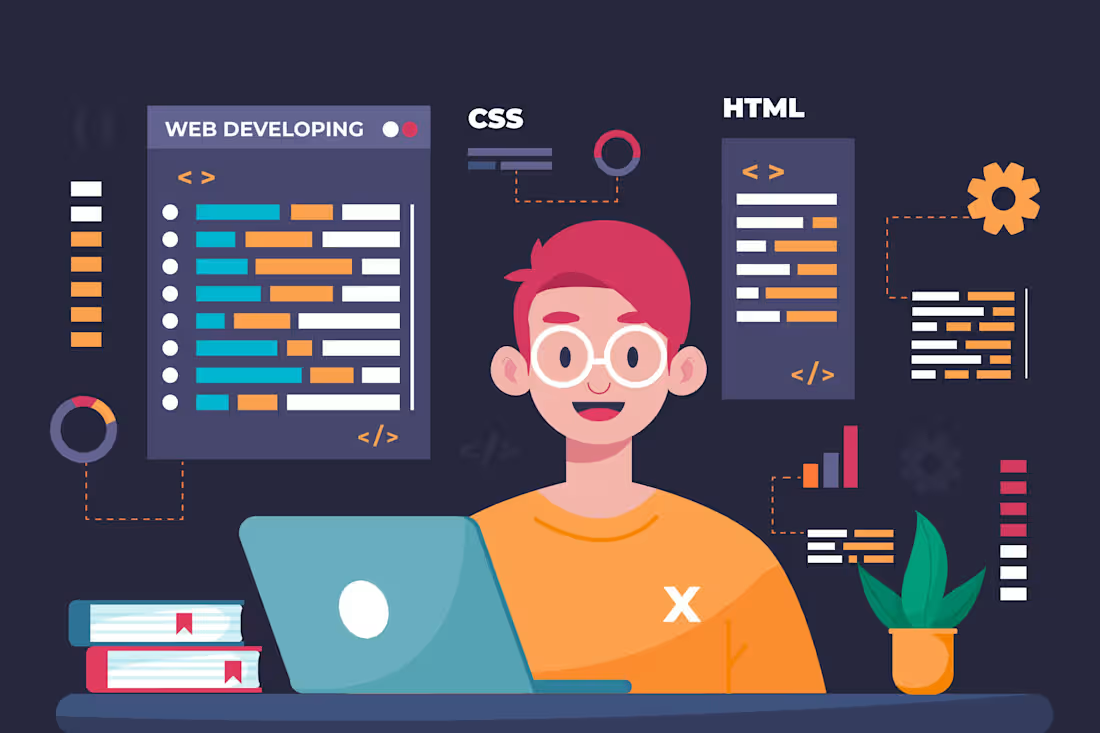
Offering comprehensive web development services with a focus on creating dynamic and captivating frontend solutions that engage users and enhance their browsing experience.
What's included
Comprehensive Frontend Development Package
Codebase:
The complete source code of the frontend application developed using Angular, ReactJS, or Next.js.
User Interface (UI):
Designed and implemented user interfaces that align with the project requirements and design specifications.
Component Libraries:
If applicable, reusable and modular component libraries that enhance maintainability and scalability.
Responsive Design:
Ensured that the user interface is responsive and works seamlessly across various devices and screen sizes.
Integration with APIs:
Integrated frontend components with backend services or APIs, enabling data exchange between the frontend and backend systems.
Documentation:
Comprehensive documentation that includes guidelines on how to set up, configure, and maintain the frontend codebase.
Testing Artifacts:
Unit tests, integration tests, or end-to-end tests to ensure the reliability and correctness of the frontend code.
Performance Optimization:
Implemented optimizations to enhance the performance of the frontend application, such as code splitting, lazy loading, and caching.
Deployment Configuration:
Assistance with deployment configurations and guidance on deploying the frontend application to various hosting environments.
Bug Fixes and Support:
Addressing and fixing any identified bugs or issues post-deployment and providing ongoing support as needed.
Version Control:
Utilization of version control systems (e.g., Git) to manage and track changes to the codebase.
Collaboration:
Regular communication and collaboration with other team members, including backend developers, designers, and project managers.
Tarun's other services



Frontend DevelopmentTarun Gupta
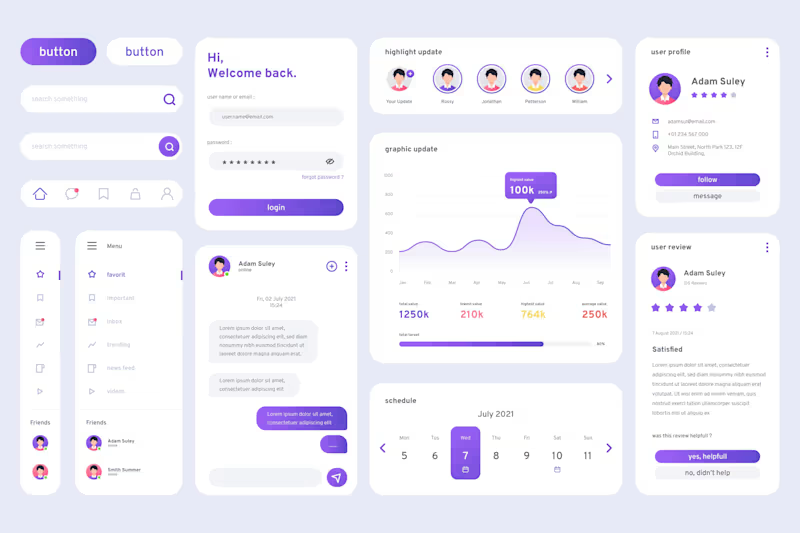
Offering comprehensive web development services with a focus on creating dynamic and captivating frontend solutions that engage users and enhance their browsing experience.
What's included
Comprehensive Frontend Development Package
Codebase:
The complete source code of the frontend application developed using Angular, ReactJS, or Next.js.
User Interface (UI):
Designed and implemented user interfaces that align with the project requirements and design specifications.
Component Libraries:
If applicable, reusable and modular component libraries that enhance maintainability and scalability.
Responsive Design:
Ensured that the user interface is responsive and works seamlessly across various devices and screen sizes.
Integration with APIs:
Integrated frontend components with backend services or APIs, enabling data exchange between the frontend and backend systems.
Documentation:
Comprehensive documentation that includes guidelines on how to set up, configure, and maintain the frontend codebase.
Testing Artifacts:
Unit tests, integration tests, or end-to-end tests to ensure the reliability and correctness of the frontend code.
Performance Optimization:
Implemented optimizations to enhance the performance of the frontend application, such as code splitting, lazy loading, and caching.
Deployment Configuration:
Assistance with deployment configurations and guidance on deploying the frontend application to various hosting environments.
Bug Fixes and Support:
Addressing and fixing any identified bugs or issues post-deployment and providing ongoing support as needed.
Version Control:
Utilization of version control systems (e.g., Git) to manage and track changes to the codebase.
Collaboration:
Regular communication and collaboration with other team members, including backend developers, designers, and project managers.
Tarun's other services
Contact for pricing